
Autumn equinox 2026: When was it and what happens now?
-
Published
Astronomical autumn has officially started after the equinox took place in the early hours of Wednesday.
It happened at 01:06 BST on 23 September, according to Royal Museums Greenwich.
It is a precise moment in time when the Sun crosses the celestial equator and neither hemisphere is tilted towards or away from the Sun, meaning day and night are roughly equal in length across the world.
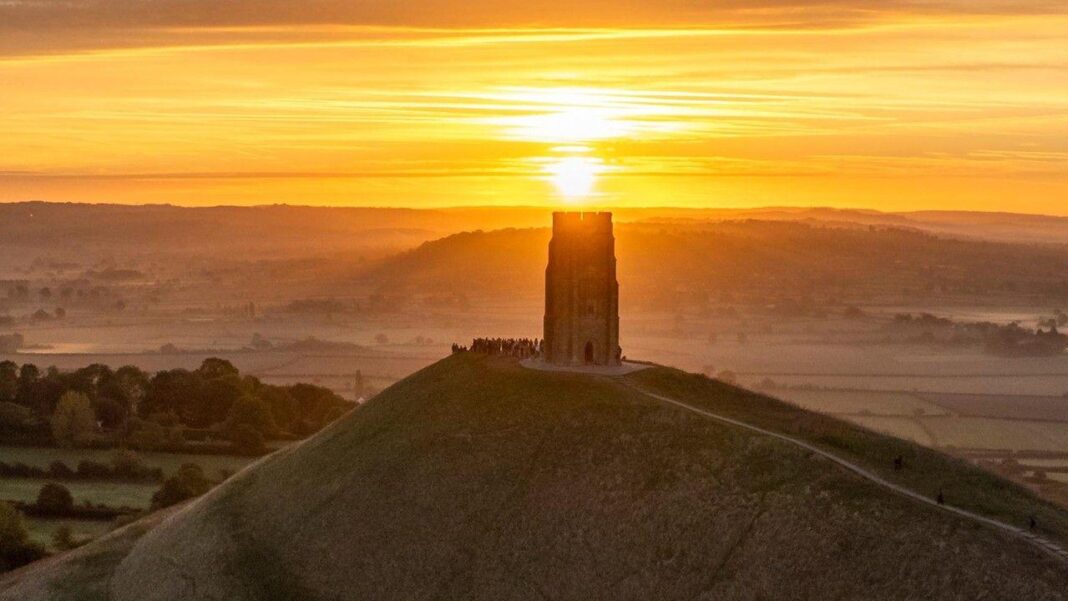
While the equinox itself cannot be seen, the day has cultural and spiritual significance for some people. Gatherings took place at sites including Stonehenge and Glastonbury Tor (pictured above), where people came together to mark the occasion and watch the Sun rise.
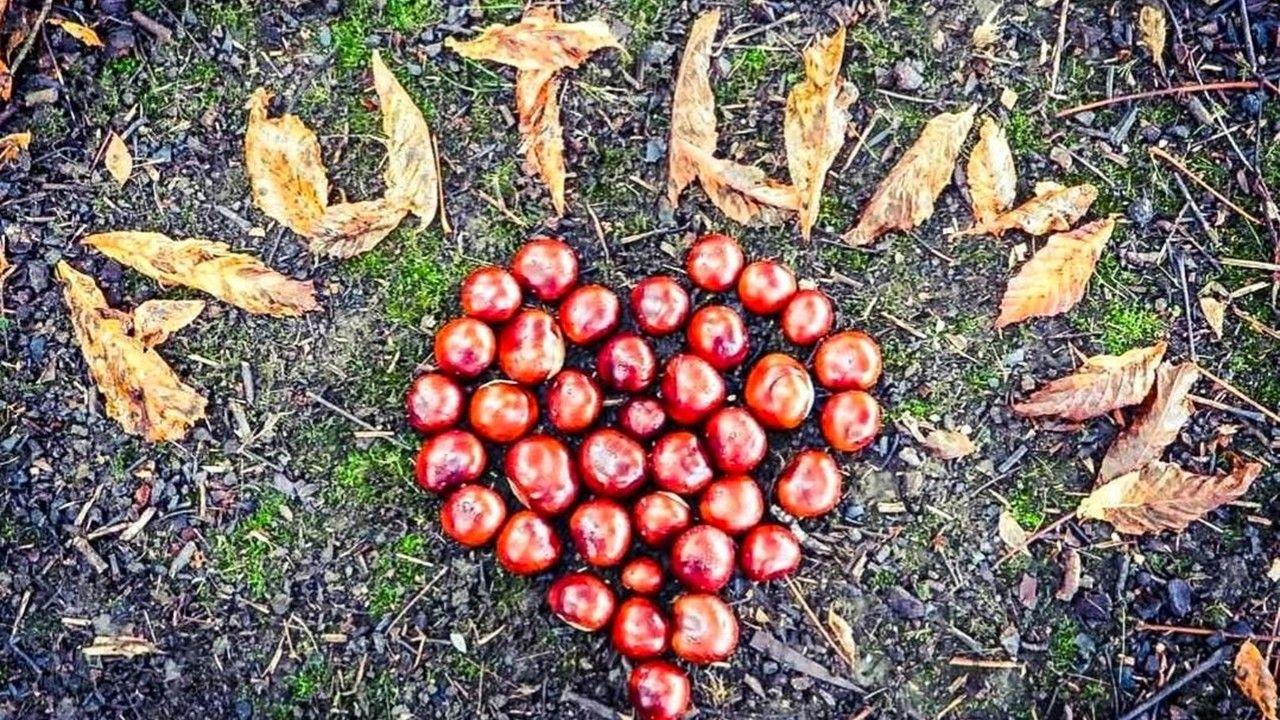 Image source, BBC Weather Watchers / sue
The autumn equinox may mark the start of astronomical autumn, but it does not necessarily mean there will be a sudden change in the weather.
The first signs of autumn are already around us with falling leaves and conkers on the ground, and as the Sun gets lower in the sky and the days shorten, temperatures generally fall as we head further into autumn.
So far this September, UK mean temperatures have been above average overall, according to the Met Office.
BBC Weather Watchers captured some beautiful equinox photos and here are a few favourites of those sent in so far.
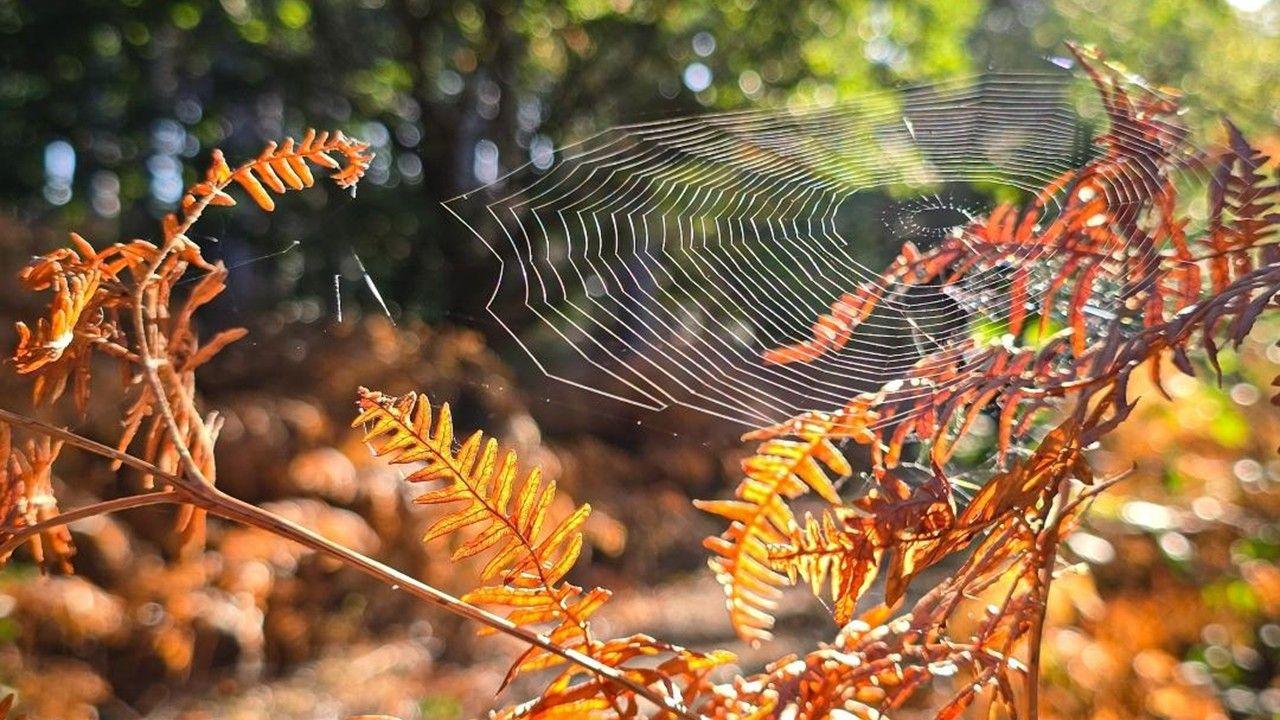 Image source, BBC Weather Watchers / sue
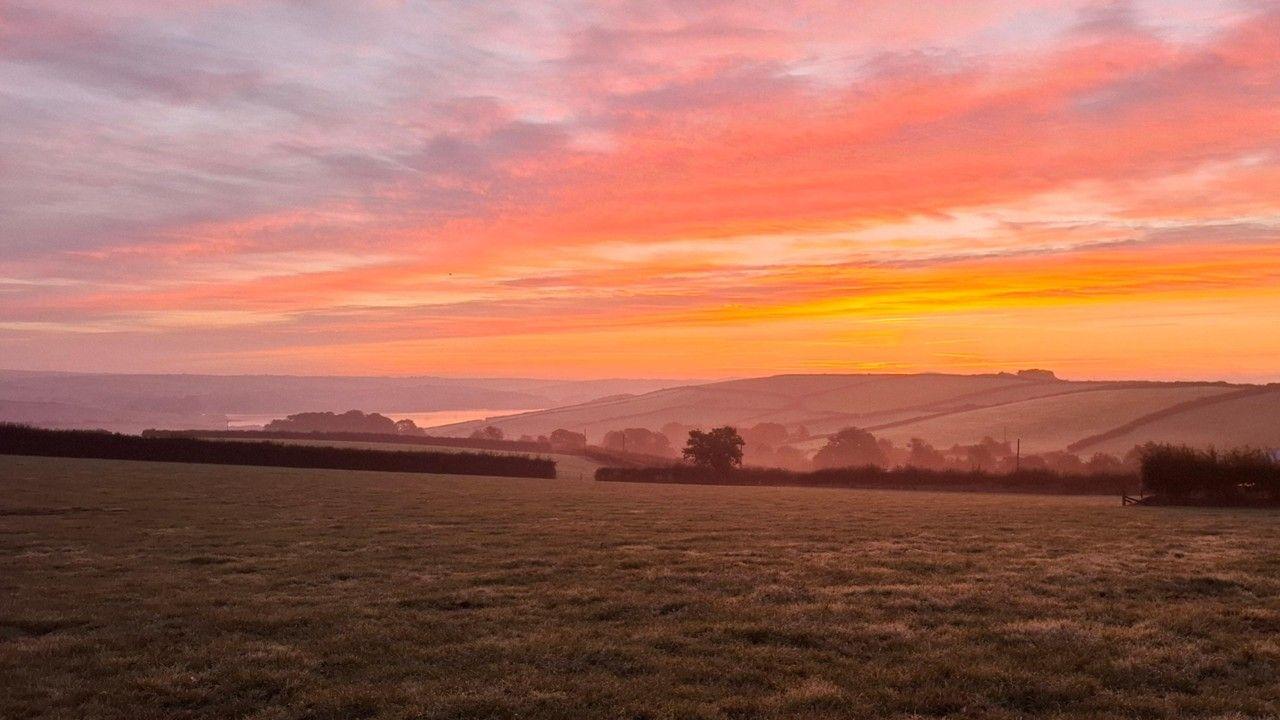 Image source, BBC Weather Watchers / Matt
 Image source, BBC Weather Watcher / Pia
Although the equinox happens at the same moment everywhere, the change in hours of daylight is not the same across the UK.
The further north you go, the bigger the difference between the long days of summer and the short days of winter.
That means places in northern Scotland are losing daylight more quickly at this time of year than parts of southern England.
 Image source, BBC Weather Watchers / Hang Ross
 Image source, BBC Weather Watchers / Daisybell
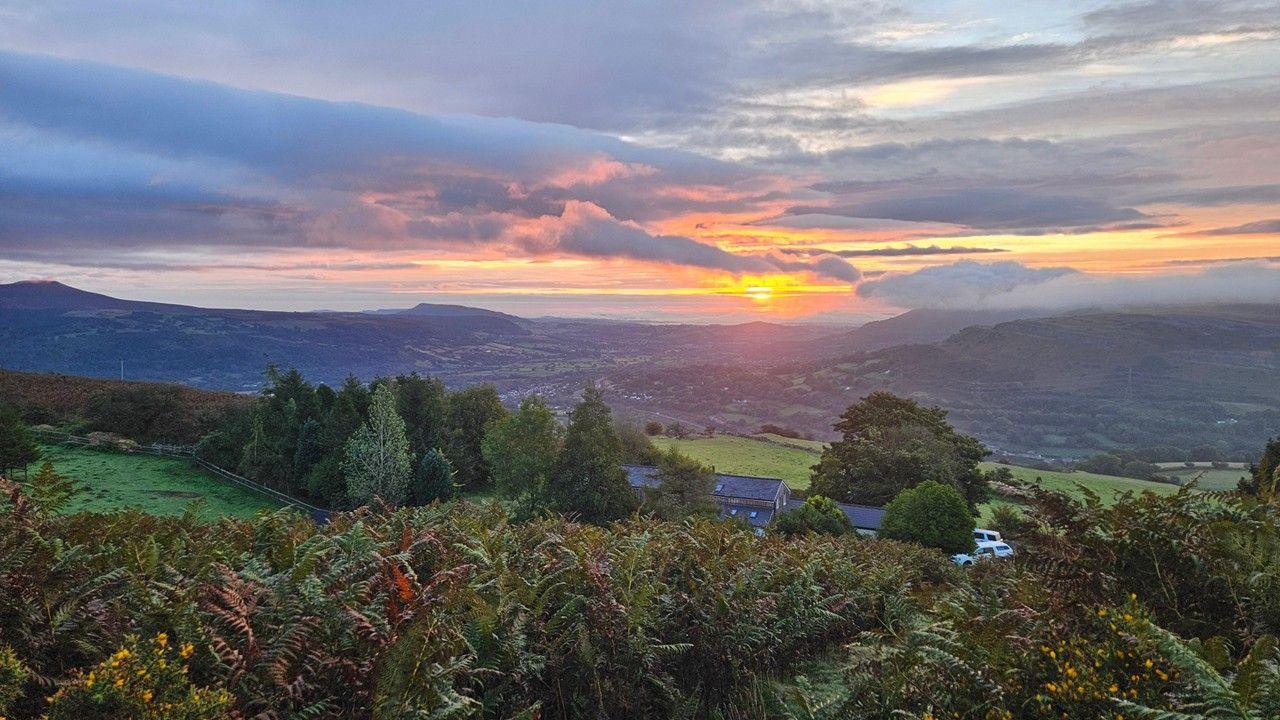 Image source, BBC Weather Watchers / The Lonely Shepherdess
What is the difference between the equinox and equilux?
The word “equinox” comes from Latin and means equal night.
At the equinox, the daylight measurement is taken from the point when the centre of the Sun is at the horizon, and is 12 hours sunrise to sunset and 12 hours sunset to sunrise.
However, it is the top edge of the Sun which is visible first at sunrise and last at sunset.
Because of light refraction – light being bent by the atmosphere – there is still light for a time when the Sun is not directly visible. This adds extra time to daylight hours.
In autumn, this means that the time when day and night are actually equal happens after the equinox.
This is known as the “equilux”, which means equal light.
This year, that happens in the UK on Friday 25 or Saturday 26 September, depending on your latitude.
-
-
Published13 September
-
-
-
Published11 September

-