
This post was originally published on this site.
I have a collection of fleeting happy places—moments in places far from home that have felt impossibly crafted—that I recall whenever things start to feel a little heavy in real life. Floating on my back in Iceland’s Blue Lagoon as a soft, near-hail melts the moment it rains down on my face; standing in a massive valley completely devoid of human-made noise, a couple of tears involuntarily snaking down my cheeks; and staring up at the geometric dance of treetops on a windy fall day in a nature preserve near my childhood home, my father standing next to me. I know I’m not alone: in certain situations, seeking an environment so far from our own reality is a soothing coping mechanism that can help add some perspective. In fact, sometimes, you don’t even have to leave your home to receive such a reminder—this is where the moose cam comes into play.
It’s exactly what it sounds like: a glimpse into a timeworn journey that you can watch online. In 2019, Swedish public broadcaster SVT set up a livestream called Den Stora Älgvandringen, or The Great Moose Migration, in a niche experiment of sorts to bring a piece of this special place and ritual into the homes of people around the world. That first year, around one million people tuned in. Five years later, in 2024, that number had ballooned to nine million, with nearly one-third of those watchers falling outside of Sweden.
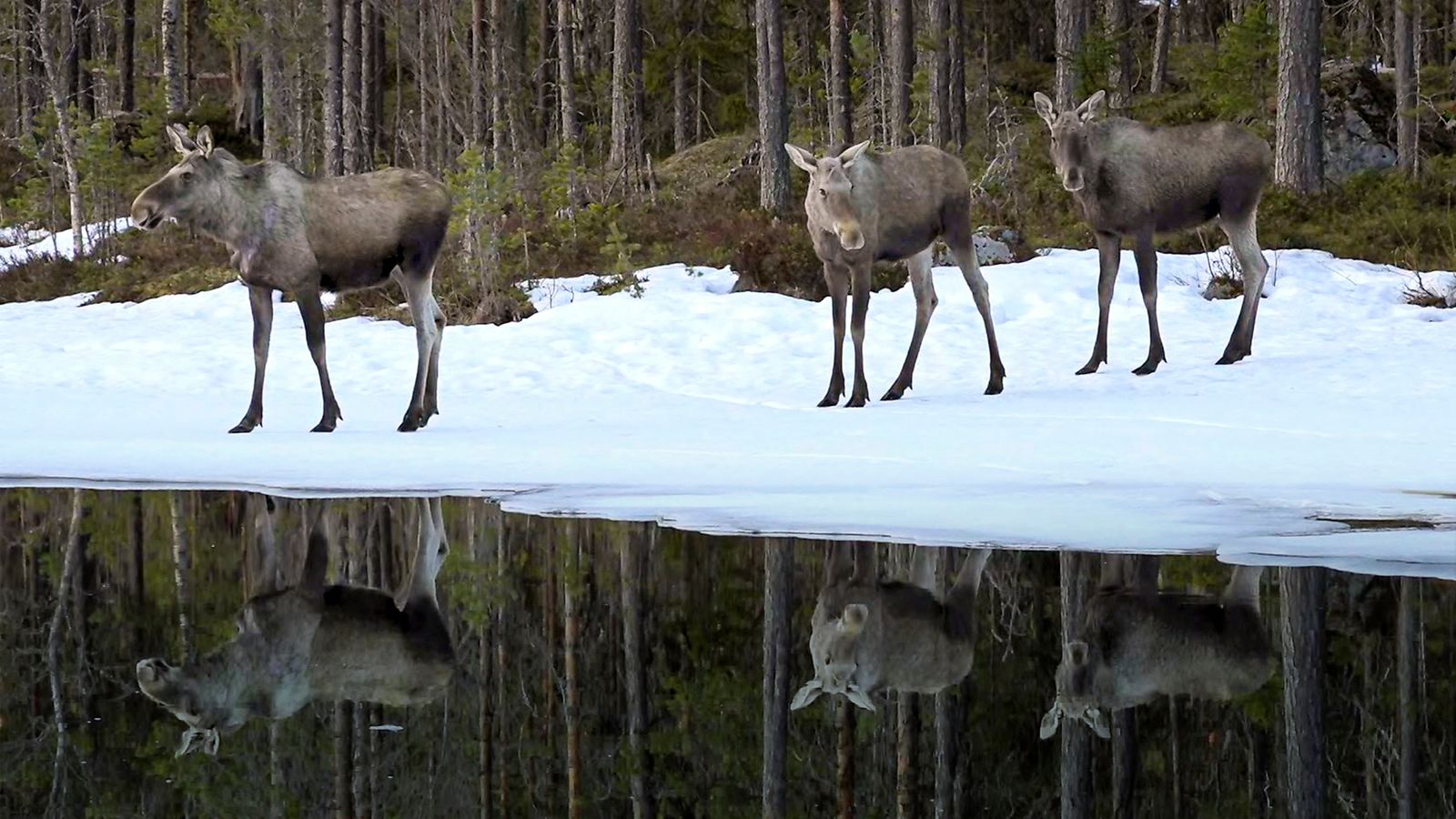
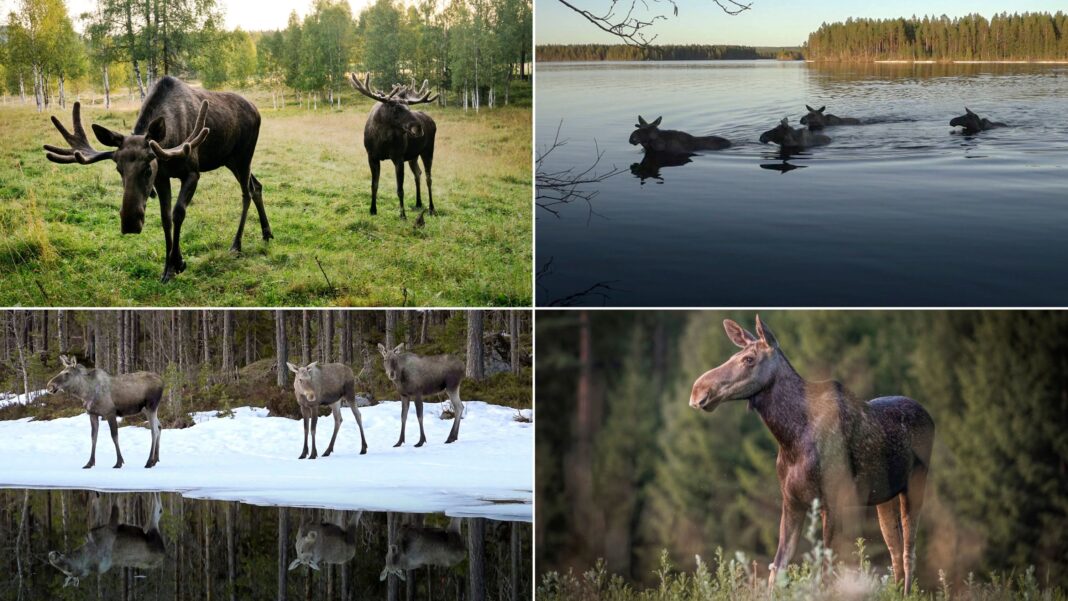
For the most part, a handful of cameras showcase the stunning Swedish landscapes of the northern High Coast (a UNESCO-listed area) at the downhill plunge of seasonal change. The snow is gone, evergreens sway gently in the spring breeze, and sunlight slips in between branches as the daylight—which grows by about six minutes each day at this point in the year—makes its cycle. And this is what you’re seeing a majority of the time across four different camera angles. Once in a while, you will catch a moose passing through the frame, breaking the anticipation in a delightful way. (In 2025, around 70 were spotted.) In the past, bears, otters, foxes, and reindeer have also made cameos, unscripted nature at its best. With 30 remote cameras set up to record 24/7, the result is more than 500 hours of live footage (you can see where everything is set up on this map).
After more than a couple of hours of watching, I was surprised to find that the faceless bird song and rustling of scavenging mystery animals at night, just out of frame, exercised? stimulated?jogged my imagination more than anything else. I found myself turning the sound up more when it was just wind and water, an antidote to whatever email I was struggling to write in a given moment. My favorite camera angle quickly became “Entren”; I love how it frequently pivots back and forth, scanning the forest floor for passersby. It feels like sitting at the base of a tree with a book or a sketchpad, taking a peek every so often to make sure I’m still alone. In reality, I’m posted up on my couch inside my apartment on one of Brooklyn, New York’s busiest streets—car horns, sirens, chatty walkers, and delivery drivers competing for air time against my soundtrack of northern Sweden.