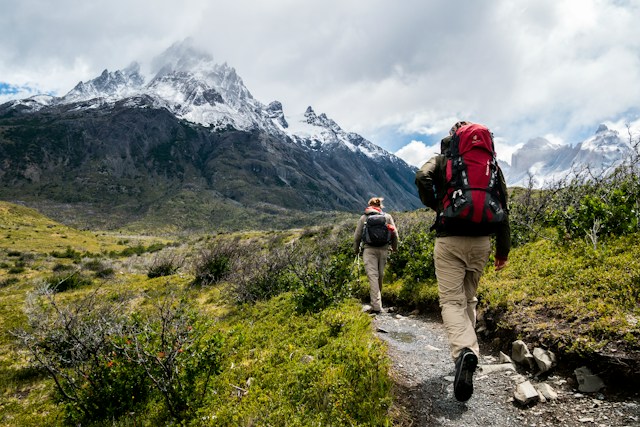

If you’re thinking about shifting to a more active, outdoorsy lifestyle, consider starting with a brief trek. Going on a short mountain trek or a day hike is a great workout for beginners since it helps you to build endurance and experience the Great Outdoors without risking injury or severe exhaustion. Finishing an easy trail also allows you to have a sense of accomplishment and helps you understand your physical fitness limits. Basic athletic wear and sneakers will work fine for a short day trip, but you’ll also need to pack a few things to stay safe and comfortable while you’re out and about.
Packing the essentials is a must even for a short hike since unexpected delays, sudden weather changes, or minor injuries can potentially turn a short outing into an overnight survival situation. To be prepared, some novice hikers bring nearly everything but the kitchen sink in their backpack. However, medical experts say that overloading your backpack can place undue stress on the spine and shoulder muscles, which may lead to long-term injuries in the future. To avoid compromising your health while being prepared for any situation, know what to bring to keep you safe and well during mountain treks. Here is the beginner’s guide to ultralight trekking for trail wellness and comfort.
Safety And Wellness Essentials
Sun protection is an absolute must for a day hike since there’s always the risk of sunburn, especially if you’re out during the hottest part of the day. What’s more, hikers traversing a route at 5,000 feet absorb roughly 15 to 20 percent more UV than they would at sea level, so apply a broad spectrum sunscreen and bring it with you so you can reapply every two hours. You’ll also want to wear sunglasses and a brimmed hat to further protect yourself from harmful UV rays.
Pack a small first aid kit filled with blister bandages, medications, and antiseptic wipes. You’ll also need to pack a bright headlamp with extra batteries in case you stay out past dark. Keep a lightweight Mylar emergency blanket or bivy in your pack so you can make an emergency shelter in case of a sudden downpour. Download offline maps on your phone and bring a powerbank, as well as a physical map and a compass so you can find your way if you get lost.
You should also bring a small titanium sheet since this can serve as an ultra-lightweight, multi-use piece of survival and utility gear on a mountain trek. You can use the sheet as an emergency splint, or turn it into an improvised fire pan since you can start a tiny wood fire on it without leaving a charred trace on the ground. It can also be used as a food prep surface or as a reflective heat shield. Be sure to source the material from a titanium sheet supplier so you’ll know that you’re getting the real thing.
Clothing And Layering
There’s no need to pack multiple clothing items when you’re going for a short hike. But while it’s likely that you won’t need five shirts for your trek, you’ll need to bring a packable fleece or a lightweight down jacket for sudden temperature drops. You’ll also need a protective outer shell, like a waterproof and windproof rain jacket to keep you warm and dry. While hiking, wear a moisture-wicking base layer to pull sweat away from your body, as well as a pair of Merino wool socks since these can keep your feet warm in the cold and cool in the heat.
Food And Hydration
You may think that your trek may take only two, maybe three hours at the maximum, but that’s no reason to leave out food or extra water from your pack. Keep in mind that anything can happen, so plan on bringing enough food and water to keep you energized and hydrated. Wear a hydration vest so you can use the front straps to carry water in soft flasks. You can also pack water in a disposable plastic bottle, as well as a squeeze filter so you can scoop up water from natural sources and drink or filter it directly into your bottle. Research your route and check for streams, lakes, and springs before you go so you know where to refill.
As for food, prepare high calorie, nutrient dense foods that require no cooking and have minimal packaging. Bring trail mix, energy bars, nut butter packets, and some dried fruit like banana chips for fast-acting carbohydrates without the weight. If you’re planning to have lunch on the trail, pack tuna or chicken in foil pouches, some hard cheeses, and tortilla wraps. All of these won’t add too much weight to your backpack, and they’ll hold up well at room temperature.
The mountains and trails are calling, and they’re much easier to explore when you bring only the absolute essentials. Pare down your gear and step out onto the trail with a lighter pack, and don’t forget to bring your sense of adventure with you.