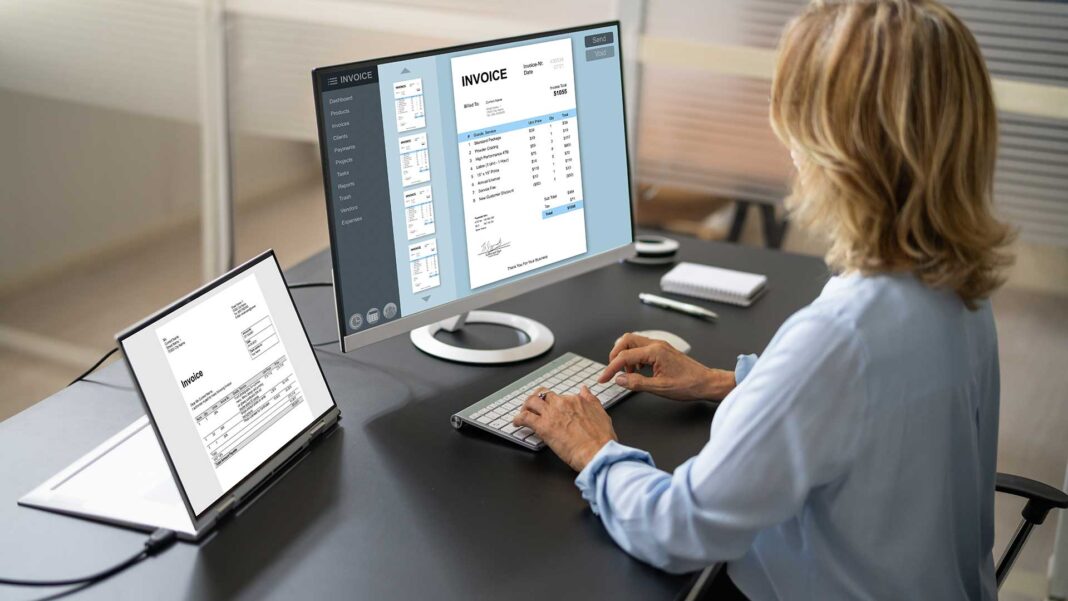

It is important for CFOs and other finance department managers working in multinational companies to be aware of constantly changing regulations to stay on top of things, minimize risks, and avoid severe fines and delays in cash flow.
Digital taxation regulations are emerging all around the globe and redefine ways in which businesses operate invoices and communicate with tax administration.
To understand how your business should adapt to such conditions, you need to go much further than installing updated software for accountants. The finance leaders have to consider the ways in which their system supports automation, electronic archiving and validation of data. With tax administrations adopting continuous transaction controls (CTCs) globally, manual monitoring has become impossible. Establishing a scalable system will ensure your security and compliance.
Navigating the Shift Toward Global Digital Invoicing
The move towards paperless and PDF invoice-less systems around the world is taking place at a rate never seen before. It is becoming more common for governments to mandate the use of electronic solutions in order to plug the VAT gap and eliminate tax fraud. This presents major challenges for multinational corporations who need to navigate a disparate array of regional standards and protocols in relation to validation periods.
To address these challenges successfully, CFOs must look closely at the broader evolution of digital fiscal requirements. Implementing robust solutions for e-invoicing allows organizations to automate accounts payable and receivable cycles, drastically reducing human error and operational friction. Electronic formats enable seamless data transfer between trading partners, ensuring that every transaction is tracked, verified, and recorded accurately. Furthermore, adopting standardized electronic workflows accelerates processing speeds, shortens cash conversion cycles, and strengthens relationships with vendors and customers alike.
In addition to efficiency, global e-invoicing regulations demand strict compliance with the principles of integrity, authenticity, and archiving of the data. Taxing authorities across the world are now insisting on an electronic trail to ensure that invoices have not been tampered with from start to finish. Companies that do not have proper digital archiving processes in place face huge risks in case of penalties in tax audits. Hence, there is a need for finance leaders to focus on scalable architectures.
Decoding German B2B Rules and Upcoming Mandates
European Union directives are now at the forefront of regulation reform, and Germany is leading the way by implementing the largest changes in their fiscal system in many years. Typically seen as a more conservative country when it comes to document handling, Germany is now conforming to European Union directives in order to modernize business. If you are doing any business in this area or with those who do business there, it is imperative to understand these changes.
A crucial milestone in this regional transformation involves preparing for the upcoming changes surrounding e-invoicing germany. German tax regulations are shifting towards mandatory electronic invoicing capabilities for domestic B2B transactions, closely mirroring the ViDA (VAT in the Digital Age) framework proposed across the European Union. Companies must ensure their enterprise resource planning (ERP) systems can generate, receive, and process structured electronic formats—such as XRechnung or ZUGFeRD—that comply with European standard EN 16931. Failing to adapt to these structured formats can result in rejected invoices, delayed payments, and strained commercial relationships.
- Key requirements for compliance in the German market include:
- Supporting hybrid or fully structured electronic invoice formats.
- Ensuring compliant long-term electronic archiving (GoBD compliance).
- Establishing reliable mechanisms for receiving electronic documents from various suppliers.
- Training finance and IT teams on updated validation and reporting protocols.
Best Practices for CFOs and Finance Leaders
Integration of automatic fiscal systems in an organization should be achieved through collaboration between the finance, IT, and legal departments. CFOs should ensure that proactive measures are adopted as opposed to adopting reactive measures in compliance with the regulations. Performing audits of the current invoicing process will help the company realize weaknesses, get rid of the old inefficient process, and adopt the appropriate technology that can grow with changing global standards.
Furthermore, finance operations of today go beyond just adopting technology but also creating a compliant and continuous learning culture. With the change in regulation, organizations equipped with technology and methodology offered by RTC Suite will have an easier time coping with the changes in the regulation to become fully compliant with the international tax requirements.