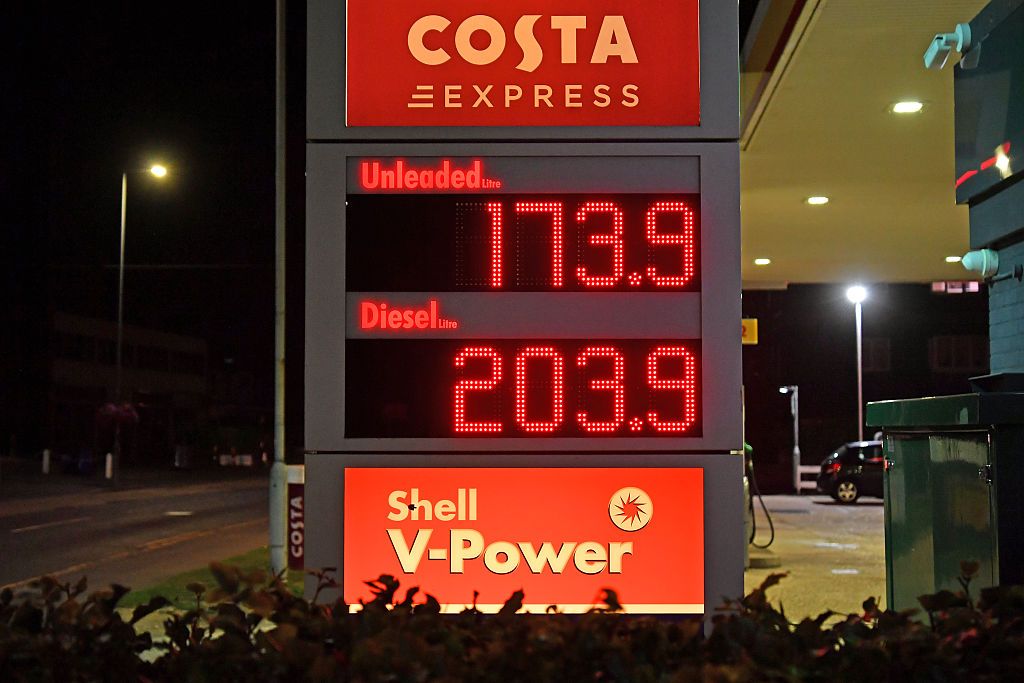
On Monday, the average price of diesel in the UK crossed the £2 per litre threshold and is set to go a lot higher still. The cost of diesel has risen by 54% since the start of the Iran war and is climbing higher all the time. Motorists stuck with diesel cars are starting to feel the full effect of the shortage of the fuel and so will all the haulage companies who rely on it to fuel their vehicles.
Why? The Strait of Hormuz has been largely closed to traffic, putting a squeeze on oil supplies. Refining capacity across the Persian Gulf has been badly hit by the conflict, with shipments of refined products falling by up to half over the past few months.
Ukrainian drone strikes deep within Russia have taken out a lot of that country’s capacity, and while the main purpose has been to knock out supplies to Russia’s army and inflict maximum economic damage, it means the world has less diesel than ever. Russian oil might be officially sanctioned in the West, but a lot of it was finding its way onto the world market.
Try 6 free issues of MoneyWeek today
Get unparalleled financial insight, analysis and expert opinion you can profit from.
Start your trial
Sign up for MoneyWeek’s free twice-daily newsletter.
Join more than 165,000 subscribers and keep yourself informed with latest financial news, insights and expert analysis to help you understand what really matters when it comes to your finances.
Join more than 165,000 subscribers and keep yourself informed with latest financial news, insights and expert analysis to help you understand what really matters when it comes to your finances.
Add all that up and supplies were already getting squeezed. It may be about to get a whole lot worse. With prices soaring in the US as much as anywhere else, Donald Trump is coming under pressure from Republican congressmen and senators to impose a 90-day ban on US diesel exports. It’s understandable that political leaders think keeping the domestic market supplied should be the priority. But if that happens it could escalate into a global diesel crisis.
Britain would then be facing a very bleak winter. We have only an estimated 42 days’ supply of diesel in storage to cope with any kind of emergency, the lowest buffer of any major developed country. We import a third of the diesel we consume from the US. It’s hard to see how we can buy much more on the open market. Our European neighbours have only slightly higher reserves than we do and are unlikely to want to help out.
Britain may run out of diesel
The harsh truth is that we may simply run out of diesel. If so, the price will soar and the government may well have to step in, with a ruinously expensive subsidy scheme and probably some form of rationing as well. It will have to make sure the emergency services are supplied and that the most important industrial users stay open.
The bigger problem, though, is that the diesel crisis will painfully expose how far we have run down our industrial resilience and capacity. As recently as 1995, Britain was a net exporter of diesel. We had our own oil wells and our own refineries, allowing us to export to the rest of Europe, and indeed the world. Unfortunately, that is no longer the case. We are down to only four refineries. Over the past 15 years, five have closed, with diesel imported instead. The North Sea oil industry has been relentlessly run down, with licences refused for new drilling and environmental activists allowed to tie up developers in constant legal battles. Windfall taxes make it very difficult to make any money in the oil industry anyway.
That makes a difference. North Sea output won’t affect the global price of oil by itself. But in an emergency, a country with its own oil and its own refineries can always ensure it is supplied with fuel. It can place restrictions on exports and ensure the domestic market keeps running. You can’t do that when both the oil and products refined from it are imported from abroad.
Britain has been steadily deindustrialising for the past 20 years. Punitive taxes, an obsession with net-zero targets and some of the most restrictive planning laws in the world have made this a very hard country to make things in. We can see the evidence for that across a whole range of industries. Cement production is back down to levels last seen in the 1950s. Car production is down to early 1960s levels. Much of the petrochemicals industry has closed down. The list goes on. Domestic capacity has been steadily replaced by imports because it is simply too expensive to operate in the UK.
If we face severe shortages this winter, and perhaps even rationing, it will expose the folly of 20 years of running down basic industrial capacity. If you can’t make stuff any more, then you are left completely exposed to whatever crisis may erupt in another part of the world. The price for that will be very high.
This article was first published in MoneyWeek’s magazine. Enjoy exclusive early access to news, opinion and analysis from our team of financial experts with a MoneyWeek subscription.