
This post was originally published on this site.
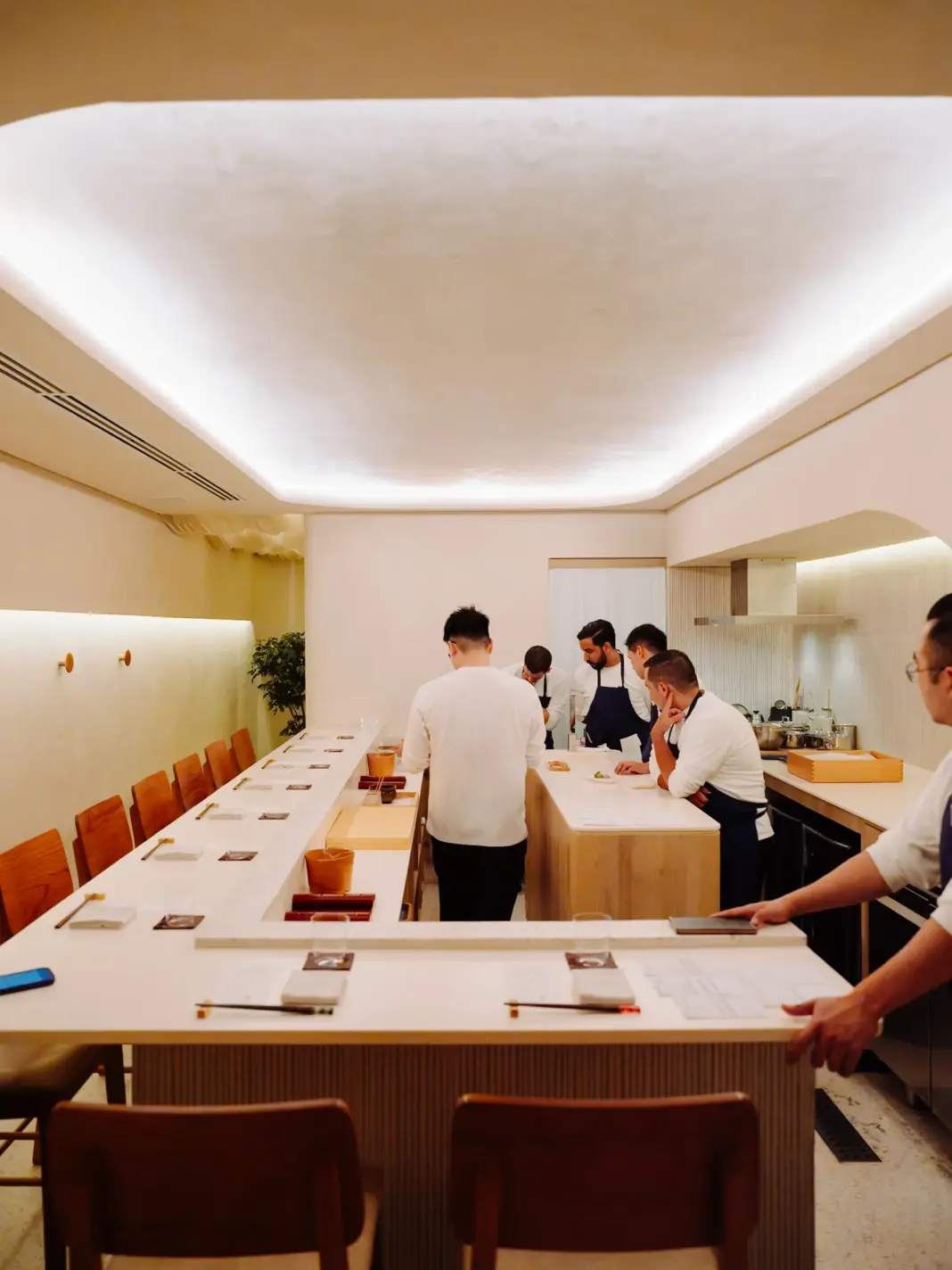
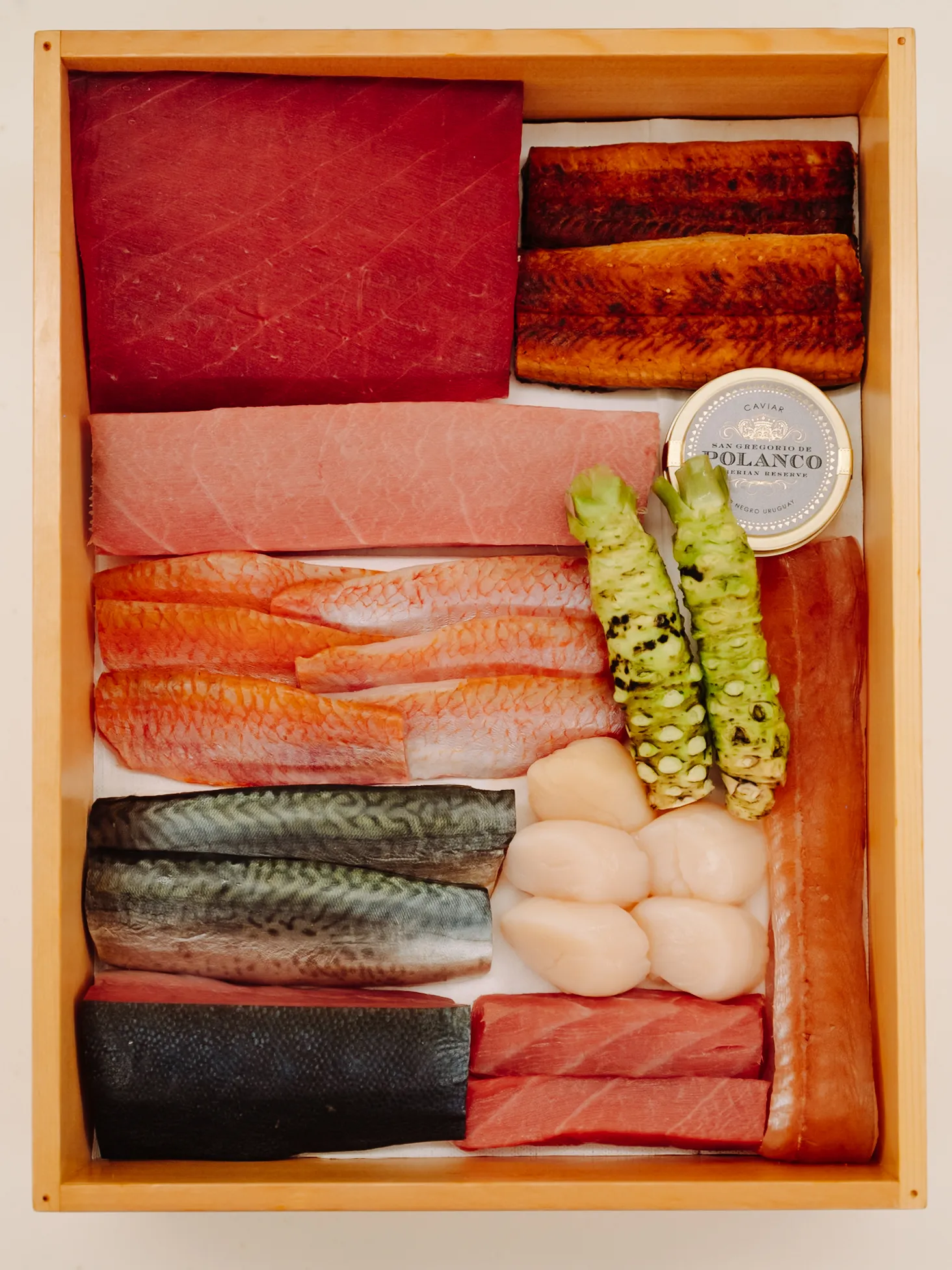
Kanoê is an exclusive omakase, packed each night despite its hefty price tag—the tasting menu costs $268. Inside, though, chefs expertly slice the finest fish—from Brazil, Japan, and beyond—and serenely cook over induction stovetops. Most revered is the rice, whose provenance is a closely guarded secret and whose result is deeply vinegary and warm enough to melt the most delicate tuna imaginable. On a buzzy Saturday night, sitting across the counter from several supremely confident and concentrated chefs, the pairing of rice, Spanish bluefin tuna, and Niigata salt is arguably the greatest mouthful of sushi in the city—the kind that makes strangers turn and smile to tables beside them.
São Paulo–born owner Tadashi Shiraishi (no relation to Telma) spent years cooking in Japan, Europe, and the US, honing his craft to become one of Brazil’s great sushi chefs. Though deeply rooted in Japanese tradition, he likes to break rules. Tuna is served first because most guests are too full to enjoy the fatty fish at the end of an omakase. It’s a masterstroke, highlighting the fish’s richness before more delicate scallops and hamachi. These types of high-end Japanese restaurants have emerged, in part, thanks to an increasingly wealthy and well-traveled Brazilian populace, says Tadashi, allowing São Paulo’s sushi scene to compete with the world’s gastronomic capitals, like New York. “São Paulo is one of my favorite places to eat Japanese food,” he adds.
Though Tadashi uses some Brazilian-grown ingredients, his restaurant has never been explicitly focused on creating Japanese Brazilian cuisine. Rather, he explains, it has always been about studying and preserving aspects of traditional Japanese cooking to share with a Brazilian audience. “The restaurant aims to operate within principles closely linked to Japanese tradition, respecting technique, seasonality, hospitality, and the creation of flavor within this framework.”
Food among diasporas, perhaps inevitably, can veer further from its origins as people adapt to new countries and cultures intertwine. As with Indian food in the UK or Mexican cuisine in the US, Japanese food in São Paulo is today defined by a multitude of interpretations. There are, Tadashi says, “formats more adapted to Brazilian tastes [and] those closer to traditions and techniques originally developed in Japan, but with a more personal touch.”