
In Tanzania, local guide Anderson Mgesi grew up in a village in the Iringa region, where bushmeat fed his family. When the government expanded the park in the late 1990s and early 2000s, hundreds of villagers—including Mgesi’s family—were forcibly evicted from their ancestral lands. Hunting wildlife is technically illegal in what became Ruaha National Park, but it was, as he puts it, “one of the few dependable ways to make ends meet.” When his grandfather was mauled by a leopard caught in a trap set for an impala, however, Mgesi began to feel that the dangers of hunting wildlife outweighed its benefits for humans.
This led him to seek financial sponsorship to study at Mkuyu Wildlife School, which eventually led him to the opportunity to become a guide at Usangu Expedition Camp, part of safari company Asilia Africa. While the complexities around working within a park that his ancestors had been removed from remain, Mgesi now supports much of his extended family with the steady wage. As Mgesi tells it, “Conservation’s future lies in neighboring communities benefiting directly from tourism, and in educating children while they’re young about the career possibilities in hospitality.”
Shinta Mani Wild, in collaboration with the conservation non-profit Wildlife Alliance, trains and employs former snare-setters in Cambodia’s Cardamom Mountains to intercept illegal logging and the poaching of Malayan sun bears, pangolins, clouded leopards, and pileated gibbons in a critical wildlife corridor. To date, the Wildlife Alliance in this region has removed about 350,000 traps, contributing to an uptick in the numbers of these vulnerable and endangered animals.
The camp’s new general manager, Jacky Collett-Stevens, recently relocated to the property from Rwanda, where she had worked on a string of successful projects focused on community engagement within wildlife conservation. “In Rwanda, people have seen that protecting their extraordinary mountain gorillas brings tangible, lasting value to their families and their country,” says Collett-Stevens.
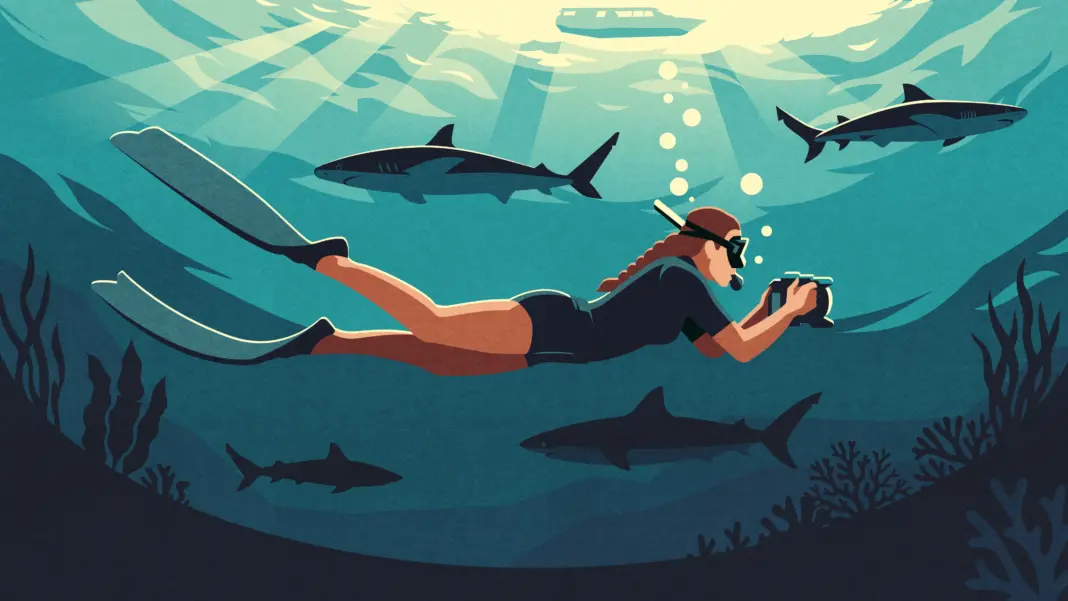
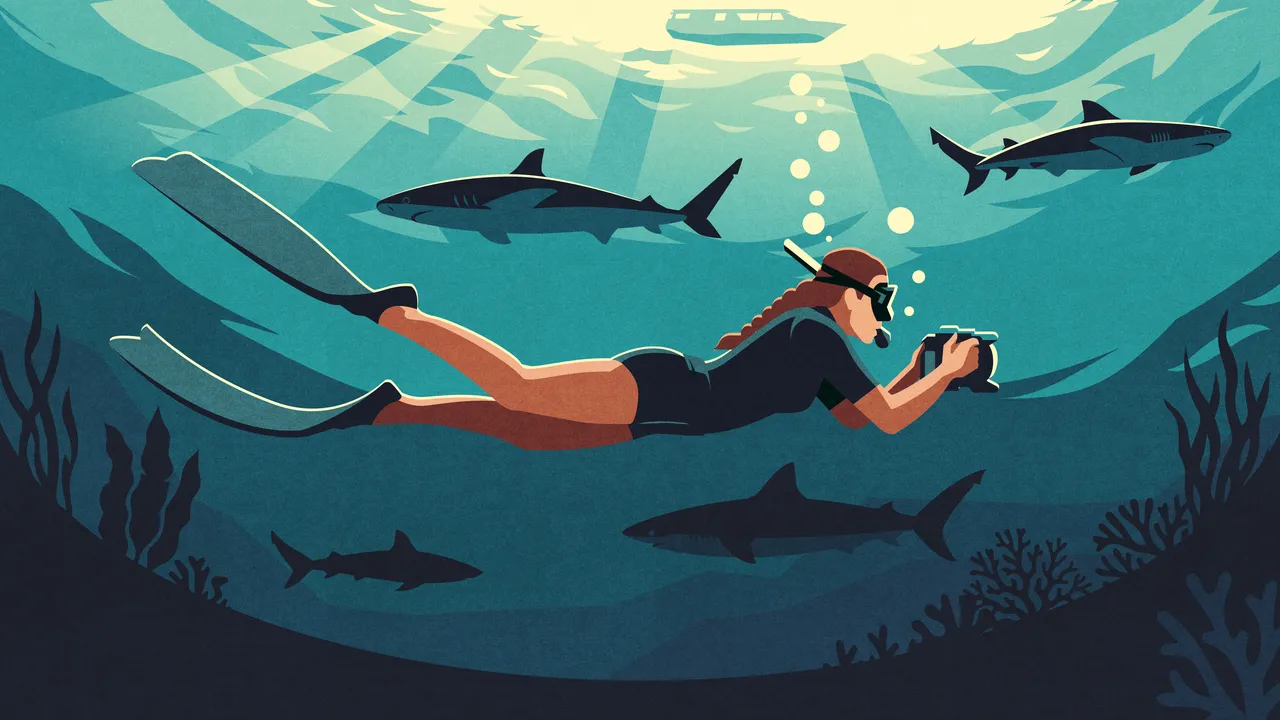
As Stewart of Project Hiu puts it: “When communities are given genuine alternatives, fair pay and opportunities, the impact reaches far beyond conservation—from retiring fishing boats to us being able to send two former shark fishermen to university. They are the villains in everyone’s story, but they are the heroes in ours.”