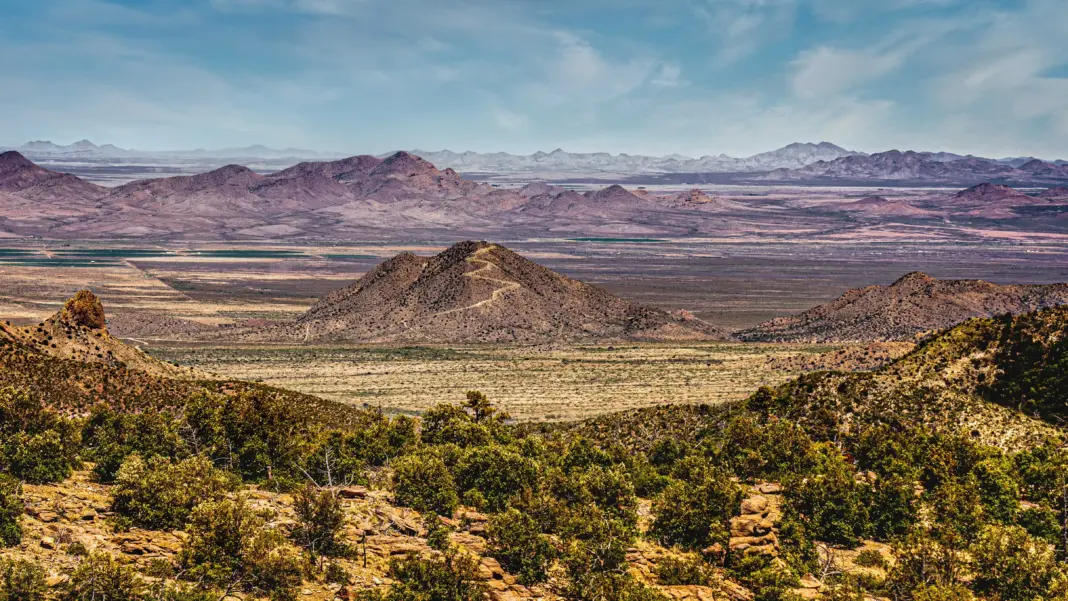

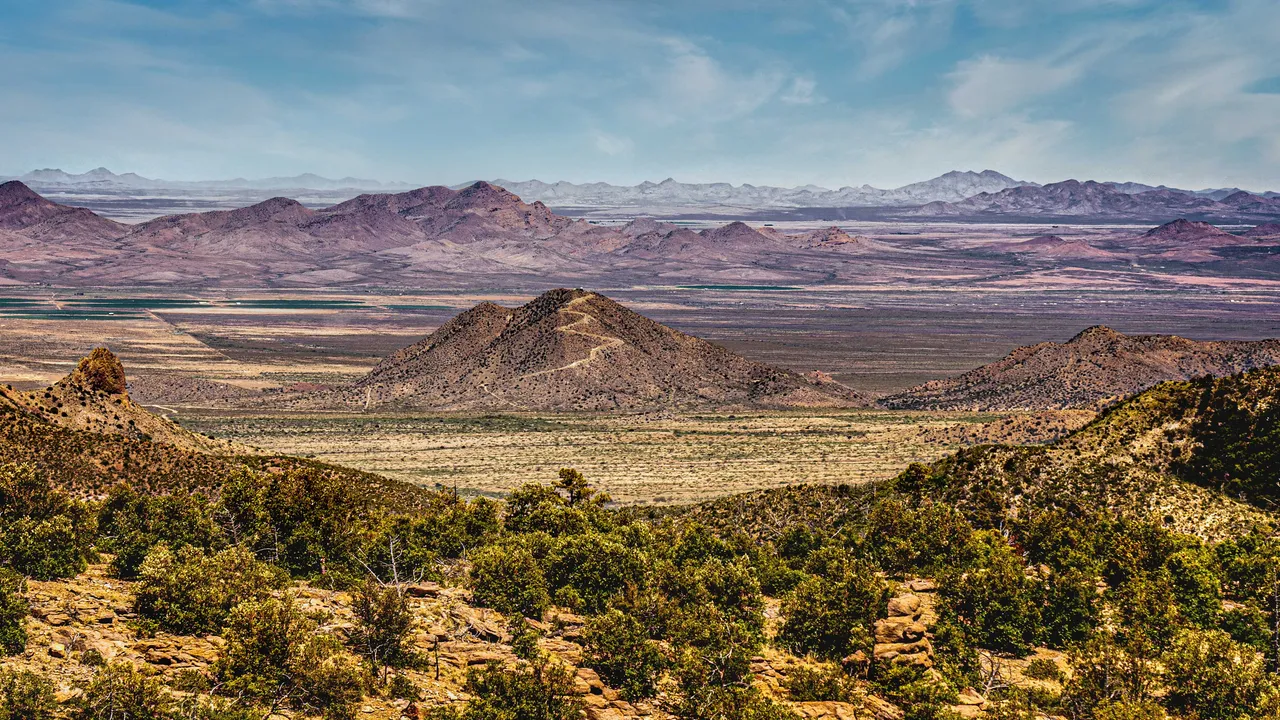
The park spans roughly 12,000 acres of grasslands, desert scrub, riparian, and pine woodlands, which means there is a huge variety of wildlife and habitat types to see and explore. Aside from the almost 200 species of birds, there are also over 70 species of mammals, 46 species of reptiles, and 8 species of amphibians. Keep an eye out for everything from banded rock rattlesnakes to cactus wrens, whitetail deer, and white-nosed coatis.
While immersing themselves in nature, visitors can also experience the areas’s rich cultural history; the park is the ancestral home of the Chiricahua Apache and has ties to prehistoric Indigenous communities, Buffalo Soldiers, ranchers, and the Civilian Conservation Corps.
Visitors can experience the best of the park’s offerings by taking the scenic drive to Massai Point, Echo Canyon, and Sugarloaf; hiking the 17 miles of wilderness trails through the rocky landscape; exploring the Faraway Ranch historic district, home to Swedish immigrants in the late 1800s; or stargazing in the area (did we mention it’s an international dark sky park too?).
Will the national park status change anything for visitors?
Because Chiricahua was already protected as a national monument, not much will change on the ground besides the new name (and updated signage). Guests can still camp in the park overnight, enjoy scenic drives through the volcanic landscape, go on hikes, and spot plenty of wildlife. For now, parking and the entrance fee to Chiricahua remain free, as they did before the new designation.
The largest impact will come from the increased attention that national park status will bring to the area. Based on a report done in 2018 by independent nonprofit research group Headwaters Economics, in reference to White Sands National Park‘s change in designation from a national monument in 2019, national parks often see higher visitation rates than national monuments, resulting in increased spending per visitor, and more overnight stays. That means visitors can anticipate higher tourism rates in and surrounding Chiricahua National Park in the near future—which could also lead to more crowds, traffic, and increased development in nearby towns.
Where to stay near Chiricahua National Park
Like many national parks, Chiricahua is remote, and doesn’t have an overwhelming amount of accommodation options nearby. The nearest city to Chiricahua National Park is Willcox, Arizona, which is roughly 30–45 minutes away by car. Tucson (where guests from farther afoot will likely fly into) is about two hours away. There are a few smaller cities and towns—like Bisbee, Douglas, Portal, and Bowie—scattered within 100 miles of the park, but expect the drive from your accommodations to the park to be on the longer side. For those who want to sleep under the stars, you can camp directly in the park at the Bonita Canyon Campground.
Hotels near Chiricahua National Park:
Airbnbs near Chiricahua National Park: