
This post was originally published on this site.
If you’re looking to boost sales, understanding retail analytics tools is essential. Start by identifying your needs, whether it’s demand forecasting or real-time tracking. Tools like Zenlytic can streamline data, while Power BI offers customizable dashboards. Explore options like Tableau and ThoughtSpot for visual insights and AI-driven analytics. Each tool has unique strengths that can transform your approach to inventory and customer targeting. Discover which ones align with your goals to enhance your retail strategy effectively.
Key Takeaways
- Retail analytics tools like Zenlytic and Power BI provide real-time insights for tracking sales trends and optimizing inventory management.
- Predictive analytics features in tools enhance demand forecasting, reducing stockouts and overstock situations effectively.
- Customizable dashboards allow various retail roles to access tailored metrics, improving decision-making and operational efficiency.
- Automated reporting and anomaly detection streamline data analysis, ensuring timely responses to market changes and sales shifts.
- Accessible analytics empower all staff members, fostering collaboration and enhancing overall sales performance.
When you harness retail analytics tools, you’re not just crunching numbers; you’re turning raw data from sources like POS systems, e-commerce platforms, and supply chains into actionable insights.
These retail analytics platforms help you improve demand forecasting accuracy, which can markedly reduce overstock and stockouts. By optimizing inventory management, you can boost profitability and enhance customer satisfaction.
Utilize retail customer analytics software to get a clearer picture of purchasing behaviors, enabling tailored marketing strategies.
[embedded content]
Automated anomaly detection alerts you to unexpected changes in demand, letting you address potential issues before they escalate. With natural language processing, even non-technical team members can easily query data, facilitating quicker access to insights.
Incorporating these retail data analytics solutions not only elevates operational efficiency but also empowers your team to make informed, data-driven decisions that drive sales and enhance overall performance.
Key Features for Effective Retail Analytics Software
Effective retail analytics software is essential for gaining insights that can transform your business operations.
Look for an AI retail analytics platform that offers cross-channel visibility, allowing you to analyze data from POS, e-commerce, and inventory systems in one place.
Utilize retail analytics software that provides real-time data refresh, ensuring you can quickly adapt to market changes and customer behaviors.
Predictive analytics is key for forecasting demand and optimizing inventory, helping you avoid stockouts.
Customizable dashboards enable you to tailor key metrics to your specific role, ensuring quick access to critical information.
Take advantage of automated reporting features to receive scheduled updates and alerts, keeping your team informed without added manual effort.
Zenlytic: Streamlining Data for Insights
Zenlytic makes it easier for you to harness data for actionable insights by integrating information from various sources into one platform.
With its Clarity Engine, you can generate accurate demand forecasts using plain English queries, eliminating the need for SQL knowledge.
Additionally, early anomaly alerts help you spot unexpected shifts in demand or margins, allowing you to act quickly and maintain operational efficiency.
Key Features Overview
Revealing the power of data analytics can transform how you approach retail insights. Zenlytic stands out among retail analytics solutions, offering an AI-driven platform that simplifies complex queries in plain English.
[embedded content]
With its Clarity Engine, you gain accurate forecasts through unified data sources, enhancing your customer analytics tools. The feature of early anomaly alerts helps you quickly identify unexpected shifts in demand or margins, enabling proactive decision-making.
Additionally, Zenlytic’s Memories feature guarantees consistent answers for repetitive queries, boosting trust in your retail business intelligence platform.
By leveraging these capabilities, you can optimize operations and enhance efficiency, making informed decisions that drive sales and improve customer satisfaction.
Choose Zenlytic to elevate your retail analytics experience.
Data Integration Capabilities
When you need to streamline your retail data for better insights, leveraging Zenlytic’s integration capabilities can make a significant difference. This platform consolidates diverse data sources like POS systems, e-commerce platforms, and supply chain systems, giving you a unified view of sales performance. With the Clarity Engine, you can access complex insights without needing SQL skills, enhancing your decision-making process. Automated anomaly alerts help you identify unexpected changes in sales, enabling proactive adjustments.
[embedded content]
| Feature | Benefit | Tool Type |
|---|---|---|
| Seamless Data Integration | Unified sales view | Retail data software |
| Clarity Engine | Simplified access to insights | BI and analytics platforms |
| Automated Anomaly Alerts | Real-time sales adjustments | Retail analytics tools |
Real-Time Analytics Insights
To effectively harness real-time analytics insights, you need a streamlined approach that simplifies complex data queries. Zenlytic’s platform lets you conduct these queries in plain English, making it accessible without SQL expertise.
This retail analytics AI enables your team to derive actionable insights quickly, especially through its Clarity Engine, which merges SQL depth with clarity. You’ll benefit from automated anomaly alerts, flagging unexpected shifts in demand or margins, which aid your decision-making.
Discover ThoughtSpot: AI Analytics for Smarter Retail
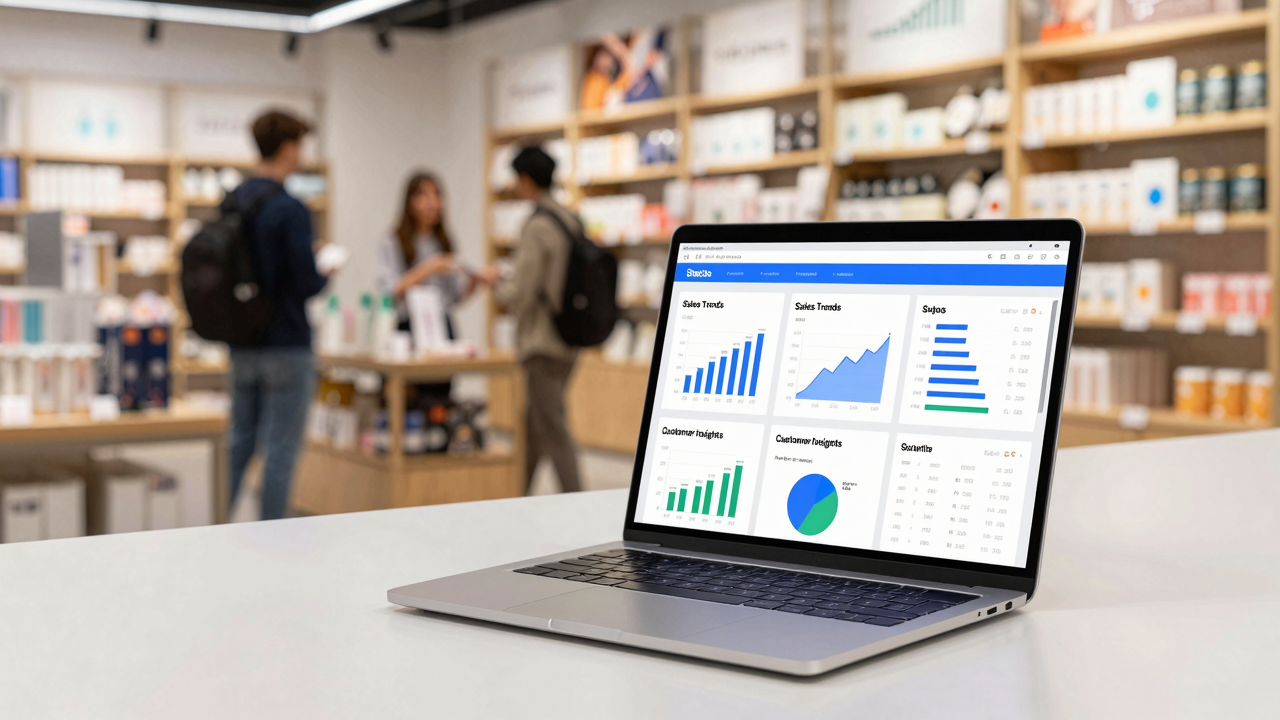
When you explore ThoughtSpot, you’ll find a powerful tool that makes data analytics straightforward and actionable.
With its AI-driven features, you can easily visualize important retail metrics and identify trends without needing technical skills.
Use its real-time reporting to spot anomalies and adjust strategies quickly, ensuring you stay ahead in a competitive market.
Key Features Overview
Discovering the key features of ThoughtSpot can transform how you approach retail analytics. This retail AI platform simplifies data engagement through its search-based interface, allowing you to ask questions in natural language.
With seamless integration into existing data sources like Snowflake and BigQuery, you can analyze sales and inventory across multiple channels. ThoughtSpot’s dashboard reporting software helps you create customizable dashboards to visualize key metrics, enhancing your decision-making process.
Its predictive analytics capabilities offer automated anomaly detection and forecasting, enabling you to proactively address trends. Utilize this customer analytics platform for effective marketing analytics solutions, and optimize pricing strategies with machine learning insights, ensuring you make informed decisions with your retail merchandising analytics solutions.
Enhanced Data Visualization
Enhanced data visualization is essential for revealing the full potential of your retail analytics. ThoughtSpot, a leading business intelligence platform, simplifies this process with its AI-driven analytics. By utilizing natural language queries, you can access complex data visualizations without needing SQL expertise. This functionality makes it one of the best retail analytics tools available.
With real-time data refresh capabilities, you’ll always have current insights at your fingertips. Customize your dashboards to integrate data from various sources, ensuring a unified view of your metrics.
Use these visual analytics tools to automate anomaly detection, allowing you to swiftly address unexpected shifts in sales or inventory. Leverage these features to enhance your customer data analytics tools and boost your retail performance.
Tableau: Visualizing Data for Better Decisions
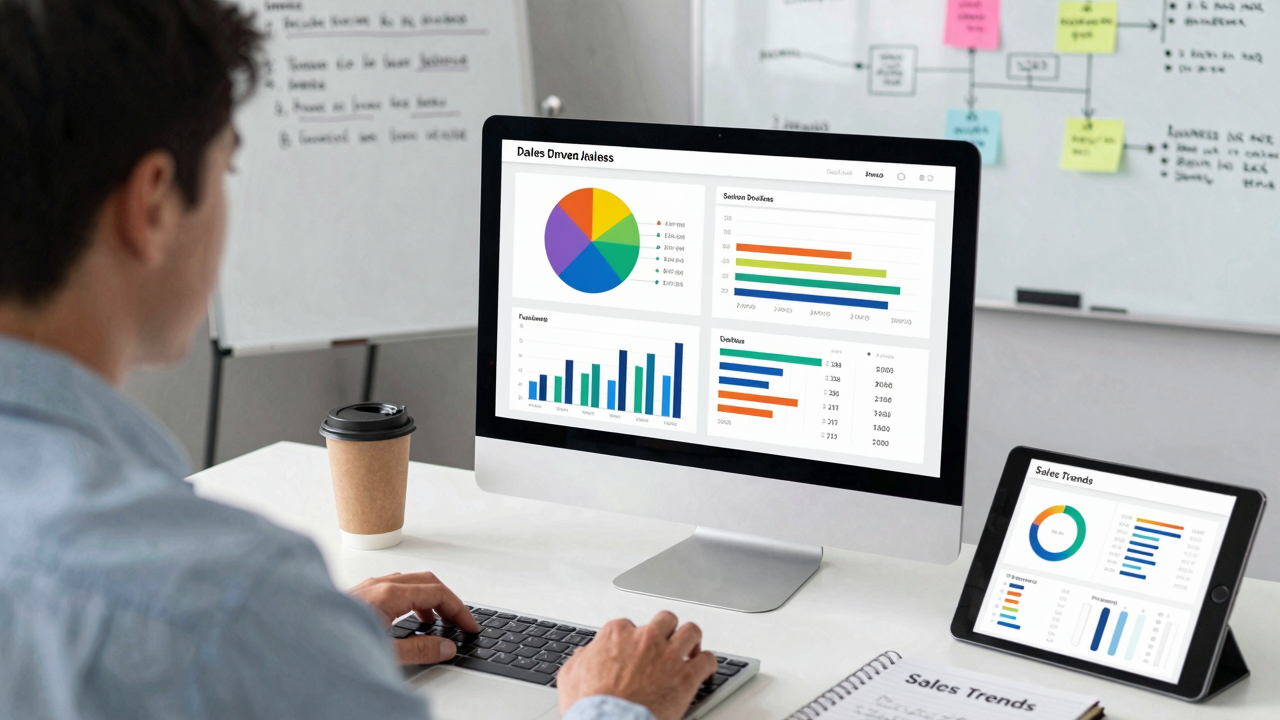
Whether you’re using it as a marketing analytics platform or for broader analytics applications, Tableau stands out among popular business intelligence software.
It helps you leverage data visualization for better decision-making in your retail operations.
Power BI: Business Intelligence for Retail
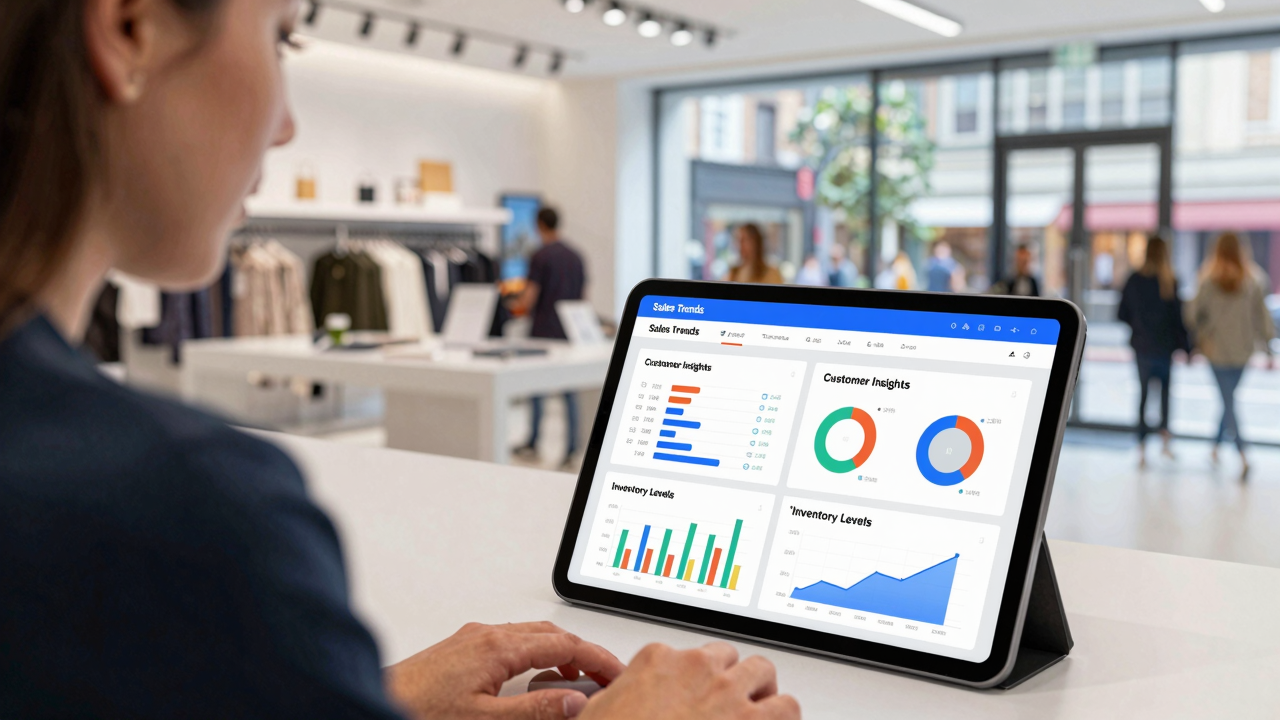
Power BI offers a robust solution for retail managers seeking to harness data for informed decision-making and operational efficiency. As a leading business intelligence tool, it integrates seamlessly into the Microsoft ecosystem, allowing you to access existing data sources easily.
With Power BI, you can leverage real-time data visualization to track sales trends and key performance metrics instantly. Its customizable dashboards cater to various roles in your retail organization, making it easier to focus on relevant data.
You can also utilize its AI-powered features, like natural language queries, to ask questions about your data in plain English, making analytics accessible for all staff. Whether you’re analyzing marketing data or optimizing inventory through retail store analytics, Power BI stands out as an effective sales analytics tool.
Pricing starts at just $10 per user per month, and a free version is available, letting you explore its capabilities without any initial investment.
Databricks Genie: Supercharging Retail Insights
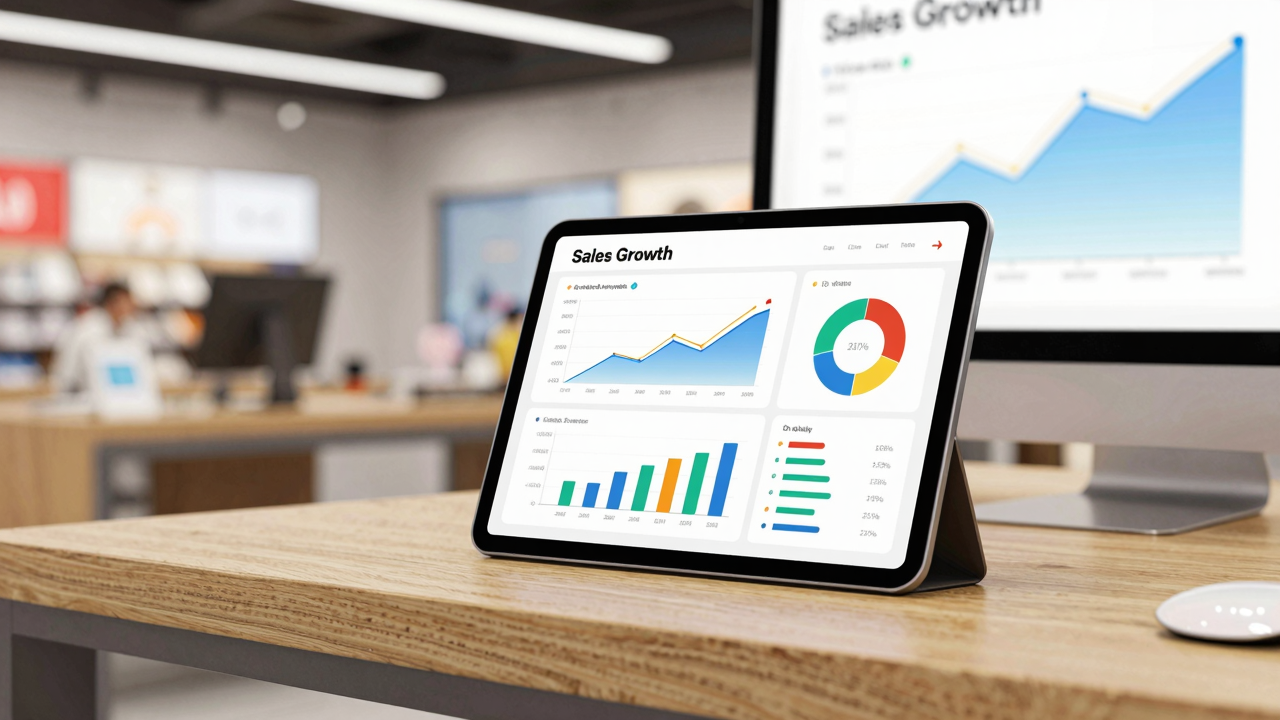
Databricks Genie simplifies access to retail insights by allowing your team to run queries in plain English, making data analysis more approachable for non-technical users.
This platform is a game-changer for Nielsen companies looking to enhance their BI analytics solutions.
Here are four key features of Databricks Genie:
- Automated Anomaly Detection: Get early alerts on unexpected shifts in sales trends or inventory levels.
- Real-Time Data Refresh: Confirm your insights are always current, adapting to dynamic market conditions.
- Seamless Integration: Connect effortlessly with data lakes and warehouses, streamlining your store analytics.
- Collaborative Features: Enable multiple users to analyze and share insights simultaneously, boosting team productivity.
With Databricks Genie, you’re equipped to harness powerful marketing data analytics software and other business intelligence tools and software, making it an essential choice for data analysis tools for small business.
Frequently Asked Questions
How Can Retailers Ensure Data Privacy With Analytics Tools?
To guarantee data privacy with analytics tools, start by choosing solutions that comply with regulations like GDPR or CCPA.
Implement strong encryption for data storage and transfer.
Regularly train your team on data handling best practices and create clear policies on data access.
Conduct audits to assess compliance and identify vulnerabilities.
Finally, anonymize customer data whenever possible to minimize risks while still gaining valuable insights from analytics.
What Are the Costs Associated With Implementing Retail Analytics Software?
Implementing retail analytics software can involve various costs. You’ll typically face initial setup fees, ongoing subscription costs, and potential customization expenses.
Training your staff is another significant investment. To manage these costs, compare different providers, look for scalable solutions, and consider free trials or demos.
Budget for maintenance and updates, too. Assess your specific needs to guarantee you choose a solution that provides good value without overspending on unnecessary features.
How Do Analytics Tools Integrate With Existing Retail Systems?
Analytics tools integrate with existing retail systems by using APIs to share data seamlessly.
First, assess your current systems to identify integration points. Then, choose analytics software that supports these connections.
You’ll typically import sales, inventory, and customer data, allowing you to analyze trends. Regularly update and synchronize data to guarantee accuracy.
Finally, train your team on using these tools, so everyone understands how to leverage insights for improved decision-making.
What Skills Are Needed to Effectively Use Retail Analytics Tools?
To effectively use retail analytics tools, you need strong analytical skills to interpret data, tech-savviness to navigate software, and a basic understanding of statistics.
Familiarize yourself with customer behavior patterns, inventory management, and sales forecasting.
Practice using data visualization tools to turn complex data into clear insights.
Collaborate with team members to share findings and apply recommendations.
Continuous learning about market trends will enhance your ability to make informed decisions.
How Can Small Retailers Benefit From Analytics Compared to Larger Ones?
Small retailers can gain significant advantages from analytics by focusing on their unique strengths.
You can analyze customer preferences and sales trends to tailor your offerings more precisely.
Use data to optimize inventory, reducing excess stock and costs.
Implement targeted marketing campaigns based on insights, which can boost customer engagement.
Finally, track performance metrics regularly to refine your strategies, ensuring you’re adapting quickly to market changes and maximizing your sales potential.
Conclusion
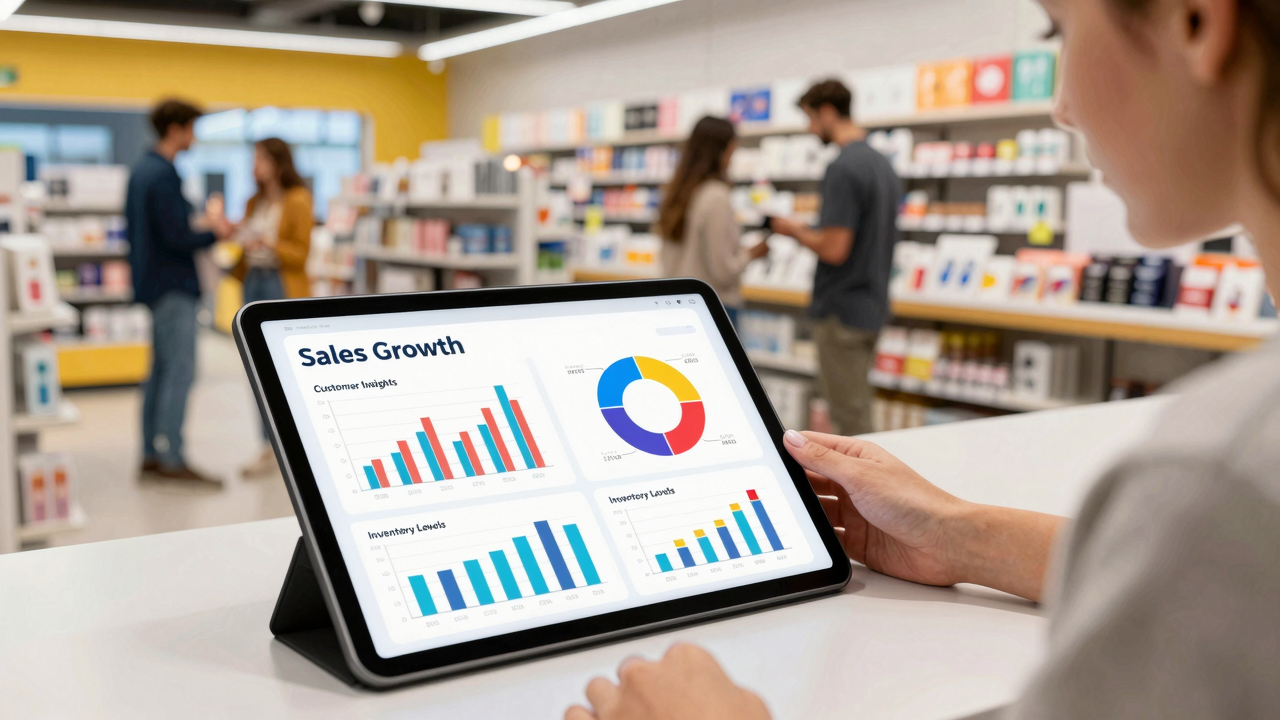
Incorporating the right retail analytics tools is essential for boosting your sales and optimizing operations. Start by evaluating your specific needs and selecting tools like Zenlytic for demand forecasting or Power BI for real-time insights. Focus on integrating these tools into your daily workflow to simplify data analysis. Regularly review performance metrics to adapt your strategies. By leveraging these analytics solutions, you can enhance inventory management, improve customer targeting, and ultimately increase profitability. Take action today to stay competitive.
Image via Google Gemini and Small Business Trends