


UK plans emergency powers to protect undersea cables
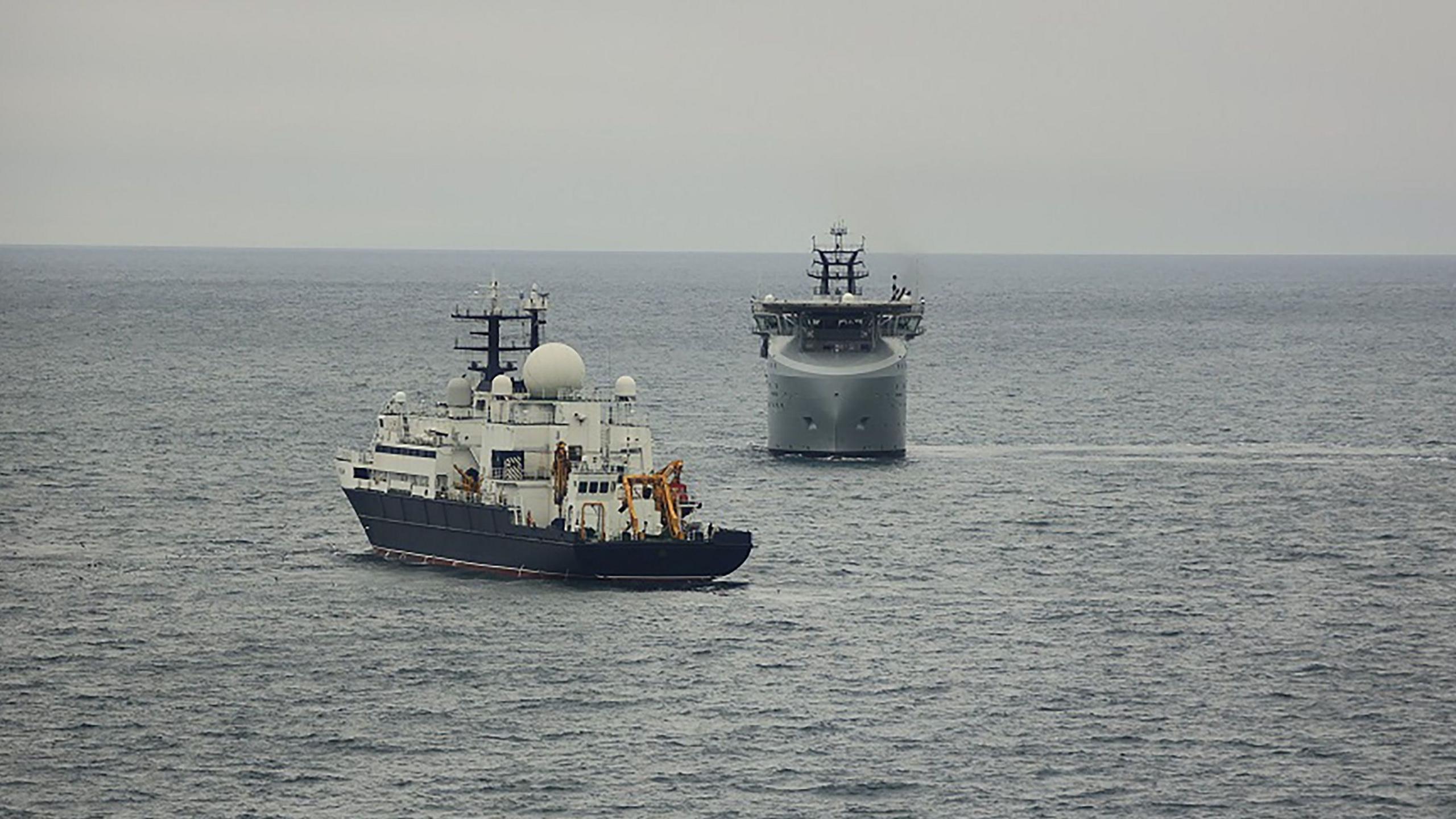 Image source, Royal Navy/PA Wire
-
Published
The government has outlined new measures to protect the UK’s undersea internet cables amid increased fears of Russian interference.
Ministers are set to gain powers to order telecom companies to remove or disable services during national security emergencies, as well as granting officials access to sites including cable landing stations.
The government has also outlined plans for stronger criminal penalties for those convicted of tampering with either undersea internet cables or energy pipelines.
The new powers would be backed up with prison sentences of up to 14 years for intentional conduct, 10 years for reckless conduct and two years for grossly negligent conduct, alongside unlimited fines.
It comes amid growing fears of suspicious activity in UK waters, and concerns that legal powers over the network have not kept pace with its growing importance to national security.
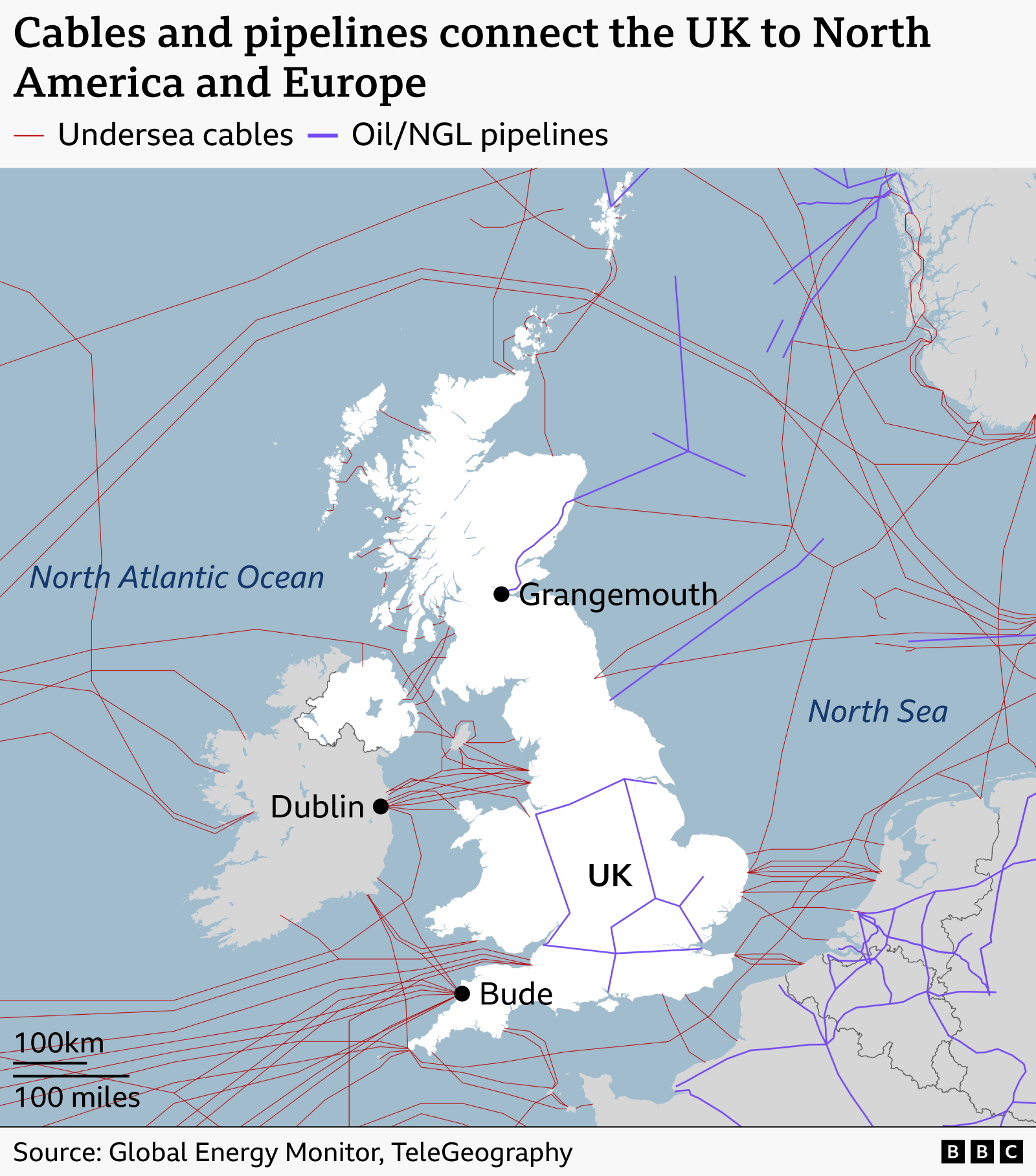
An extensive network of undersea cables and pipelines owned and operated primarily by the private sector are thought to carry almost all the UK’s international data traffic and three-quarters of its gas supplies.
The growing importance of undersea infrastructure prompted a parliamentary report last year, external to warn of security vulnerabilities in areas including transport and supply chains, financial services and payment systems.
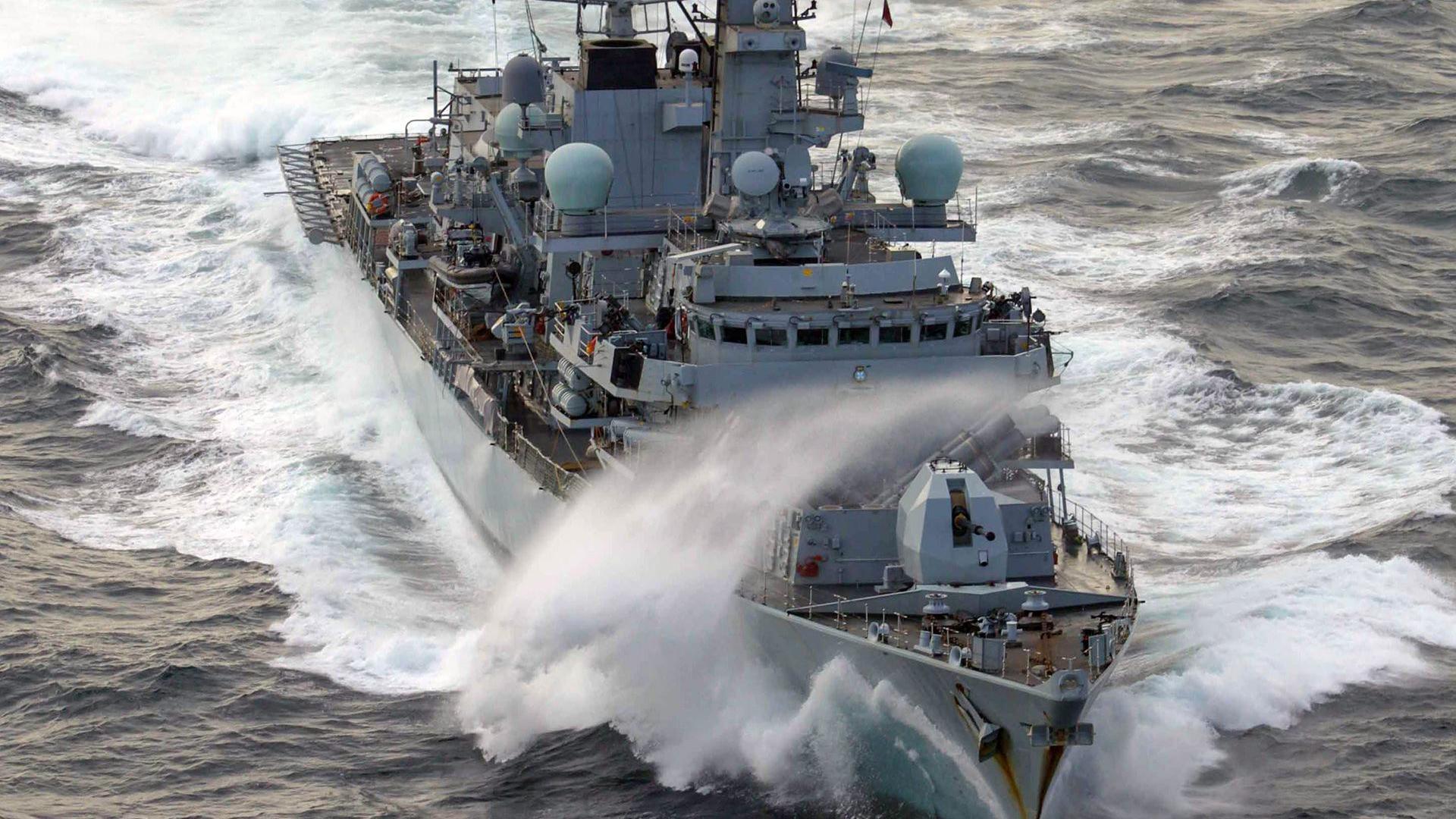
The UK and its Nato allies are concerned about the risk Russia poses to offshore infrastructure.
In April, the government accused Russian submarines of conducting a covert operation over cables and pipelines in waters north of the UK.
The UK has also accused Russia of mapping undersea infrastructure using spy ships. Last year, it revealed the Royal Navy had tracked one such suspected ship, the Yantar, after it passed near UK waters.
Russia has denied the claims, and accused the UK of stirring up tensions through “anti-Russian alarmism”.
In a policy paper on Thursday, the government said it currently lacked emergency powers to deal with incidents affecting undersea infrastructure.
It added there were currently no equivalent powers to measures that allow intervention in the water and air traffic sectors, whilst broader powers for national emergencies could prove too slow to exercise during a crisis.
It is now proposing new powers that would allow it to force telecoms companies to hand over information or modify or disable services in connection with specific threats or incidents.
The changes will require new legislation, to be set out after a consultation with industry closing in January.
Companies that refused to comply with the orders could be fined up to £17m or 10% of global turnover. The orders would typically be published, but could be made secret on national security grounds, it added.
The proposed powers are not intended to apply to companies operating energy infrastructure, although the document added that new powers in this area were being considered separately.
Ministers said they hoped the new powers would apply across the “full extent” of undersea services, including outside the UK’s territorial waters, which extend up to 12 nautical miles from the coast.
However, the document concedes this is likely to require co-ordination with other countries, adding that the government was considering how its proposals compare to equivalent regimes internationally.
It was also uncertain that existing laws on undersea infrastructure, dating from the Victorian period and designed for telegraphic cables, could be used for breaches of modern fibre-optic cables, the document added.
-
-
Published9 April
-
-
-
Published14 hours ago
-