
This post was originally published on this site.
US launches fresh wave of strikes as Iran says civilian infrastructure hit
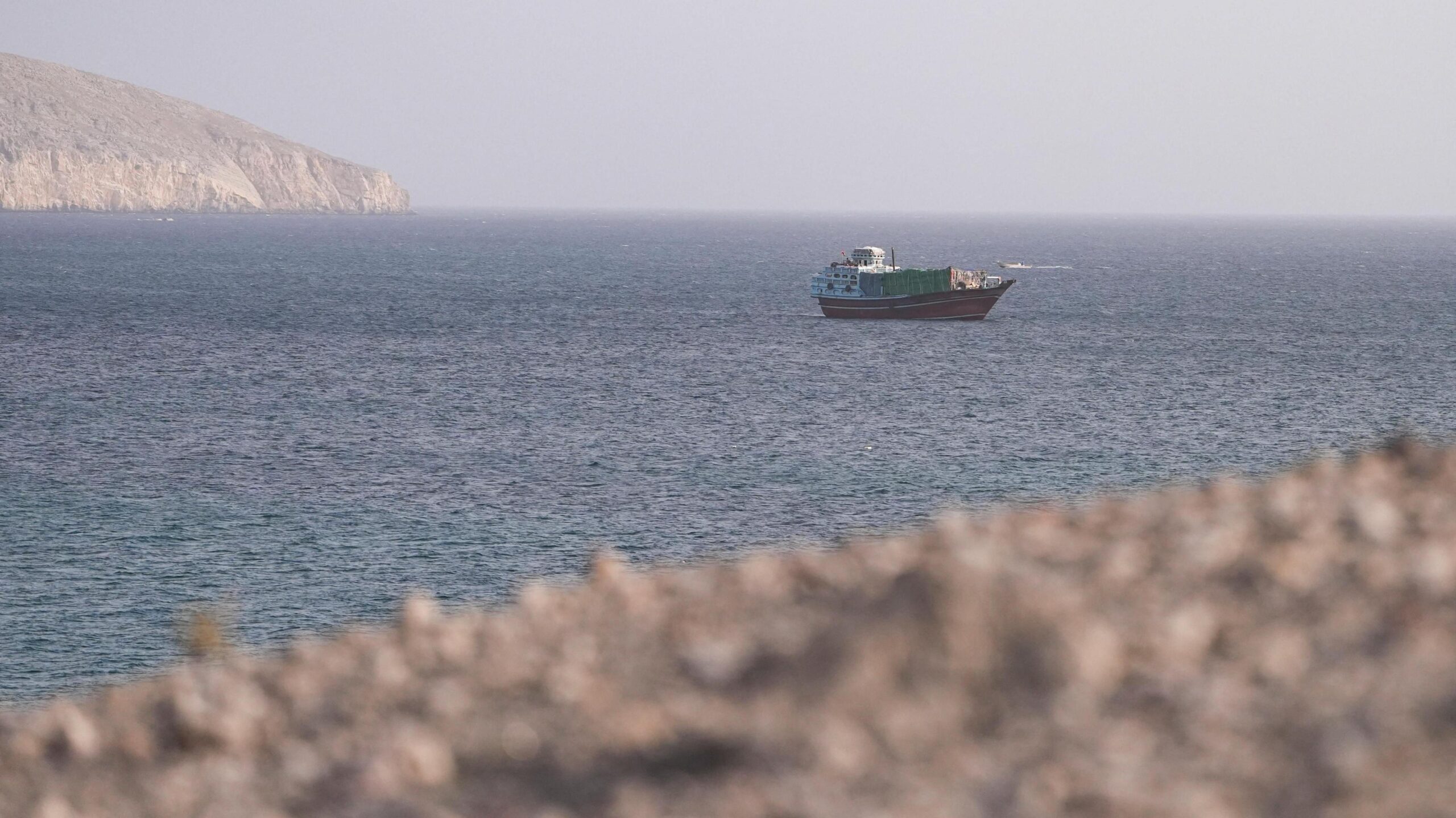 Image source, Reuters
-
Published
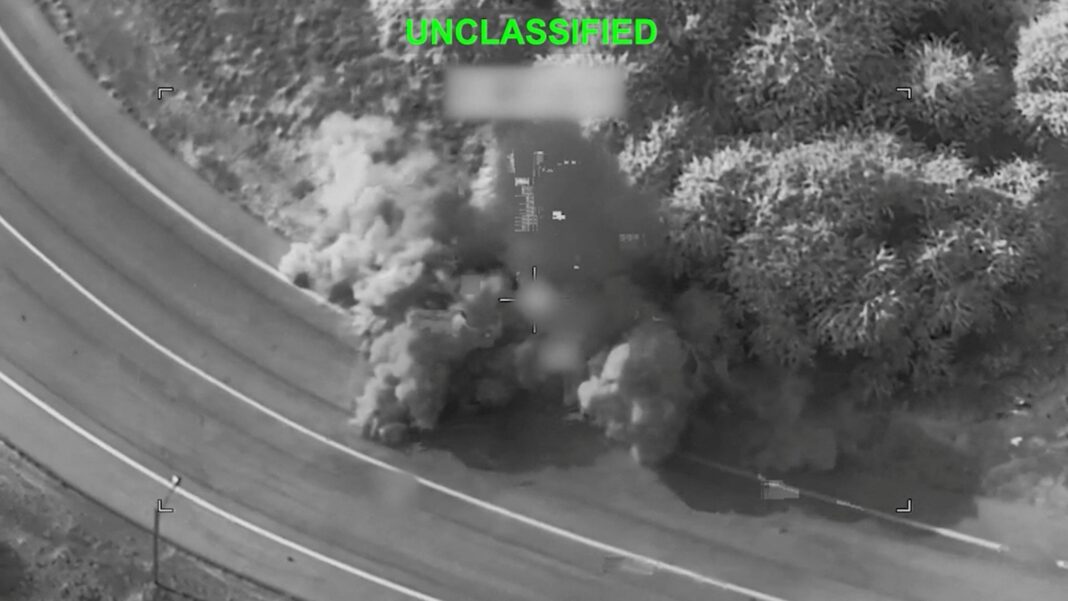
The US launched a wave of strikes against Iran for the sixth night in a row, its military said, as the two sides battled for control of the Strait of Hormuz.
US Central Command (Centcom) said the attacks were intended to “further degrade Iranian military capabilities”, before saying it had boarded a vessel as part of its blockade of the strait.
In an apparent escalation, Iran’s state media reported that the US had struck civilian infrastructure, including bridges, a train station and an airport. The BBC has verified an attack on one bridge to the west of Bandar Abbas in Hormozgan province.
The BBC has contacted the White House and Centcom for comment.
US missiles also struck close to the island of Qeshm, near the strait, as well as in Bandar Abbas and Bushehr – the site of a nuclear power plant.
Centcom did not mention bridges in its list of the “dozens of Iranian military targets” it hit in the latest round of strikes, which ended in the early hours of Friday.
It said jets, drones and ships had attacked “coastal surveillance and air defense sites, military logistics infrastructure, and maritime capabilities”.
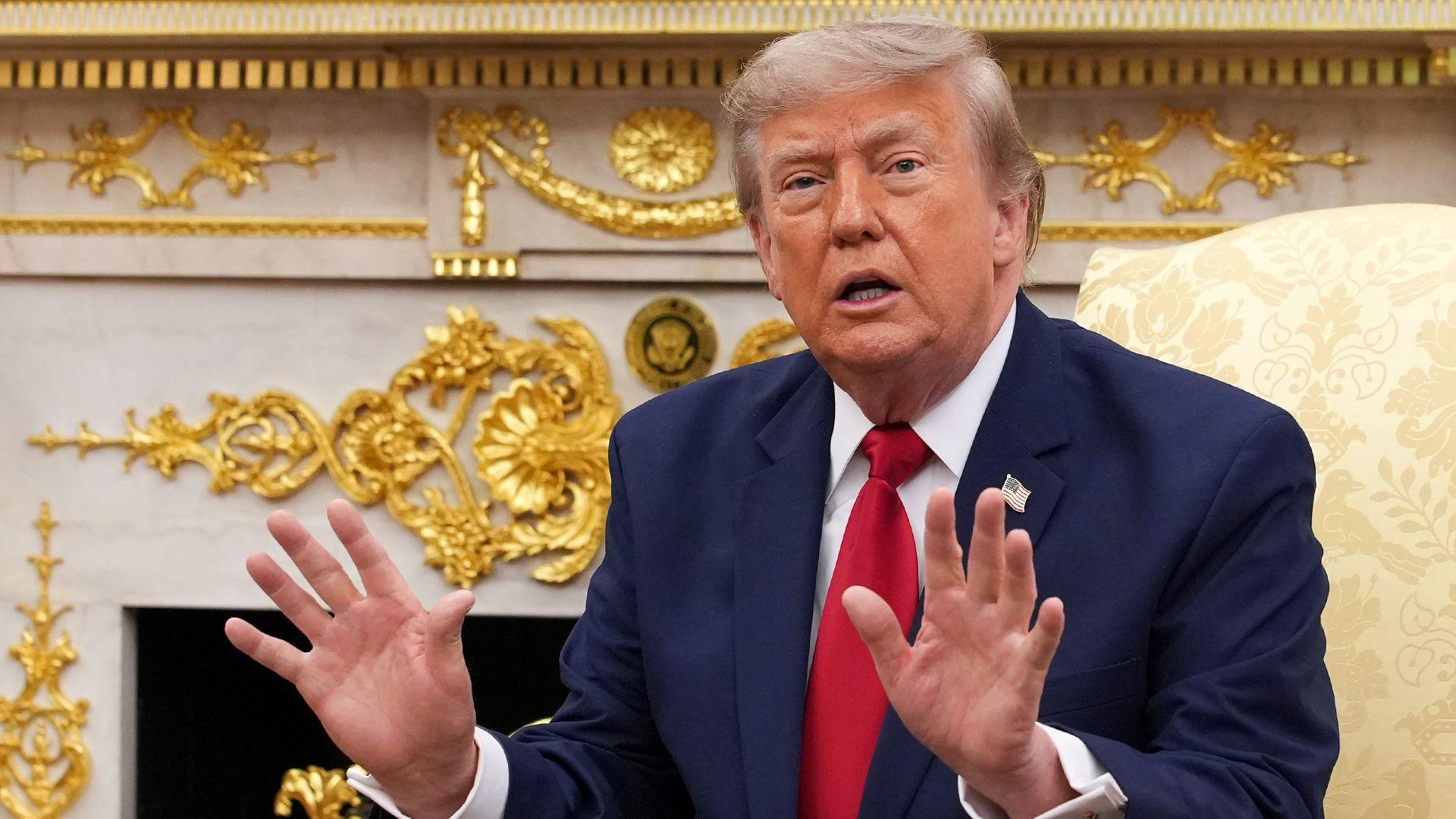
Earlier this week, US President Donald Trump threatened to strike Iran’s bridges and power plants if the country did not return to talks.
After Trump said in April that the US would bomb civilian infrastructure in Iran, including bridges and power plants, UN human rights chief Volker Türk said “deliberately attacking civilians and civilian infrastructure is a war crime”.
The 1949 Geneva Conventions on humanitarian conduct in war prohibit attacks on sites considered essential for civilians.
Iran said on Friday it had targeted US military infrastructure in Kuwait and Bahrain after it accused Washington of targeting Iranshahr Airport in southeastern Iran, a railway station in coastal Bandar Khamir as well as five bridges in the port city.
Seven people were killed in the strikes, state news agency IRNA reported.
Centcom also said marines had boarded an oil tanker in the Gulf of Oman as part of the renewed US blockade of Iran’s ports that began on Tuesday night.
It added it had “redirected 3 commercial vessels trying to run the blockade”.
According to Centcom, US forces disabled nine ships and redirected more than 140 under its previous blockade of Iranian ports between 13 April to 18 June.
As the renewed hostilities further strained the preliminary deal to end the war, White House press secretary Karoline Leavitt said on Thursday that Trump remained open to talks with Iran.
“The president will hold them accountable when they turn their back on the words that they state to the United States. But he is always open to diplomacy at the very same time,” she told reporters.
She said Iran has expressed it still wants to make a deal with the US, adding: “We’re talking to them, but again, the president is not going to allow them to fire on ships in the strait without paying a consequence for that.”
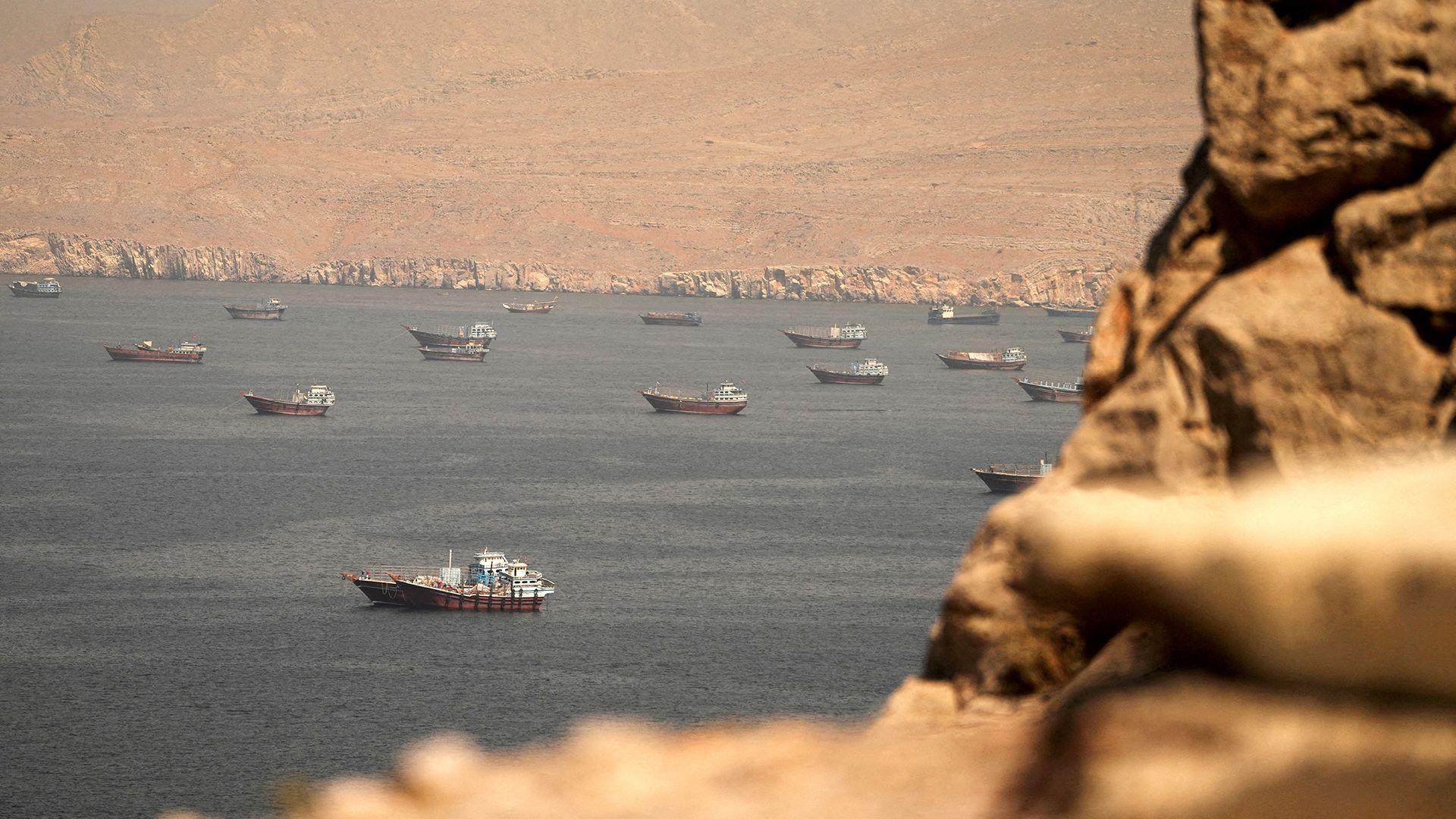
As attacks escalate, the Strait of Hormuz – a critical waterway off Iran’s coast that Tehran effectively blocked in response to US-Israeli strikes – has remained shut.
That has impacted the flow of oil from the region and the head of the International Energy Agency, Fatih Birol, says he has concerns about global energy supplies.
“We should be worried, and I am worried, if the situation does not improve in the next few weeks,” Birol said on Thursday night.
Earlier on Thursday, Tehran said it had struck US military bases in Jordan, Kuwait and Bahrain, while the US said it had inflicted a six-hour wave of strikes on multiple locations in the strait.
Those exchanges came after Trump warned Iran it had “better behave” or face further military action should Iran not return to negotiations.
Iran’s top negotiator, Mohammad Bagher Ghalibaf, told state media that Tehran had “no reason” to abide by any agreement that did not benefit the country.
He added that Iran’s national security depended on maintaining what he described as “Iranian arrangements” in the Strait of Hormuz.
Meanwhile, Trump on Wednesday praised Iran for freeing Dena Karari, a US detainee that he said had been “wrongfully detained” in December 2024.
“The United States of America appreciates this gesture of Goodwill by Iran!” Trump wrote on Truth Social.
Karari’s attorney Jared Genser said she was on her way back to the US.
However, Iran’s judiciary on Thursday said that no US prisoner had been released or exchanged from its prisons, Iranian state media reported.
-
-
Published1 day ago
-
-
-
Published2 days ago
-