
This post was originally published on this site.
‘It was like I wasn’t on the pitch. I was so consumed with how horrific I felt, and I just wanted it all to stop’
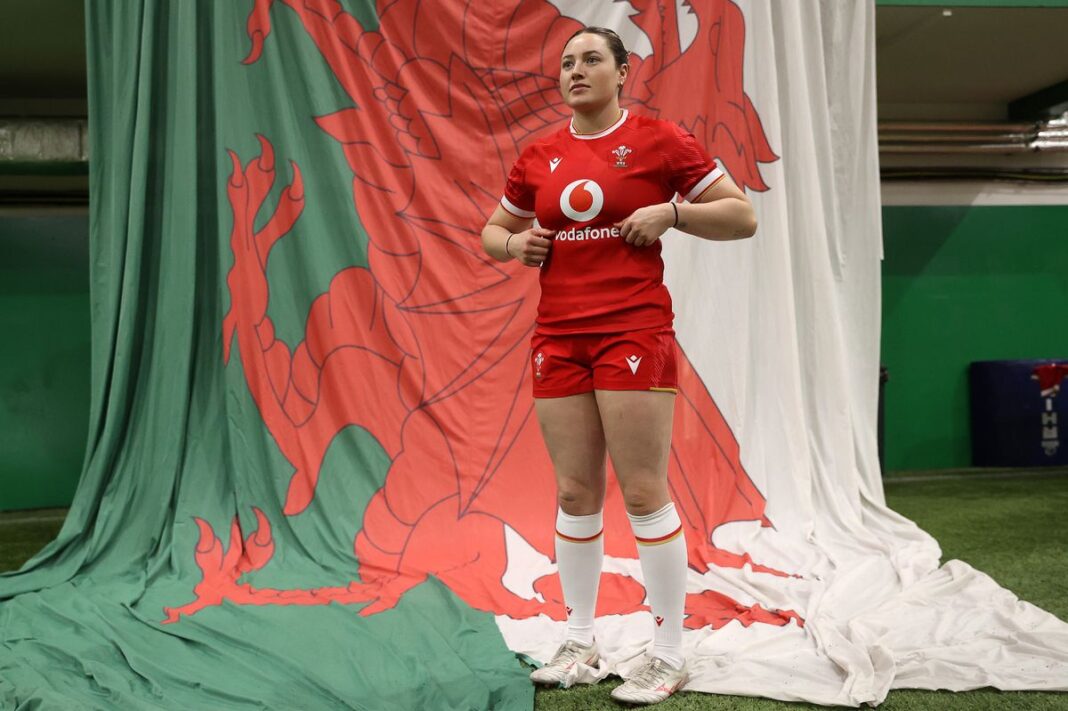
Wales Women international Gwen Crabb has opened up about living with endometriosis, admitting she “couldn’t think straight” during one of the biggest matches of her career as the debilitating symptoms took hold.
The chronic condition, in which cells similar to the lining of the uterus grow in other parts of the body – including the ovaries – causes severe pain and fatigue, with symptoms including crippling period cramps and heavy menstrual bleeding. While one in 10 women live with it, it takes an average of seven years for most women to be diagnosed with endometriosis.
Crabb, who recently returned to Wales from Gloucester-Hartpury to captain Celtic Challenge side Brython Thunder, had symptoms for over 10 years, experiencing heavy periods and debilitating menstrual pain which she described as “horrific”.
The condition not only affected her day-to-day life but impacted her ability to play at her best on the pitch. During last year’s Women’s Rugby World Cup, the pain “consumed” her and became impossible to ignore, leading her to open up to her coaches about the symptoms she was experiencing.
“I was lucky not to get lots of yellow cards when we played Canada in the pool stages,” Crabb told RugbyPass. “That was the worst my endometriosis has ever impacted my playing abilities.
“I was high tackling people, and I couldn’t think straight at all. It was like I wasn’t on the pitch. I was so consumed with how horrific I felt, and I just wanted it all to stop.
“During a World Cup Test match, you should be so focused and always thinking about the next job, especially as Canada were scoring lots of points against us. That game was the turning point in getting help and explaining my symptoms to my coaches.
“I was functioning at around 20% of my ability and that’s not good for me, for the team or for my confidence,” she added. “We had a conversation about endometriosis, and they realised how much it was affecting me as a person and also as a player. It was massive weight off of my shoulders talking to our head coach, Sean Lynn, and the team doctors about it.”
After experiencing symptoms from when she had her first “extremely painful” period at 14, Crabb’s symptoms were masked by going on the pill when she turned 18. However, after making the decision to come off it again four years later in order to be more in tune with her hormones, the “horrific” pain started again, leaving her “in agony” while bad flare-ups even caused her to vomit.
However, after growing close with her Wales team-mate Ffion Lewis – a fellow endometriosis sufferer – and launching a podcast together, the 26-year-old said the “cogs in [her] brain started whirring” as she realised that she may have the condition too.
Following that realisation, she went to the doctors to tell him, but was told in response that they would put her back on the pill again, leaving her “so frustrated and disappointed”.
However, tests required by Wales’ medical team led Crabb to be referred to gynaecology and she underwent an internal ultrasound and MRI scans, which delivered a definitive result of stage four endometriosis, present in multiple areas of her body.
“[They said] ‘Yep, you’ve got big endometrial cysts on both ovaries and the right one is large and filled with blood. Ring the GP for the next steps’,” she recalled.
“It was said so blasé. I went to the toilet and burst out crying. It was so overwhelming. I was so scared and overwhelmed but also relieved to have an answer. I felt very lucky that through rugby I was able to go privately for my diagnosis – otherwise I’d still be waiting now.”
After receiving the diagnosis, Crabb is now trying to navigate life by balancing her rugby career with managing her condition, something which is easier said than done.
“I’m a very logical person and so I wanted to think of ways to manage my symptoms after the initial emotion subsided,” she said. “The first two things the doctors tell you to focus on are diet and exercise, and when you’re a professional athlete, your diet tends to be pretty good and your exercise is taken care of.
“However, endometriosis is an inflammatory condition, and rugby is a sport that encourages inflammation. That’s been a big learning curve and I’m trying to find ways to recover twice as hard now – to calm down the inflammation from games but also from the endo.
“One of my biggest triggers is really high intensity exercise and you can’t get much higher intensity than Test rugby. Before a match day, I’m piling in as many carbs as I can because I need to eat around 4,000 calories and that’s hard to do without some processed food. How do I fuel myself to perform without giving myself more pain?”
With surgery planned for after the upcoming Women’s Six Nations, Crabb – who has already faced multiple injury setbacks in her career to date – is facing more time on the sidelines, but says she is taking things “a step at a time”.
“I get hit in the abdomen for a living!,” she said. “I can’t just return to a contact sport within a couple of weeks post-surgery. There’s no controlled study of how quickly women have recovered from endo surgery and then played rugby!
“It’s such a learning curve and rollercoaster but I’m taking things a step at a time and surrounding myself with good people.”
Follow all of our channels to ensure you stay up to date with the latest Welsh rugby news. Sign up to our free daily newsletter here and our WhatsApp channel here for all the breaking news.