

Developmental comments are tools you can use to guide your team’s growth. They focus on strengths and areas needing improvement, helping employees align their goals with the organization’s objectives. To make them effective, provide clear, actionable suggestions that encourage reflection. For instance, instead of saying, “You need to improve,” you might say, “Try collaborating more with your peers on projects.” Understanding how to craft these comments can enhance team dynamics and boost engagement, so let’s explore the best techniques next.
Key Takeaways
- Developmental comments focus on guiding employee growth by identifying strengths and areas for improvement, fostering continuous skill enhancement.
- They differ from evaluative feedback by promoting future aspirations rather than simply assessing past performance.
- Constructive feedback builds trust, enhances communication, and creates a supportive workplace culture, leading to increased job satisfaction.
- Effective feedback strategies include providing actionable steps and regularly discussing progress toward developmental goals.
- Developmental comments encourage reflection, empower employees, and contribute to career development and retention efforts.

Developmental comments are essential tools for guiding your growth and enhancing your skills at work. They provide constructive feedback aimed at helping you identify your developmental needs and achieve your developmental goals in the workplace. Instead of merely reflecting on past performance, these comments focus on your strengths and areas for improvement, giving you actionable suggestions for future success.
To make the most of developmental comments, first, reflect on the feedback you receive. Note specific areas where you can enhance your skills or fill gaps.
Set clear developmental goals based on these insights, and create an action plan to address them. Engage with your manager or peers to discuss your progress regularly, ensuring you feel supported in your learning journey.
Why Is Constructive Feedback Essential in the Workplace?

Constructive feedback is essential for promoting employee growth and enhancing team collaboration. By identifying specific areas for improvement, you help teammates align their efforts with organizational goals, which boosts overall job satisfaction.
Regular feedback also strengthens communication and fosters a supportive environment, making it easier for everyone to work together effectively.
Promote Employee Growth
Feedback plays an essential role in promoting employee growth. When you provide constructive feedback, you help identify skill gaps and areas for improvement, paving the way for continuous learning.
Use specific development goals examples, like improving time management or mastering a new software tool, to guide your team. Encourage employees to set employee development objectives examples that are SMART—Specific, Measurable, Achievable, Relevant, and Time-bound.
This structured approach boosts their motivation and aligns their efforts with company goals. Regular feedback fosters open communication, making employees feel valued and supported, which enhances workplace culture.
Enhance Team Collaboration
Effective communication within a team can greatly enhance collaboration and productivity. Constructive feedback is key to achieving this. By fostering open communication, you help guarantee team members feel valued and heard, aligning their efforts with development objectives at work.
Regular feedback allows you to identify areas for improvement, which can directly support team development goals. For example, if a member struggles with a task, providing specific feedback can offer opportunities for growth, encouraging them to learn from challenges.
Teams that embrace continuous feedback are proven to be 14% more productive. So, prioritize regular check-ins and discussions. This not only boosts morale but also leads to higher job satisfaction and better overall performance, making your team more effective in reaching its goals.
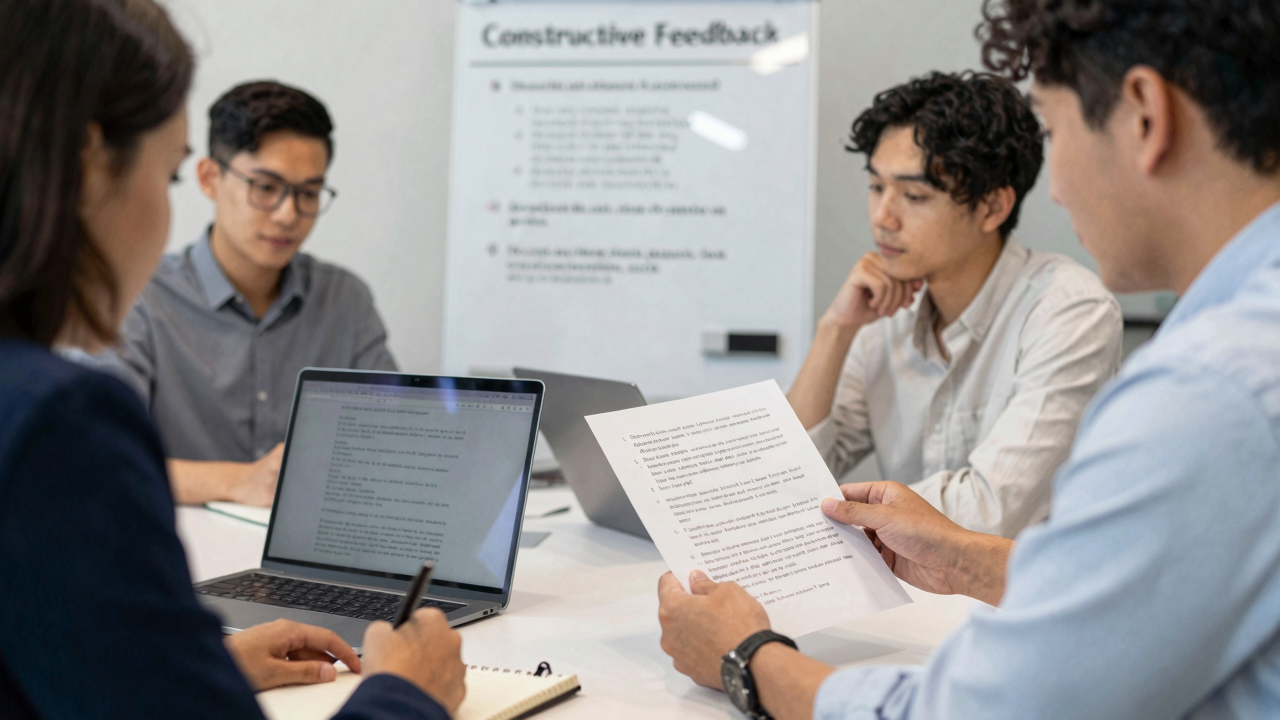
While both developmental comments and evaluative feedback aim to improve performance, they serve different purposes in a workplace context. Developmental comments focus on future growth and individual aspirations, helping you set good development goals for employees. For example, if you identify areas of development at work, like communication skills, you can create actionable steps tailored to each employee’s needs.
On the other hand, evaluative feedback assesses past performance against established standards, often highlighting shortcomings. This type of feedback can feel critical and standardized, lacking the personalized touch of developmental comments.
Instead of merely measuring compliance with company expectations, developmental comments empower employees to take charge of their growth. They provide specific development goals examples, encouraging individuals to enhance skills and pursue continuous improvement.
How Developmental Feedback Fosters Growth

Developmental feedback plays a pivotal role in helping employees grow by pinpointing skill gaps and offering clear, actionable steps. By identifying areas of development at work, you can create a tailored growth and development plan that aligns with your career aspirations.
For example, if you struggle with time management, set a SMART goal like improving task prioritization by dedicating 15 minutes daily to plan your work. Regular feedback sessions reinforce this process, keeping you accountable and motivated.
They also encourage a culture of support, where you feel valued and empowered to seek further growth opportunities. To enhance your engagement, ask for specific development goals examples from your manager, ensuring that the feedback you receive is relevant and constructive.
This ongoing dialogue not only fosters continuous improvement but also strengthens your commitment to personal and professional development.

When you’re delivering developmental comments, start with active listening techniques to guarantee you fully understand the other person’s perspective.
Use constructive language that focuses on their strengths and potential solutions, rather than just pointing out what went wrong.
Active Listening Techniques
Effective active listening techniques can greatly enhance how you deliver developmental comments. Start by using paraphrasing and summarizing to guarantee your feedback is understood.
Incorporate open-ended questions to encourage employees to share their thoughts, which makes for a more engaging conversation. Maintain eye contact and use positive body language to show you’re attentive, creating a supportive environment.
Practice reflective listening by mirroring the speaker’s emotions; this validates their experiences and makes them more open to feedback. Don’t forget to incorporate pauses—this gives employees time to process your comments and respond thoughtfully.
With these active listening techniques, you can effectively guide discussions on development goals examples at work and set good developmental goals for work.
[embedded content]
Constructive Language Choices
Here’s a quick reference table for effective language choices:
| Feedback Type | Example Statement | Purpose |
|---|---|---|
| Strength Acknowledgment | “You did well on this project.” | Build confidence |
| Area for Improvement | “I noticed you struggled with deadlines.” | Encourage growth |
| Collaborative Dialogue | “What strategies do you think might help?” | Foster engagement |
Incorporate these techniques into your performance development plan examples to guarantee clear communication.

To improve your feedback skills, consider using specific examples that highlight both strengths and areas for growth. Effective developmental comments focus on observable behaviors, guiding improvement rather than criticizing.
Here are some examples you can use:
- “Enhance your presentation skills by practicing in front of peers for real-time feedback.”
- “Aim to complete your project two days early next quarter; this will help you manage your time better.”
- “I appreciate your strong teamwork; however, let’s work on making communication clearer to avoid confusion.”
- “For your next report, try to incorporate data visualization; this will strengthen your overall comments on goal achievement.”

Developmental comments play a pivotal role in shaping team dynamics by fostering a culture of openness and growth. When you provide constructive feedback that highlights strengths and areas for improvement, you create development opportunities for employees. By focusing on future growth, you empower your team members to set and achieve individual performance goals and developmental goals.
To enhance team dynamics, make it a habit to incorporate developmental comments in your regular interactions. This practice builds trust and improves communication, leading to stronger relationships and better collaboration. When employees feel valued and supported, motivation and engagement naturally increase.
Encourage your team to share feedback with one another, reinforcing a culture of continuous improvement. Regularly discuss their progress toward developmental goals.

Boosting employee engagement starts with providing clear, actionable feedback that focuses on growth.
Developmental comments empower you to take ownership of your development, enhancing motivation and job satisfaction. Here are four ways they can boost engagement:
- Identify Specific Areas for Improvement: Use examples of developmental goals to guide discussions, making it easier for employees to see their path forward.
- Offer Actionable Steps: Create a roadmap for success by outlining clear development opportunities for employees, ensuring they know what’s next.
- Cultivate Trust: Regular, personalized feedback builds rapport between you and your team, fostering a more positive workplace culture.
- Support Retention: When employees feel valued and supported through an employee career development plan, they’re less likely to seek opportunities elsewhere.
Incorporating these strategies into your feedback process can greatly elevate engagement levels and overall satisfaction.
Frequently Asked Questions

Developmental comments are constructive feedback aimed at helping you improve your performance and skills. They focus on your future potential, highlighting areas for growth and providing actionable steps.
To effectively use them, first identify specific skills you want to enhance. Then, seek feedback regularly from your manager or peers. Use this feedback to set measurable goals, track your progress, and engage in open discussions about your development.
This proactive approach will boost your career growth.
In your performance review comment, focus on specific achievements. Highlight contributions like “You increased sales by 20% last quarter,” and emphasize teamwork by noting, “You collaborated effectively on projects.”
Balance this with constructive feedback, such as, “Consider improving your time management to enhance productivity.”
[embedded content]
Tailor your comments to align with your goals and the organization’s objectives, ensuring they reflect your growth and commitment to improvement.
Keep the tone supportive and forward-looking.
[embedded content]
Why Is Developmental Feedback Important?
Developmental feedback is important because it helps you identify areas for improvement and encourages you to take proactive steps in your growth.
By focusing on future skills, you can enhance your performance and job satisfaction.
Regular check-ins create an open environment for discussing challenges and aspirations. This support boosts engagement and reduces turnover.
Make sure to seek feedback regularly, reflect on it, and apply what you learn to foster continuous improvement.
In an appraisal comment, don’t say vague statements like “You need to improve,” or personal attacks such as “You always mess things up.”
Avoid comparisons to colleagues, like “You’re not as good as others,” and steer clear of absolutes, such as “You never complete tasks on time.”
Instead, focus on specific behaviors and balance criticism with recognition of strengths, creating a constructive atmosphere that encourages growth and improvement.
Conclusion

Incorporating developmental comments into your workplace can greatly enhance growth and engagement. To make this effective, focus on specific strengths and areas for improvement, and deliver feedback in a supportive manner. Encourage open dialogue, and make sure to follow up on previous suggestions. By consistently providing constructive feedback, you’ll help build a culture of collaboration and trust. Remember, regular, actionable insights empower employees, aligning their personal goals with the organization’s objectives for mutual success.
Image via Google Gemini and Small Business Trends