

This post was originally published on this site.
Loyalty programs and rewards are integral strategies businesses use to maintain customer engagement. They encourage repeat purchases by offering incentives like points or discounts. Whereas loyalty programs focus on cultivating long-term relationships through tiered benefits, rewards programs provide immediate perks that drive quick spending. Comprehending these differences can help you assess which program might benefit your shopping habits. Let’s explore how these programs work and their potential impact on your consumer experience.
Key Takeaways
- Loyalty programs encourage repeat business by offering structured rewards, enhancing customer retention and satisfaction.
- Rewards programs provide immediate incentives like points or discounts to motivate repeat purchases.
- Common types include points-based, tiered, paid membership, and engagement-based programs.
- Effective loyalty programs foster emotional connections and personalized experiences, driving long-term brand loyalty.
- Redemption processes allow customers to exchange points for discounts or exclusive offers, increasing engagement.
Understanding Loyalty Programs

Loyalty programs serve as essential marketing strategies that, when implemented effectively, can considerably boost customer retention. A loyalty program is defined as a structured system designed to reward customers for their continued patronage.
The benefits of loyalty cards for customers are significant; they often receive discounts, free products, or exclusive offers, enhancing their shopping experience. Among the advantages of customer loyalty programs, research indicates that 85% of consumers feel these programs increase their likelihood of shopping with a brand.
There are various types of loyalty programs, including points-based systems, tiered rewards based on spending levels, paid programs like Amazon Prime, and value-based programs supporting charitable causes.
Successful examples, such as Starbucks Rewards and Sephora’s Beauty Insider, illustrate how these programs can effectively engage customers, ultimately promoting trust and loyalty as they enhance overall customer experience.
Definition of Rewards Programs

Rewards programs are structured systems that provide customers with immediate incentives, like points or discounts, based on their purchases.
These programs not just encourage repeat buying through tangible benefits but additionally vary in type, each designed with specific goals and implementation strategies.
Comprehending the different types, benefits, and how to effectively implement these programs can greatly improve your business’s customer engagement and sales.
Types of Rewards Programs
When you shop at your favorite stores, you might notice various programs designed to provide benefits in exchange for your patronage. These loyalty rewards programs come in different types, each with distinct advantages of loyalty schemes. Here’s a quick overview of common types and how do loyalty programs work:
| Type | Description | Example |
|---|---|---|
| Points-Based | Accumulate points for purchases to redeem for rewards. | Starbucks Rewards |
| Tiered | Levels of benefits based on spending amounts. | Sephora Beauty Insider |
| Paid Membership | Customers pay a fee for exclusive benefits. | Amazon Prime |
| Engagement-Based | Earn points for actions beyond purchases. | Ulta’s referral program |
| Hybrid | Combines multiple elements for a thorough approach. | Target Circle |
These are some of the best retail loyalty programs you’ll find.
Benefits of Rewards Programs
Many shoppers appreciate the benefits that rewards programs offer, as these initiatives are designed to provide immediate, tangible advantages for their purchases. You can enjoy perks like cash back, discounts, or redeemable points, which incentivize you to make repeat purchases.
As the benefits of loyalty schemes often create a deeper emotional connection, rewards programs focus on transactional relationships, driving immediate sales and customer engagement. The advantages of loyalty cards usually come from personalized experiences, but rewards programs deliver uniform benefits to all customers.
[embedded content]
Companies benefit from these programs by increasing purchase frequency and boosting short-term revenue. The effectiveness of loyalty programs may vary, but rewards programs can quickly motivate higher spending through enticing incentives.
Implementation Strategies for Rewards
Implementing a successful rewards program requires strategic planning and a clear comprehension of your customer base. To start a loyalty program, first identify your customers’ preferences and behaviors. This insight helps you tailor rewards that resonate with them, enhancing engagement and retention.
[embedded content]
Consider using a loyalty marketing platform that simplifies tracking points and redemption processes, maximizing loyalty program benefits. When designing your rewards, focus on immediate incentives, like redeemable points for discounts or exclusive offers. This encourages quick purchases and repeat transactions, leveraging the advantages of customer loyalty.
Analyze the effectiveness of your program regularly to refine it, ensuring that it continues to meet your customers’ needs and drives increased spending over time.
Key Differences Between Loyalty and Rewards Programs

When you compare loyalty and rewards programs, you’ll notice some key differences in their approach.
Loyalty programs aim to create emotional connections with customers, encouraging long-term brand loyalty, whereas rewards programs focus on providing immediate transactional benefits for purchases.
Comprehending these distinctions can help you choose the right strategy to engage with your customers effectively.
Emotional Connection Focus
Even though both loyalty programs and rewards programs aim to improve customer retention, their underlying approaches differ greatly, especially in cultivating emotional connections.
Loyalty programs focus on building emotional ties, whereas rewards programs provide immediate benefits. Here are some key aspects of loyalty programs:
- Personalized experiences that cater to individual preferences, enhancing emotional engagement.
- Long-term brand loyalty that encourages customers to stick with a brand even without tangible rewards.
- Customer segmentation strategies that promote deeper emotional connections.
The importance of loyalty programs lies in their ability to create lasting relationships, exemplified by the benefits of customer loyalty programs.
Research shows that 85% of consumers believe these programs increase their likelihood of shopping with a brand, highlighting their effectiveness in building customer loyalty.
Transactional Incentives Comparison
How do loyalty programs and rewards programs differ in their approach to customer incentives? Loyalty programs focus on nurturing long-term emotional connections, whereas rewards programs target immediate transactional incentives, like redeemable points or discounts.
The advantages of loyalty cards for customers often include personalized experiences through customer segmentation, enhancing overall satisfaction. Conversely, rewards programs typically offer uniform benefits, appealing to those seeking quick gratification.
Research shows that loyalty programs can certainly increase sales by encouraging deeper customer relationships, whereas rewards programs drive immediate purchases but may not sustain brand loyalty over time.
Ultimately, the choice between loyalty programs and rewards depends on your business goals, whether you aim for lasting customer loyalty or immediate sales boosts through customer loyalty plans.
Long-Term vs. Immediate Benefits
Loyalty programs and rewards programs represent two distinct approaches to customer incentives, each with its unique focus and benefits.
During loyalty programs cultivate lasting relationships based on emotional connections, rewards programs offer immediate transactional benefits.
Here are key aspects to reflect on:
- Loyalty programs encourage deeper engagement and customer lifetime value.
- Rewards programs focus on quick motivations like redeemable points or discounts.
- Customer loyalty campaigns often utilize segmentation for personalized experiences.
Ultimately, the benefits of customer loyalty stem from sustained emotional ties, enhancing retention over time.
Conversely, rewards programs may lead to instability as customers chase immediate benefits, often overlooking long-term brand allegiance.
Comprehending these differences can help you choose the right strategy for your business.
Benefits of Loyalty Programs

Many businesses find that implementing loyalty programs can greatly benefit their bottom line. These programs improve customer retention by rewarding repeated patronage, eventually leading to increased customer lifetime value. Research shows that 85% of consumers believe loyalty programs influence their shopping choices, making them crucial for driving repeat business.
Additionally, loyalty rewards can be personalized using customer data, creating customized experiences that resonate better with individual preferences. This level of personalization can differentiate brands from competitors and cultivate deeper emotional connections, encouraging word-of-mouth marketing.
Moreover, cost-effective retail loyalty programs can improve overall profitability since retaining existing customers is often less expensive than acquiring new ones. Here’s a quick overview of the benefits of loyalty programs:
| Benefit | Description |
|---|---|
| Improved Customer Retention | Encourages repeated purchases and loyalty. |
| Increased Lifetime Value | Boosts profitability through long-term relationships. |
| Personalized Rewards | Customizes experiences to individual customer preferences. |
| Competitive Advantage | Differentiates brands with unique incentives. |
| Cost-Effectiveness | Retaining customers is cheaper than acquiring new ones. |
How Rewards Programs Work

Rewards programs work by allowing you to earn points with each purchase, which can later be redeemed for discounts or other benefits.
When you register for a program, you receive a membership card or identifier that tracks your points every time you shop.
Comprehending how to accumulate and redeem these points can improve your shopping experience and encourage repeat visits to your favorite brands.
Earning Points Overview
A points-based system forms the backbone of most customer rewards programs, allowing you to earn points for each purchase you make.
These points can later be redeemed for various benefits, enhancing your shopping experience. Here’s how earning works in a typical retail rewards program:
- Accumulate points not just through purchases, but likewise by sharing on social media or referring friends.
- Take advantage of promotional events for bonus points, encouraging you to spend more during specific periods.
- Enjoy the immediate motivation to shop, as 85% of consumers feel rewards programs increase their loyalty to a brand.
Understanding this earning points overview helps clarify how do rewards programs work and provides insight into loyalty rewards program examples you might consider.
Redemption Process Explained
Grasping the redemption process is crucial for maximizing the benefits of loyalty programs. When you participate in a rewards program, you earn points for each purchase, which you can later redeem for discounts or exclusive offers.
Most rewards program platforms allow you to check your points balance easily through an app or website. Keep in mind that many programs set specific thresholds for redemption, meaning you need to accumulate a certain number of points first.
Moreover, tiered rewards programs improve your experience by offering better benefits as your spending grows. By comprehending the redemption process, you can effectively utilize loyalty program examples to guarantee you’re getting the most out of your rewards and driving repeat purchases.
Emotional Connection in Loyalty Programs
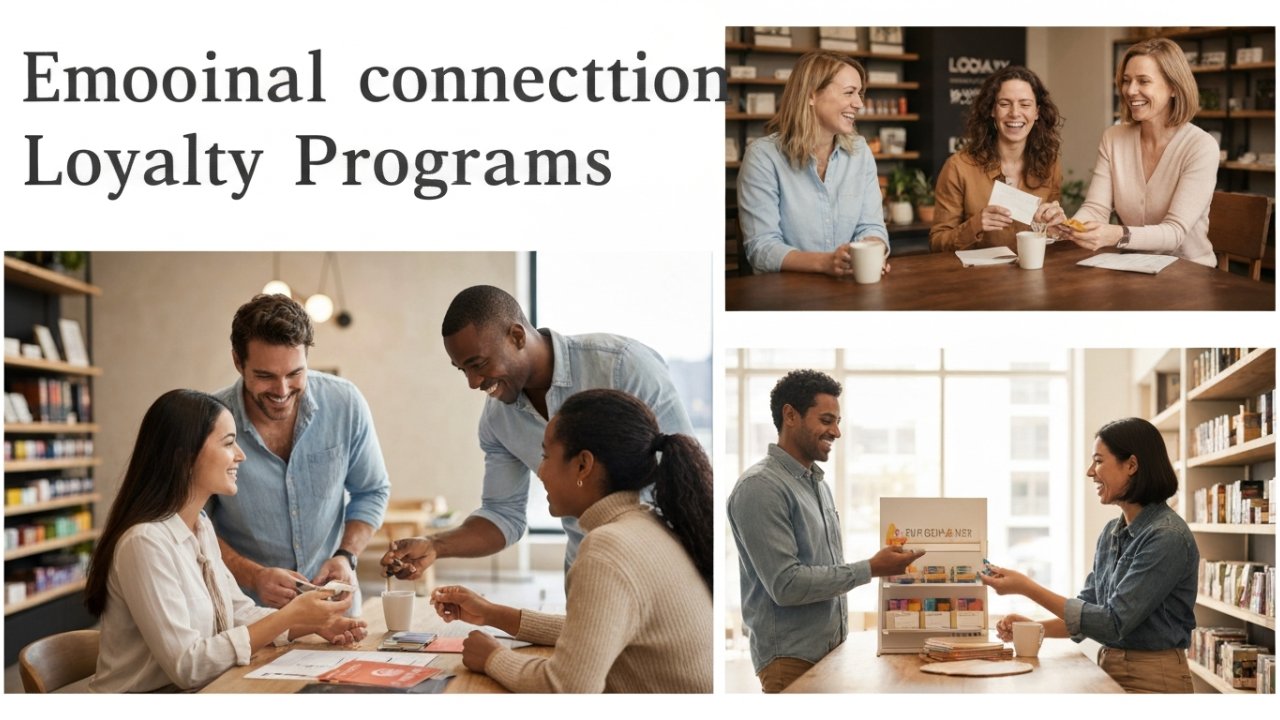
Though many customers might initially join a loyalty program for the tangible rewards, the emotional connection it cultivates can be just as significant.
Loyalty programs promote a sense of belonging, encouraging you to identify with a brand beyond mere transactions. This emotional appeal can lead to stronger brand loyalty as you engage with brands that resonate with your values.
Consider how these aspects improve your experience:
- Personalized rewards that reflect your preferences
- Exclusive access to events or products creating a sense of community
- Recognition for loyalty that makes you feel valued
These emotional connections in loyalty programs can lead to increased customer lifetime value.
When brands focus on long-term relationships rather than immediate transactions, you’re more likely to choose them based on connection rather than just price or convenience.
Ultimately, loyal rewards become more meaningful when they’re intertwined with the experiences that shape your relationship with the brand.
Types of Loyalty Programs

Loyalty programs come in various forms, each intended to improve customer engagement and retention in unique ways. Here’s a breakdown of the main types:
| Type of Program | Description |
|---|---|
| Points-Based Loyalty | Customers earn points for purchases, redeemable for discounts or exclusive offers. |
| Tiered Loyalty | Different benefits are offered based on spending levels, encouraging higher purchases. |
| Paid Loyalty | Programs like Amazon Prime require an upfront fee for immediate benefits such as discounts. |
| Value-Based Loyalty | Purchases support charitable donations, creating an emotional connection between spending and causes. |
| Customer Feedback | Vital for tailoring programs to meet preferences and motivations of customers. |
Understanding these types can help you choose the right loyalty program that aligns with your needs and preferences, enhancing your overall experience. Each program offers distinct advantages, making it important to identify what’s best for you.
Pros and Cons of Rewards Programs
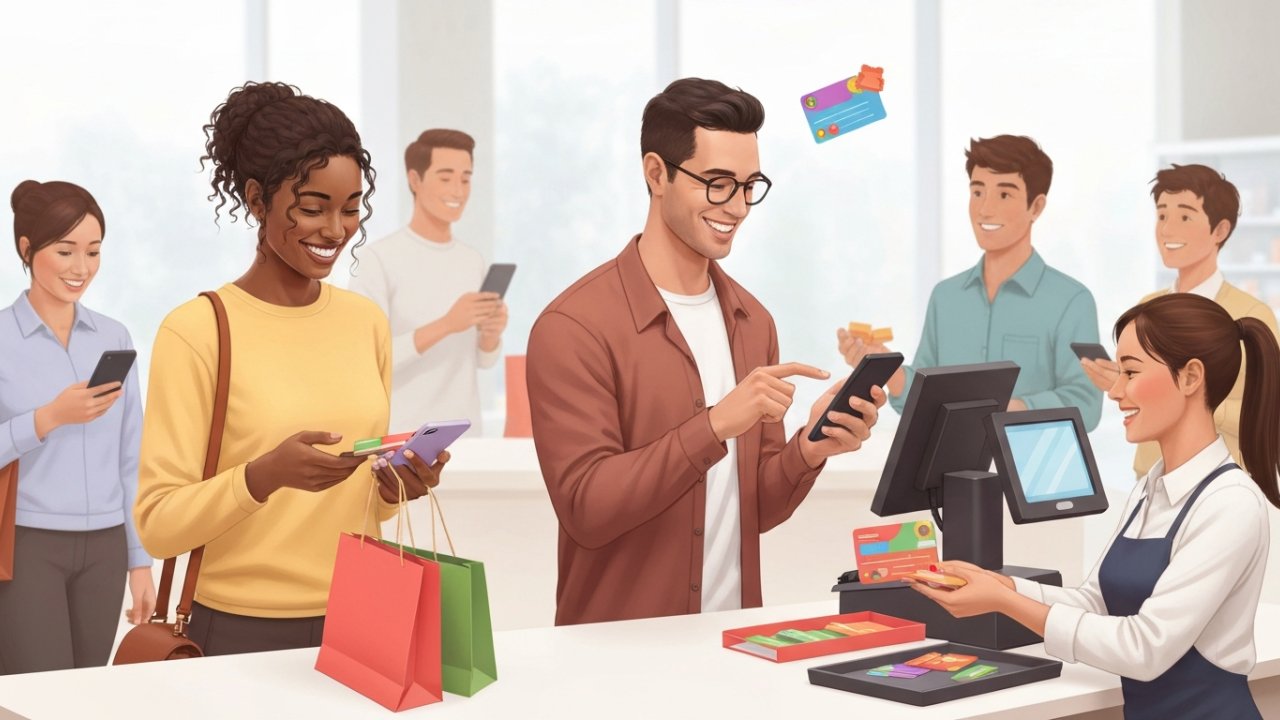
When evaluating rewards programs, it’s crucial to weigh their advantages and disadvantages to determine how they fit into your shopping habits. Here are some pros and cons to contemplate:
- Immediate sales boost: Good rewards programs drive purchases through quick incentives, encouraging you to buy products you mightn’t have otherwise contemplated.
- Ease of implementation: Loyalty rewards applications are often simple to set up and manage, leading to a faster return on investment for businesses.
- Customer behavior shift: Many consumers, about 79%, would change their shopping habits to earn rewards.
However, relying too heavily on transactional loyalty can be risky. If incentives diminish, customers may disengage.
Moreover, rewards programs often lack the emotional connection found in business loyalty strategies, potentially resulting in lower long-term retention.
For sustainable growth, exploring the best customer loyalty software may be more beneficial than merely implementing a rewards program.
Strategies for Implementing Loyalty Programs

Successful loyalty programs require careful planning and a strategic approach to implementation. Start by clearly defining your goals and aligning them with customer experience strategies. This helps guarantee that your rewards are relevant and appealing.
Consider utilizing loyalty program platforms that allow for customer segmentation, enabling personalized experiences that cater to individual preferences. Incorporate a variety of earning methods, such as points for purchases, social media engagement, and referrals, to broaden participation and increase retention.
Effective communication about the best rewards program perks is vital; customers need to understand how to earn and redeem rewards. Furthermore, establish regular performance reviews and make adjustments based on customer feedback to maintain the effectiveness of your reward programs.
Partnering with loyalty marketing companies can also provide valuable insights and resources to improve your program’s success.
Real-World Examples of Loyalty and Rewards Programs
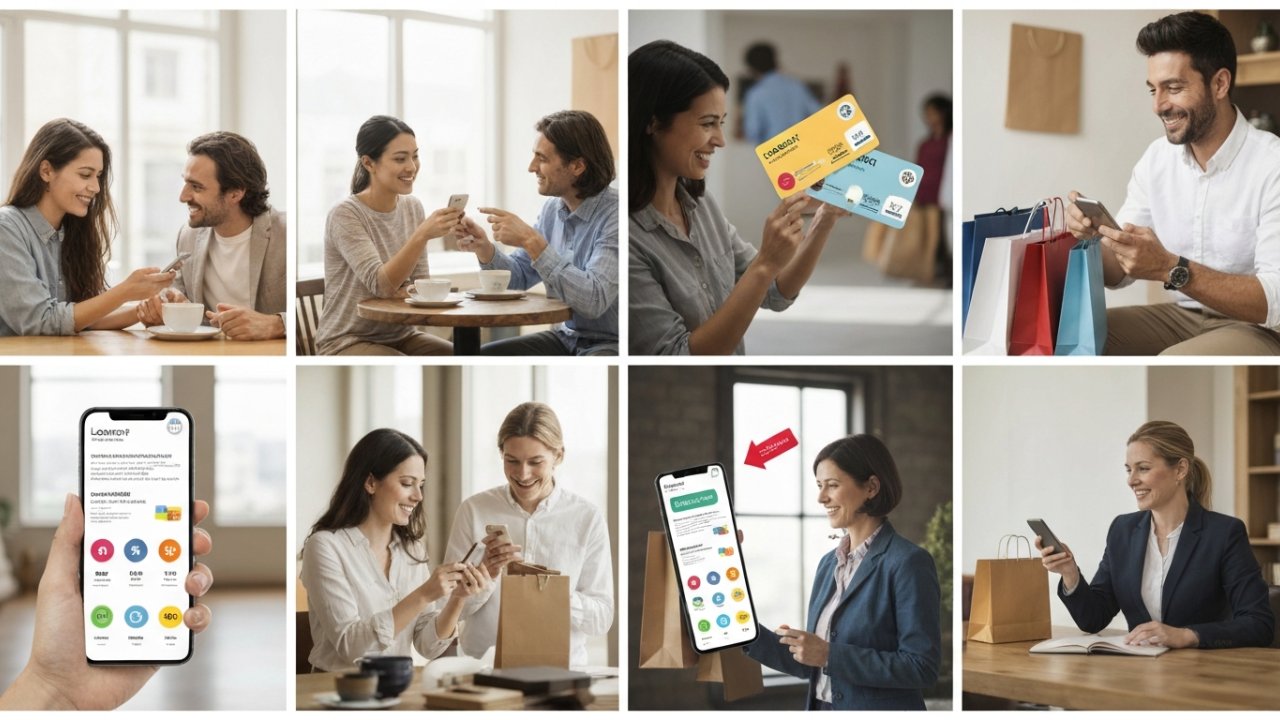
Many companies have successfully implemented loyalty and rewards programs that not merely improve customer engagement but also drive repeat business.
Here are some notable loyalty program examples that stand out:
- Starbucks Rewards: Earn “stars” for every purchase, redeemable for free drinks or food.
- Sephora’s Beauty Insider: Offers tiered membership levels with exclusive perks and birthday gifts based on annual spending.
- North Face XPLR Pass: Rewards points for purchases and outdoor activities, connecting with lifestyle interests.
These programs represent some of the best retail rewards programs available.
For instance, Amazon Prime showcases a subscription-based approach, whereas Delta SkyMiles Medallion offers tiered benefits for frequent travelers.
Each of these good rewards loyalty programs illustrates how customer loyalty can be nurtured through creative and engaging strategies.
Frequently Asked Questions

What Is a Rewards or Loyalty Program?
A rewards or loyalty program is a marketing strategy designed to encourage repeat business by offering customers incentives for their purchases.
These programs often provide points that can be redeemed for discounts, free products, or exclusive offers, enhancing customer engagement.
Various types exist, including points-based and tiered programs, catering to different spending behaviors.
[embedded content]
Research shows that many consumers believe such programs increase their likelihood of shopping with a brand, highlighting their effectiveness in driving retention.
What Is an Example of a Loyalty Program?
One example of a loyalty program is Starbucks Rewards. When you make purchases, you earn stars that can be redeemed for free drinks and food items. This system not only promotes repeat visits but likewise improves your overall experience.
Similarly, Sephora’s Beauty Insider program offers tiered rewards that provide discounts, early access to products, and special gifts, creating a strong incentive for you to remain engaged with the brand.
What Are Loyalty Programs?
Loyalty programs are marketing strategies that encourage you to return to a brand by rewarding your repeat business.
These programs often offer points for purchases, which you can redeem for discounts or exclusive offers. Some programs may include tiered benefits, where your spending reveals higher rewards.
Research shows that many customers feel more inclined to shop with brands that offer such programs, making them effective tools for nurturing customer loyalty and engagement.
What Is the Difference Between Loyalty Program and Reward Program?
The main difference between loyalty programs and reward programs lies in their objectives.
Loyalty programs aim to build long-term relationships by cultivating emotional connections, often featuring personalized offers based on customer behavior.
Conversely, reward programs provide immediate incentives, like points or discounts, for transactions without focusing on individual preferences.
Whereas loyalty programs improve customer retention and lifetime value, rewards programs typically drive quick sales but may not encourage lasting brand loyalty.
Conclusion

In conclusion, loyalty programs and rewards programs serve distinct purposes in enhancing customer engagement. Loyalty programs focus on building long-term relationships through incentives for ongoing patronage, whereas rewards programs provide immediate benefits to encourage quick purchases. Comprehending these differences can help businesses design effective strategies that boost customer satisfaction and retention. By implementing the right program, companies can cultivate brand loyalty, increase customer lifetime value, and finally drive more sustainable growth in their market.
Image via Google Gemini