
This post was originally published on this site.
In regard to boosting sales, upselling and cross-selling are two fundamental techniques that can greatly influence your bottom line. Upselling encourages customers to contemplate a higher-priced version of a product they’re interested in, whereas cross-selling suggests complementary items that improve the original purchase. Both strategies not just increase revenue but likewise enhance customer satisfaction by providing more value. Comprehending how to effectively implement these techniques can transform your sales approach, so let’s explore their nuances further.
Key Takeaways
- Upselling encourages customers to purchase a more expensive version of a product, increasing overall transaction value.
- Cross-selling recommends complementary products or services to enhance the customer experience and boost sales volume.
- Upselling focuses on higher-margin items, while cross-selling aims to increase average transaction value with relevant add-ons.
- Both strategies can significantly improve revenue; effective upselling can increase order values by 10-30%, and effective cross-selling can boost revenue by 20%.
- Understanding the differences between upselling and cross-selling is essential for maximizing sales and customer satisfaction.
What Is Cross-Selling?

Cross-selling is a strategic sales technique that focuses on offering additional products or services that complement a customer’s initial purchase.
Unlike upselling, which encourages customers to buy a more expensive version of a product, cross-selling improves their experience by suggesting relevant add-ons. For instance, if you’re buying a laptop, you might be offered accessories like a carrying case or software.
This approach not just increases the average transaction value but also helps meet more of your needs, nurturing customer loyalty.
[embedded content]
Research shows that effective cross-selling can boost revenue by 20% and profits by 30%.
To succeed, businesses must understand customer preferences and utilize targeted marketing techniques to present relevant suggestions. By doing so, they create a seamless shopping experience, demonstrating the key difference between upselling and cross selling.
Essentially, cross-selling enriches your purchase and makes it more satisfying as it drives business growth.
What Is Upselling?

Upselling is a key sales strategy that encourages customers to opt for a more expensive or improved version of a product they’re already considering, finally increasing the overall transaction value.
For instance, when you’re looking at smartphones, you might be prompted to choose a higher-tier model with better features instead of a basic one. This technique can greatly boost revenue; studies show that effective upselling can increase average order value by 10-30%.
It’s especially influential in industries like technology and luxury goods, where customers often seek premium options for increased value.
To succeed at upselling, it’s crucial to understand customer preferences and communicate the benefits of higher-tier options effectively.
Key Differences Between Cross-Selling and Upselling
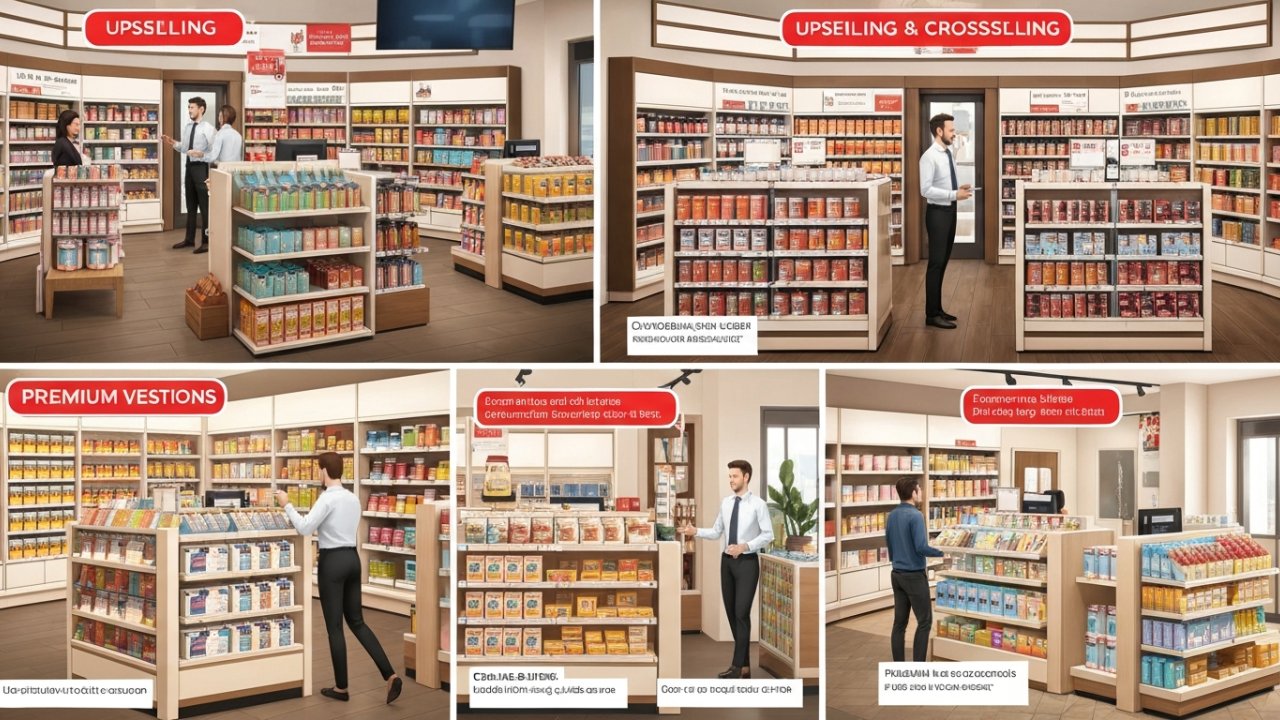
Although both strategies aim to boost sales, grasping the key differences between cross-selling and upselling is vital for maximizing revenue.
Cross-selling involves recommending complementary products, like suggesting a phone case when a customer buys a smartphone. Conversely, upselling encourages customers to purchase a more expensive or upgraded version of the same product, such as promoting a higher-tier smartphone model.
[embedded content]
Whereas upselling focuses on increasing the order value through higher-margin items, cross-selling aims to boost sales volume by adding related items to the purchase. Research shows that effective cross-selling can increase revenue by 20% and profits by 30%, whereas upselling can improve average order values through premium options.
Furthermore, cross-selling often requires a deeper awareness of customer needs, whereas upselling builds on existing customer interest. By recognizing these differences, you can effectively implement both strategies to improve the customer’s purchasing experience and drive sales growth.
Effective Strategies for Cross-Selling
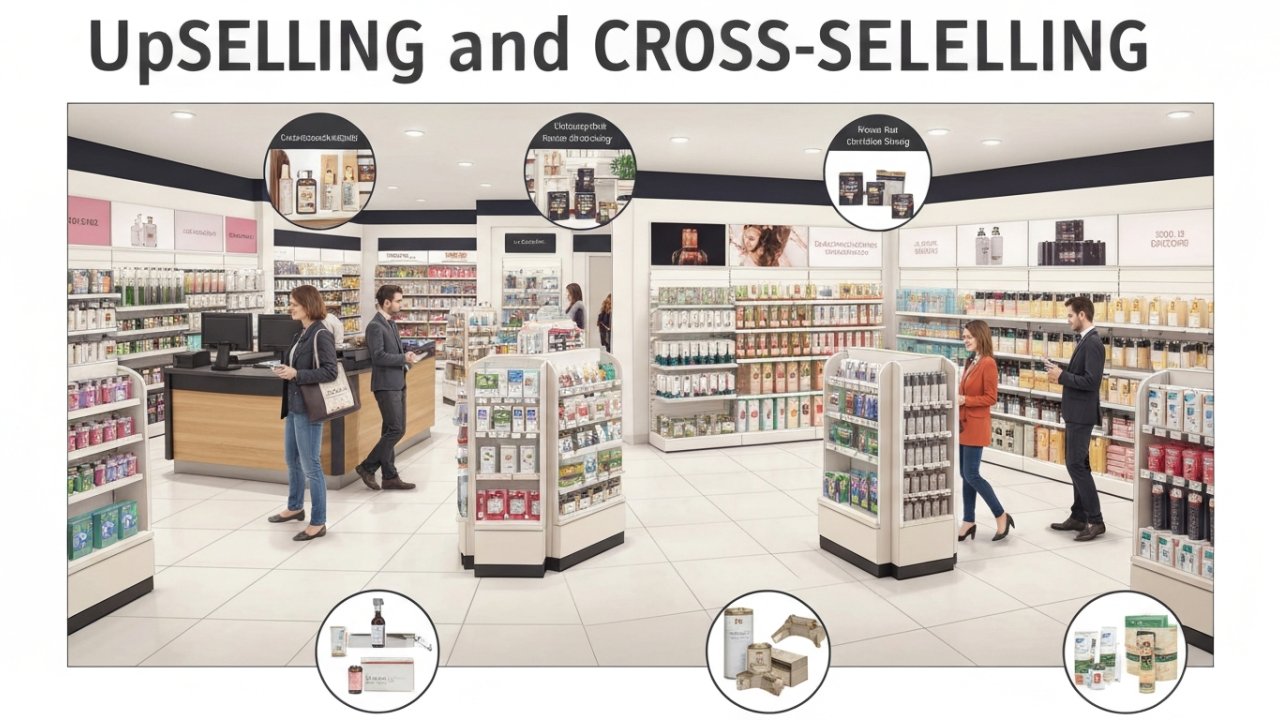
Implementing effective strategies for cross-selling can greatly improve your sales performance and customer satisfaction. Start by identifying related products that genuinely add value to the customer’s purchase. This alignment increases the chances of a successful sale.
Utilize customer data and insights to tailor your recommendations, ensuring they match customer preferences and needs. After a purchase, consider sending targeted email campaigns to introduce complementary products, leveraging the established relationship with the customer.
Training your sales associates is crucial; they should recognize satisfied customers and discern their potential needs without appearing pushy. This approach promotes a positive customer experience.
When implemented correctly, successful cross-selling can lead to a revenue boost of 20% and profits by 30%, markedly impacting your business’s bottom line. By focusing on these strategies, you can improve both sales outcomes and customer loyalty effectively.
Effective Strategies for Upselling
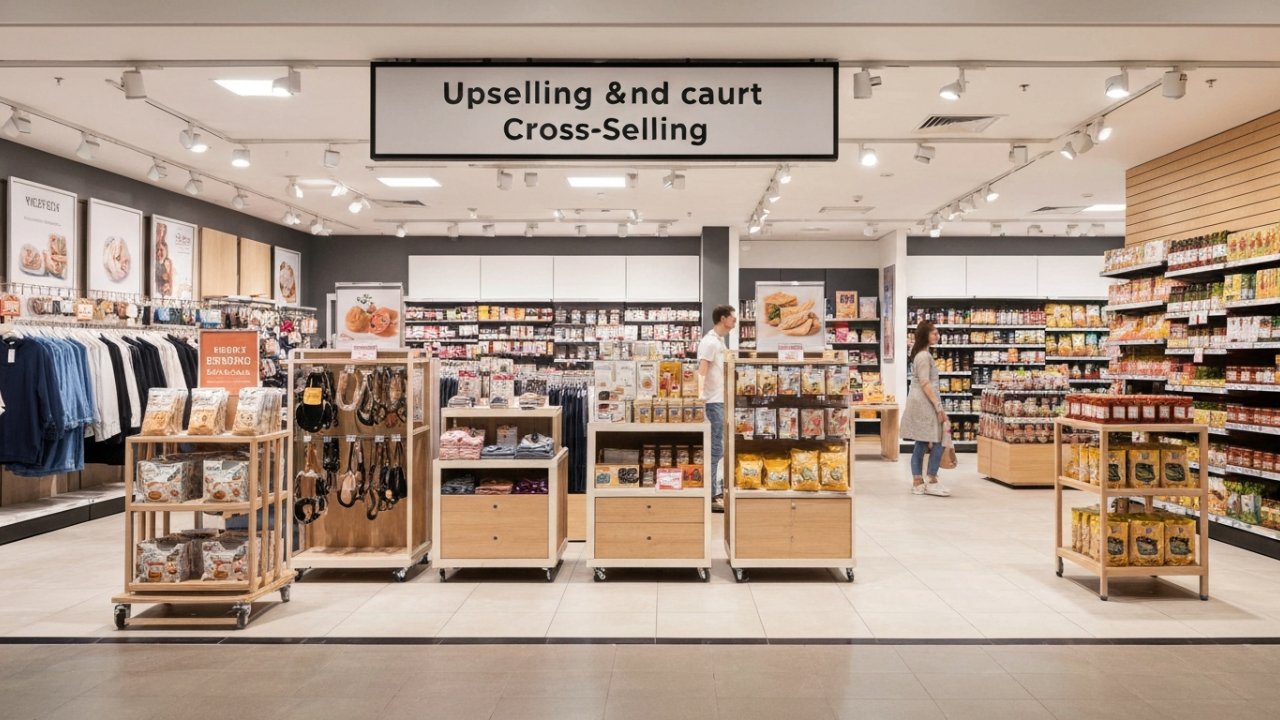
When considering how to improve your sales strategy, effective upselling can play a pivotal role in increasing your average order value.
To implement successful upselling tactics, consider the following strategies:
- Use comparison charts to highlight premium product benefits.
- Offer tiered options, like “Good, Better, Best,” to simplify decision-making.
- Encourage upgrades at checkout by suggesting additional features.
- Time your upselling efforts strategically, presenting options just before payment confirmation.
- Personalize recommendations using customer data to align with individual preferences.
Frequently Asked Questions

What Is Upselling and Cross-Selling With an Example?
Upselling and cross-selling are sales techniques to improve customer purchases.
For instance, if you’re buying a laptop, the salesperson might suggest a model with better specifications—this is upselling.
On the other hand, if you purchase that laptop, you might be offered a protective case or software, which is cross-selling.
Both methods aim to increase your total spending during the process of providing you with products that better meet your needs or complement your initial purchase.
[embedded content]
What Is an Example of Cross-Selling?
An example of cross-selling occurs when you purchase a laptop and the retailer suggests a laptop bag or software that improves your experience.
This strategy aims to provide you with complementary items that augment your primary purchase.
For instance, if you buy a camera, the salesperson might recommend extra lenses or a memory card.
What Is an Example of Upselling?
An example of upselling occurs when you’re purchasing a smartphone and the salesperson suggests a premium model with improved features, like a superior camera or extra storage.
This tactic emphasizes the added value of the higher-priced item, making it more appealing.
In restaurants, you might be encouraged to order a larger portion or a dish with premium ingredients.
Such strategies can greatly boost a business’s revenue by increasing the average order value.
What Is Cross-Selling in Simple Terms?
Cross-selling’s about suggesting additional products or services that complement what you’re already buying.
For instance, if you’re purchasing a laptop, you might be offered a mouse or software that improves its functionality.
This technique aims to elevate your overall experience as well as increasing the seller’s revenue.
Conclusion
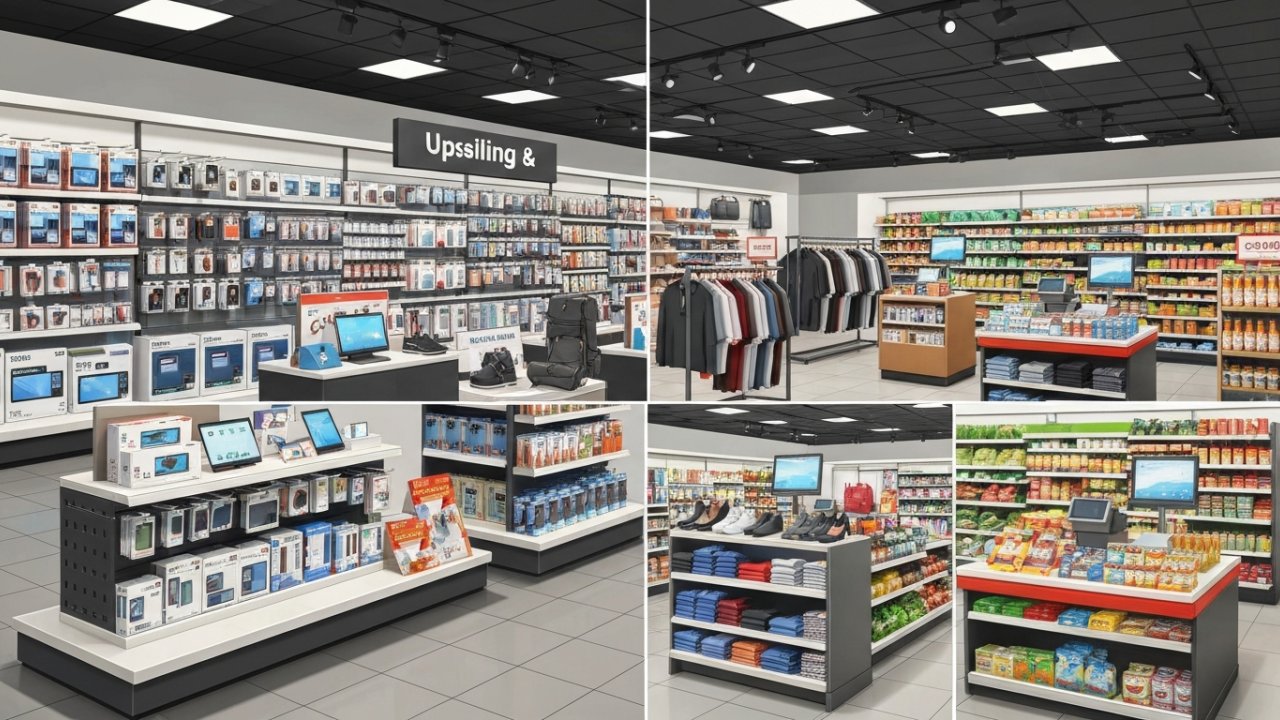
In conclusion, comprehending upselling and cross-selling can greatly improve your sales strategy. By encouraging customers to opt for more expensive products or recommending complementary items, you can increase transaction values and enhance customer satisfaction. Implementing effective techniques for both strategies allows you to better meet customer needs as you boost revenue. Whether you’re in retail, service, or e-commerce, mastering these approaches is crucial for maximizing your sales potential and nurturing long-term customer relationships.
Image via Google Gemini