

As a Supply Chain Inventory Manager, you play an essential role in maintaining ideal stock levels. You’ll monitor inventory accuracy, utilize methods like Just-in-Time and First-in-First-Out, and conduct regular audits. Collaborate with suppliers and warehouse teams to guarantee timely replenishment. Analyzing data trends helps you adjust inventory to meet market demands. Understanding these responsibilities can enhance your effectiveness, but there’s more to discover about the skills and strategies that can elevate your career in inventory management.
Key Takeaways
- Oversees inventory levels to ensure optimal stock for sales and timely deliveries.
- Monitors inventory accuracy through regular audits and cycle counts.
- Utilizes inventory management techniques like Just-in-Time (JIT) and First-in-First-Out (FIFO).
- Collaborates with suppliers for effective stock replenishment and compliance with regulations.
- Analyzes data trends to inform decisions on demand forecasting and inventory optimization.
What Is the Role of a Supply Chain Inventory Manager?

The role of a Supply Chain Inventory Manager is essential for keeping your business running smoothly. You oversee inventory levels, ensuring you have just the right amount of stock for sales and deliveries while minimizing excess.
This involves collaborating with suppliers to build strong relationships, negotiate contracts, and assess their performance to guarantee quality and timely delivery.
Monitoring key performance indicators, like inventory turnover and carrying costs, helps you optimize your inventory management processes.
Regular audits and cycle counts are critical for maintaining inventory accuracy and complying with safety regulations.
You also utilize inventory management software and data analysis tools to streamline tracking and reporting.
By doing so, you can make informed decisions that enhance efficiency across the supply chain.
Key Responsibilities of Inventory Managers

Monitoring inventory levels is a fundamental responsibility of an Inventory Manager. You need to guarantee there’s enough stock for sales and deliveries by using techniques like just-in-time inventory and FIFO (First-In-First-Out).
Another key aspect of your inventory manager responsibilities is collaborating with suppliers. This helps maintain strong relationships and guarantees timely stock replenishment while meeting safety regulations.
Conducting regular cycle counts and physical inventory audits is vital for keeping accurate records. You’ll identify discrepancies between physical counts and system data, which can prevent future issues.
Preparing detailed inventory reports for senior management allows you to analyze data, forecast demand, and make strategic decisions about inventory control.
Finally, overseeing warehouse operations is essential. You should optimize receiving, storage, and shipping processes to improve efficiency and reduce costs.
Essential Skills and Certifications for Inventory Managers

To excel as an Inventory Manager, you need a solid foundation in technical skills, relevant certifications, and strong analytical thinking.
Start by acquiring a degree in Supply Chain Management or Business Administration, and consider certifications like CPIM or CSCP to boost your credibility.
Hone your analytical skills by practicing data analysis and becoming proficient in inventory management software, as these abilities directly impact your decision-making and operational efficiency.
[embedded content]
Key Technical Skills
Strong technical skills are vital for anyone stepping into the role of an Inventory Manager. To effectively handle inventory manager duties, you’ll need to sharpen specific skills:
- Analytical Skills: Monitor inventory levels, forecast demand, and optimize replenishment processes.
- Software Proficiency: Be adept with inventory management software and ERP systems to track stock levels accurately.
- Inventory Techniques Knowledge: Understand methods like Just-in-Time (JIT) and First-In-First-Out (FIFO) to minimize excess stock and guarantee efficient turnover.
Attention to detail is essential, as accurate inventory records directly impact supply chain efficiency and customer satisfaction.
Relevant Certifications Available
Several key certifications can greatly boost your qualifications as an Inventory Manager. Pursuing the Certified in Production and Inventory Management (CPIM) certification is a smart move, as it emphasizes inventory control and operations planning.
Additionally, consider becoming a Certified Supply Chain Professional (CSCP); this certification offers a broader perspective on supply chain strategies and best practices.
Don’t overlook the importance of mastering inventory management software and ERP systems, which enable real-time tracking and optimization.
To stay competitive, engage in continuous professional development through workshops and courses focusing on emerging technologies in inventory management.
These steps will enhance your expertise and make you a valuable asset in your field.
[embedded content]
Importance of Analytical Thinking
Analytical thinking transforms the way inventory managers approach their roles, enabling you to interpret data trends effectively and make informed decisions.
With strong analytical skills, you can forecast demand accurately and optimize stock levels, preventing costly overstock or stockouts.
Here are some key areas where analytical thinking plays a crucial role:
- Data Analysis Tools: Master tools to evaluate key performance indicators (KPIs), such as inventory turnover and carrying costs.
- Inventory Accuracy: Improve accuracy by aligning stock levels with market demands and organizational goals.
- Continuous Learning: Stay competitive by continually updating your knowledge in analytics and inventory management techniques.
How Data Analysis Drives Inventory Management Success

In inventory management, data analysis isn’t just useful; it’s essential for success.
By tracking key metrics like inventory turnover and forecasting demand trends, you can make informed decisions that optimize your stock levels.
This approach reduces stockouts and excess inventory, helping you maintain efficiency and profitability in your operations.
Key Metrics Tracking
Tracking key metrics is essential for effective inventory management, and it directly influences your operational success.
As an inventory manager, you should focus on these key metrics to enhance your performance:
- Inventory Turnover: This shows how quickly your inventory sells and gets replaced, helping you assess efficiency.
- Days Inventory Outstanding (DIO): This measures how long inventory sits unsold, allowing you to evaluate your management strategies.
- Carrying Cost: Understanding total holding costs helps you optimize stock levels and cut unnecessary expenses.
Forecasting Demand Trends
Understanding how to forecast demand trends is crucial for maintaining efficient inventory levels. As an inventory manager, your job description responsibilities include analyzing historical sales data and market trends to predict future inventory needs.
Use advanced data analytics tools to identify customer purchasing patterns, which helps align stock with seasonal fluctuations. This approach can reduce stockouts, improving service levels considerably.
Implement techniques like just-in-time inventory and safety stock calculations to maintain ideal levels while minimizing carrying costs. Collaborate with sales and marketing teams to enhance forecasting accuracy by integrating insights from different departments.
Optimizing Inventory Levels
To optimize your inventory levels effectively, you’ll want to leverage data analysis as a key tool in your inventory management strategy.
As an inventory control manager, focus on these steps:
- Determine Ideal Reorder Points: Use data to align stock levels with actual demand, minimizing excess inventory and carrying costs.
- Implement Just-in-Time Techniques: Analyze historical sales and market trends to reduce excess stock and improve cash flow.
- Track Inventory Dynamically: Utilize real-time inventory management software to adjust stock levels based on current sales patterns.
Collaborating With Suppliers and Teams

Collaboration with suppliers and internal teams is vital for effective inventory management. As an inventory manager, you need to negotiate contracts with suppliers to guarantee timely delivery of materials, which keeps your inventory levels ideal.
Regular meetings with procurement and operations teams will help you forecast demand accurately, aligning your inventory strategies with business goals.
Effective communication is key; resolving conflicts with suppliers quickly strengthens relationships and boosts supply chain efficiency. Use data analytics to share insights with your teams, guiding informed decisions about stock replenishment and inventory enhancement.
Don’t overlook your collaboration with warehouse staff. Their input is essential for overseeing inventory tracking and management processes, assuring smooth operations from receiving to shipping.
Practical Techniques for Mastering Inventory Control
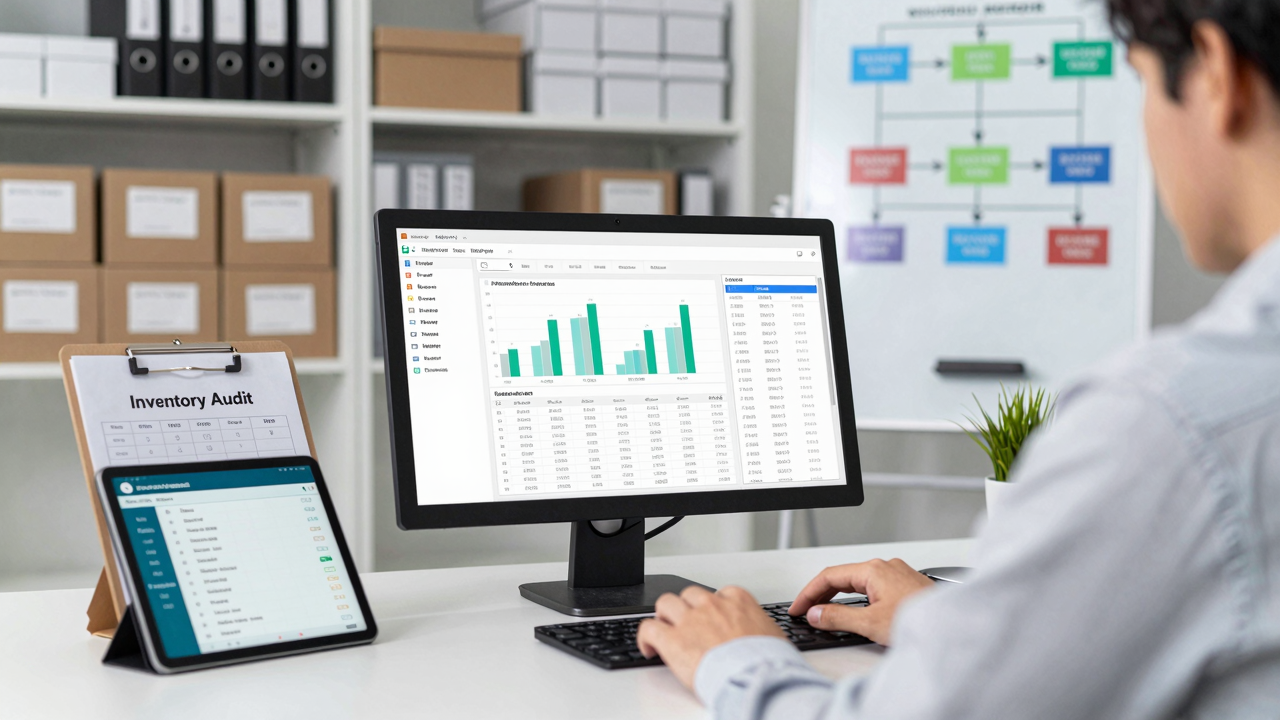
Mastering inventory control involves practical techniques that can make a significant difference in your operations. As an inventory control manager, you can enhance efficiency and reduce costs by implementing these strategies:
- Just-in-Time (JIT) inventory: Minimize excess stock by making sure materials arrive exactly when needed, lowering holding costs.
- Reorder Points (ROP): Set thresholds that trigger new orders, preventing stockouts while maintaining ideal inventory levels.
- First-in-First-out (FIFO): Sell older stock first to reduce waste and guarantee freshness, particularly for perishable goods.
Regular cycle counts and audits will also improve inventory accuracy, helping you spot discrepancies between recorded and actual stock.
Additionally, leveraging advanced inventory management software can streamline processes with real-time tracking and automated reordering.
Key Certifications to Boost Your Inventory Management Career

Certifications are a powerful way to enhance your inventory management career, helping you stand out in a competitive job market. Consider starting with the Certified Supply Chain Professional (CSCP) credential, which shows a deep understanding of supply chain principles.
Next, the Certified in Production and Inventory Management (CPIM) certification from the Association for Supply Chain Management (ASCM) validates your skills in inventory control and operations planning.
[embedded content]
If logistics interests you, the Certified in Logistics, Transportation and Distribution (CLTD) certification focuses on essential skills for managing inventory in distribution environments. Additionally, earning a Six Sigma certification can sharpen your analytical skills, enabling you to improve processes and reduce waste.
Employers often prefer candidates with these credentials, as they demonstrate a commitment to professional development and a solid grasp of inventory management practices.
Invest in these certifications to boost your career potential and credibility in the field.
Advancement Opportunities in Inventory Management
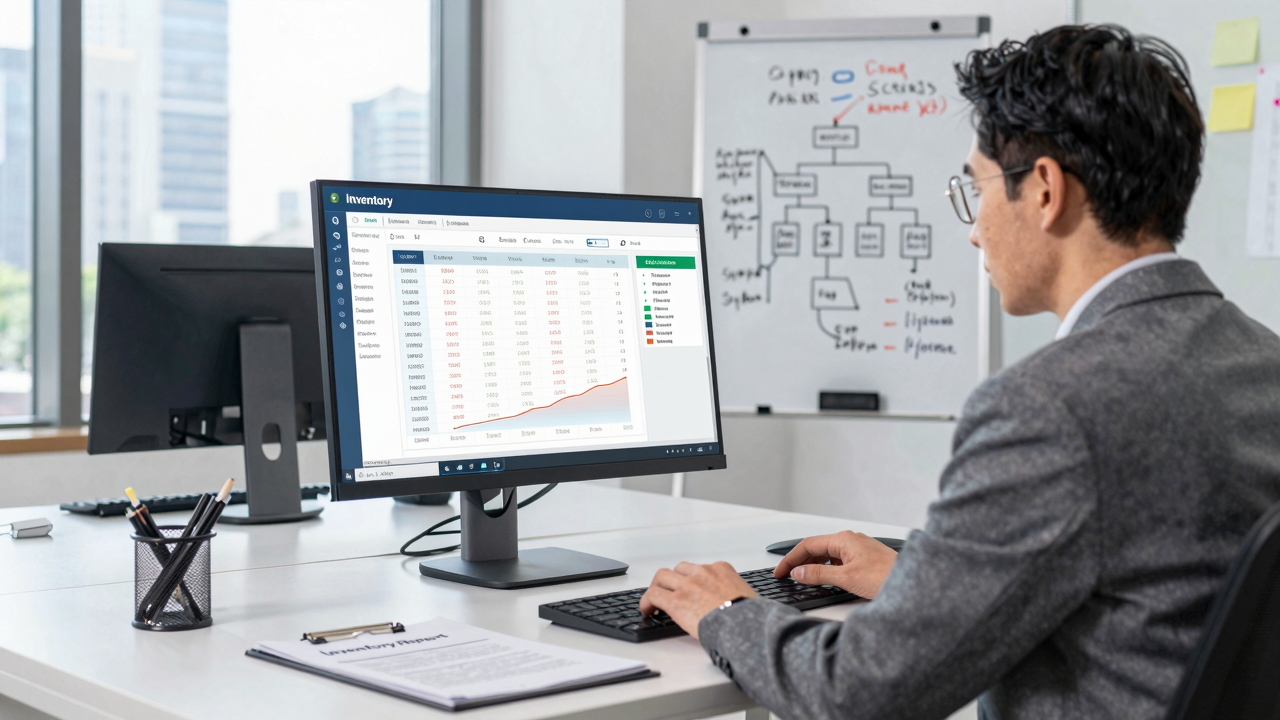
As you navigate your career in inventory management, recognizing advancement opportunities can open new doors for growth. A solid inventory management job description often includes paths to senior roles like Supply Chain Manager or Director of Supply Chain, typically requiring 7-10 years of experience and a relevant degree.
To enhance your prospects, consider these steps:
- Earn Professional Certifications: Pursuing certifications like CPIM, CSCP, or CPSM can demonstrate your expertise and commitment.
- Expand Your Role: Shifting into positions like Procurement Manager or Operations Manager can broaden your responsibilities and skill set.
- Develop Leadership Skills: Cultivating your ability to lead teams and collaborate across departments is essential for advancement.
With the increasing demand for skilled supply chain professionals, taking these steps can position you favorably for career growth in inventory management. Embrace these opportunities, and you’re likely to see significant advancements in your career.
What’s It Like to Work as an Inventory Manager?
Working as an Inventory Manager involves a blend of organization, analytical thinking, and collaboration. You’ll oversee stock levels to guarantee products are available for sales and deliveries while maintaining efficient warehouse operations.
Your inventory manager job duties include utilizing inventory management software and techniques like Just-in-Time and FIFO to optimize inventory flow.
Strong analytical skills are essential, as you’ll monitor inventory accuracy and forecast demand. Use key performance indicators, such as inventory turnover and stockout rates, to evaluate your success.
Typically, this role requires a bachelor’s degree in supply chain management or a related field, along with 7-10 years of experience and certifications like CPIM or CSCP.
You’ll collaborate with suppliers and internal teams, often working a standard 40-hour week, though be prepared for occasional overtime, especially in retail environments.
Stay proactive and detail-oriented to excel in this dynamic position.
Frequently Asked Questions

What Is the Role of an Inventory Manager in Supply Chain?
An inventory manager in supply chain oversees stock levels to meet customer demand while minimizing costs.
You’ll monitor inventory, using methods like Just-in-Time and FIFO to optimize stock management. Regular audits are essential for accuracy, so schedule those frequently.
Collaborate with suppliers to guarantee timely deliveries and utilize inventory management software to analyze trends.
Do Supply Chain Managers Make a Lot of Money?
Yes, supply chain managers can make a lot of money. With an average salary around $61,982, your earnings can exceed $80,000 in larger companies or specialized fields like IBM or Pfizer.
To maximize your salary, focus on gaining experience and consider relocating to urban areas where wages are higher. Additionally, seek positions that offer performance-based incentives and extensive benefits, as these can considerably boost your overall compensation.
What Is the 80 20 Rule in Inventory Management?
The 80/20 rule in inventory management states that 80% of your costs often come from just 20% of your items.
To apply this, identify which 20% of your stock drives the most sales. Focus your efforts on managing these critical items, optimizing their availability, and reducing excess inventory elsewhere.
Regularly review your inventory data to adjust your strategies, ensuring you prioritize high-value products for better efficiency and lower holding costs.
What Are the 7 C’s of Supply Chain Management?
The 7 C’s of supply chain management are essential for optimizing your operations.
First, focus on Customer needs to boost satisfaction.
Next, control Cost to maintain quality while reducing expenses.
Guarantee Convenience in processes for smoother transactions.
Prioritize Communication to keep everyone informed.
Foster Collaboration among teams and suppliers to enhance efficiency.
Maintain Consistency in service delivery, and finally, establish Control to monitor performance and adapt strategies as needed.
Conclusion

In conclusion, becoming a successful Supply Chain Inventory Manager requires mastering key responsibilities like inventory monitoring and data analysis. Focus on building essential skills, such as collaboration and problem-solving. Stay updated on industry trends and consider pursuing certifications to enhance your career. Implement practical techniques like JIT and FIFO to optimize stock levels. By actively engaging with suppliers and your team, you can improve efficiency and meet market demands. Take these steps to drive your inventory management success.
Image via Google Gemini and Small Business Trends