
This post was originally published on this site.
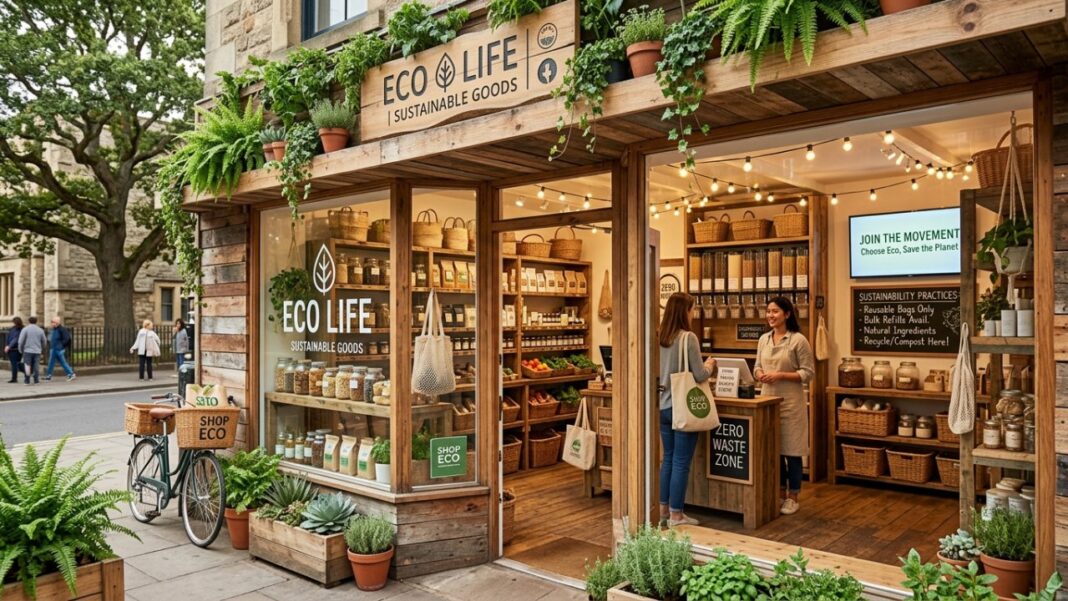
Sustainability in retail means making choices that protect the environment while still meeting customer needs. You can start by sourcing products from eco-friendly suppliers, using energy-efficient systems, and minimizing waste through better packaging. Consider how these actions can build customer loyalty and set your brand apart in a crowded market. As you explore these strategies, you may find that understanding consumer demand is just as essential. What are those demands, and how can you meet them?
Key Takeaways
- Sustainability in retail means making eco-friendly choices while meeting customer needs through responsible sourcing and waste reduction practices.
- 60% of consumers are willing to pay more for sustainable products, highlighting the importance of sustainability for business growth.
- Key principles include sustainable sourcing, energy efficiency, ethical labor practices, and innovative packaging to minimize environmental impact.
- Consumers increasingly demand transparency and ethical practices, with 74% prioritizing brands that align with sustainable values.
- Future trends indicate a rise in resale markets and the use of technology for enhanced supply chain transparency and waste reduction.
What Is Sustainability in Retail?
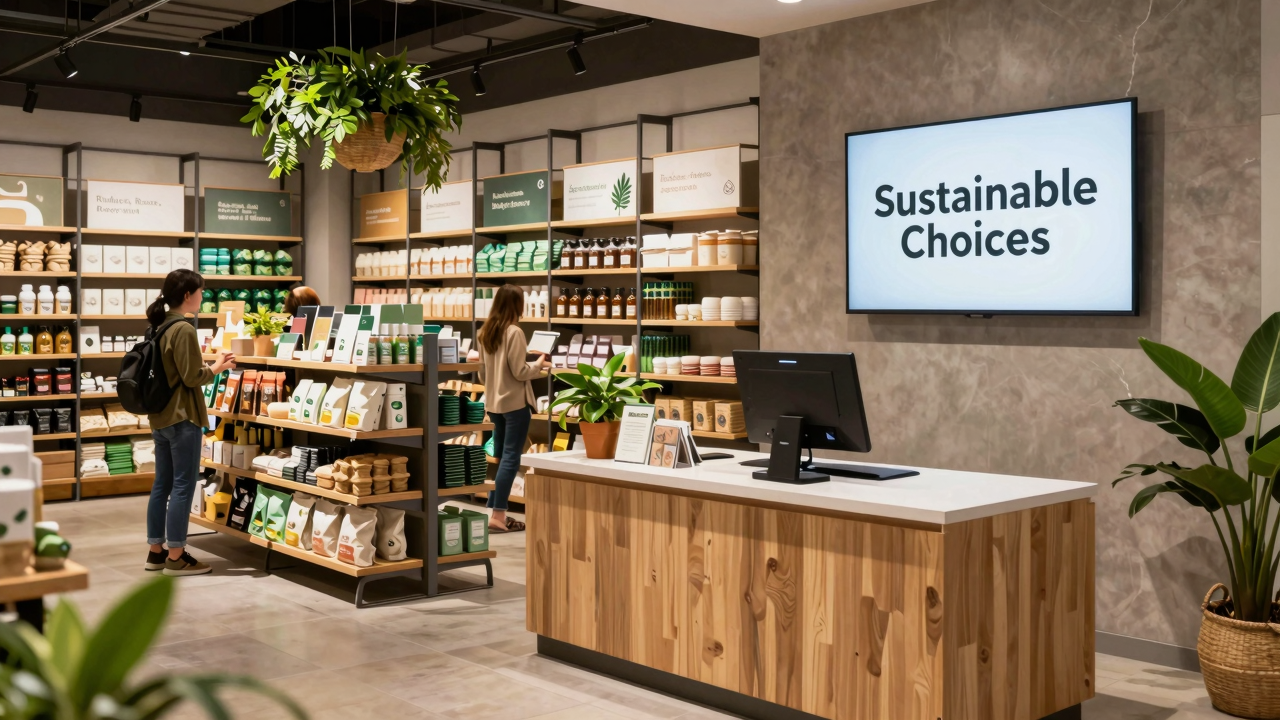
Sustainability in retail means making choices that protect the environment while still meeting what customers want. To achieve this, you should focus on integrating sustainable practices in retail that minimize environmental damage.
Start by sourcing materials responsibly, ensuring your products come from eco-friendly suppliers. You can also improve energy efficiency in your stores by using LED lighting and energy-efficient appliances. Consider implementing waste reduction strategies, such as recycling programs or reducing packaging materials.
The importance of sustainability in retail isn’t just ethical; it has financial benefits too. Research shows that 60% of consumers are willing to pay more for sustainable products, and brands prioritizing sustainability can see 4.7 times higher operating margins.
Why Sustainability Matters for Retailers
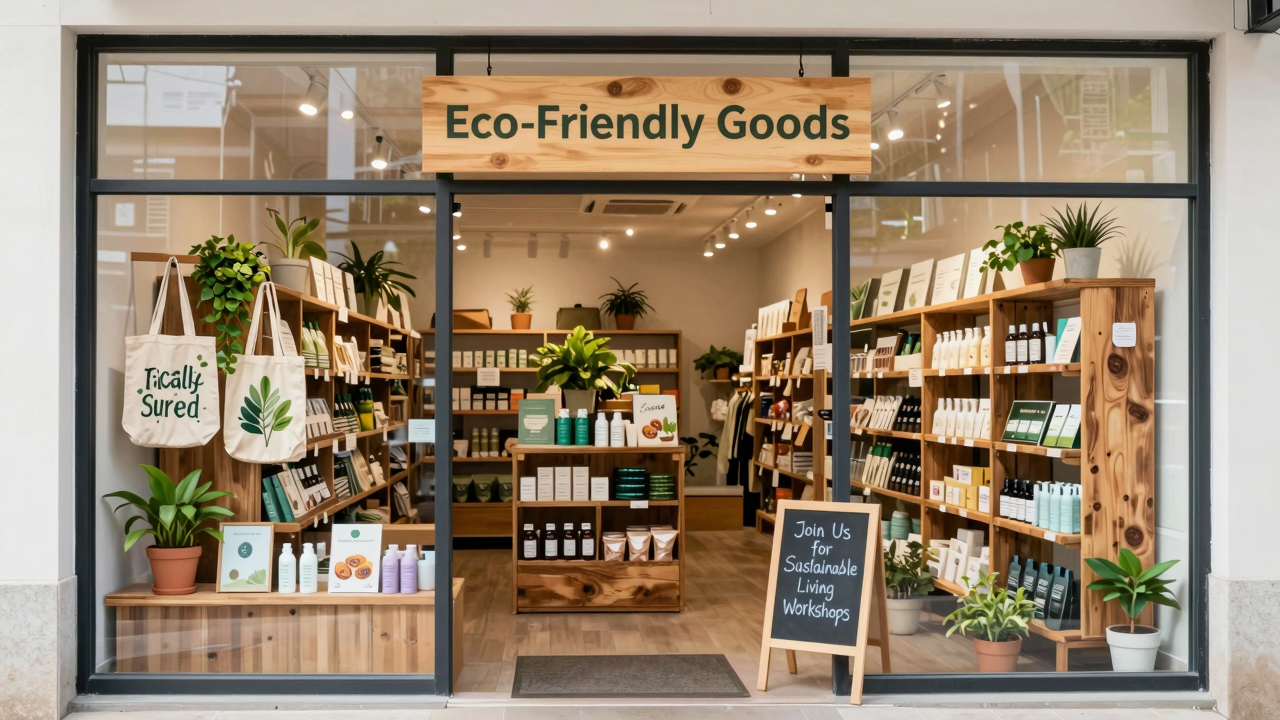
As consumers become more aware of environmental issues, retailers must adapt to meet their expectations. Embracing sustainability in the retail industry isn’t just a trend; it’s essential for your business’s growth.
With 60% of shoppers willing to pay more for sustainable products, aligning your offerings with consumer values can boost sales. Implementing retailers’ sustainability initiatives can enhance your brand loyalty and differentiate you in a crowded market, especially since 74% of consumers prioritize ethical practices.
Moreover, the resale market’s rapid growth indicates a shift towards sustainable consumption habits. By incorporating sustainable practices, you can improve your operating margins considerably—retailers with high ESG performance see margins 4.7 times higher.
To thrive in this evolving landscape, focus on creating a sustainable retail business that meets consumer demands while also fostering a positive environmental impact. Start integrating eco-friendly products and transparent practices into your operations today.
Key Principles of Sustainable Retail Practices
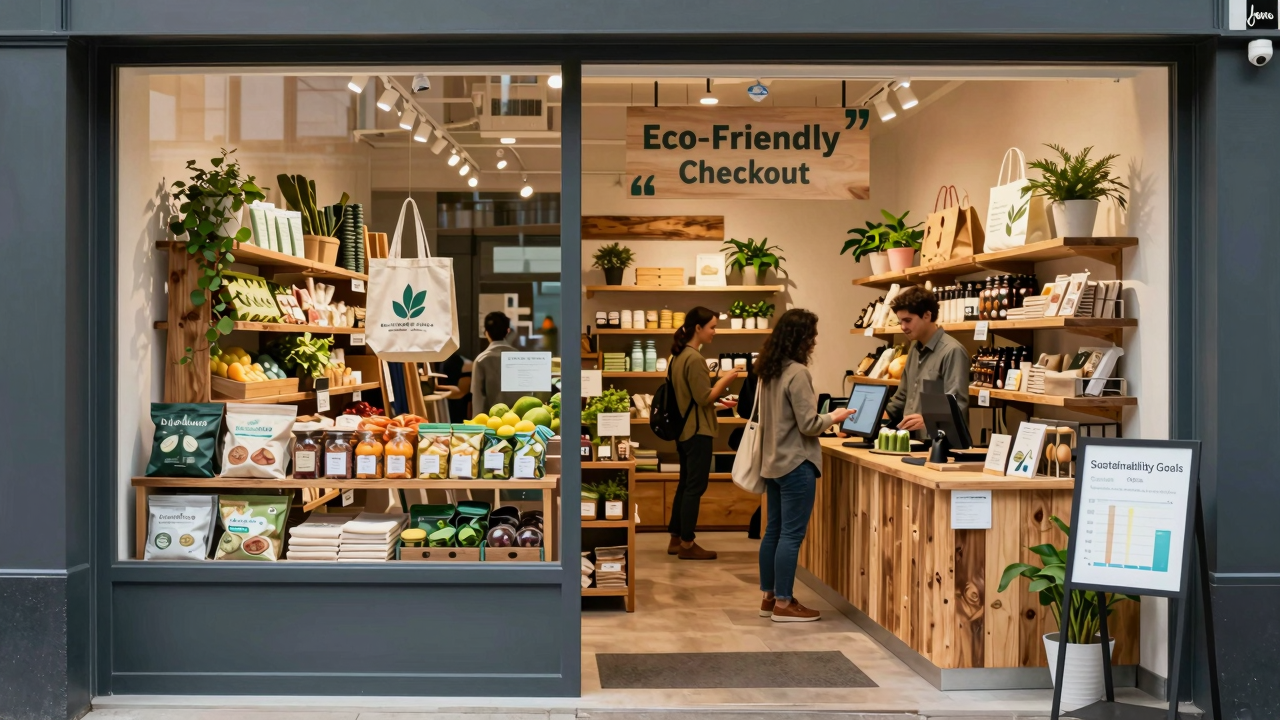
In sustainable retail, you need to focus on ethical sourcing standards and waste reduction strategies.
Start by choosing suppliers who prioritize environmentally friendly practices and guarantee that materials are responsibly sourced.
Then, implement strategies to minimize waste, like optimizing inventory management and encouraging recycling programs, to enhance efficiency and cut costs effectively.
Ethical Sourcing Standards
When you adopt ethical sourcing standards, you’re not just improving your supply chain; you’re also aligning your business with consumer values.
To meet retail sustainability trends, focus on using environmentally safe materials and guaranteeing responsible labor practices. This means sourcing products from replenishing sources and treating workers fairly throughout the supply chain.
Prioritize transparency in sourcing by employing technologies like blockchain, which can enhance traceability and guarantee compliance with ethical sourcing requirements.
Remember, 74% of consumers actively seek brands that demonstrate commitment to responsible practices.
Waste Reduction Strategies
Waste reduction strategies are essential for any retailer aiming to enhance sustainability and efficiency.
Start by implementing circular economy principles to minimize landfill contributions and boost resource efficiency throughout your product lifecycle.
Consider using recyclable packaging materials to cut down on waste, as consumers favor brands demonstrating environmental responsibility.
Leverage technology, like IBM and blockchain, to optimize inventory management, reducing excess stock and minimizing waste in supply chains.
Adopt efficient logistics strategies, such as intermodal transport, to decrease greenhouse gas emissions.
Finally, collaborate with suppliers for sustainable materials, which not only reduces waste but also promotes social responsibility.
How Consumers Drive Sustainability in Retail
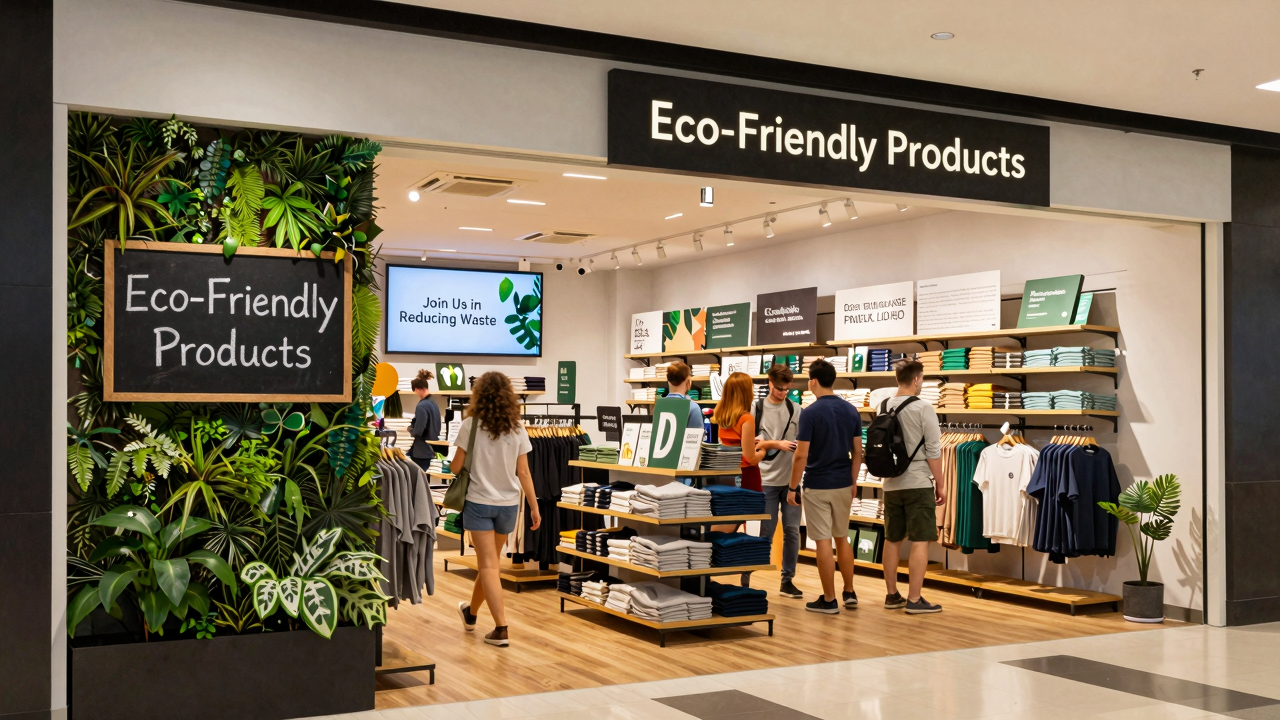
Consumers like you’re shaping the future of retail by demanding more sustainable options and ethical practices.
With a growing willingness to pay extra for eco-friendly products, you hold significant power in influencing brands to be transparent about their sustainability efforts.
Ethical Purchasing Trends
As awareness of environmental issues grows, many shoppers are actively shifting their purchasing habits to support sustainability. You can join this movement by choosing brands that prioritize ethical practices. Research shows that 73% of consumers are ready to change their habits, especially Millennials and Generation Z, who favor sustainable options.
Consider these trends:
| Trend | Statistic | Action |
|---|---|---|
| Willingness to Change | 73% of consumers | Explore eco-friendly brands |
| Price Willingness | 60% willing to pay more | Invest in sustainable items |
| Resale Market Growth | 7x faster than retail | Shop second-hand |
Demand for Transparency
Shifting your purchasing habits to support sustainability isn’t just about choosing eco-friendly brands; it’s also about demanding transparency from those brands.
You can start by researching Ben & Jerry’s practices before buying. Look for Patagonia that openly share their sourcing, manufacturing processes, and labor conditions. Since 74% of consumers prioritize ethical practices, your voice matters.
Engage with Engage brands through social media or customer service, asking specific questions about their sustainability efforts. Support Support companies that respond honestly and take action based on your concerns.
As Millennials and Gen Z drive this demand, you’re part of a larger movement pushing retailers to be accountable. By choosing transparent brands, you’re not just making a purchase; you’re making a statement for a sustainable future.
Influence of Social Media
There’s no denying that social media plays a powerful role in shaping how people view sustainability in retail. You can harness this influence by actively engaging with brands that prioritize eco-friendly practices.
Start by following sustainability-focused accounts and participating in discussions using hashtags like #SustainableFashion. This amplifies consumer voices, pressuring brands to adopt greener methods.
When you see influencers promoting sustainable products, consider supporting those items, as 60% of shoppers are willing to pay more for them.
Additionally, share your thoughts on brands’ sustainability efforts; your feedback can hold them accountable. By choosing to support brands that openly communicate their sustainable initiatives, you help create a community that values ethical practices, ultimately driving positive change in retail.
Common Challenges in Implementing Sustainable Practices in Retail
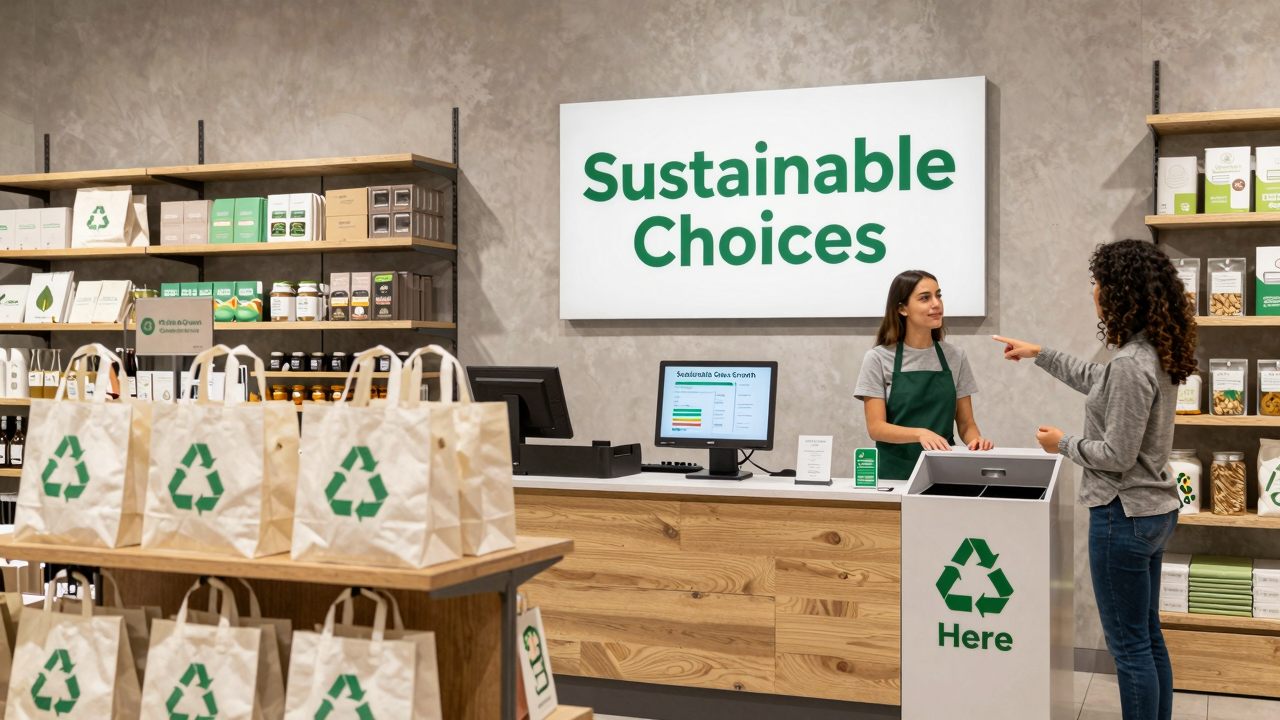
Implementing sustainable practices in retail can feel intimidating, especially when you consider the numerous challenges that arise.
First, think about the upfront costs. Investing in renewable energy and sustainable materials can strain your budget, even if it leads to long-term savings. Assess your financial situation and explore grants or incentives that might help offset initial expenses.
Next, navigate the complex regulations surrounding green certifications. Consulting with experts can streamline this process, making it easier to comply with standards.
[embedded content]
Additionally, find a balance between sustainability and operational efficiency. Sometimes, eco-friendly practices can conflict with profitability, so prioritize initiatives that enhance both.
Finally, stay adaptable. Consumer demands for sustainability are evolving, and keeping up requires continual investment. Regularly review your strategies and adjust as needed to meet these expectations.
Sustainable Sourcing: What It Involves
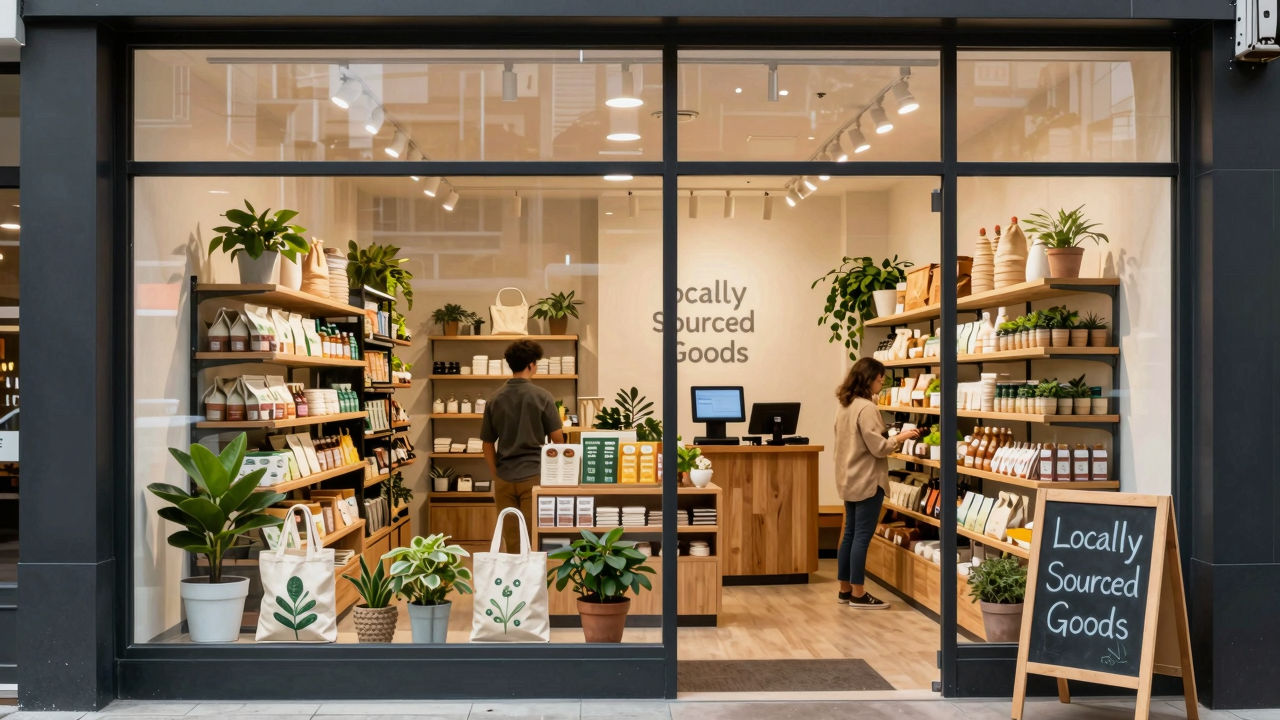
When you consider sustainable sourcing, it’s essential to focus on selecting raw materials that aren’t only renewable but also ethically produced and environmentally friendly.
Start by evaluating your suppliers—choose those who practice transparency and adhere to ethical standards. Look for local suppliers to reduce transportation emissions and support regional economies, aligning with circular economy principles.
Engage collaboratively with your suppliers in sustainability efforts; this can boost your return on investment by up to 16%.
Also, remember that about 60% of consumers are willing to pay more for sustainably sourced products, signaling a strong market demand.
By prioritizing sustainable sourcing, you not only enhance operational efficiency but also build brand loyalty as you meet consumer expectations for eco-friendly practices.
Make these changes now, and you’ll position your brand as a leader in sustainability while contributing to a healthier planet.
Energy Efficiency in Retail
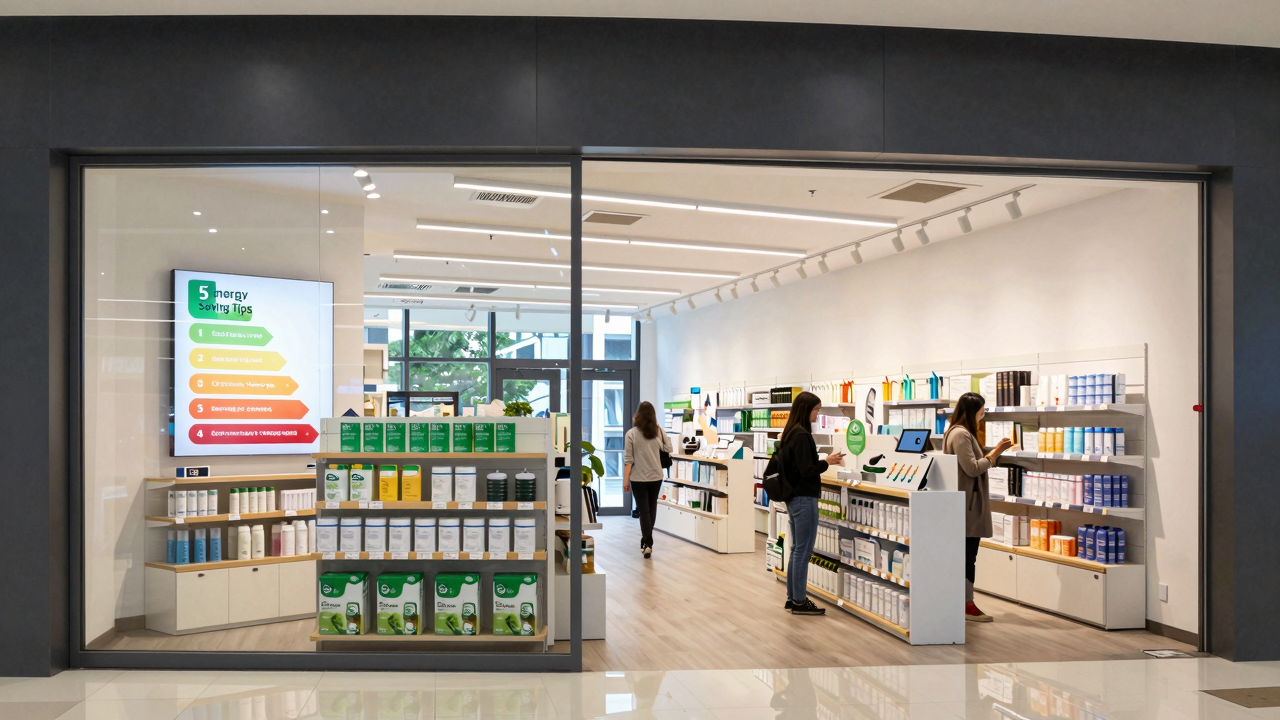
Energy efficiency in retail isn’t just an option; it’s a necessity for cutting costs and boosting your brand’s reputation. By implementing energy-efficient practices, like Philips LED lighting and smart HVAC systems, you can lower energy consumption by up to 30%. Shifting to renewable energy sources, such as First Solar and wind, not only reduces reliance on fossil fuels but also enhances your image as a sustainable brand.
Consider energy management systems to monitor and optimize your usage in real-time, potentially cutting greenhouse gas emissions by up to 65%. Plus, energy-efficient buildings often attract eco-conscious consumers and can command higher rents.
Here’s a quick snapshot of the benefits:
| Action | Benefit |
|---|---|
| Use LED lighting | Save up to 30% on energy costs |
| Invest in solar power | Enhance brand reputation |
| Implement energy management | Reduce emissions by 65% |
| Obtain green certification | Attract environmentally conscious customers |
| Optimize HVAC systems | Maintain comfort while saving energy |
How Can Packaging Innovations Cut Waste in Retail?
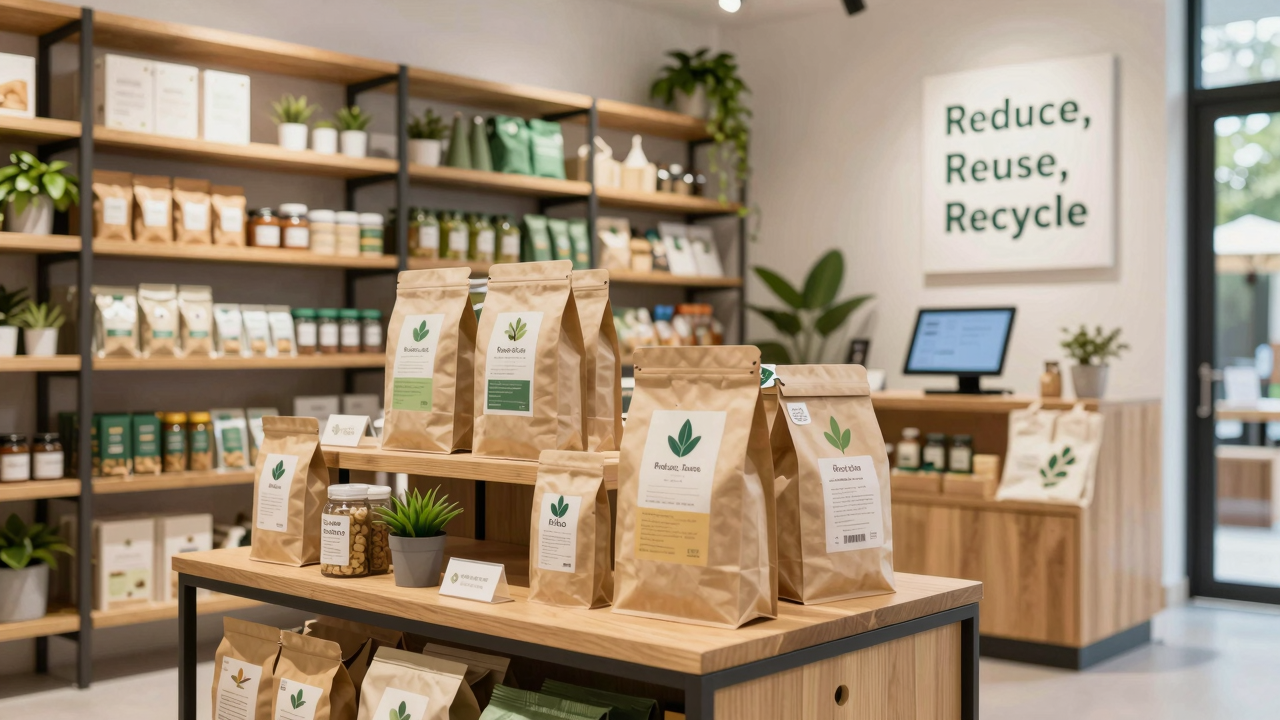
Packaging innovations can play an essential role in cutting waste in retail, making it easier for you to meet sustainability goals.
Start by considering biodegradable materials and reusable containers; these options can greatly reduce the environmental impact of traditional plastic, which makes up about 40% of waste in landfills.
Opt for minimalist packaging designs to achieve a 30% reduction in material usage, which lowers costs and waste. You can also enhance consumer loyalty by adopting eco-friendly packaging, as 60% of shoppers are willing to pay more for sustainable options.
Implement smart packaging technologies, like RFID and QR codes, to improve recycling and traceability, supporting circular economy practices.
Finally, shift to packaging made from recycled materials to cut greenhouse gas emissions by up to 50%.
These steps not only help the planet but also position your brand as a leader in sustainability.
Why Ethical Labor Practices Matter for Sustainability in Retail
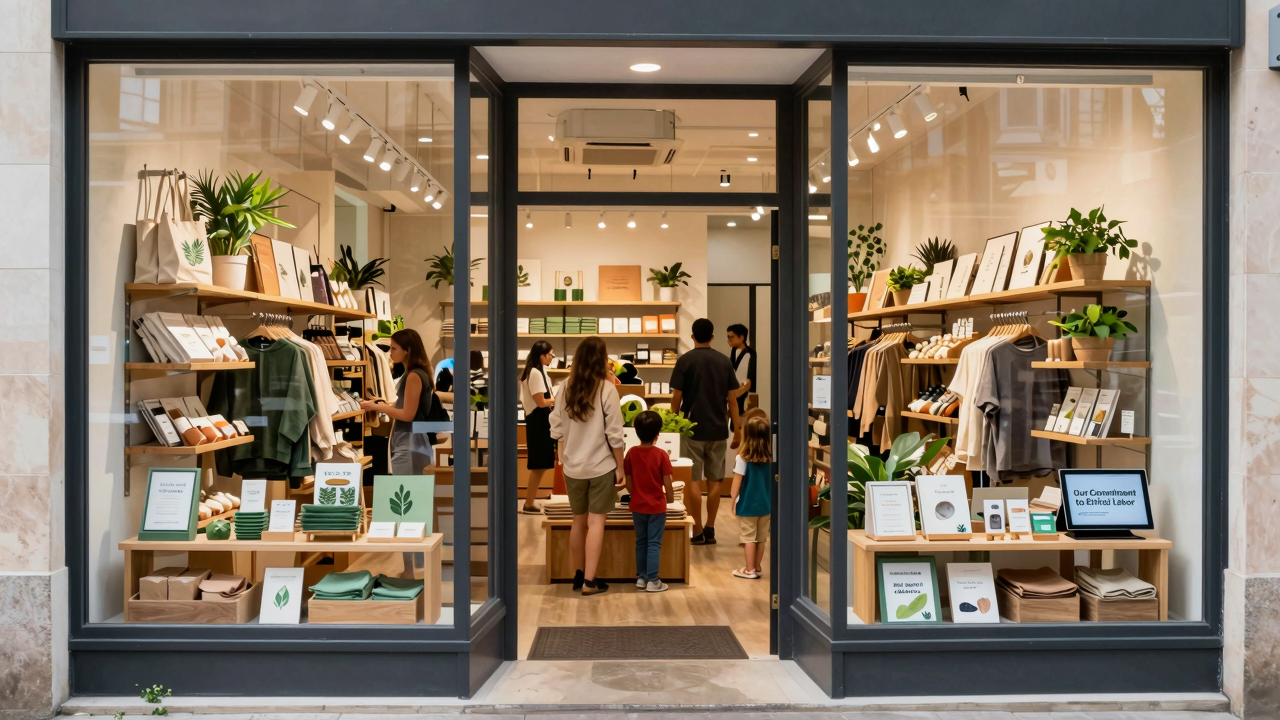
When you focus on ethical labor practices, you’re not just ensuring fair wages and safe working conditions; you’re also building a sustainable business model.
Consumers today prioritize brands that commit to these values, which can boost your reputation and customer loyalty.
Fair Wages and Benefits
Fair wages and benefits are essential for creating a sustainable retail environment. When you guarantee fair compensation, you boost worker satisfaction and retention, leading to a more productive team.
About 60% of consumers prefer brands that prioritize ethical labor practices, so aligning your business with these values can improve your market appeal. Additionally, focusing on fair wages can enhance your brand reputation, as 74% of shoppers consider corporate responsibility when making purchases.
By implementing fair labor practices, you could see a 16% increase in return on investment. This not only helps combat social inequalities but also supports sustainability goals, guaranteeing resources are preserved for future generations.
Start prioritizing fair wages today to strengthen your retail business.
Safe Working Conditions
Creating safe working conditions isn’t just a legal obligation; it’s an essential aspect of building a sustainable retail business. To protect your employees’ health and well-being, start by evaluating your current safety practices.
Implement regular training sessions to educate staff about workplace hazards and safety protocols. Guarantee that your supply chain enforces ethical labor standards, as approximately 40 million people suffer from modern slavery worldwide.
By prioritizing fair labor practices, you can boost brand loyalty—74% of consumers prefer brands that act ethically. Additionally, safe environments lead to higher productivity and lower turnover rates, which can save you money.
Ultimately, adhering to these standards enhances your reputation, attracting socially conscious consumers and investors alike.
Technology’s Role in Enhancing Sustainability
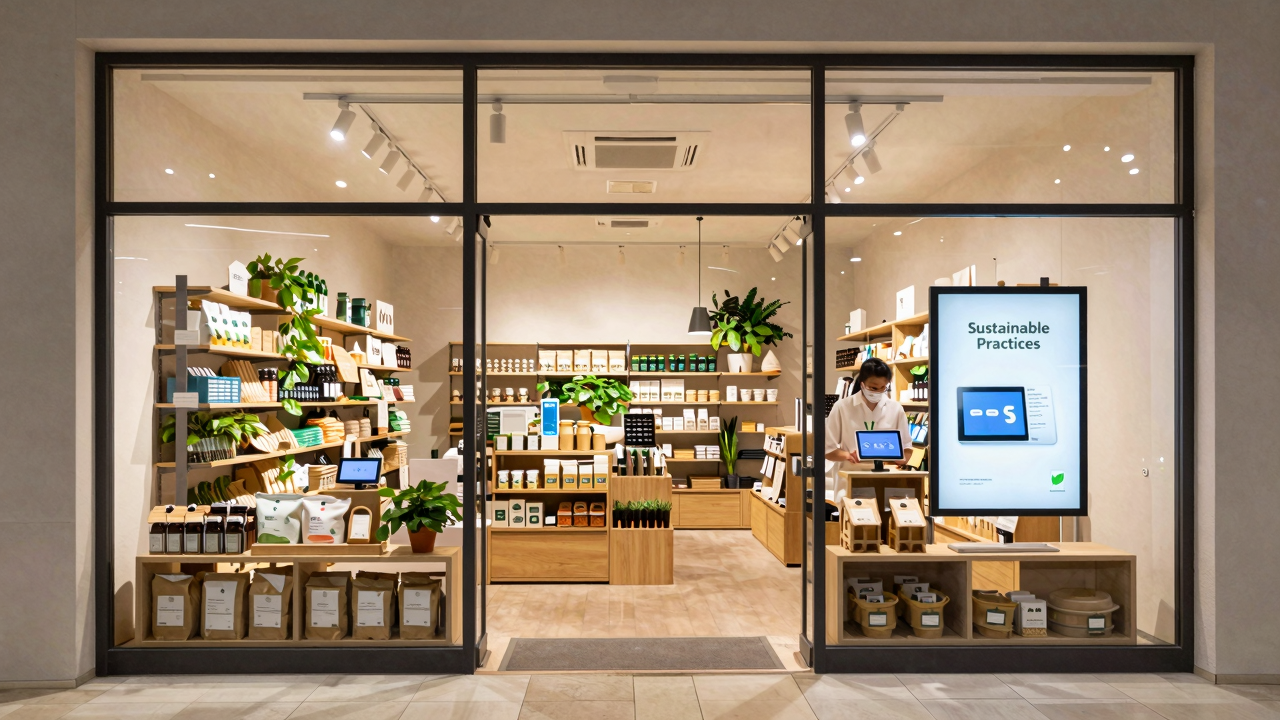
Technology plays an essential role in enhancing sustainability in retail, as it provides tools that help you make smarter decisions. By leveraging these technologies, you can markedly improve your sustainable practices.
| Technology | Benefits | Actions to Take |
|---|---|---|
| Blockchain | Enhances supply chain transparency | Implement traceability in sourcing |
| Artificial Intelligence (AI) | Optimizes inventory management, reducing waste | Use AI for better forecasting |
| Digital Technologies | Supports circular design principles | Design products for longevity and recycling |
| Advanced Data Analytics | Tracks sustainability metrics effectively | Monitor compliance and operational efficiency |
Using AI can reduce greenhouse gas emissions by up to 65% through improved logistics. By adopting these technologies, you not only boost efficiency but also contribute to a more sustainable retail landscape. Start integrating these tools today to make a tangible impact.
Case Studies of Sustainable Retail Success
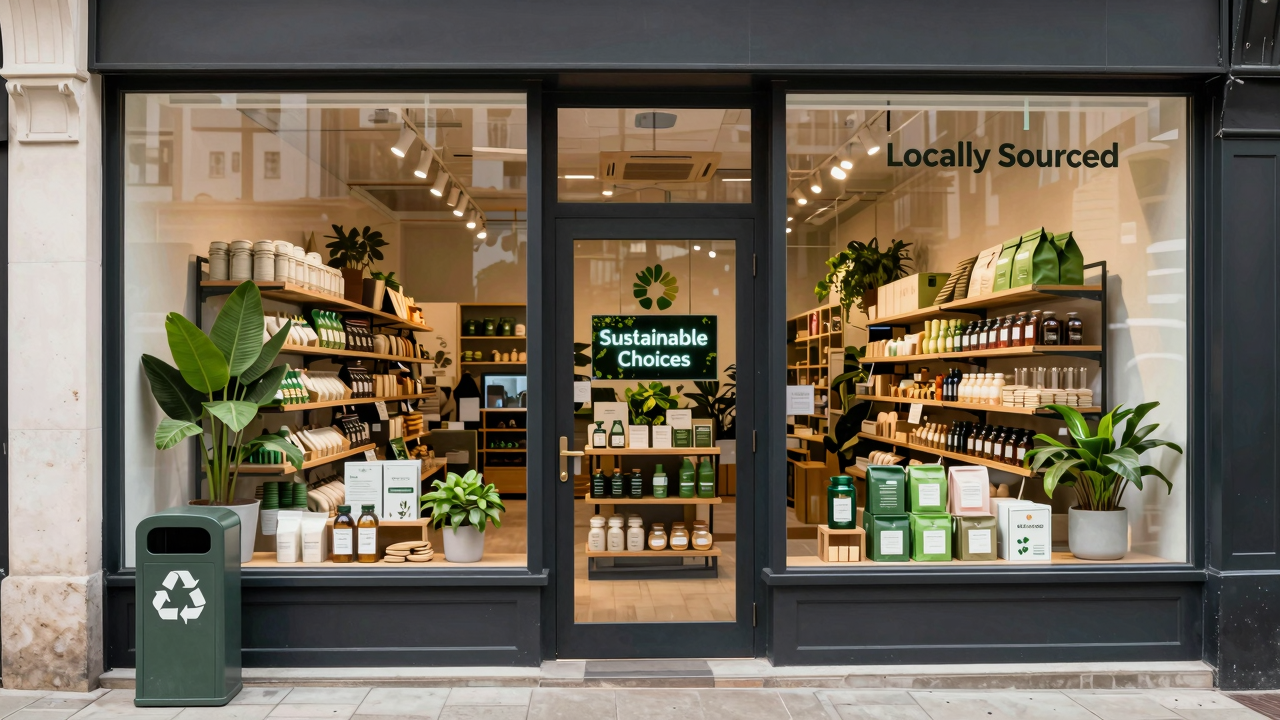
As you explore successful examples of sustainable retail, consider how brands like Reformation, Patagonia, and IKEA have turned eco-friendly practices into a core part of their business models.
Reformation uses eco-friendly fabrics made from recycled materials and ships all orders carbon neutral, setting a strong example for online retailers.
Patagonia stands out by offering repair services and promoting second-hand sales, while pledging 1% of sales to environmental causes, showing a commitment beyond just profit.
IKEA aims for a circular economy by 2030, focusing on renewable or recycled materials and buy-back programs for used furniture.
[embedded content]
UncommonGoods sources products from artists using recycled materials, with over half made in the USA to cut transportation emissions.
By adopting similar strategies, you can enhance your brand’s sustainability, reduce waste, and attract eco-conscious consumers.
Start small, implement changes, and measure your impact for continuous improvement.
Navigating Regulations in Sustainable Retail
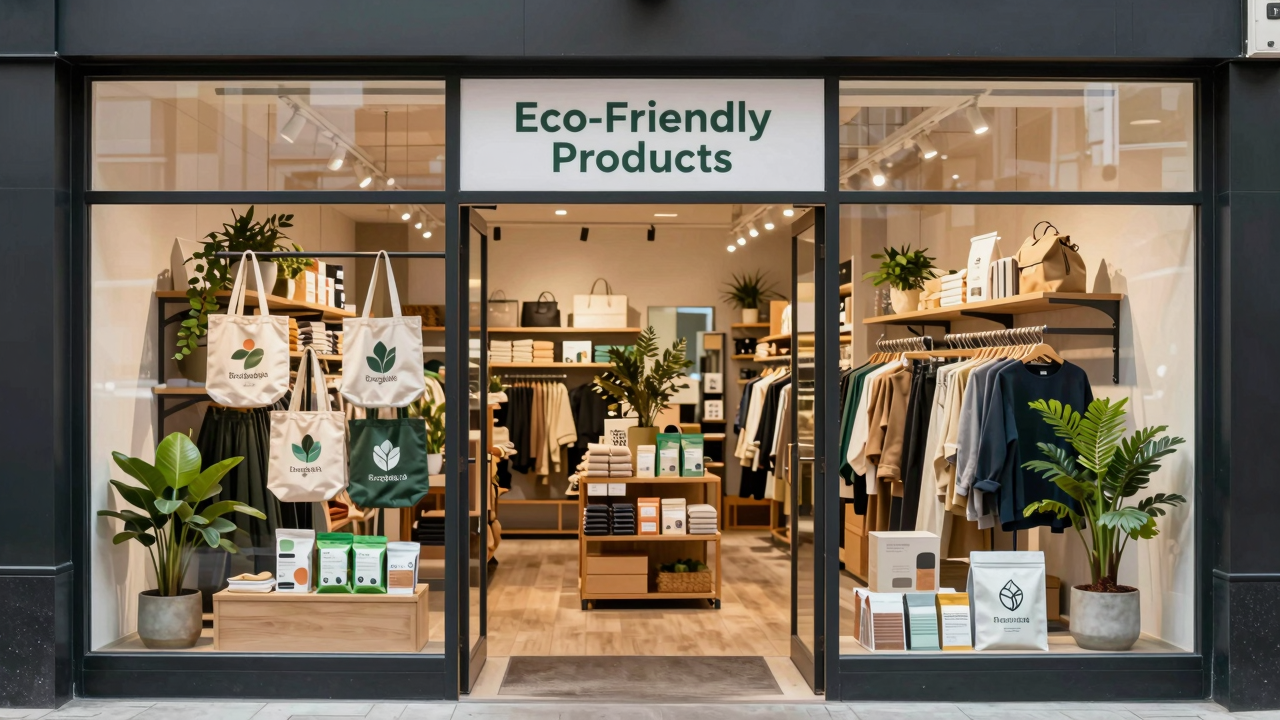
Maneuvering the complex landscape of sustainability regulations in retail requires a proactive approach, especially as governments impose stricter laws aimed at reducing carbon emissions and waste.
Start by familiarizing yourself with frameworks like the Corporate Sustainability Reporting Directive (CSRD), which mandates reporting on about 1,100 environmental data points. This compliance isn’t just about avoiding penalties; it enhances your corporate responsibility and boosts your reputation.
Next, assess your current sustainability practices. Identify areas where you can improve, such as logistics and supply chain management.
Streamlining these processes can considerably lower greenhouse gas emissions, potentially by up to 65% using intermodal transport.
Don’t forget to engage with your customers and investors. Transparency about your sustainability efforts builds trust and aligns with the growing emphasis on Environmental, Social, and Governance (ESG) compliance.
The Future of Sustainability in the Retail Industry
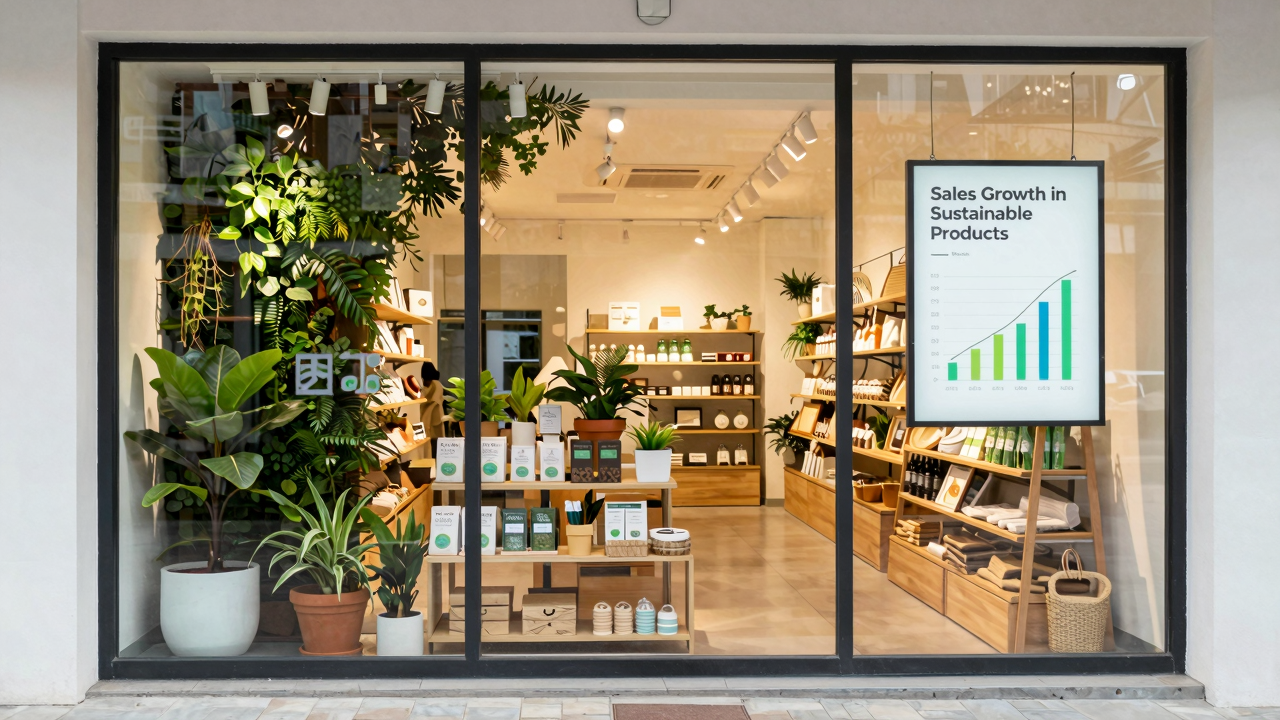
Sustainability in retail is evolving rapidly, driven by both consumer demand and regulatory pressure. You need to adapt your strategies to stay competitive. The resale market is booming, expected to grow seven times faster than traditional retail. Embrace circular economy principles to enhance sustainability and profitability.
Here’s a quick overview of key trends shaping the future:
| Trend | Action Steps |
|---|---|
| Resale Market Growth | Consider adding a resale section |
| Circular Economy Focus | Implement waste reduction initiatives |
| Consumer Demand Shift | Promote sustainable products |
| Technology Investment | Invest in AI and blockchain for transparency |
Approximately 73% of consumers are willing to change their buying habits for sustainability. By integrating high ESG practices, you can greatly boost your operating margins. Focus on these trends, and you’ll not only meet consumer expectations but also improve your bottom line.
Frequently Asked Questions
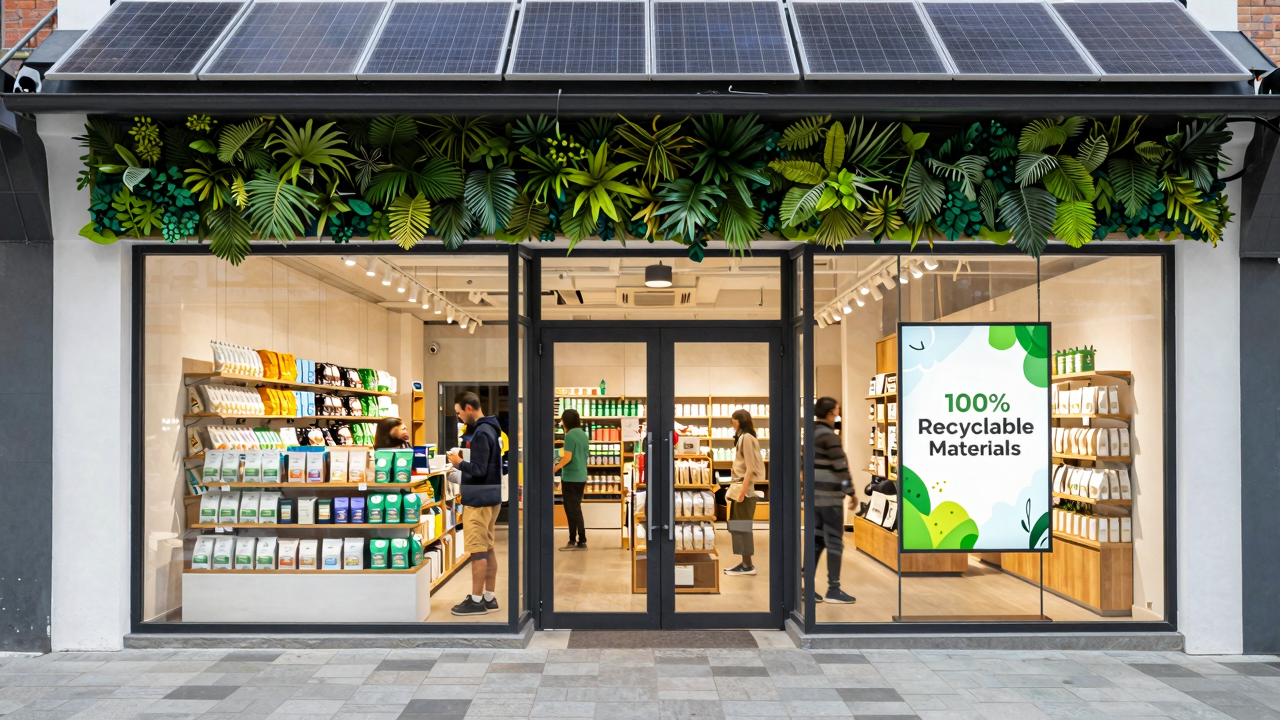
What Are 5 Examples of Sustainability?
You can explore sustainability by focusing on five key examples.
First, use products with recycled materials, like Dr. Bronner’s packaging.
Second, choose eco-friendly fabrics, such as those from Reformation.
Third, support retailers that offer carbon-neutral shipping.
Fourth, look for businesses powered by renewable energy, like solar or wind.
Finally, engage with Circular Economy brands that practice circular economy principles, extending product life cycles and promoting recycling.
These actions help reduce environmental impact effectively.
What Are the 4 Types of Sustainability?
The four types of sustainability are environmental, social, economic, and cultural.
Focus on environmental sustainability by reducing waste and using renewable resources.
For social sustainability, guarantee fair labor practices and responsible sourcing.
To achieve economic sustainability, implement strategies that promote long-term profitability while balancing these responsibilities.
Finally, embrace cultural sustainability by supporting local artisans and preserving traditions.
What Is a Simple Definition of Sustainability?
Sustainability means meeting your needs without harming the environment for future generations. It involves using resources wisely, reducing waste, and minimizing pollution.
To practice sustainability, you can choose eco-friendly products, recycle whenever possible, and support companies that prioritize green practices. You might also consider reducing energy consumption at home, like using LED bulbs or energy-efficient appliances.
Every small action counts, so look for ways to incorporate sustainable habits into your daily life.
What Are the 5 C’s of Sustainability?
The 5 C’s of sustainability are Conscious Consumption, Circular Economy, Collaboration, Compliance, and Consumer Demand.
First, focus on making informed purchases that reduce your environmental impact.
Next, support products designed for longevity and recyclability.
Collaborate with stakeholders to enhance eco-friendly practices.
Stay updated on regulations to maintain your brand’s reputation.
Finally, recognize the growing consumer preference for sustainable options, and adapt your strategies to meet this demand, enhancing your market position.
Conclusion
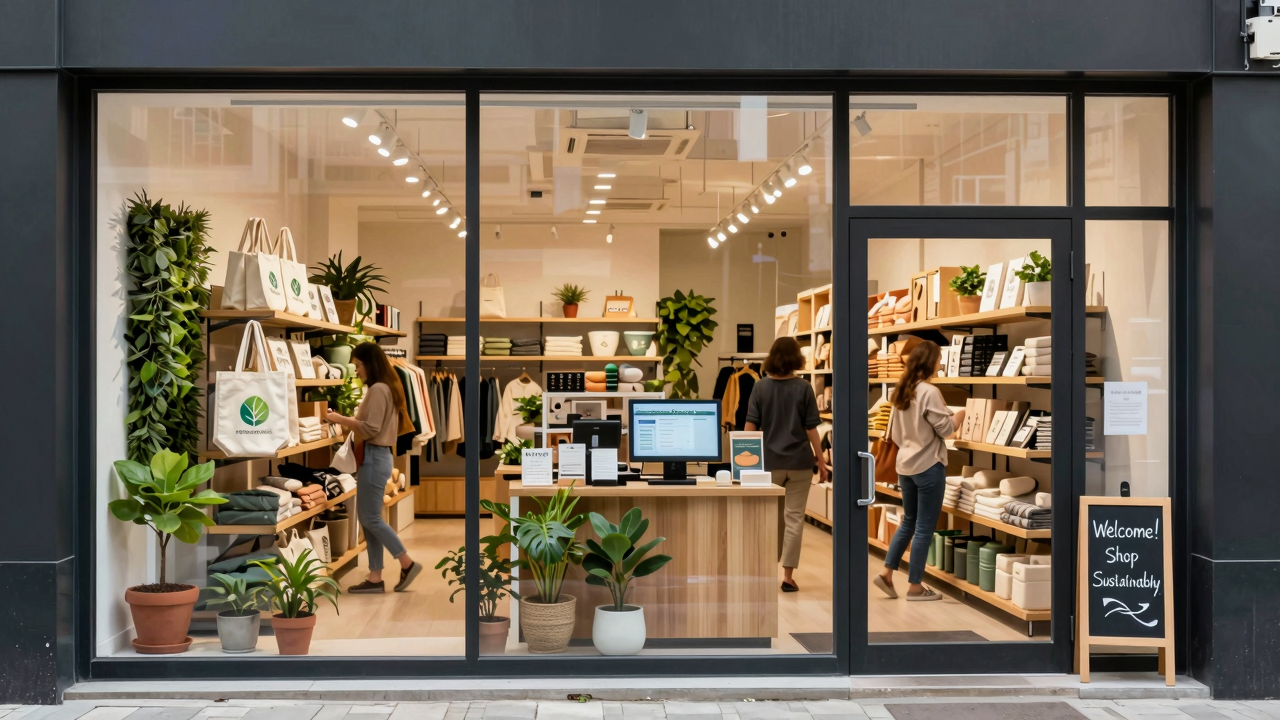
Incorporating sustainability into your retail strategy isn’t just good for the planet; it boosts your brand’s reputation and attracts conscious consumers. Start by evaluating your supply chain for eco-friendly options, reducing waste through better packaging, and implementing energy-efficient practices. Stay informed about regulations and leverage technology to track your progress. By making these changes, you’ll not only meet consumer demands but also position your business for long-term growth and success in a competitive market.
[embedded content]
Image via Google Gemini and Small Business Trends