
This post was originally published on this site.
A Payroll Management System is a software tool that automates the process of calculating employee wages, taxes, and deductions. It integrates time and attendance data, ensuring accurate payroll processing during compliance with legal regulations. This system not only simplifies administrative tasks but additionally provides transparency and builds trust within the workforce. Comprehending its core functions and benefits can greatly improve your organization’s payroll efficiency. But what should you consider when selecting the right system?
Key Takeaways
- A Payroll Management System automates the calculation of employee wages, deductions, and tax withholdings for compliance with regulations.
- It integrates with time and attendance systems to ensure accurate wage calculations based on hours worked or salary.
- The payroll process consists of pre-payroll, calculations, and post-payroll phases for organized and compliant payroll management.
- Compliance requires timely filing of forms and accurate reporting of federal, state, and local taxes to avoid penalties.
- Payroll management software enhances efficiency, guarantees accurate deductions, and provides employee self-service options for better engagement.
Definition of a Payroll Management System

A payroll management system is an vital software solution that automates the complex processes involved in calculating employee wages, deductions, and tax withholdings.
This system integrates seamlessly with time and attendance systems, ensuring that the hours worked are accurately reflected in wage calculations, which greatly reduces the risk of errors.
In payroll management in HR, maintaining compliance with federal and state payroll regulations is critical. A payroll management system helps organizations meet their legal obligations to employees and government agencies effectively.
You can operate these systems manually, use in-house software, or outsource to third-party providers, offering you flexibility based on your business needs and size.
Importance of Payroll Management

Grasping the importance of payroll management is vital for your organization’s success. It not only improves employee engagement by ensuring timely and accurate compensation, but it furthermore guarantees compliance with regulatory requirements, helping you avoid hefty fines.
Moreover, organized financial records from effective payroll management support smooth audits and strategic decision-making, ensuring your business remains on solid ground.
Employee Engagement Enhancement
Although many factors contribute to employee engagement, an effective payroll management system plays a crucial role in enhancing this aspect of the workplace. By ensuring timely and accurate wage payments, it nurtures trust and loyalty among staff.
When employees receive clear pay statements and have access to self-service portals, it increases transparency regarding their compensation, leading to higher satisfaction levels. Accurate payroll management likewise prevents wage claims and disputes, helping maintain a positive workplace environment.
Furthermore, streamlined payroll processes reduce administrative burdens on HR, allowing them to focus more on employee relations and engagement initiatives. This ultimately develops a more motivated workforce, as employees feel valued and confident in the company’s commitment to their rights and wellbeing.
Regulatory Compliance Assurance
Effective payroll management doesn’t just improve employee engagement; it also plays a significant role in ensuring regulatory compliance.
A payroll management system helps you stay on track with various regulations by:
- Automatically calculating and withholding federal, state, and local taxes, minimizing the risk of costly penalties.
- Maintaining accurate payroll records to support compliance with federal and state payroll recordkeeping laws, essential for audits.
- Alerting you to changes in payroll regulations and tax laws, preventing potential legal issues.
- Ensuring accurate payroll processing, which helps avoid wage claims from employees, thereby promoting trust and satisfaction.
Financial Record Organization
When managing payroll, organizing financial records is vital for maintaining an effective and compliant business operation. A payroll management system accurately tracks employee wages, hours worked, and deductions for each pay period, ensuring timely and precise compensation.
It maintains detailed records of these transactions, which are important for complying with federal and state tax regulations, helping you avoid penalties from incorrect filings. Additionally, payroll systems provide transparent pay statements to employees, detailing gross pay, deductions, and net pay, which cultivates trust within your workforce.
Core Functions of a Payroll Management System

When you think about a payroll management system, it’s crucial to understand its core functions.
It efficiently calculates wages based on hours worked or salary agreements, manages tax withholdings to guarantee compliance, and maintains accurate records for all employee payments.
Wage Calculation Processes
A payroll management system plays a crucial role in accurately calculating employee wages, as it not just tracks the hours worked for hourly employees but also applies salary agreements for those on a fixed salary. This guarantees precise compensation based on the pay period.
Key components of wage calculation processes include:
- Tracking hours worked and overtime to determine total pay.
- Applying salary agreements for fixed salary employees.
- Processing various deductions, such as taxes and Social Security.
- Maintaining compliance with legal requirements through detailed records.
Tax Withholding Management
Effective wage calculation naturally leads to the need for efficient tax withholding management, a core function of any payroll management system. This system automates the calculation and withholding of federal, state, and local taxes, ensuring compliance with regulations as it minimizes penalties. It accurately tracks employee tax information, such as exemptions from Form W-4, and provides real-time updates on tax law changes for timely adjustments. Furthermore, it generates necessary tax forms like W-2s and files them with government agencies on your behalf, reducing your administrative burden. Here’s a quick overview of key aspects:
| Function | Description |
|---|---|
| Tax Calculation | Automates federal, state, and local taxes |
| Exemption Tracking | Tracks employee exemptions and requests |
| Compliance Updates | Provides real-time tax law changes |
| Form Generation | Creates and files W-2s automatically |
| Administrative Relief | Reduces manual processes and errors |
Record Maintenance Compliance
Maintaining accurate records is essential for any payroll management system, as it guarantees compliance with labor laws and provides fundamental data for financial reporting.
Here are key aspects of record maintenance compliance:
[embedded content]
- Comprehensive Records: The system tracks employee wages, hours worked, deductions, and tax withholdings.
- Retention Periods: It retains payroll records for at least three years, as mandated by the IRS and regulatory agencies.
- Detailed Pay Statements: Employees receive pay stubs that include gross pay, deductions, and net pay, ensuring transparency per state laws.
- Automatic Updates: The software updates with changes in tax regulations, maintaining compliance and preventing penalties.
Calculating Employee Wages
Calculating employee wages involves several key components that secure accuracy and compliance with labor regulations.
For hourly employees, the payroll management system tracks hours worked, whereas for salaried employees, it applies salary agreements to determine compensation. This guarantees you pay employees accurately based on their agreed terms.
The system likewise incorporates various deductions, such as federal and state taxes, Social Security, and Medicare, along with any additional benefits or garnishments.
Automated wage calculations minimize errors, enhancing payroll accuracy and reducing the risk of costly penalties.
Processing Payroll Taxes
Processing payroll taxes is an essential part of the payroll management system that requires careful attention to detail. As an employer, you need to guarantee accurate calculations and timely payments to avoid penalties. Here’s what you should keep in mind:
- Mandatory Contributions: Payroll taxes include federal, state, and local income taxes, plus Social Security and Medicare taxes.
- Accurate Calculations: Always use current tax rates to calculate the correct amount to withhold from employees’ wages.
- Timely Payments: Submit payroll taxes to the appropriate government agencies on time to prevent costly penalties.
- Required Returns: File necessary forms, such as Form 941, which reports withheld income, Social Security, and Medicare taxes, typically on a quarterly basis.
Utilizing a payroll management system can automate these processes, reducing human error and guaranteeing compliance with changing tax regulations, ultimately saving you time and avoiding hefty fines.
Ensuring Compliance With Regulations

When managing payroll, ensuring compliance with regulations is essential to protect your business from costly penalties.
A robust payroll management system automatically calculates and withholds taxes, whereas maintaining detailed records that meet documentation standards for audits.
Staying informed about changes in local laws helps you adapt quickly, avoiding legal issues and ensuring smooth operations.
Regulatory Compliance Importance
Regulatory compliance is crucial in payroll management, as failing to adhere to established laws can lead to significant financial penalties and reputational damage for your organization.
In 2023, the IRS assessed $8.5 billion in civil penalties for non-compliance, emphasizing the importance of maintaining accurate payroll practices.
Here are key aspects of compliance you should consider:
- Guarantee accurate withholding and reporting of federal, state, and local taxes.
- Keep up with evolving labor laws, such as wage and hour regulations.
- Use payroll systems to maintain organized records for audits and retention timelines.
- Leverage regular updates and alerts in payroll software to adapt to tax regulation changes.
These steps will help you protect your organization from legal risks and nurture employee trust.
Documentation and Recordkeeping Standards
Accurate documentation and recordkeeping standards form the backbone of effective payroll management and help guarantee compliance with regulations.
To meet federal and state payroll recordkeeping laws, you must maintain organized records of employee wages, hours worked, and tax withholdings. It’s vital to keep payroll records for at least three years, which should include time cards, pay rates, and deductions from paychecks.
Proper documentation helps prevent wage claims and guarantees timely tax deposits and filings, as poor recordkeeping can lead to penalties. Implement secure electronic recordkeeping methods to protect sensitive information while guaranteeing easy access for audits.
Finally, regularly update and audit payroll records to adapt to changing regulations and avoid potential legal issues.
Methods of Payroll Management

Selecting the right method for payroll management is vital for any business, as it directly impacts efficiency and compliance. There are several methods to evaluate:
- Manual Processing: This method is time-consuming and prone to errors, especially for larger teams.
- Payroll Management Software: Automating calculations and integrating with time and attendance systems, this option reduces administrative burdens and guarantees compliance with tax laws.
- Outsourcing Payroll: By leveraging third-party expertise, you can minimize administrative responsibilities, though this may come with higher costs.
- Hybrid Approach: Combining in-house software for routine payroll with outsourced services for specialized tasks, like international payroll, offers flexibility and scalability.
Each method has unique benefits and drawbacks. It’s important to assess your business size, budget, and specific needs to select the most suitable payroll management option.
Phases of the Payroll Management Process
Comprehending the phases of the payroll management process is vital for guaranteeing that employee compensation is handled efficiently and accurately. The process consists of three main phases: pre-payroll, calculations, and post-payroll.
In the pre-payroll phase, you gather and verify employee data, including hours worked and any necessary adjustments, to prepare for payroll processing. This step sets the foundation for an accurate payroll cycle.
During the calculations phase, you compute gross pay, apply deductions such as taxes and benefits, and determine net pay before disbursement. This guarantees that all financial obligations are met correctly.
[embedded content]
The post-payroll phase involves reconciling payroll records, depositing withheld taxes with government agencies, processing payments, and providing employees with pay statements for transparency.
Adhering to defined policies and local regulations throughout each phase is vital to maintain accurate recordkeeping and prevent penalties associated with payroll errors.
Benefits of Using Payroll Management Software

Have you ever wondered how payroll management software can transform your business operations? This technology offers several key benefits that can improve efficiency and accuracy in payroll processing:
- Time Savings: Automating wage calculations can speed up processing by up to 80%, reducing manual errors considerably.
- Tax Compliance: The software guarantees accurate deductions for federal, state, and local taxes, helping you avoid costly penalties.
- Employee Self-Service: With self-service portals, employees can access their payslips, tax documents, and leave balances, enhancing transparency and satisfaction.
- Data Analytics: Payroll systems generate detailed reports and analytics on payroll trends, aiding informed financial decision-making.
Additionally, cloud-based solutions offer scalability and support remote access without incurring extra infrastructure costs.
Choosing the Right Payroll Management System

Choosing the right payroll management system is vital for optimizing your business’s payroll processes. Start by evaluating the provider’s reputation through customer reviews, case studies, and support availability. This research helps guarantee reliability and quality service.
Next, consider security features like data encryption and multi-factor authentication to protect sensitive employee information and comply with data protection regulations.
It’s also important that the payroll system can integrate seamlessly with your existing software solutions, such as HR and accounting systems, to avoid data duplication and improve efficiency.
Assess the scalability of the system to accommodate future business growth and changes in employment contracts or labor regulations.
Finally, examine the reporting capabilities, including compliance reports and payroll trends, which facilitate informed decision-making and strategic planning within your organization.
Taking these factors into account will help you choose a payroll management system that meets your specific needs.
Integrating Payroll Management With Other Systems
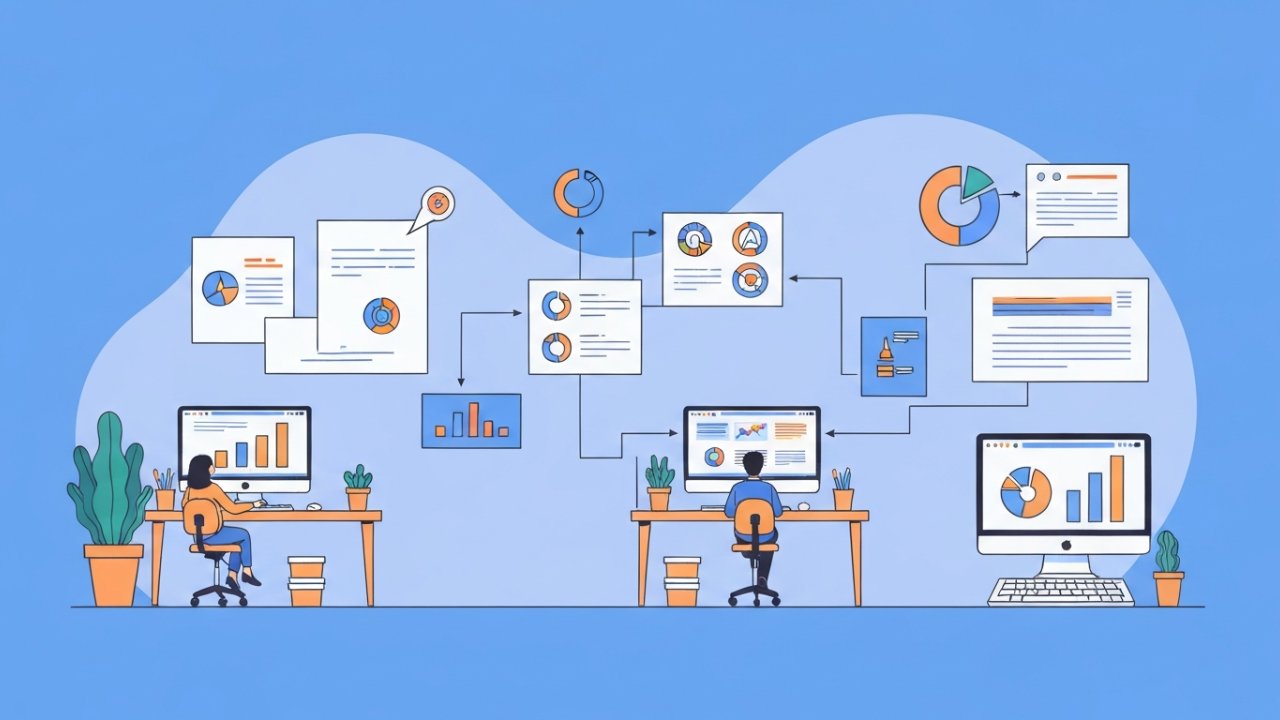
Integrating payroll management with other systems is essential for streamlining your business operations and improving overall efficiency. By doing so, you can boost accuracy and reduce manual entry.
Here are some key benefits:
- Seamless Data Sharing: Connect your payroll system with ADP to maintain accurate employee records effortlessly.
- Automated Time Tracking: Sync payroll software with time and attendance systems to guarantee precise wage calculations and compliance with labor regulations.
- Financial Integration: Link with Intuit for automatic posting of payroll expenses, simplifying financial reporting and record-keeping.
- Custom Workflows: Utilize APIs to integrate with other business software, allowing you to create customized workflows that improve operational efficiency.
The Evolution of Payroll Management

As businesses evolve, so too does the payroll management environment, shifting from manual, paper-based processes to sophisticated automated software solutions. Historically, payroll was often seen as a back-office function, but it’s now recognized as a strategic driver of trust and employee engagement. This transformation highlights the significance of efficient payroll operations.
Today, payroll systems incorporate artificial intelligence, enabling personalized pay statements and enhancing fraud detection. Companies like SAP have developed intelligent payroll systems, such as SAP SuccessFactors Employee Central Payroll, which streamline processes and guarantee compliance with local regulations.
As your business grows and globalizes, adopting payroll systems that adapt to diverse employment laws becomes essential. These systems additionally provide real-time insights into compensation trends, making them indispensable tools for modern organizations.
This evolution reflects a broader trend of integrating technology into core business functions, eventually improving operational efficiency and employee satisfaction.
How ADP Supports Payroll Management

When businesses seek effective payroll management solutions, ADP stands out by offering an extensive suite of tools designed to simplify the payroll process.
Here are key features that improve payroll management:
- Automated Wage and Tax Calculations: This streamlines payroll processing, greatly reducing administrative burdens.
- User-Friendly Self-Service Applications: Employees can access their payroll information easily, improving transparency and engagement.
- Diverse Payment Options: ADP supports paycheck, direct deposit, and pay card options, catering to various employee preferences.
- Tax Compliance Management: The platform handles tax withholding and payments, guaranteeing compliance with federal, state, and local regulations.
Additionally, ADP’s robust reporting capabilities help businesses maintain compliance and manage payroll-related documentation effectively.
Frequently Asked Questions
How Does a Payroll Management System Work?
A payroll management system works by collecting employee data, such as hours worked and salary information. It calculates gross pay for each pay period, ensuring accuracy.
The system automatically deducts taxes and other withholdings according to applicable regulations, minimizing errors. It generates pay statements for employees, offering transparency about their earnings and deductions.
Furthermore, it maintains detailed records, crucial for audits and compliance, and may integrate with time and attendance software for efficiency.
What Are the 4 Control Objectives of a Payroll System?
The four control objectives of a payroll system are fundamental for effective management.
First, you need accurate wage calculations to guarantee employees are paid correctly.
Second, compliance with tax regulations is critical to avoid potential penalties.
Third, protecting sensitive employee data, such as Social Security numbers, is necessary through robust security measures.
Finally, timely payment processing keeps employees satisfied, making sure they receive their wages on schedule without delays.
What Are the Two Goals of a Payroll System?
A payroll system has two main goals: first, it guarantees accurate calculation and distribution of employee wages, factoring in hours worked, salary agreements, and necessary deductions.
Second, it maintains compliance with tax laws by correctly withholding taxes and making timely payments to government agencies.
What Are the Three Types of Payroll?
There are three main types of payroll: manual payroll management, payroll software, and outsourced payroll services.
In manual payroll, you use spreadsheets to track payments, which works well for smaller businesses.
Payroll software automates calculations and record-keeping, making it more efficient for medium to large companies.
Outsourced payroll services involve third-party providers managing payroll tasks, ensuring compliance as you focus on your core operations.
Each option caters to different business needs.
Conclusion

In conclusion, a Payroll Management System is crucial for automating wage calculations and ensuring compliance with tax regulations. By streamlining processes, it minimizes administrative tasks during maintaining accurate records, which helps build trust within the workforce. Choosing the right system and integrating it with existing software can further improve efficiency. As payroll management continues to evolve, comprehending these systems allows organizations to adapt and enhance their payroll processes, eventually leading to timely and accurate employee compensation.
[embedded content]
Image via Google Gemini