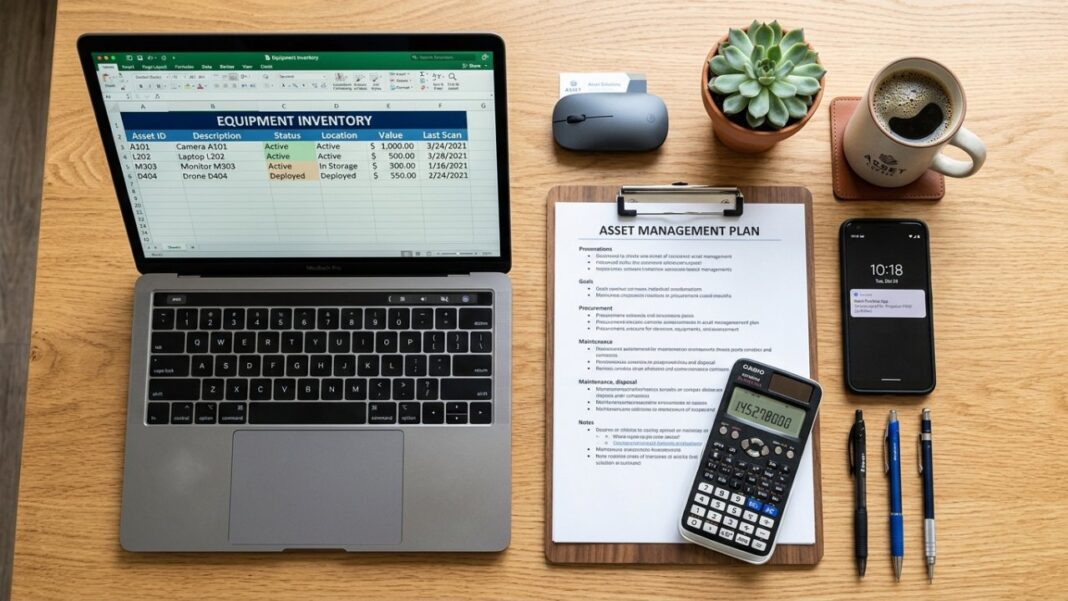

An equipment asset is an essential part of your business, encompassing items like machinery, vehicles, and tools. These tangible resources boost your operational efficiency and productivity, which can drive growth. Managing these assets effectively is key to maintaining a competitive edge and improving your financial health. To maximize their value, you need to understand how they work and how to assess their worth. Let’s explore the importance of these assets and how to manage them effectively.
Key Takeaways
- Equipment assets are tangible, long-term resources essential for operations, including machinery, vehicles, and tools that support productivity.
- They enhance operational efficiency and serve as long-term investments that contribute to business stability and growth.
- Equipment assets provide tax advantages through depreciation, improving financial health and overall company valuation.
- Effective management of equipment assets involves tracking usage, maintenance, and lifecycle evaluations to ensure optimal performance.
- Future trends, like IoT and AI, are transforming how equipment assets are utilized, promoting efficiency and sustainability in operations.
What Is an Equipment Asset and How Does It Work?
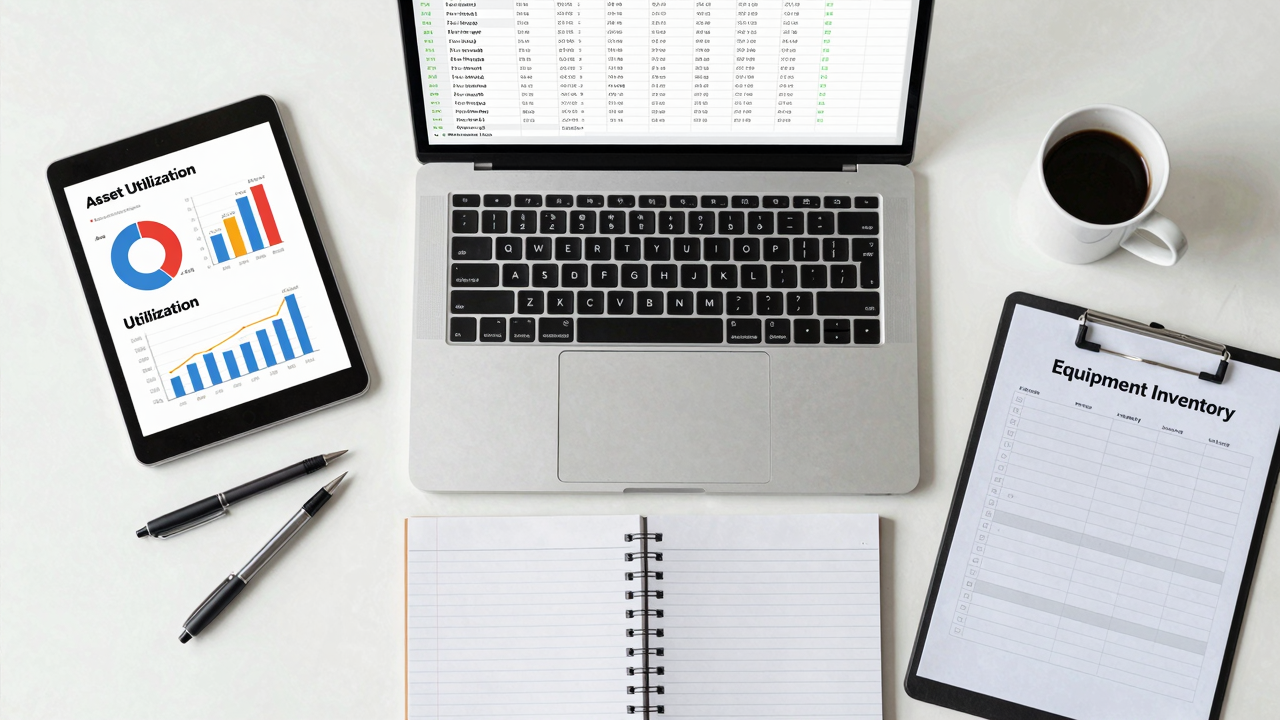
An equipment asset is a significant part of your business toolkit, acting as a long-term resource that helps drive revenue. These tangible resources, like machinery, vehicles, and tools, are essential for daily operations. Classified as non-current assets, they depreciate over time, reflecting wear and usage. By capitalizing on these equipment assets, you can spread costs over their useful life, improving your cash flow.
To maximize the benefits of your equipment assets, assess their useful life based on historical data, which typically ranges from 10 to 20 years. Regular maintenance is important; it not only prolongs the life of your assets but also guarantees they operate efficiently.
Additionally, consider timely upgrades to keep your equipment up to date. By effectively managing your equipment assets, you can enhance operational efficiency and sustain productivity, ultimately driving your business’s success.
Why Equipment Assets Matter for Business Success
Understanding the role of equipment assets in business success is key to optimizing your operations. These assets are crucial for maintaining operational efficiency, as they enable you to produce goods and services that drive revenue. Properly managing these fixed assets can enhance your company’s financial health and strengthen your balance sheet.
Here’s a quick overview of why equipment assets matter:
| Aspect | Importance | Impact on Business |
|---|---|---|
| Operational Efficiency | Streamlines production | Increases output and reduces costs |
| Long-Term Investment | Non-current assets | Supports stability and growth |
| Depreciation Benefits | Tax advantages | Reflects accurate asset value over time |
| Fixed Asset Turnover | Indicates utilization efficiency | Shows ability to generate sales effectively |
| Financial Health | Strengthens property, plant, and equipment (PP&E) | Improves overall company valuation |
Focusing on these elements will help you leverage your equipment assets for lasting business success.
Key Characteristics of Equipment Assets
When you look at equipment assets, it’s clear they play an essential role in your business operations. Equipment is considered a tangible item that aids in producing goods or services, and it falls under property, plant, and equipment (PP&E) on your balance sheet.
Typically, these assets have a useful life of over a year, meaning they’ll depreciate over time due to wear and tear. Examples include machinery, vehicles, and tools, all critical for maintaining operational efficiency.
It’s important to remember that effective management of equipment assets is fundamental for financial stability. Establish a capitalization threshold, often set around $1,000, to determine which purchases should be recorded as fixed assets.
Regularly assess these assets to guarantee they continue to contribute to your revenue generation and operational capacity. By strategically managing equipment, you can enhance productivity and make informed decisions on future investments.
How to Calculate and Assess the Value of Equipment Assets With Real-World Examples
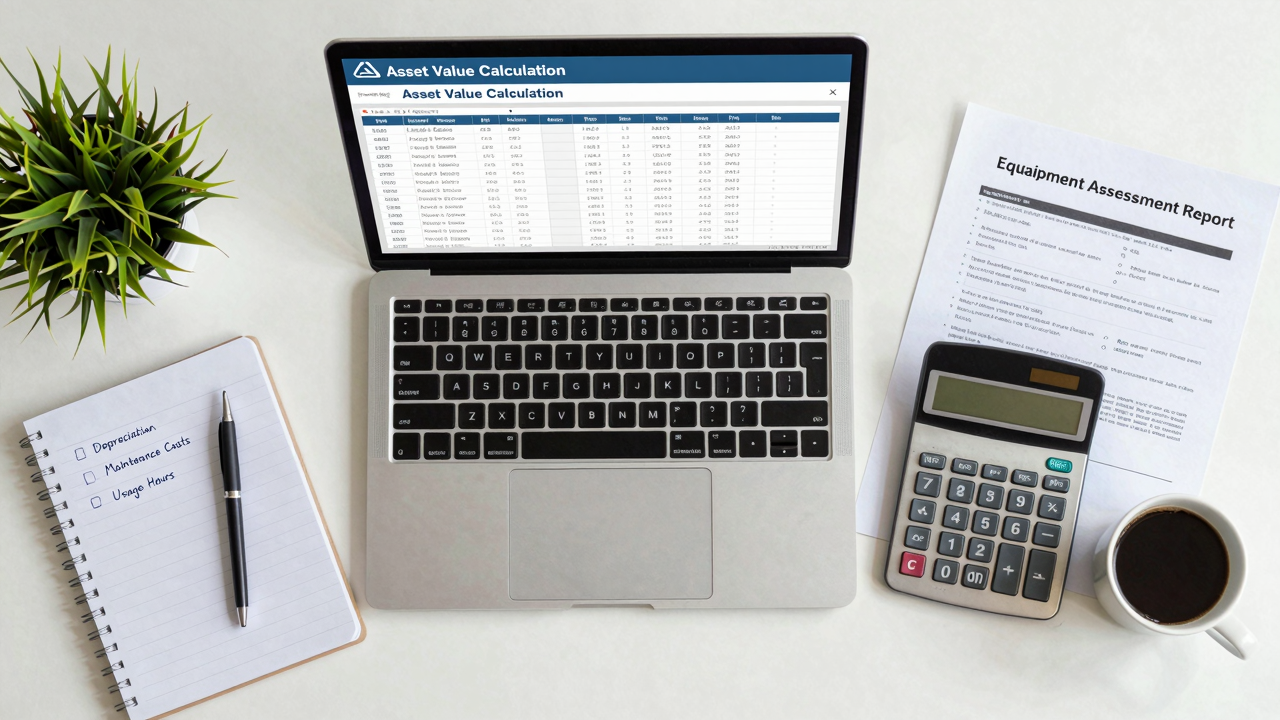
When it comes to valuing your equipment assets, you’ll want to start by understanding different valuation methods.
For instance, calculating the net book value helps you see how much your equipment is worth after accounting for depreciation.
Equipment Valuation Methods
To effectively value your equipment assets, you need to choose the right method based on your specific situation.
In accounting, the cost approach is straightforward; it includes the purchase price, installation, and shipping costs. For instance, if a machine costs $100,000 and lasts ten years, it depreciates by $10,000 annually using the straight-line method.
Alternatively, the market approach compares your equipment’s value with similar assets’ sale prices. If you have specialized machinery, consider the income approach, which evaluates future benefits.
Regular assessments are essential; if market conditions change and similar equipment drops in price, adjust your valuation accordingly. This proactive approach guarantees you maintain accurate asset values and informed financial decisions.
Real-World Assessment Examples
Valuing equipment assets requires practical methods rooted in real-world scenarios. To assess the value of equipment on the balance sheet, follow these steps:
- Calculate the net equipment value by subtracting accumulated depreciation from the original purchase cost.
- For example, if a machine costs $150,000 and has $50,000 in accumulated depreciation, its net value is $100,000.
- Determine the Fixed Asset Turnover Ratio by dividing net annual sales by the net value of fixed assets.
- Regularly assess maintenance costs and operational efficiency to understand ongoing value.
How Equipment Asset Depreciation Works
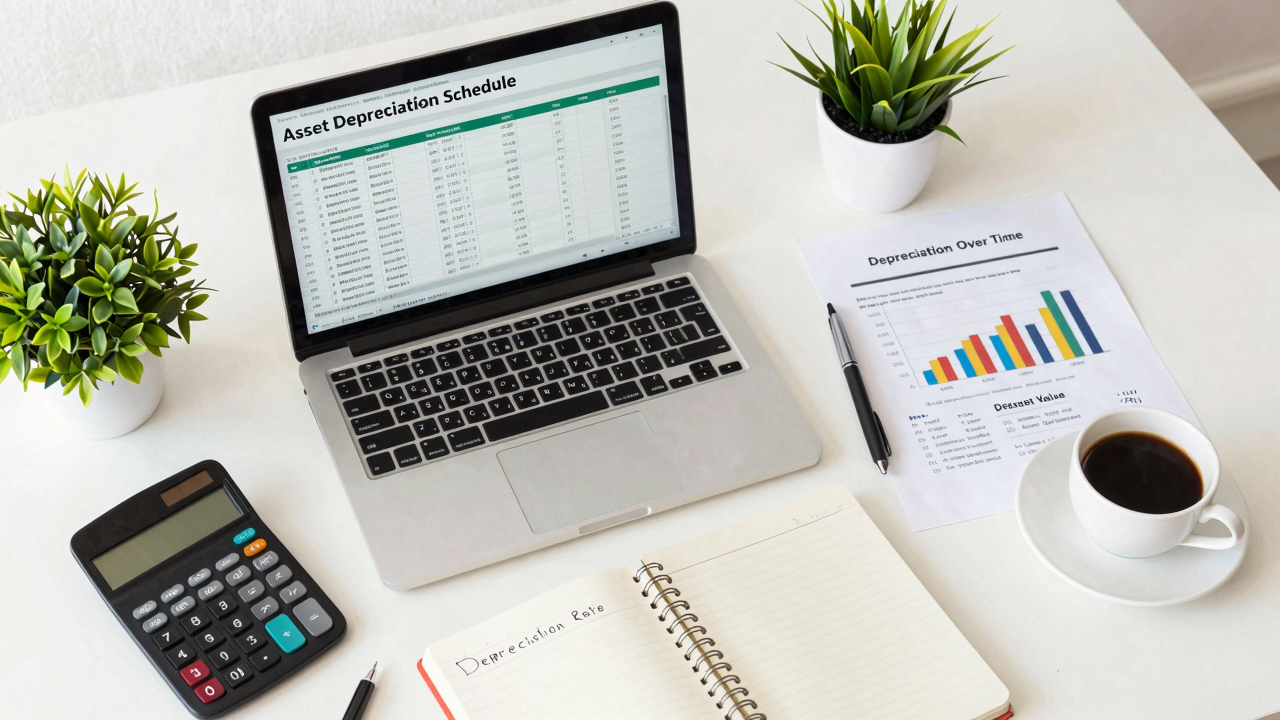
Understanding how equipment asset depreciation works is key to managing your finances effectively.
You should know that different methods, like the straight-line approach, spread the cost of an asset over its useful life, which directly impacts your financial statements and tax liabilities.
Depreciation Methods Explained
Equipment depreciation plays a key role in how businesses manage their assets and financial health. Understanding the various depreciation methods explained can help you make informed decisions.
Here are the key methods you should know:
- Straight-Line Method: Spreads the asset’s cost evenly over its useful life.
- Declining Balance Method: Accelerates depreciation, allowing for higher expenses initially.
- Modified Accelerated Cost Recovery System (MACRS): Offers tax advantages through accelerated depreciation.
- Units of Production Method: Bases depreciation on the asset’s usage rather than time.
Choosing the right method is essential for accurately reflecting your equipment’s value.
This impacts financial planning and tax obligations, so assess your needs and consult with a financial advisor if necessary.
Impact on Financial Statements
When you account for equipment asset depreciation, it can greatly influence your financial statements. By using the straight-line method, you spread the asset’s cost evenly over its useful life, which impacts your income statement through depreciation expense. This expense reduces your taxable income, affecting overall profitability.
On the balance sheet, accumulated depreciation lowers the equipment’s book value, influencing your net property, plant, and equipment (PP&E) figure reported to investors and creditors. Additionally, this affects financial ratios like the Fixed Asset Turnover Ratio. Efficient equipment use indicates stronger sales relative to your asset base.
To maintain transparency and accuracy, regularly review these figures to understand their impact on financial statements.
Tax Implications of Depreciation
While managing your business’s finances, you’ll find that understanding the tax implications of depreciation can save you money.
[embedded content]
Depreciation lets you spread the cost of equipment assets over their useful life, reducing your taxable income. Here are key points to reflect upon:
- Choose between straight-line or declining balance methods for different annual deductions.
- Take advantage of the IRS Section 179 deduction to expense the full cost of qualifying equipment in the purchase year.
- Remember that equipment assets typically have a useful life of 5 to 15 years, affecting your depreciation schedule.
- Keep accurate records to comply with tax regulations and maximize your tax benefits.
Understanding these aspects will help you make informed decisions and optimize your business finances.
Equipment Assets Compared to Other Asset Types
In understanding the role of equipment assets, it’s essential to recognize how they differ from other asset types, particularly intangible and current assets. Equipment assets are tangible, long-term resources that you use in operations, unlike intangible assets like brand reputation, which don’t have a physical presence. Here’s a quick comparison:
| Asset Type | Characteristics | Example |
|---|---|---|
| Equipment Assets | Tangible, depreciate over time | Machinery, vehicles |
| Intangible Assets | Non-physical, do not depreciate | Patents, trademarks |
| Current Assets | Liquidated within a year, short-term value | Cash, inventory |
Top Strategies for Effective Equipment Asset Management
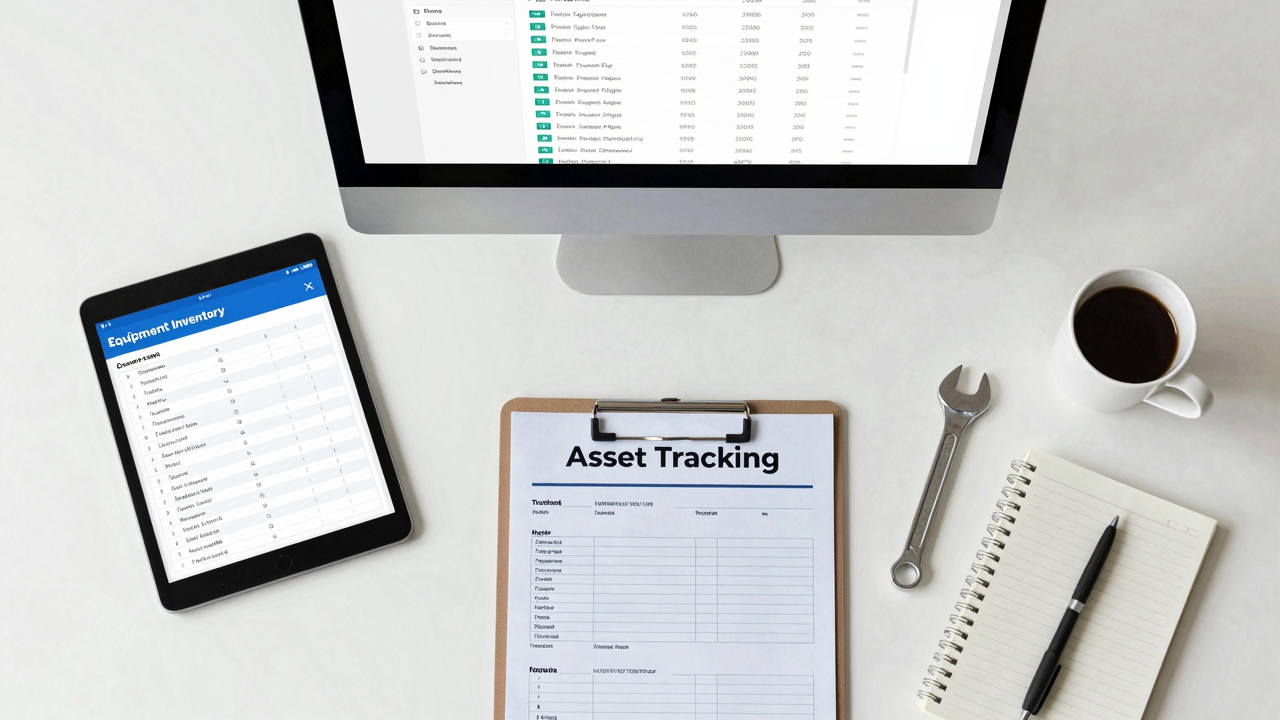
Effective equipment asset management is essential for maximizing your operational efficiency and minimizing costs. To manage your equipment, a fixed asset effectively, consider these top strategies:
- Implement a tracking system: Monitor usage, maintenance schedules, and depreciation to guarantee peak performance.
- Evaluate equipment life cycles: Regularly assess when to upgrade or replace equipment, reducing downtime and boosting productivity.
- Utilize data analytics: Analyze performance metrics to make informed decisions about repairs and replacements, enhancing your capital budgeting process.
- Establish clear policies: Create guidelines for procurement and disposal to ensure compliance and efficient management of capital expenditures.
Challenges in Managing Equipment Assets
Managing equipment assets can be challenging, especially when it comes to accurately tracking depreciation. If you miscalculate this, it can misrepresent your company’s financial health.
Regular maintenance and repairs are also vital; neglecting them can lead to significant costs and operational inefficiencies. To tackle these challenges in managing equipment assets, assess the entire life cycle of your equipment—from acquisition to disposal. This approach helps optimize your investment and minimize losses.
Additionally, be aware of regulatory compliance and asset retirement obligations. These can complicate your management efforts, so maintaining thorough documentation is important.
Establish clear asset management strategies to enhance productivity and reduce downtime. Regularly review your processes and adjust as necessary to keep your operations running smoothly.
Future Trends in Equipment Asset Utilization
As you look to improve your equipment asset utilization, it’s important to reflect on the future trends shaping this field. Embracing these advancements can turn your equipment, a fixed asset, into a more productive resource.
Here are some key trends to evaluate:
- IoT Technology: Enables real-time monitoring and predictive maintenance, reducing downtime.
- AI-driven Software: Optimizes scheduling and usage, boosting productivity by up to 30%.
- Sustainability Focus: Investing in energy-efficient equipment lowers costs and supports social responsibility.
- Remote Work Adaptability: Demand for versatile equipment can increase asset utilization rates by up to 40%.
Frequently Asked Questions
What Is an Equipment Asset?
An equipment asset is a physical item your business uses, like machinery, vehicles, or tools, to produce goods or provide services.
To manage these assets effectively, record their purchase cost on your balance sheet and track depreciation over time. This helps you understand their value and impact on your finances.
Regularly assess your equipment’s condition and efficiency, so you can make informed decisions about repairs, upgrades, or replacements when necessary.
What Are the 4 Major Assets?
The four major asset categories are tangible assets, intangible assets, fixed assets, and current assets.
Tangible assets include physical items like machinery and buildings. Intangible assets cover non-physical items such as patents and trademarks.
[embedded content]
Fixed assets are long-term resources used for production, while current assets are short-term resources like cash and inventory.
To manage your business effectively, regularly assess and categorize these assets to guarantee peak financial health and operational efficiency.
What Is an Asset and Why Is It Important?
An asset is anything your business owns that can provide future economic benefits, like cash, equipment, or property.
It’s important because it helps your company operate smoothly and grow financially.
To maximize your assets’ value, regularly assess their condition, manage them efficiently, and make informed investment decisions.
For example, upgrading outdated equipment can improve productivity and profitability.
Keep accurate records to monitor your assets and guarantee you’re making sound financial choices.
What Are 5 Examples of Assets?
Five examples of assets you might encounter are machinery, vehicles, office furniture, computer hardware, and specialized equipment.
Machinery, like assembly line robots, boosts production.
Vehicles, such as delivery trucks, enhance logistics.
Office furniture creates a productive workspace.
Computer hardware supports IT needs, essential for operations.
Finally, specialized equipment, like medical devices, improves service delivery.
Identifying and managing these assets effectively can enhance your business’s efficiency and overall performance.
Conclusion
In conclusion, understanding and managing your equipment assets is essential for business success. Start by evaluating the value of your assets and tracking their depreciation. Implement effective management strategies, like regular maintenance and inventory checks, to maximize their lifespan and efficiency. Keep an eye on market trends to adapt your equipment usage. By taking these actionable steps, you’ll enhance productivity, improve financial health, and maintain a competitive edge in your industry.
https://www.youtube.com/watch?v=G1TDbBd8AN4
Image via Google Gemini and Small Business Trends