
This post was originally published on this site.
Basic accounting for small businesses is vital for managing finances effectively. It involves tracking financial transactions and preparing key financial statements like income statements and balance sheets. By comprehending your financial position, you can make informed decisions and guarantee compliance with regulations. Choosing between cash and accrual accounting methods is likewise important. To set up your accounting system, it’s important to reflect on common tasks and their frequency, which directly impacts your business’s financial health. What comes next in this process might surprise you.
Key Takeaways
- Basic accounting is essential for tracking financial transactions and managing the finances of small businesses effectively.
- Key financial statements include the income statement, balance sheet, profit and loss statement, and cash flow statement for informed decision-making.
- Small businesses can choose between cash-basis and accrual accounting methods based on their specific financial tracking needs.
- Establishing a bookkeeping system and chart of accounts is crucial for organizing financial data and maintaining clarity.
- Regular accounting tasks should be scheduled daily, weekly, monthly, quarterly, and annually to ensure accurate financial management.
Understanding the Importance of Basic Accounting
Basic accounting serves as the backbone of financial management for small businesses, offering a structured approach to tracking every financial transaction. Comprehending the importance of accounting is imperative for your business’s growth and stability.
With small businesses representing 99.9% of all U.S. businesses, effective accounting systems are fundamental for their financial health. Nearly half of all U.S. employees work for small businesses, making your financial practices critical for the overall economy.
Utilizing basic accounting for small businesses helps you maintain accurate financial reporting and meet tax obligations. Regularly reviewing financial statements, like income statements and balance sheets, allows you to identify trends and make informed decisions.
Key Financial Statements Every Small Business Needs
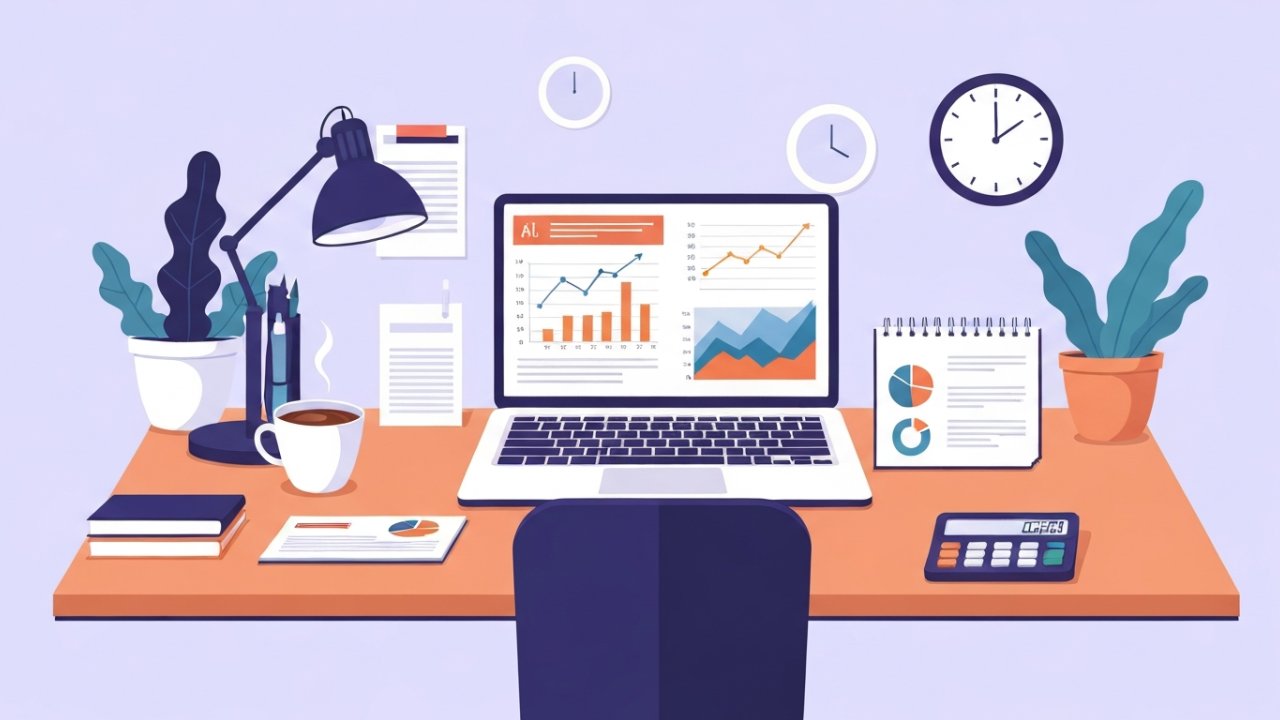
During the operation of a small business, grasping key financial statements is vital for effective management and decision-making. The income statement outlines your profitability by detailing earnings and losses over a specific period, helping you evaluate your business’s performance.
Next, the balance sheet provides a snapshot of your financial position at a certain moment, listing your assets, liabilities, and equity.
[embedded content]
Additionally, the profit and loss (P&L) statement summarizes revenues and expenses, indicating your net profit or loss over time.
Finally, the cash flow statement tracks cash inflow and outflow, showing how well your business generates cash to meet its obligations.
Regularly reviewing these financial statements is important for identifying trends, making informed decisions, and ensuring compliance with tax regulations.
Accounting Methods: Cash vs. Accrual
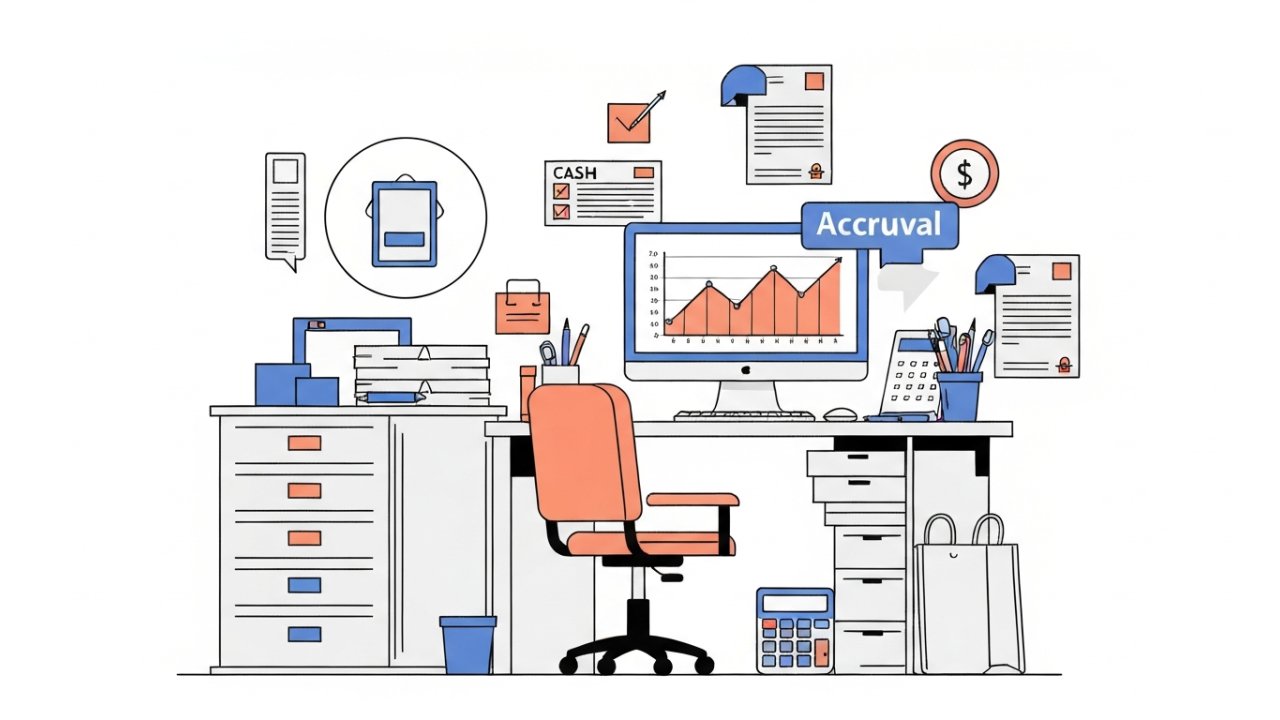
Choosing the right accounting method is crucial for effectively managing your small business’s finances, as it can markedly influence your financial reporting and tax obligations. You typically have two options: cash basis and accrual basis accounting.
| Feature | Cash Basis Accounting | Accrual Basis Accounting |
|---|---|---|
| Revenue Recognition | When cash is received | When earned at the point of sale |
| Expense Recognition | When cash is paid | When incurred |
| Tax Reporting | Income reported when received | Income reported when earned |
Cash basis accounting is often simpler but may not accurately reflect your financial health. Conversely, accrual accounting gives a clearer picture over time, which is why it’s preferred by most businesses. Keep in mind that the IRS usually requires larger businesses, with sales over $5 million, to use accrual accounting for compliance and better financial tracking.
Setting Up Your Small Business Accounting System
Setting up an effective accounting system for your small business is a key step in managing your finances and ensuring compliance with tax regulations.
Start by determining your business’s legal structure, like a sole proprietorship or LLC, as this influences your accounting practices. Next, open a separate business bank account to maintain a clear distinction between personal and business finances, which simplifies tax preparation.
Then, choose between cash-basis and accrual accounting methods based on your business needs; cash accounting suits simpler operations, whereas accrual offers a more accurate financial picture.
Establish a bookkeeping system, using accounting software or spreadsheets, to efficiently track expenses, revenues, and transactions.
Finally, create a chart of accounts organized by categories such as assets, liabilities, equity, revenue, and expenses, which will facilitate easier tracking and reporting of your business finances.
Common Accounting Tasks and Their Frequency
Regularly managing accounting tasks is essential for the smooth operation of your small business. Daily, you should check your cash position and record transactions to guarantee accurate financial tracking.
Weekly, document receipts, review unpaid bills, pay vendors, and prepare invoices to keep operations flowing smoothly. Monthly, balance your checkbook, analyze inventory, process payroll, and review profit and loss statements to gauge your financial health.
On a quarterly basis, prepare revised profit and loss estimates, review payroll reports, make sales tax payments, and compute estimated income tax for compliance purposes.
Finally, annually, review past-due receivables, assess inventory value, and guarantee accurate financial reporting for tax preparation and strategic planning.
Keeping up with these tasks not only helps you maintain a clear financial picture but additionally supports compliance and informed decision-making, ultimately contributing to the growth and stability of your business.
Frequently Asked Questions
What Accounting Is Needed for a Small Business?
For a small business, you need a reliable accounting system to track all financial transactions. This includes sales, expenses, assets, and liabilities.
You can choose between cash basis and accrual accounting methods. Crucial financial statements like the income statement, balance sheet, and cash flow statement help you assess profitability and financial health.
Regularly reconciling bank statements guarantees your records match your actual bank balances, maintaining accuracy in your financial reporting.
[embedded content]
What Are the 5 Basic Accounting Accounts?
The five basic accounting accounts are assets, liabilities, equity, revenue, and expenses.
Assets include resources like cash and inventory, essential for business operations. Liabilities represent obligations to pay, such as loans.
[embedded content]
Equity reflects the owner’s stake after subtracting liabilities from assets. Revenue accounts track income from sales, whereas expense accounts monitor operational costs.
Together, these accounts form an extensive view of your business’s financial health and performance, guiding your decision-making process effectively.
What Are the 5 Basic Accounting Principles?
The five basic accounting principles are crucial for accurate financial reporting.
First, the Revenue Recognition Principle states you should recognize revenue when earned, not when cash is received.
Second, the Matching Principle requires you to align expenses with the related revenues in the same period.
Next, the Cost Principle mandates recording assets at their original purchase price.
The Full Disclosure Principle demands transparency in financial statements, whereas the Objectivity Principle emphasizes unbiased, verifiable information.
How to Do Simple Bookkeeping for a Small Business?
To do simple bookkeeping for your small business, start by setting up a system to organize receipts and financial records.
Choose between cash or accrual accounting methods. Use accounting software like QuickBooks or Xero to automate entries and track transactions efficiently.
Record all sales and expenses consistently, categorize them properly, and reconcile bank statements regularly to identify discrepancies.
Establish a routine for weekly and monthly bookkeeping tasks to maintain accurate financial health.
Conclusion
In conclusion, basic accounting is vital for small businesses to monitor financial health and make informed decisions. By comprehending key financial statements and choosing the right accounting method, you can effectively manage your finances. Setting up a robust accounting system and regularly completing common accounting tasks will help guarantee compliance and support your business’s growth. Prioritizing these practices will not just improve your financial awareness but additionally position your business for long-term success in a competitive environment.
Image via Google Gemini