
This post was originally published on this site.
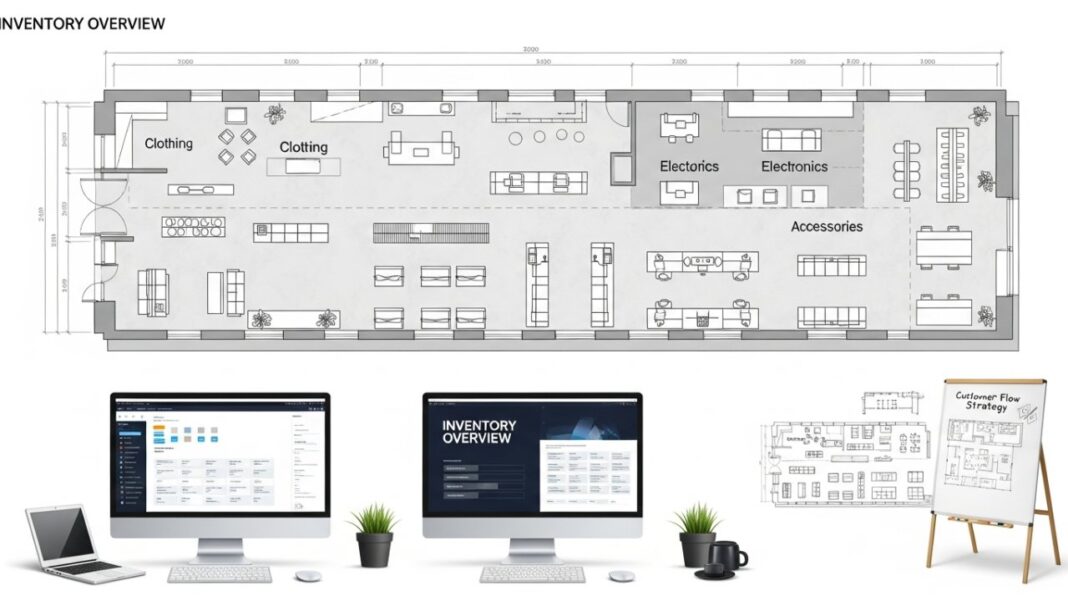
Business space planning is about organizing your workplace to meet your company’s goals and boost productivity. Start by evaluating your current layout for inefficiencies, then consider flexible designs that accommodate various work styles. This approach not only cuts real estate costs but also encourages collaboration. By making intentional choices about space, you can create a positive environment that supports hybrid work. Want to explore how these strategies can lead to real growth?
Key Takeaways
- Business space planning organizes the workplace to align with company goals, enhancing productivity and employee satisfaction.
- It identifies inefficiencies in current layouts, promoting effective use of resources and space.
- Strategic planning can improve aesthetics and boost employee productivity by up to 10%.
- Incorporating flexible workspaces supports hybrid models and accommodates diverse work styles.
- Effective space planning fosters a positive workplace culture, reducing turnover rates and improving overall engagement.
What Exactly Is Business Space Planning?
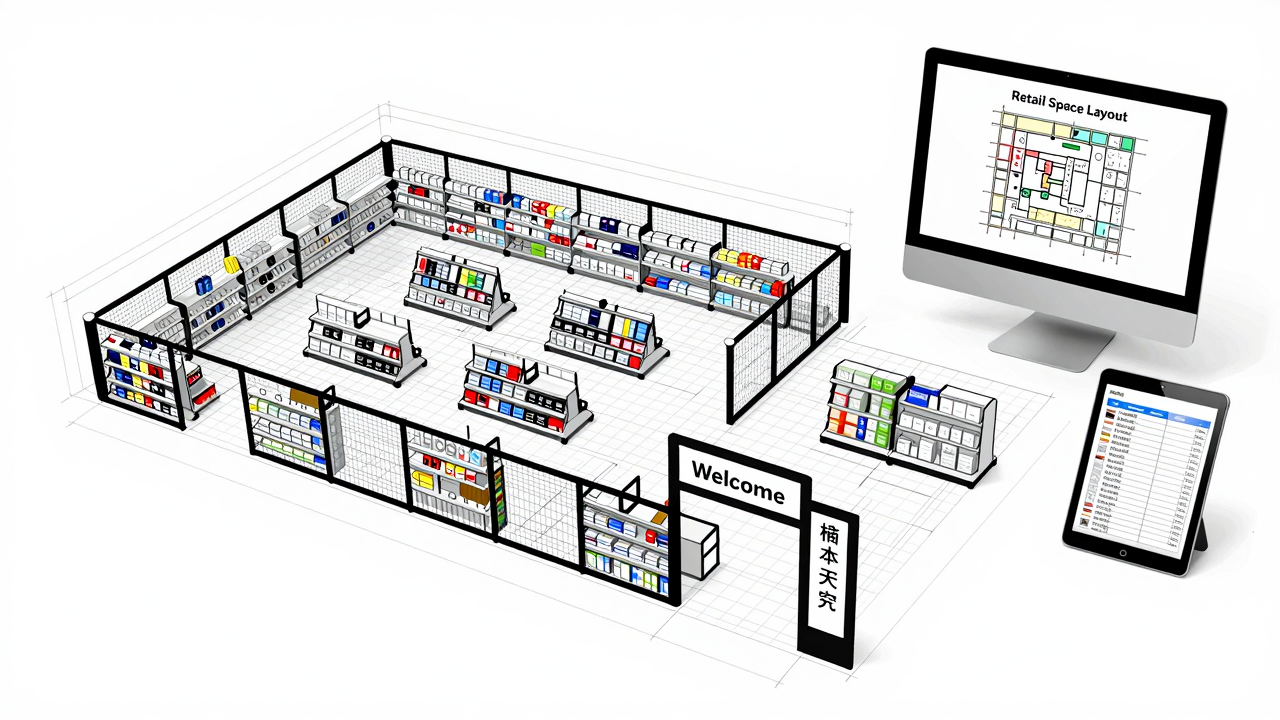
Business space planning is all about organizing your workplace to support your company’s goals while boosting productivity. It involves strategically arranging your physical space to enhance functionality and employee satisfaction.
Start by evaluating your current layout—identify any inefficiencies that could be costing you money in rent and utilities. Consider incorporating small meeting room design ideas, which can provide intimate settings for collaboration without consuming excessive space.
Involve your employees in the planning process to align designs with their preferences and work styles. This fosters a positive culture that can reduce turnover and improve morale.
Use data-driven insights to adapt your layout based on occupancy trends and employee needs, ensuring your workspace evolves with your team.
Ultimately, effective business space planning can lead to a healthier environment, enhancing cognitive function and overall performance, so take these steps to create a workspace that works for everyone.
The Key Benefits of Business Space Planning
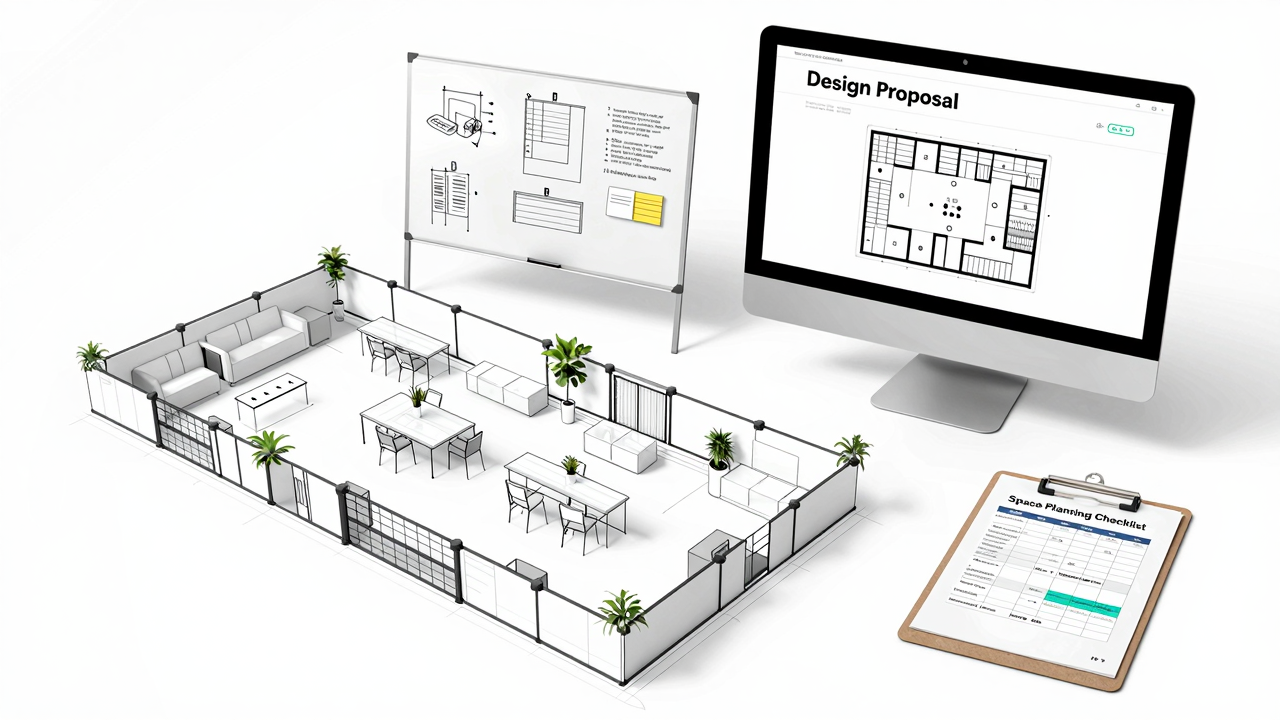
Creating an effective workspace doesn’t just improve aesthetics; it delivers tangible benefits that can transform your organization. By enhancing your office layout, you can boost employee productivity by up to 10%.
Start by evaluating your current space to identify underutilized areas, allowing you to optimize real estate costs on rent and utilities.
Incorporate flexible workspaces to adapt to hybrid work trends, which can greatly improve employee morale. Use workplace analytics to inform your design choices, fostering collaboration and streamlining workflows.
This data-driven approach not only enhances efficiency but also contributes to employee satisfaction, reducing turnover rates and building a more engaged workforce.
To implement these strategies, gather feedback from your team, observe how they interact with the space, and make adjustments accordingly.
These steps will guarantee that your business space planning aligns with both organizational goals and employee needs.
Boosting Employee Satisfaction Through Space Planning
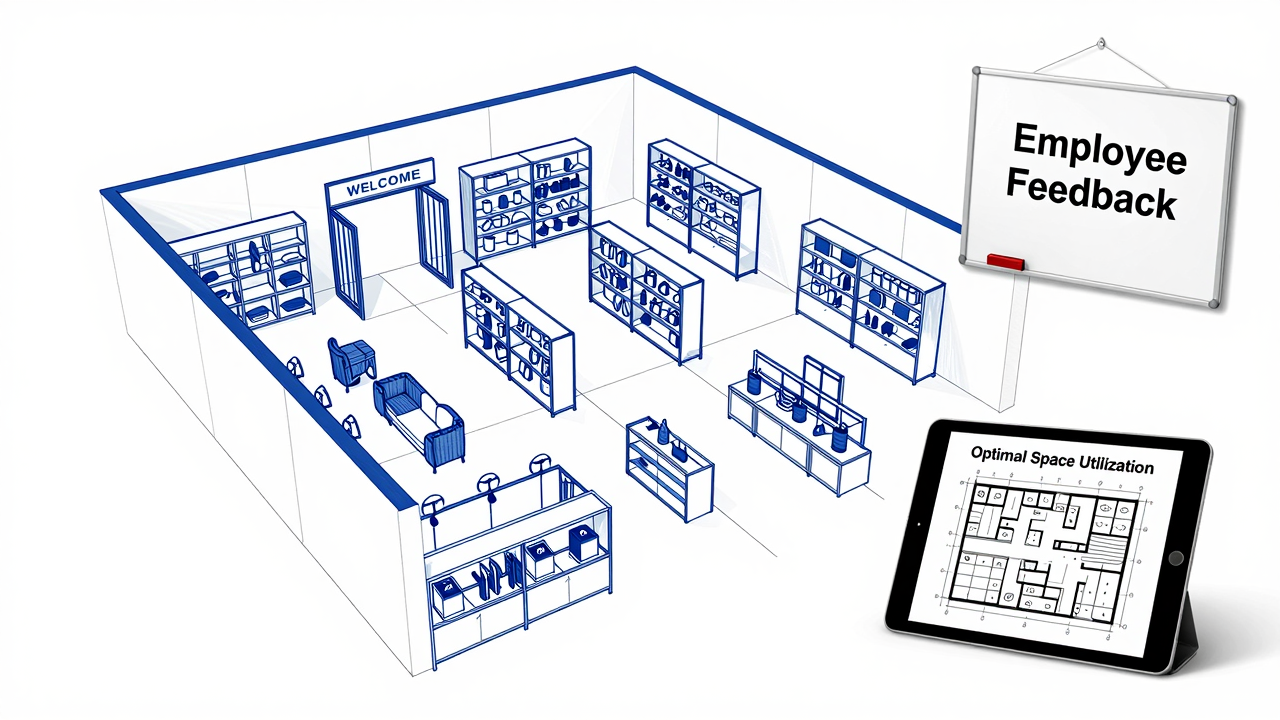
When you prioritize thoughtful space planning, you can greatly boost employee satisfaction and productivity. By creating environments that cater to diverse work styles, you can see a 15% increase in productivity. Incorporate ergonomic furniture and personalized workspaces to enhance comfort, which can reduce turnover rates by up to 25%.
A well-designed office layout promotes collaboration, leading to a 30% increase in team interactions. Also, consider biophilic design elements, like natural light and greenery, which can improve cognitive function by 61-101%. Engaging employees in the design process fosters a sense of value, potentially increasing job satisfaction by 20%.
Here’s a quick overview of the benefits:
| Action | Benefit | Impact |
|---|---|---|
| Ergonomic furniture | Enhanced comfort | 25% lower turnover |
| Collaborative spaces | Boosted morale | 30% more interactions |
| Biophilic design elements | Improved cognitive function | 61-101% cognitive boost |
Effective Strategies for Space Planning
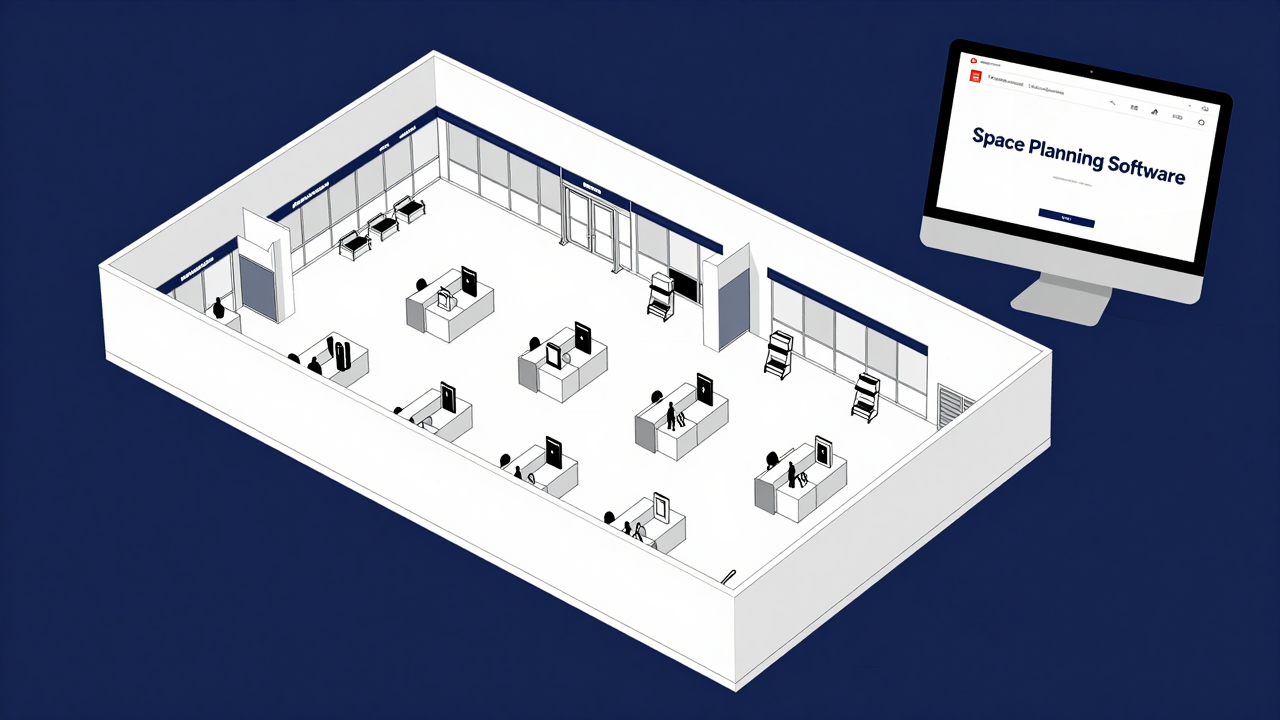
Thoughtful space planning not only boosts employee satisfaction but also drives productivity through effective strategies.
Start by evaluating your current space utilization. Identify areas that aren’t serving a purpose and consider how to repurpose them to align with your business objectives.
Next, incorporate flexible layouts to adapt to future growth and changing work styles. This reduces the need for costly renovations down the line.
Utilize workplace analytics to track occupancy trends, giving you insights that inform your design decisions.
Create distinct zones for focused work, collaboration, and relaxation to enhance workflow efficiency.
Finally, invest in ergonomic furniture and technology infrastructure to foster a comfortable environment. This not only supports productivity but also leads to a measurable return on investment.
How Space Management Drives Organizational Growth?
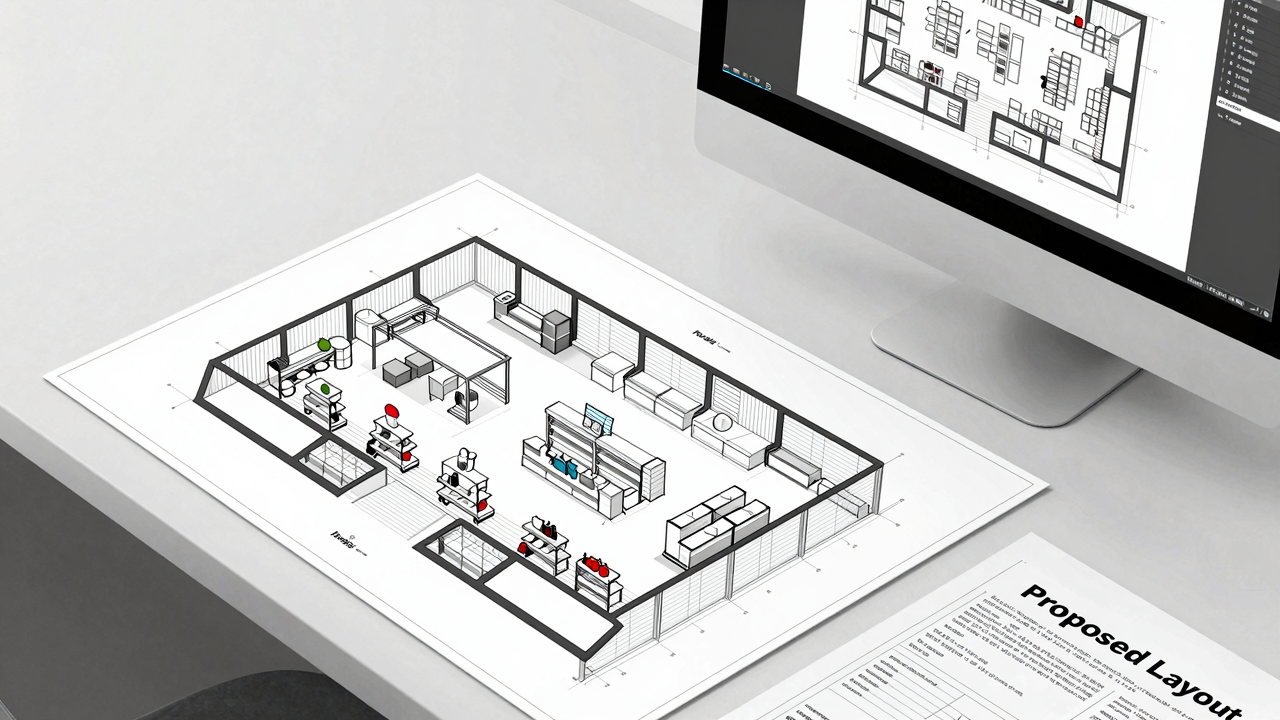
Effective space management plays an essential role in driving organizational growth, as it aligns your physical environment with your business goals.
Start by evaluating your current workspace; identify underutilized areas that can be reimagined for better function. This approach can lead to considerable cost savings on rent and utilities, boosting your bottom line.
Incorporate flexibility in your office layout to support hybrid work models. This adaptation not only enhances employee engagement but also improves retention.
Utilize workplace analytics to monitor real-time space usage, allowing you to make informed decisions about resource allocation.
Lastly, create a well-planned environment that fosters a positive workplace culture. This can greatly reduce turnover rates, helping you attract and retain top talent.
Frequently Asked Questions
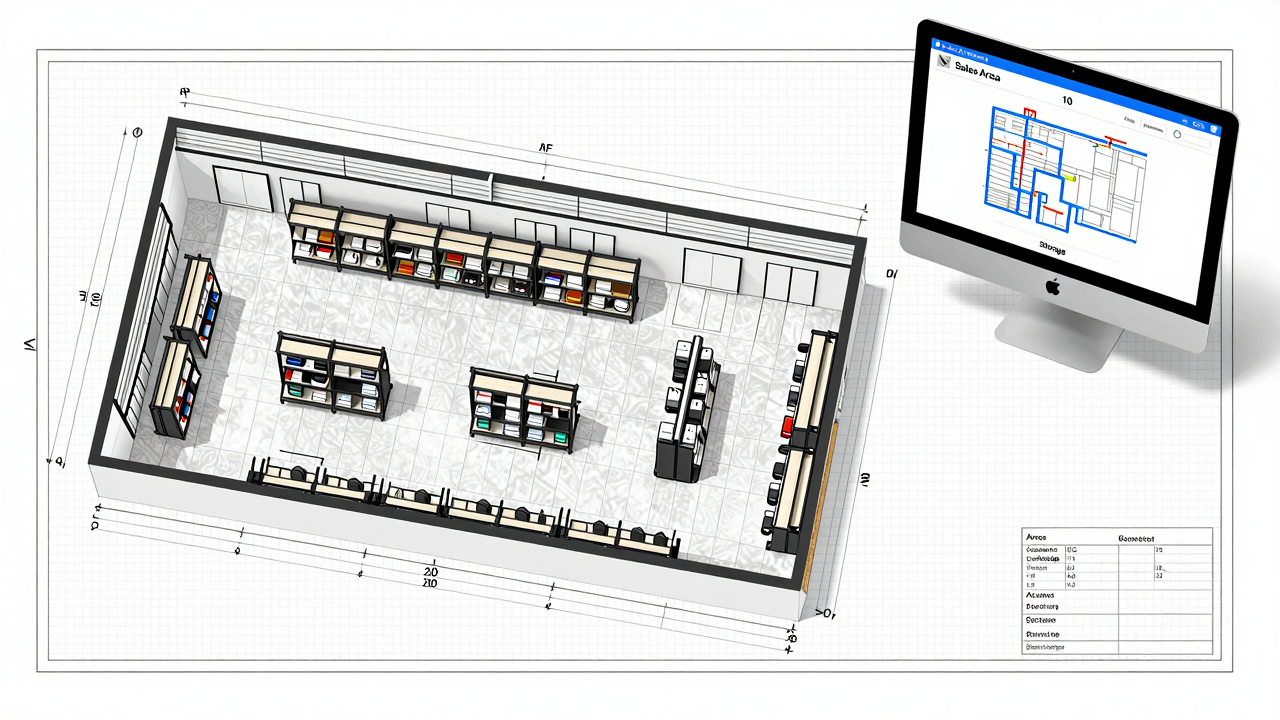
Why Is Space Planning Important?
Space planning’s essential because it boosts productivity and employee satisfaction.
To start, assess your current layout and identify underused areas. Rearrange furniture to foster collaboration and guarantee good airflow for better cognitive function.
Incorporate flexibility in your designs to adapt to future needs, preventing costly renovations.
Regularly gather employee feedback on the workspace to identify improvement areas.
What Is a Business Plan and Why Is It Important?
A business plan outlines your company’s goals, strategies, and financial projections.
It’s essential because it acts as your roadmap for growth, helping you secure funding and attract investors.
[embedded content]
To create an effective plan, start by defining your objectives, then outline your strategies to achieve them.
[embedded content]
Regularly update the plan to reflect changes and challenges, ensuring everyone on your team stays aligned and accountable.
This proactive approach increases your chances of success.
What Are 5 Reasons for a Business Plan?
A business plan’s essential for several reasons.
First, it outlines your goals and strategies, guiding decisions.
Second, it helps secure funding by showcasing viability to investors.
Third, it enables market analysis, allowing you to identify your audience and competition.
Fourth, it acts as a performance management tool, offering benchmarks for progress.
[embedded content]
Finally, it guarantees everyone on your team understands their roles, aligning efforts towards your business’s vision effectively.
Why Is Planning Essential in Business?
Planning’s essential in business because it helps you set clear goals, allocate resources effectively, and identify potential challenges.
Start by analyzing your market and defining objectives. Next, create a realistic timeline for achieving these goals.
Regularly review your progress and adjust your strategies as needed. Involve your team in the planning process to enhance collaboration and buy-in.
Conclusion
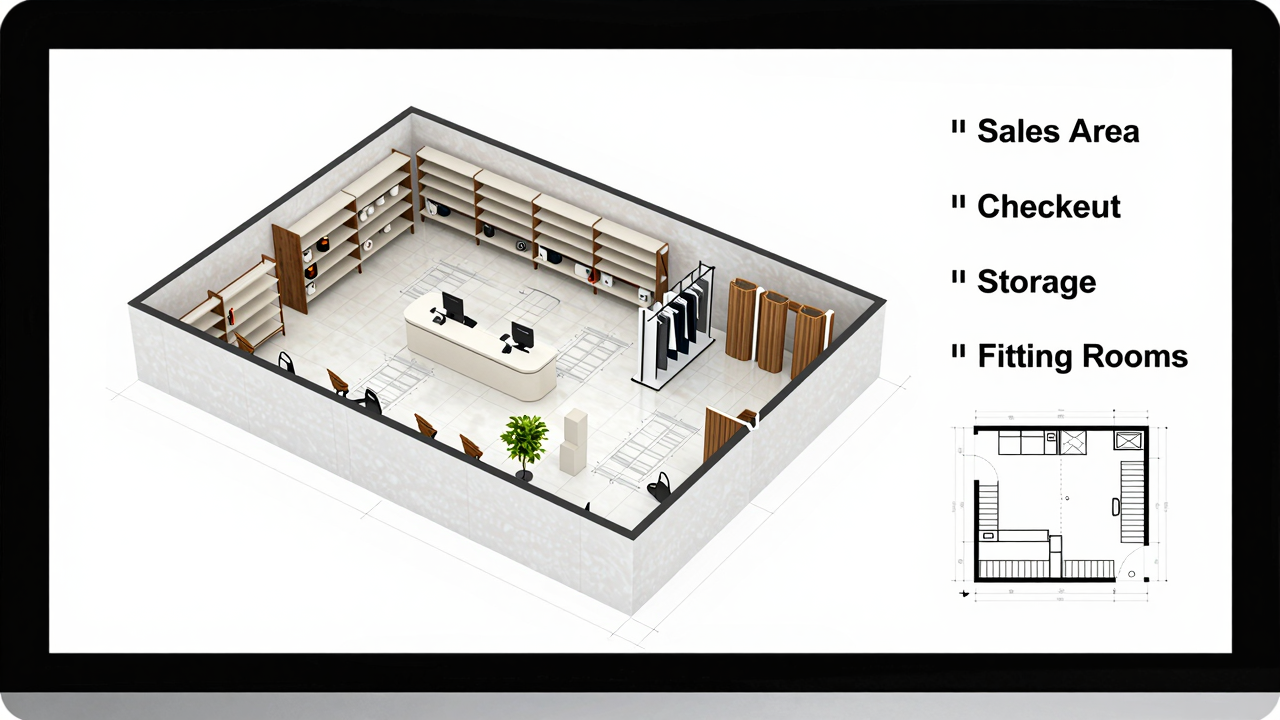
In conclusion, effective business space planning is essential for optimizing your workplace. Start by evaluating your current layout and identifying inefficiencies. Involve employees in the process to understand their needs and preferences. Consider flexible designs that accommodate various work styles, which can enhance collaboration. Regularly review your space as your business evolves, ensuring it continues to meet your goals. By implementing these strategies, you can create a productive environment that supports growth and employee satisfaction.
Image via Google Gemini and Small Business Trends