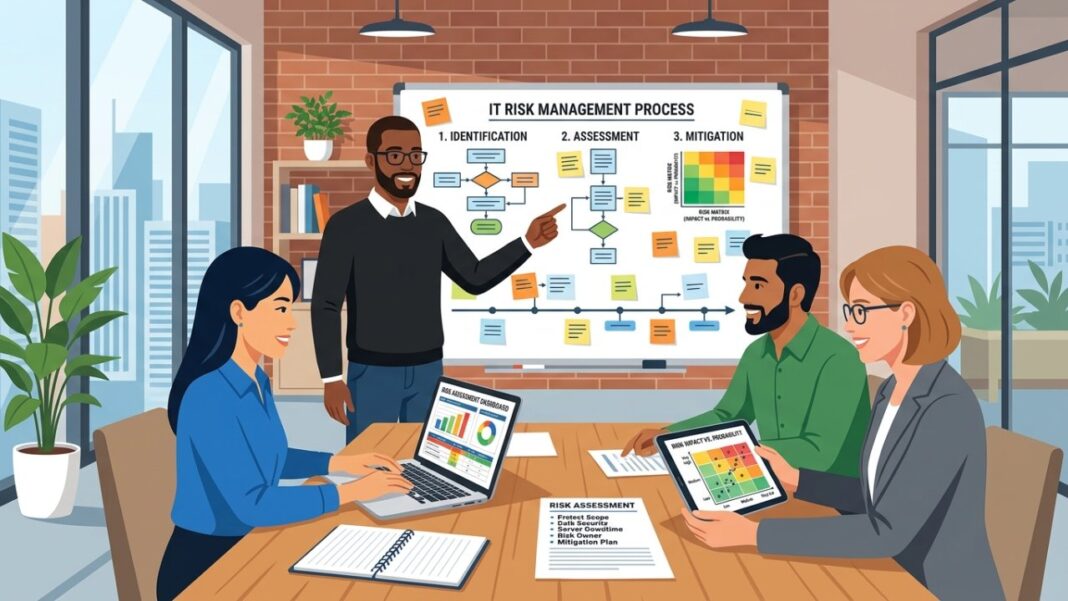

IT Project Risk Management is essential for your project’s success. It starts with identifying potential risks, like cybersecurity threats or schedule delays. Next, assess these risks to understand their impact. Create a risk management plan that includes a risk register to track and address issues as they arise. By being proactive, you can save costs and keep stakeholders engaged. But what are the common risks you might face, and how can you tackle them effectively?
Key Takeaways
- IT Project Risk Management involves identifying and mitigating factors that could negatively impact project success, such as cybersecurity threats and schedule delays.
- Proactive risk management can reduce costs and enhance stakeholder engagement by identifying potential issues before they escalate.
- Common risks include cybersecurity threats, scope creep, and regulatory compliance issues, especially in sensitive sectors like finance and healthcare.
- Risk assessment tools like risk matrices and registers help document and categorize risks, ensuring effective response strategies are in place.
- Continuous improvement and stakeholder collaboration are essential for adapting risk management strategies to evolving challenges in IT projects.
What You Need to Know About IT Project Risk Management
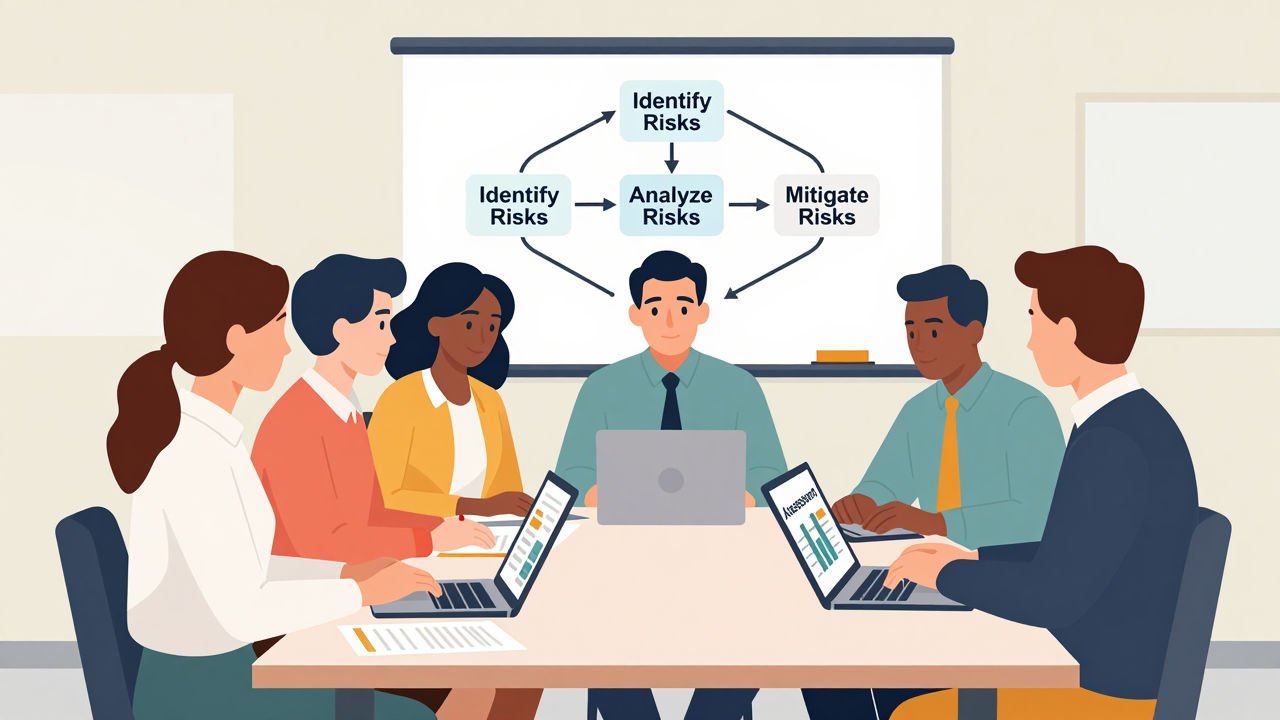
When managing IT projects, it’s essential to understand the various risks that can arise, especially since technology is constantly evolving. The definition of risks in project management involves identifying factors that could negatively impact your project’s success.
Start by identifying risks in project management, such as cybersecurity threats, schedule delays, and compliance issues. A solid risk management plan in project management should include strategies for mitigation.
Utilize tools like risk registers to keep track of these risks. Regularly conduct risk audits to adapt to new challenges, guaranteeing your project stays on course.
Employ project risk management strategies like qualitative and quantitative analysis, using techniques such as risk matrices for evaluating potential impacts. Engage stakeholders throughout the process to maintain transparency and guarantee everyone is aware of risks.
Why Proactive Risk Management Matters in IT Projects
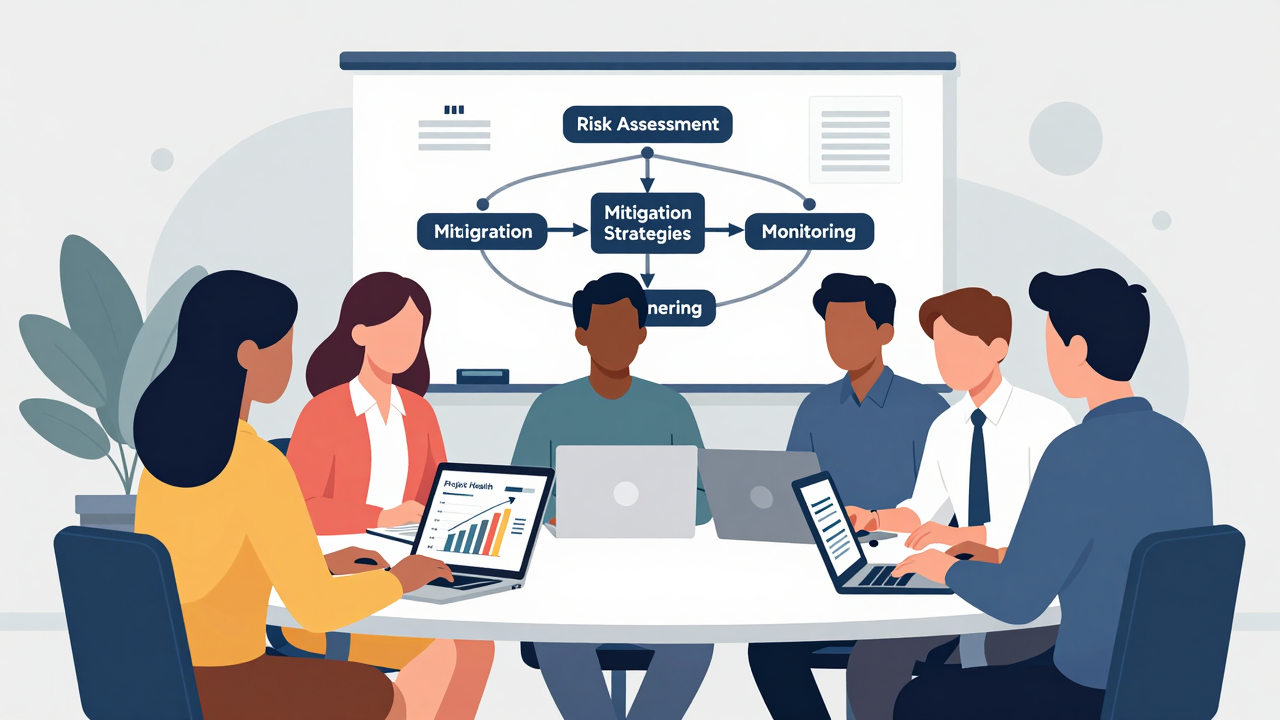
Proactive risk management in IT projects is essential, as it allows you to spot potential issues before they escalate, saving time and money. By focusing on risk identification in project management early, you can reduce the likelihood of costly delays and budget overruns by up to 20%.
Engage stakeholders to gather diverse insights, enhancing the identification of types of project risk and increasing opportunities by about 30%. Implement structured risk management strategies in project management to adapt to rapid changes, effectively mitigating software compatibility and cybersecurity risks.
Regular monitoring and adjusting your project risk mitigation strategies can boost success rates by 15% as new risks arise. Utilize tools like risk registers and matrices to visualize and prioritize common project risks, fostering better communication and collaboration within your team for timely responses.
Taking these steps will prepare you to manage risks effectively and keep your project on track.
Common IT Project Risks: Threats and Opportunities
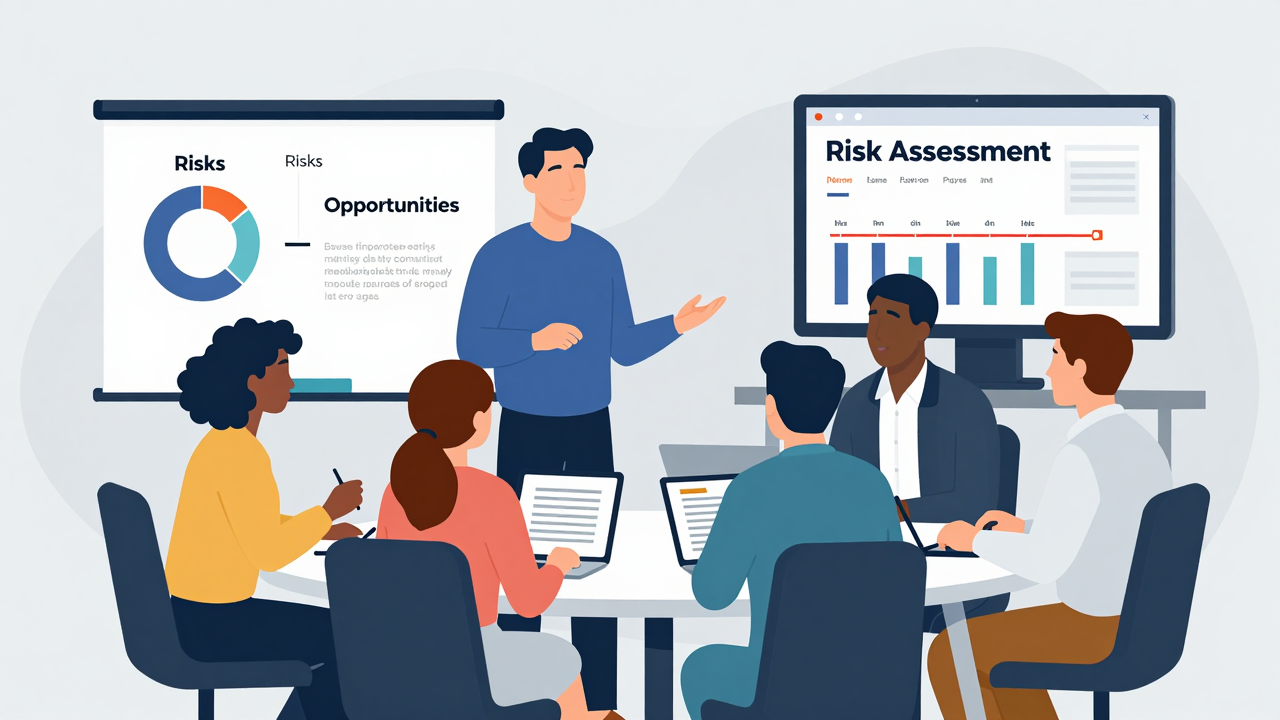
In managing IT projects, you’ll want to identify key threats like cybersecurity risks and scope creep that can derail your efforts.
Look for potential opportunities too, such as leveraging new technologies that can enhance efficiency.
Identifying Key Threats
Identifying key threats in IT projects is essential for successful outcomes, and you can take concrete steps to mitigate risks.
Start by defining project risk, which includes identifying potential cybersecurity threats, technology-related issues, and resource shortages.
To identify risks in a project, conduct regular assessments and engage team members in brainstorming sessions to discuss project risks examples.
Pay attention to types of risks in project management, such as regulatory compliance risks, especially in sectors like finance and healthcare.
Use the project risk management process to prioritize these threats.
Finally, stay informed about emerging technologies that can offer opportunities for improvement, enhancing efficiency and potentially increasing productivity by up to 40% through effective integration.
Analyzing Potential Opportunities
After identifying key threats in IT projects, it’s important to look for potential opportunities that arise from these risks.
For example, when dealing with cybersecurity threats, you can adopt new technologies to enhance safety, which may also improve operational efficiency. This can lead to a revenue increase of up to 30%.
In your project risk management plan, consider types of risks in project management, like schedule delays. Use a project risk analysis example to spot these issues early.
Effective risk management techniques in project management help you adapt quickly to external risks, such as regulatory changes, giving you a competitive edge.
Finally, develop a project risk mitigation plan example to outline how you’ll capitalize on these opportunities.
Mitigation Strategies Overview
To effectively manage IT project risks, it’s essential to implement targeted mitigation strategies that address both threats and opportunities. Start by identifying common risks—like cybersecurity threats, schedule delays, and unexpected costs. Use techniques like regular security audits and thorough budgeting to reduce these risks.
Here’s a quick overview of effective strategies:
| Risk Type | Mitigation Strategy | Expected Outcome |
|---|---|---|
| Cybersecurity | Conduct security audits | Reduce incidents by up to 50% |
| Schedule Delays | Set realistic timelines | Minimize project delays |
| Financial Risks | Create detailed budgets | Limit unplanned expenses |
| Technology Adoption | Explore emerging tech | Boost productivity by 20-30% |
| Stakeholder Engagement | Improve communication channels | Enhance project support |
How to Address Common IT Project Risks?
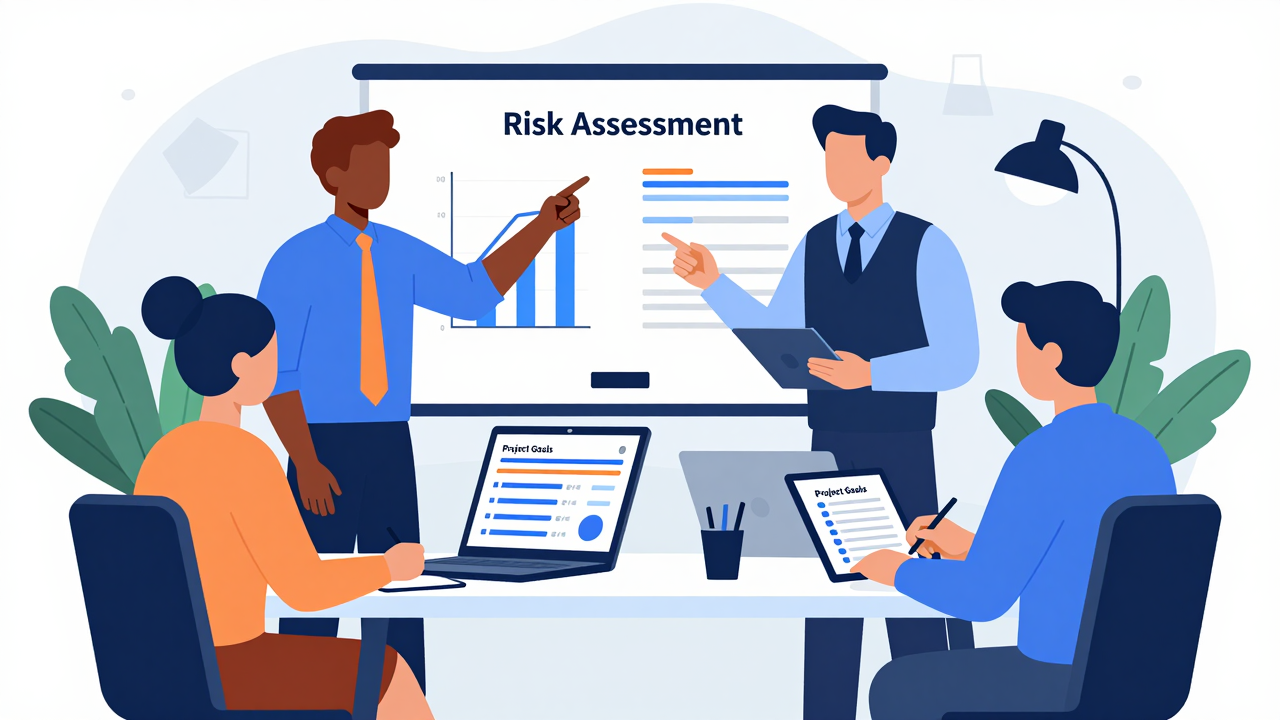
To effectively address common IT project risks, start by identifying potential threats like cybersecurity issues and scope creep.
Next, implement mitigation strategies, such as setting clear project scopes and conducting thorough compatibility assessments.
Identify Potential Threats
Identifying potential threats in IT projects is essential for staying on track and avoiding costly setbacks. Start by recognizing common types of risk in project management, like cybersecurity breaches that can lead to significant financial losses.
Also, watch for scope creep, where project requirements expand and cause increased costs or missed deadlines. Technical risks, such as software bugs, require thorough testing and validation to prevent delays.
Resource risks stem from inadequate staffing or skill shortages, so guarantee proper allocation and training. To enhance your project risk analysis, engage stakeholders early in the risk assessment project management process; their diverse perspectives can uncover risks that mightn’t be immediately obvious.
These proactive steps help mitigate pm risk effectively.
Implement Mitigation Strategies
When managing IT project risks, implementing effective mitigation strategies is crucial for keeping your project on track. Here are some practical steps you can take:
[embedded content]
- Conduct regular security audits and penetration tests to lessen cybersecurity risks.
- Establish clear communication channels among team members to prevent scope creep.
- Utilize agile methodologies for iterative feedback, which helps tackle unforeseen technical challenges.
- Provide thorough training programs for end-users to guarantee they’re proficient with new software.
Using project risk management methods like a risk management plan IT project example can guide your approach.
Also, leverage project risk tools such as Microsoft Project or Jira to track risks and automate your response strategies for better efficiency.
These steps will enhance your project management risks and mitigation efforts.
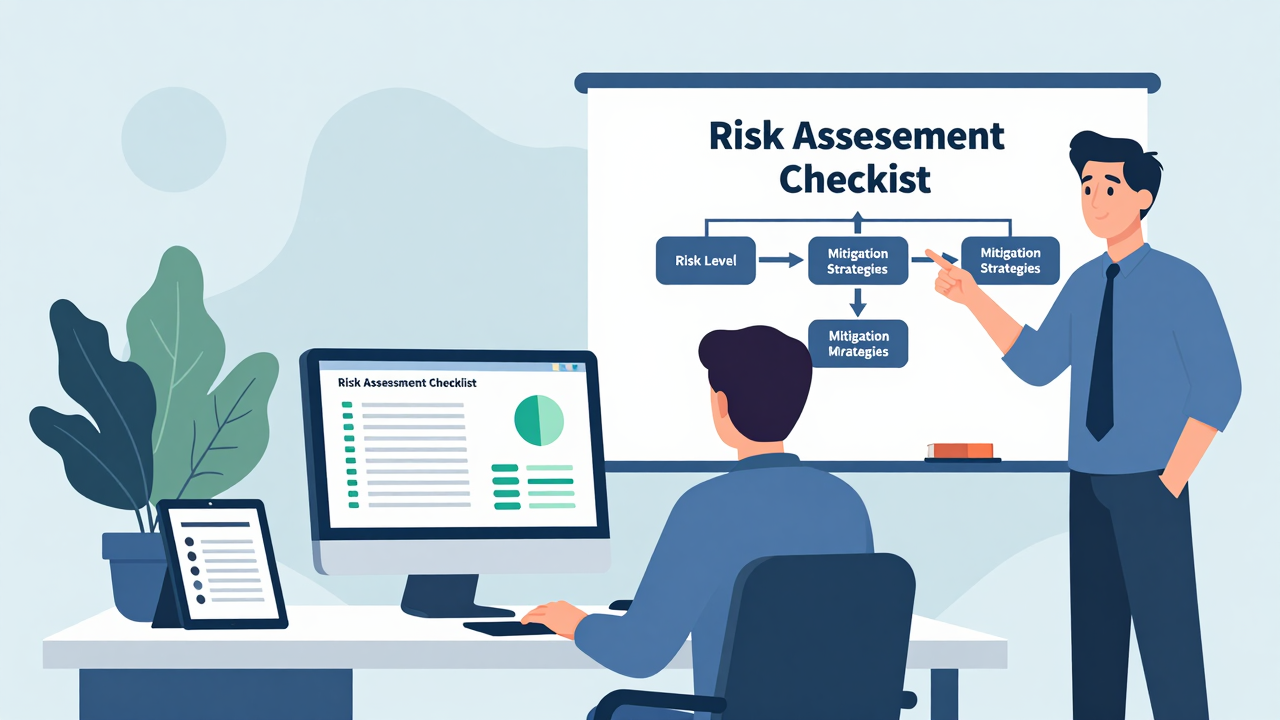
Utilize risk matrices to visually categorize risks, making it easier to decide on your response strategies.
Don’t forget to implement risk register tools to document identified risks, their analyses, and assigned owners. This keeps your team informed about potential threats and opportunities.
Finally, consider leveraging emerging technologies like IBM Watson and machine learning in your project risk management tools to enhance predictive analytics, allowing for more proactive risk management strategies.
Mitigating Risks in IT Projects
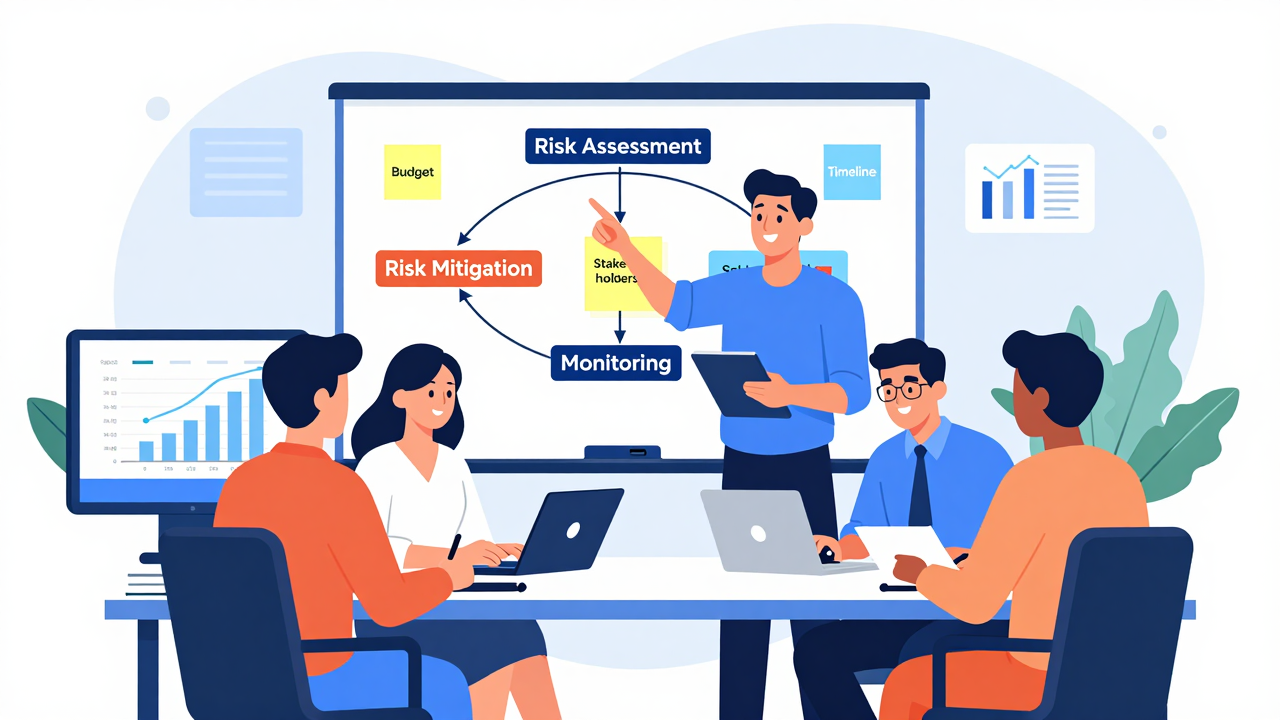
Mitigating risks in IT projects requires a proactive approach, ensuring you’re prepared for potential issues before they arise.
Understanding project risk management meaning is essential, as it helps you identify and address risks like cybersecurity threats and compliance issues.
Implement effective project risk strategies by:
- Conducting thorough risk analysis in project management to evaluate potential impacts.
- Engaging stakeholders regularly to gather diverse perspectives, enhancing your strategies.
- Utilizing risk management tools in project management, like risk matrices and software solutions for real-time tracking.
- Continuously training your team on best practices and emerging technologies such as AI and machine learning.
Improving Your Risk Management Strategy
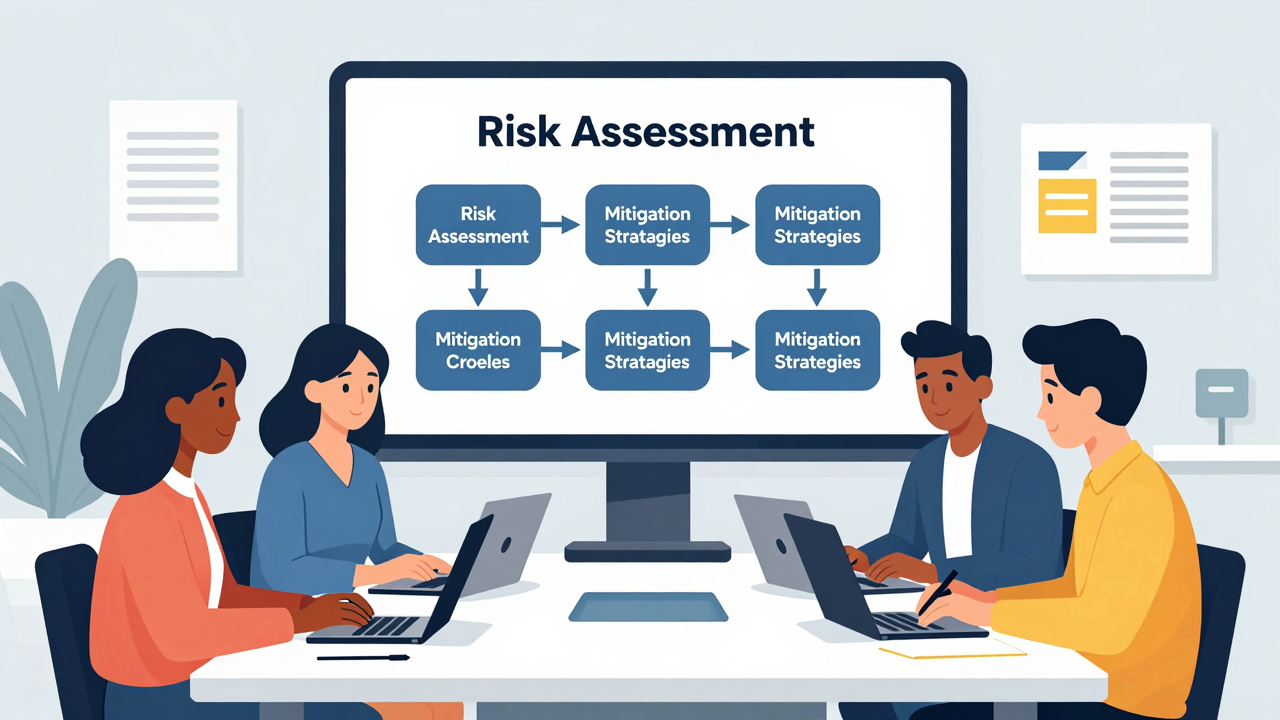
To improve your risk management strategy, start by developing an all-encompassing plan that covers every aspect of risk management—identification, analysis, prioritization, and response.
Define risk management in project management as a systematic approach to minimizing uncertainties. For effective planning for risk, utilize qualitative and quantitative techniques, like risk matrices and Monte Carlo simulations, to assess and evaluate potential impacts.
Create a robust project risk plan by regularly updating your risk register with new threats and tracking the effectiveness of your response strategies. Engaging stakeholders early in the process fosters collaboration and enhances risk perception, which leads to stronger mitigation strategies.
Finally, invest in continuous training and certification, such as Six Sigma or Agile practices. This equips you with essential tools for adapting to changes in software project risk management, ensuring you’re always prepared for emerging challenges.
Frequently Asked Questions
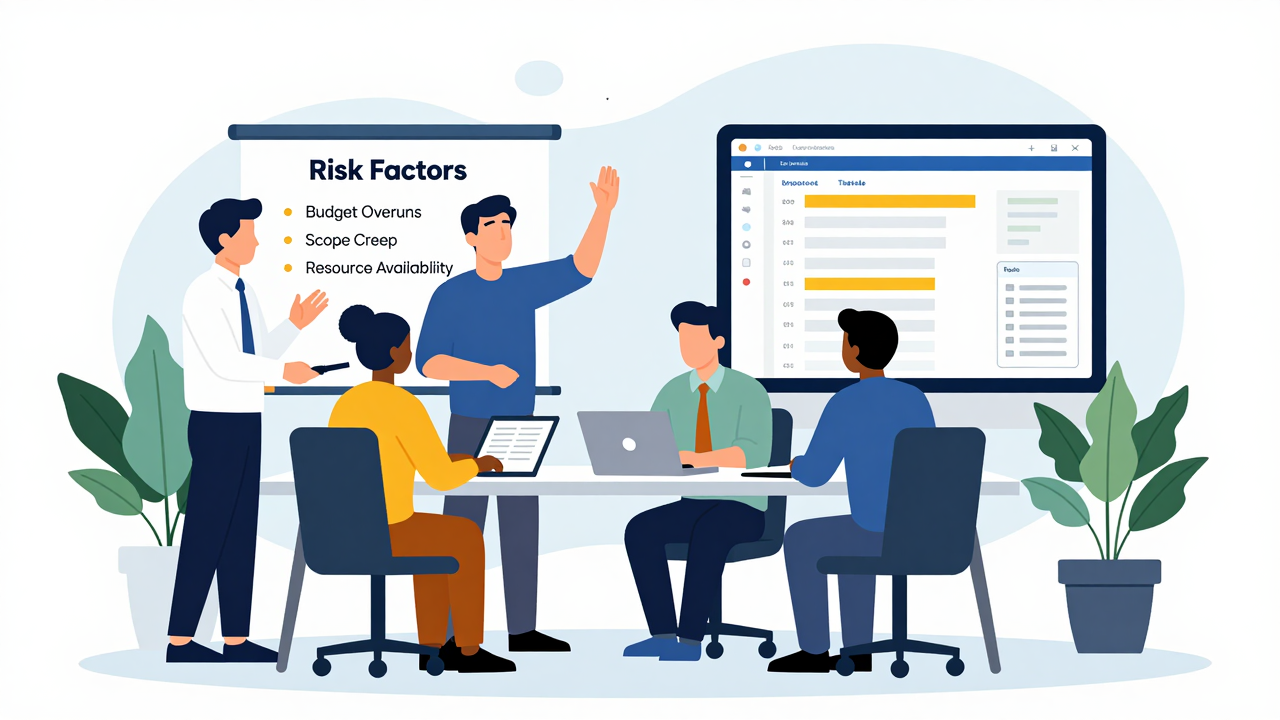
What Is Risk Management in IT Projects?
Risk management in IT projects means identifying, analyzing, and addressing potential issues that could affect your project’s success.
Start by listing risks, such as software compatibility or system outages, and prioritize them based on impact. Use tools like risk registers to document these risks.
Engage your team and stakeholders early to gather insights and develop effective mitigation strategies.
What Are the 5 Stages of the IT Risk Management Life Cycle?
The five stages of the IT risk management life cycle are identification, assessment, response planning, implementation, and monitoring.
First, identify potential risks through brainstorming and data analysis.
[embedded content]
Next, assess these risks by evaluating their likelihood and impact.
Then, develop response strategies to address critical risks.
Implement these strategies and assign risk owners to oversee them.
[embedded content]
Finally, continually monitor risks and update your plans to adapt to any changes in the project environment.
What Is an IT Risk Management?
IT risk management identifies and addresses potential issues in your technology projects.
Start by evaluating risks like data breaches or system failures. Use tools like risk registers to document and prioritize these risks.
Regularly monitor and re-evaluate the situation as technology evolves. This proactive approach helps you minimize impacts on timelines and budgets.
What Are the 5 Steps of RM?
The five steps of risk management are essential for your IT projects.
First, identify potential risks that could impact your goals.
Next, analyze these risks to assess their likelihood and impact.
After that, prioritize them based on severity and probability.
Then, plan your responses, deciding how to avoid, transfer, mitigate, or accept each risk.
Finally, monitor and control these risks continuously, adjusting your strategies as needed throughout the project lifecycle.
Conclusion
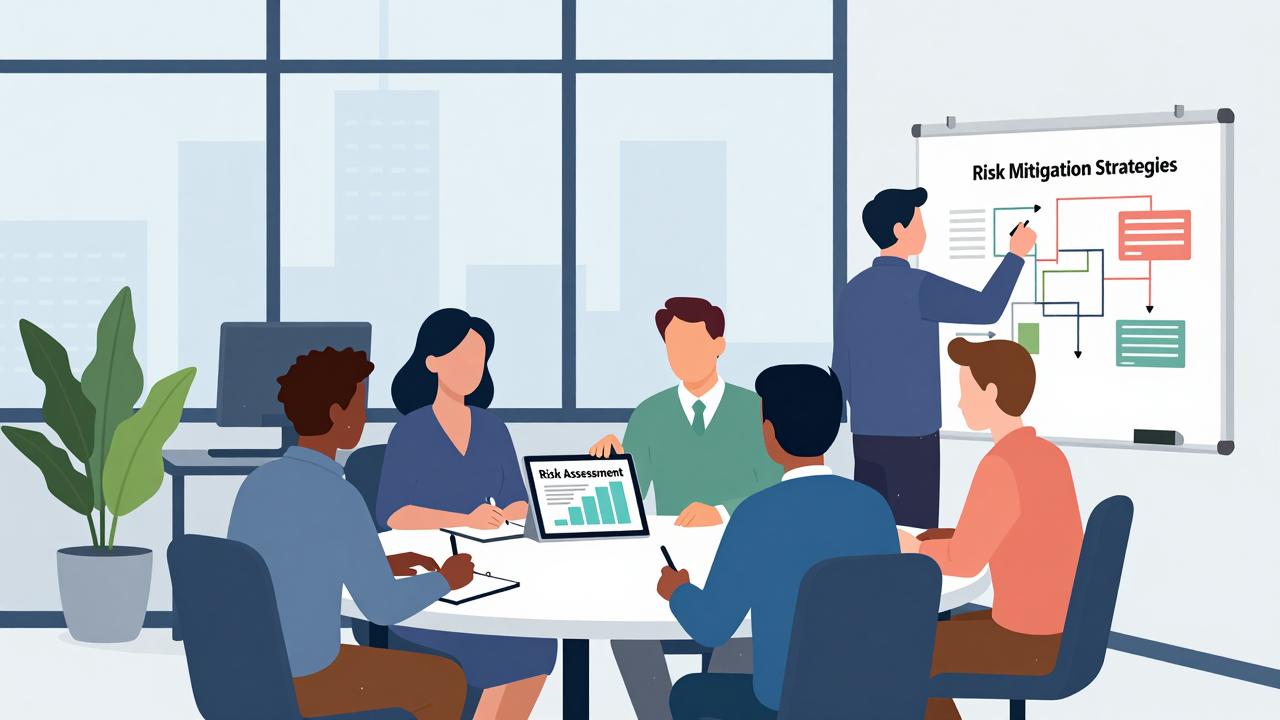
In conclusion, effective IT project risk management is essential for your project’s success. Start by identifying potential risks early, using tools like risk registers to track them. Regularly assess these risks and engage your team in mitigation strategies. Keep open lines of communication with stakeholders to guarantee everyone stays aligned. By proactively managing risks, you’ll not only reduce delays and costs but also enhance your project’s overall outcome. Take these steps today to strengthen your risk management strategy.
Image via Google Gemini and Small Business Trends