

This post was originally published on this site.
When discussing the difference between bookkeeping and book keeping, it’s vital to recognize that “bookkeeping” is the correct spelling of the term that describes the methodical tracking of financial transactions. This practice is fundamental for maintaining accurate financial records. Misunderstandings often arise from the incorrect spelling, which can lead to confusion in professional settings. Comprehending these nuances can greatly impact your approach to financial management and communication in the industry, so let’s explore the key aspects further.
Key Takeaways
- The correct term is “bookkeeping,” while “book keeping” is a common misspelling.
- Bookkeeping refers to systematic recording of financial transactions, essential for business operations.
- Bookkeeping focuses on daily transaction accuracy, while accounting involves broader financial analysis and reporting.
- Bookkeepers handle routine tasks like invoicing and payroll, unlike accountants who prepare financial statements and audits.
- Understanding bookkeeping is crucial for compliance and informed decision-making in financial management.
Understanding Bookkeeping: The Correct Term

Bookkeeping is a fundamental aspect of financial management that involves the systematic recording and organization of financial transactions.
It’s important to understand that “bookkeeping” is the correct term, whereas “book keeping” is merely a common misspelling.
You’ll find that bookkeeping encompasses tasks like managing invoices, processing payroll, and maintaining accurate financial records, which are critical for any business.
This practice lays the groundwork for accountants, providing them with the necessary data for financial analysis and reporting.
As a bookkeeper, you often utilize various software tools to streamline daily transaction recordings, ensuring efficiency and accuracy.
Conversely, “book keeping” lacks any recognized professional context, which can lead to misunderstandings in finance and accounting communication.
Distinguishing between bookkeeping and book keeping is fundamental for clarity in your discussions, especially when comparing the roles of a bookkeeper vs accountant, where precision matters greatly.
The Role of Bookkeeping in Financial Management
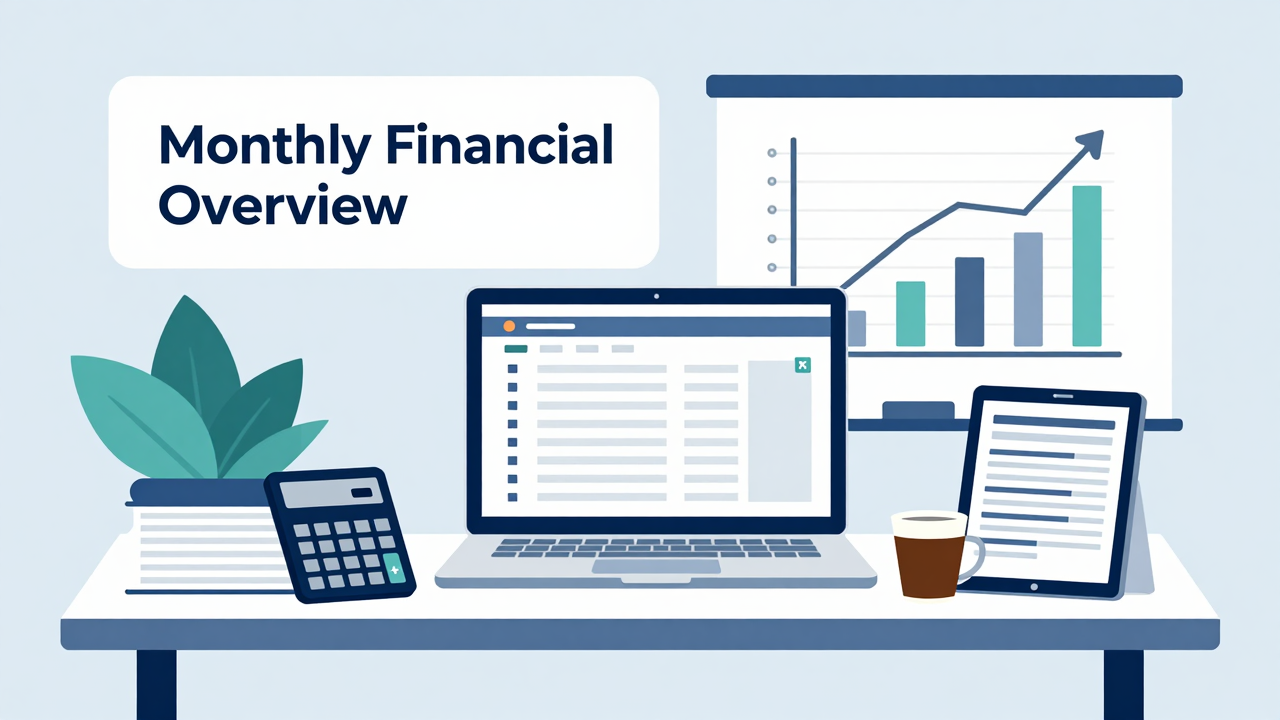
Bookkeeping plays an essential role in financial management by effectively managing daily transactions and ensuring accuracy in financial reporting.
When you maintain organized records of your daily activities, it becomes easier to generate reliable financial statements, which reflect your business’s health.
This accuracy not merely aids in evaluating performance but additionally helps you stay compliant with regulations, finally supporting better decision-making and strategic planning.
Daily Transaction Management
Managing daily transactions is vital for maintaining an accurate financial picture of your business. Bookkeeping, often seen as daily transaction management, involves carefully recording every sale, purchase, payment, and receipt.
By maintaining the general ledger, you guarantee that debits and credits reflect your company’s financial position accurately. This daily oversight includes generating invoices, which are important for cash flow management.
Additionally, effective bookkeeping practices help identify budgeting errors early, enabling proactive financial management.
While bookkeeping and accounting share similarities, the difference between bookkeeping and accounting lies in their scope—bookkeeping focuses on transaction recording, whereas accounting encompasses broader financial analysis and reporting.
Comprehending this bookkeeping and accounting difference can improve your financial management strategy.
Financial Reporting Accuracy
When financial reporting accuracy is vital for your business’s success, effective bookkeeping becomes an indispensable tool.
Bookkeeping involves consistently recording daily financial transactions, which lays the groundwork for precise financial reports. By ensuring that all debits and credits are accurately posted in the general ledger, you facilitate the preparation of reliable financial statements, like balance sheets and income statements.
Accurate bookkeeping helps you maintain careful records of invoices, payroll, and expenses, making it easier to identify discrepancies. This organized data allows accountants to analyze and interpret financial performance effectively.
Common Misconceptions About Bookkeeping
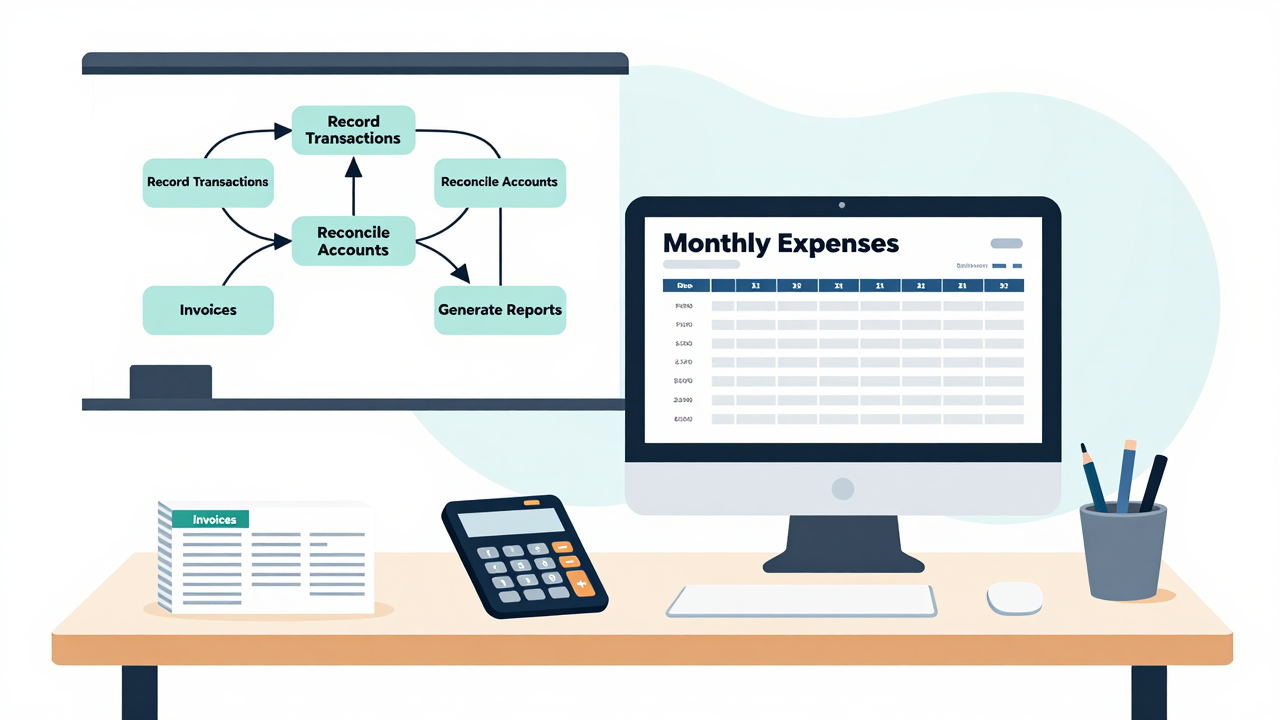
In spite of common beliefs, many misconceptions surround the practice of bookkeeping, which can lead to misunderstandings about its importance and complexity. Here are three key misconceptions:
- Bookkeeping vs. Book Keeping: People often confuse “bookkeeping” with “book keeping,” but the former is the correct term for recording financial transactions.
- Complexity of Bookkeeping: Many assume bookkeeping is simple; nevertheless, it requires precision and attention to detail to maintain accurate financial records.
- Scope of Responsibilities: Some think bookkeeping is just data entry. In reality, it involves producing invoices, managing payroll, and preparing financial statements.
Moreover, you might wonder, “Is bookkeeping and accounting the same?” They’re not; bookkeeping is a foundational aspect of accounting.
Furthermore, “What is an important difference between bookkeepers and accountants?” Bookkeepers focus on transaction recording, whereas accountants analyze financial data and prepare reports.
The Importance of Accurate Financial Records
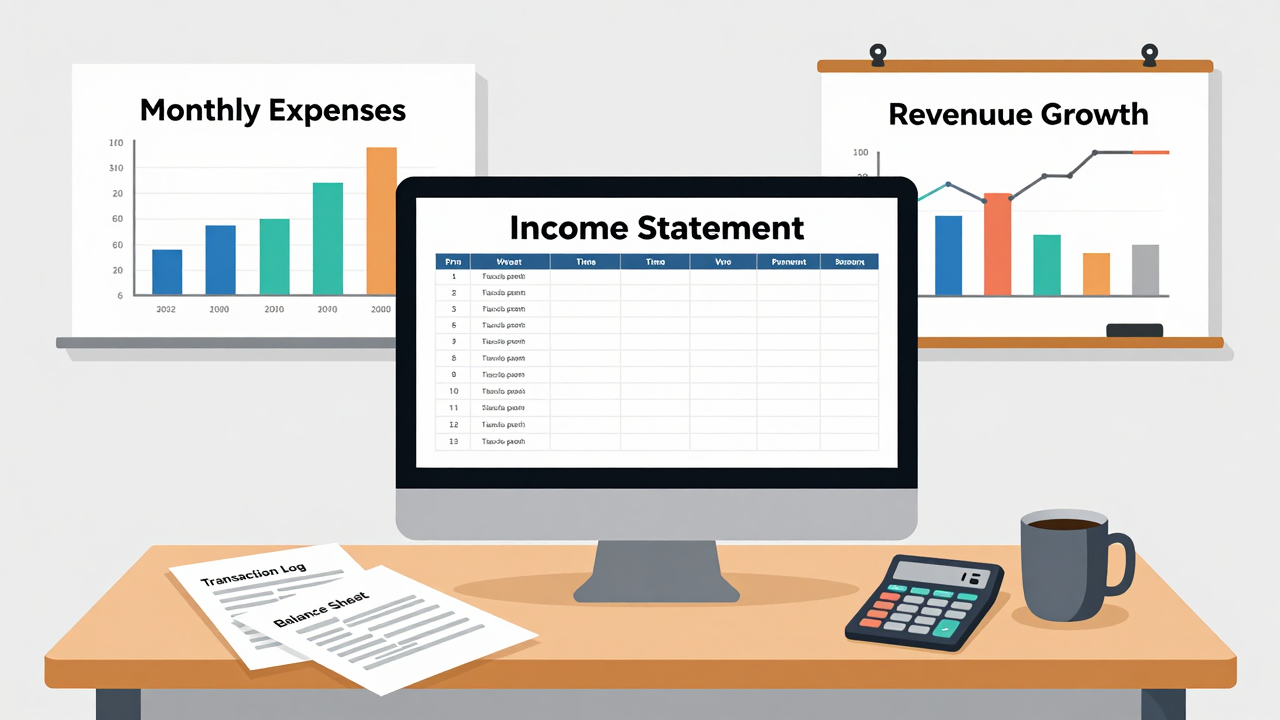
Accurate financial records play a vital role in your business’s financial decision-making, as they provide fundamental insights into your financial health.
When you maintain precise documentation, you not just stay compliant with legal obligations, but you additionally reduce the risk of costly mistakes, like incorrect tax filings.
Financial Decision-Making Impact
Comprehending the impact of accurate financial records on decision-making is crucial for any business. Well-organized bookkeeping can greatly influence your financial success.
Here are three key benefits:
- Informed Decision-Making: Accurate records enable you to analyze cash flow, identify trends, and forecast needs effectively.
- Strategic Insights: Financial reports derived from precise bookkeeping provide insights that aid in budgeting, investments, and resource allocation.
- Operational Evaluation: Reliable financial data allows you to assess costs and profitability, improving competitive strategies.
Understanding how to spell bookkeeper and grasping what’s the main distinguishing factor between accountants and bookkeepers can improve your bookkeeping practices.
In the end, effective book keeping or bookkeeping leads to a 30% higher likelihood of achieving financial goals.
Compliance and Legal Obligations
Maintaining accurate financial records is not just a good practice; it’s a legal requirement for both individuals and businesses. Compliance with tax laws obligates you to keep proper documentation, which helps avoid penalties and audits. Depending on your jurisdiction, you may need to retain records for three to seven years. Accurate bookkeeping guarantees your financial statements are reliable, fulfilling regulatory requirements and stakeholder obligations. Inaccurate records can lead to fines or legal action, emphasizing the need for careful practices. Adhering to financial reporting standards like GAAP additionally requires organized records for transparency and accountability.
| Requirement | Duration |
|---|---|
| Tax Record Retention | 3 to 7 years |
| GAAP Compliance | Ongoing |
| Stakeholder Reporting | Annual |
Key Functions of Bookkeeping Explained

Even though you mightn’t realize it, bookkeeping plays a crucial role in the financial health of a business by systematically recording daily transactions.
Here are the key functions you should know:
- Preparing Invoices: Bookkeepers create accurate invoices for sales, ensuring that all revenue is documented correctly.
- Managing Payroll: They handle payroll tasks, making sure employees are paid on time and deductions are properly recorded.
- Maintaining Subsidiary Ledgers: Bookkeepers organize financial data by maintaining subsidiary ledgers, which helps in tracking individual accounts and transactions.
The Relationship Between Bookkeeping and Accounting
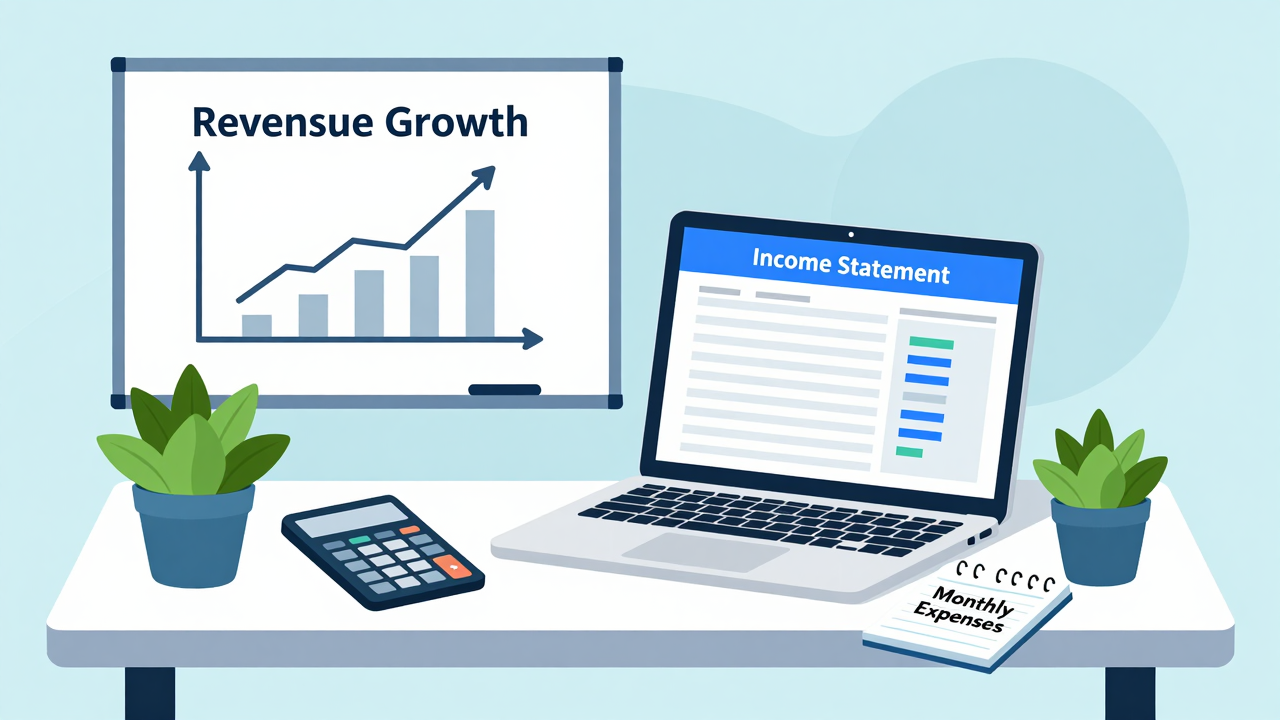
Comprehending the relationship between bookkeeping and accounting is vital for grasping how businesses manage their financial health.
Bookkeeping lays the groundwork for accounting by accurately recording financial transactions, which is fundamental for further analysis and reporting. As bookkeeping focuses on daily record-keeping, accounting involves interpreting that data to inform strategic decisions.
Functions such as maintaining ledgers and preparing invoices provide accountants with the necessary information to create financial statements and conduct audits. Accurate bookkeeping guarantees that financial records are reliable, allowing accountants to assess a company’s financial health and confirm compliance with regulations like GAAP.
This interdependent relationship means that effective bookkeeping supports strong accounting practices. In the end, when both practices work together seamlessly, they contribute greatly to a business’s overall success, ensuring that financial data is both accurate and useful for informed decision-making.
Bookkeeping vs. Accounting: Key Differences

When you compare bookkeeping and accounting, you’ll notice key differences in their nature of work, functions, and educational requirements.
Bookkeeping focuses on accurately recording daily transactions, whereas accounting involves analyzing those records to inform decision-making.
Comprehending these distinctions can help you decide which path aligns better with your career goals.
Nature of Work
Comprehending the nature of work in bookkeeping and accounting reveals distinct roles that are fundamental for effective financial management.
Here’s a quick breakdown of their differences:
- Focus: Bookkeeping revolves around the accurate recording of daily transactions, whereas accounting analyzes and interprets this data for strategic insights.
- Nature of Work: Bookkeeping is administrative and routine, whereas accounting tasks require analytical skills and higher-level problem-solving.
- Outcome: Bookkeepers maintain detailed records and generate financial statements, but accountants prepare adjusting entries and conduct financial reviews to assess performance.
In essence, bookkeeping acts as the foundation for accounting, enabling accountants to perform their analytical roles effectively, as both share some overlapping functions.
Grasping these distinctions is vital for anyone involved in financial management.
Functions and Responsibilities
Grasping the functions and responsibilities of bookkeeping and accounting is crucial for effective financial management.
Bookkeeping primarily involves carefully recording daily financial transactions, like sales, purchases, receipts, and payments, ensuring accurate data entry into financial records. You’ll find that bookkeepers manage routine tasks such as invoicing and payroll, focusing on maintaining transactional accuracy.
[embedded content]
Conversely, accountants analyze the financial data compiled by bookkeepers to prepare financial statements, conduct audits, and offer strategic insights for business decision-making.
Whereas bookkeeping lays the groundwork for accounting practices, accounting encompasses a broader analytical approach, preparing tax returns and forecasting future financial performance.
Comprehending these distinctions helps you appreciate how each role contributes to the overall financial health of a business.
Educational Requirements Differences
Comprehending the educational requirements for bookkeeping and accounting can help you navigate your career path in finance. Here are the key differences:
Degree Requirements: Bookkeeping often requires an associate’s degree or certifications, whereas accounting typically necessitates a bachelor’s degree in accounting or finance. Certification Importance: Certification in bookkeeping isn’t mandatory, but pursuing accounting certifications, like CPA, is highly encouraged for career advancement. Skill Focus: Bookkeepers concentrate on data entry and transaction accuracy, whereas accountants emphasize financial analysis and strategic decision-making.
The educational pathway for bookkeeping is shorter and more accessible, allowing a quicker entry into the workforce.
Conversely, accounting education involves more extensive training, requiring ongoing professional development to stay competitive in the job market.
Essential Skills for Effective Bookkeeping
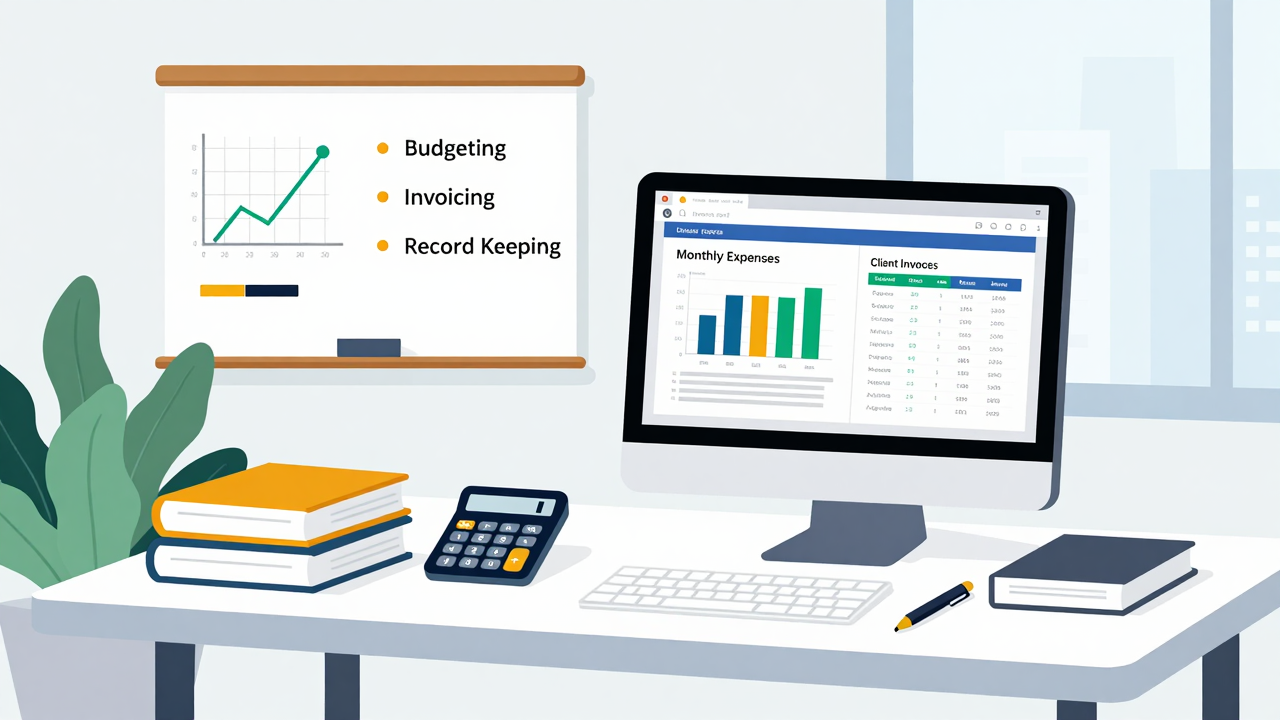
To guarantee effective bookkeeping, you need a combination of important skills that not just improve accuracy but further streamline your processes.
Strong attention to detail is fundamental for accurately recording financial transactions and maintaining organized records. You should additionally be proficient in accounting software like QuickBooks or Bench, which can simplify your bookkeeping tasks and help generate financial reports efficiently.
Basic mathematical skills are necessary for calculating figures related to invoices, payroll, and financial statements, ensuring you don’t overlook important details.
Time management skills are essential in relation to meeting deadlines, like payroll schedules and tax preparation dates, as well as balancing daily bookkeeping tasks.
Finally, having a solid comprehension of accounting principles and terminology will improve your ability to communicate effectively with accountants and business owners about financial data, nurturing a more collaborative environment.
The Impact of Technology on Bookkeeping Practices
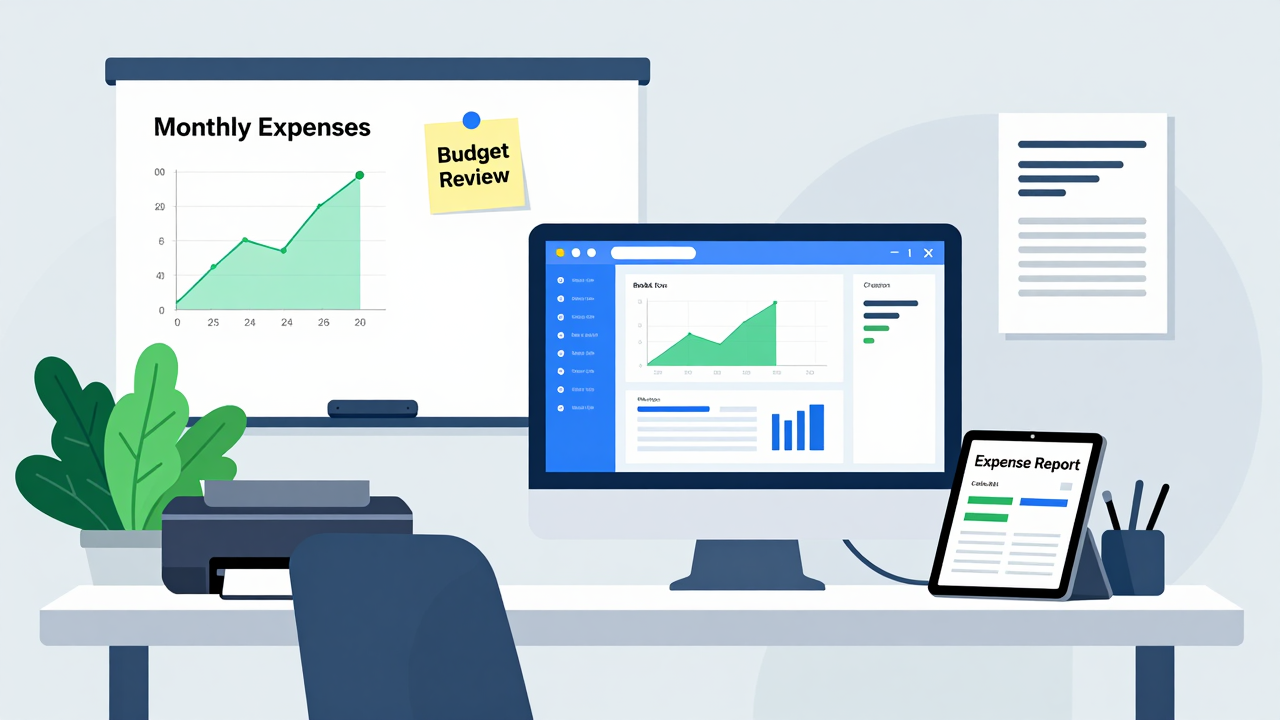
As technology continues to evolve, the impact on bookkeeping practices has been profound, reshaping how financial data is managed.
Here are three key ways technology has transformed bookkeeping:
- Automation of Tasks: Repetitive tasks like data entry and bank reconciliations are now automated, freeing you up to focus on analytical responsibilities, which increases efficiency and accuracy.
- Cloud-Based Solutions: Tools like QuickBooks and Bench provide real-time access to your financial data, enabling seamless collaboration with clients regardless of location.
- Advanced Features: Modern software includes invoicing, expense tracking, and AI-driven anomaly detection, which improves fraud prevention and enhances financial oversight.
This shift in the direction of digital bookkeeping has heightened the demand for tech-savvy professionals, making proficiency in accounting software a crucial skill for today’s bookkeepers.
Embracing these technologies not only streamlines your workflow but additionally positions you as a competitive candidate in the evolving job market.
Resources for Aspiring Bookkeepers
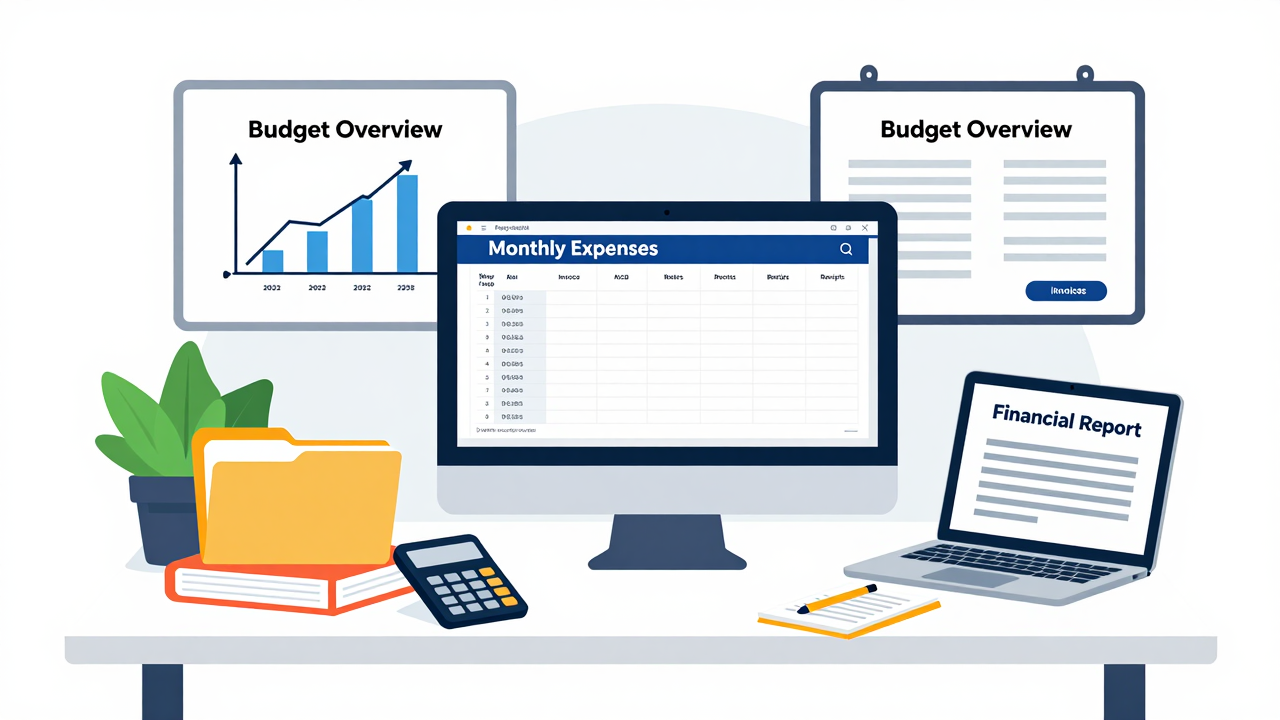
During your pursuit of a career in bookkeeping, you’ll find a variety of resources intended to improve your skills and boost your employability.
Consider enrolling in online courses or obtaining certifications like Certified Bookkeeper (CB) or Certified Public Bookkeeper (CPB). These credentials can amplify your job prospects and credibility. Many community colleges and vocational schools offer bookkeeping programs that you can complete in a year or less, allowing for a quicker entry into the profession.
Joining professional organizations, such as the American Institute of Professional Bookkeepers (AIPB), provides networking opportunities and access to ongoing education.
Gaining practical experience is vital; seek internships, volunteer positions, or part-time roles in accounting firms or small businesses to build your skills.
Furthermore, familiarize yourself with bookkeeping software like QuickBooks, as proficiency in these tools will make you more appealing to potential employers.
Frequently Asked Questions

What Is a Bookkeeper Called Now?
Today, a bookkeeper may be referred to by several titles depending on their specific duties and the organization. Common alternatives include “accounting clerk,” “financial administrator,” and “accounts payable/receivable clerk.”
With technological advancements, many bookkeepers now identify as “virtual bookkeepers,” indicating they work remotely using online tools.
Furthermore, some may hold certifications like Certified Bookkeeper (CP) or Certified Public Bookkeeper (CPB), which improve their professional standing and recognition in the field.
[embedded content]
What Are the Three Types of Bookkeeping?
The three types of bookkeeping are single-entry, double-entry, and computerized bookkeeping.
Single-entry bookkeeping is ideal for small businesses, tracking simple cash transactions.
Double-entry bookkeeping, used by larger organizations, records transactions in two accounts, ensuring accuracy and financial balance.
Computerized bookkeeping leverages software like QuickBooks, automating tasks for efficiency and reducing errors.
Each method caters to different business needs, from straightforward cash management to detailed financial reporting.
Do I Need a Bookkeeper if I Have Quickbooks?
Having QuickBooks is beneficial, but it doesn’t replace the value of a bookkeeper.
[embedded content]
If your business processes many transactions or requires detailed financial oversight, a bookkeeper can improve accuracy and organization. They manage daily entries, ensuring your data’s consistency for better reporting.
As QuickBooks automates tasks, a bookkeeper offers personalized insights and tackles complex issues that software alone might overlook, allowing you to focus on strategic decision-making.
What Is the Salary of a Bookkeeper Vs Accountant?
As a bookkeeper, you can expect to earn a median annual salary of around $47,440, whereas accountants typically make about $81,680.
Bookkeepers’ salaries range from $32,460 to $68,860, depending on experience and location. Conversely, accountants earn between $50,440 and $137,280.
If you become a Certified Public Accountant, your salary can greatly increase, reaching up to $461,014, depending on your credentials and experience.
Conclusion

In conclusion, comprehending the distinction between bookkeeping and the misspelled “book keeping” is crucial for effective financial management. Bookkeeping plays a critical role in maintaining accurate financial records, which support broader accounting practices. By grasping the key functions and skills involved in bookkeeping, you can improve your financial acumen. Furthermore, recognizing the impact of technology on bookkeeping practices can further streamline your financial processes. By prioritizing accuracy and organization, you can guarantee your financial health remains robust.
Image via Google Gemini and Small Business Trends