
This post was originally published on this site.
Franchising stands out as a growth strategy because it allows you to expand quickly while reducing financial risks. You can tap into the investments of franchisees who understand local markets, which boosts your brand’s reach without straining your resources. To maintain brand integrity, it’s essential to establish clear franchise agreements and consistent operational standards. But how do you guarantee that each franchise location delivers the same quality? Let’s explore effective strategies to tackle this challenge.
Key Takeaways
- Franchising enables rapid expansion with minimal financial risk, as franchisees invest their own capital into new locations.
- Local market knowledge from franchisees enhances brand visibility and customer loyalty, driving engagement.
- Shared marketing costs among franchisees improve advertising effectiveness and overall brand reach.
- Standardized operations and training ensure consistent quality and uphold brand integrity across all locations.
- Utilizing performance metrics and regular evaluations fosters collaboration and continuous improvement in franchise operations.
The Concept of Franchising: A Brief Overview

Franchising is a powerful growth strategy that allows businesses to expand without taking on excessive financial risk. By granting rights to franchisees, a franchisor can rapidly increase brand presence with lower capital investment. This model is particularly effective for proven concepts with strong unit-level economics, making it easier to scale without losing ownership control.
As a franchisee, you typically pay an initial franchise fee and ongoing royalties based on your revenue. This arrangement provides a steady income stream for the franchisor while you benefit from established branding and operational support.
A well-defined franchise agreement clarifies both parties’ rights and responsibilities, ensuring brand consistency across locations.
Moreover, your local market knowledge and personal financial stake will enhance your motivation and commitment. If you’re considering this path, assess your market and choose a franchise that aligns with your strengths and goals to maximize the benefits of a franchise.
Top Five Benefits of Franchising for Fast Growth
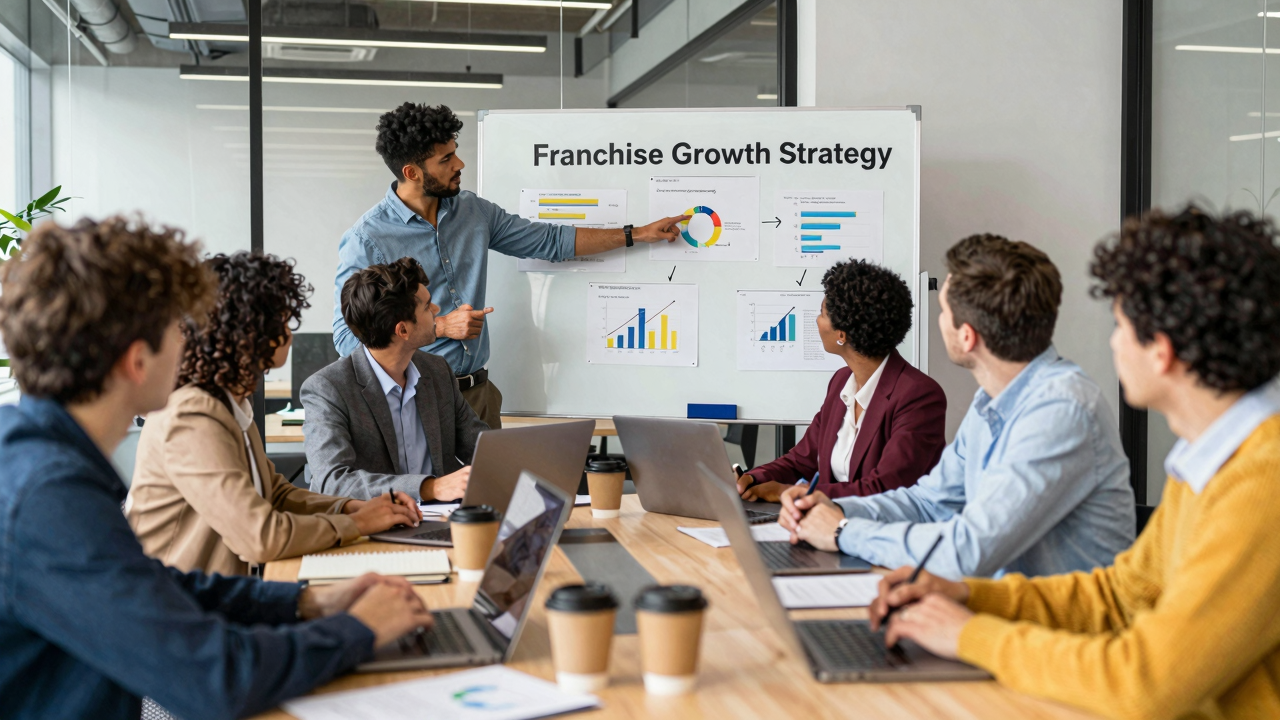
Many successful brands choose franchising as a quick way to grow their presence in multiple markets.
First, franchising allows for rapid market penetration, letting you open several locations without heavy capital investment.
Second, since franchisees invest their own capital, you reduce financial burdens and speed up franchise growth.
Third, a proven business model means you can leverage local market knowledge, enhancing customer engagement and loyalty.
Fourth, shared marketing costs among franchisees lead to more effective advertising, boosting brand visibility.
Finally, the alignment of incentives between you and your franchisees fosters collaboration, driving overall business growth.
To maximize these advantages of franchising, focus on supporting your franchisees and ensuring they understand how to grow your franchise business.
How Franchisees Drive Local Market Insights

Understanding local market dynamics is essential for any franchise, and franchisees play a significant role in this process. They bring valuable insights, leveraging their knowledge of regional customer preferences to tailor offerings that boost sales.
By fostering established relationships within the community, franchisees enhance brand visibility and customer loyalty.
To grow your franchise, encourage franchisees to adapt marketing strategies to reflect local trends, ensuring promotions resonate with target audiences. Their on-the-ground experience helps identify emerging opportunities and challenges, allowing you to make informed decisions about product launches or adjustments.
Additionally, prioritize regular feedback from franchisees; it’s important for refining operational processes and maintaining brand consistency across locations.
Franchising vs. Traditional Expansion: Financial Benefits

When considering growth strategies, it’s important to weigh the financial benefits of franchising against traditional expansion methods.
Franchising allows you to expand quickly without the heavy costs associated with opening corporate locations. Franchisees invest their own capital, often covering setup costs that can exceed $250,000.
This means you can achieve faster market penetration, as multiple franchisees can launch new locations simultaneously.
Maintaining Brand Consistency Across Franchise Locations

To maintain brand consistency across franchise locations, you need to implement standardized operations and provide thorough training programs.
Start by creating clear guidelines in an operations manual that outlines your brand standards.
Regular communication and support will help guarantee everyone’s on the same page, reinforcing your brand’s values and delivering a unified customer experience.
Ensuring Standardized Operations
Standardized operations play an essential role in maintaining brand consistency across franchise locations, ensuring customers enjoy the same quality and experience no matter where they go.
To maximize the pros of franchising, you should focus on key practices that reinforce this consistency:
- Develop a thorough franchise operations manual outlining procedures and standards.
- Implement a quality control system to monitor compliance across locations.
- Utilize centralized management software to streamline communication and operations.
- Conduct regular training sessions to keep franchisees updated on brand values.
Comprehensive Training Programs
Thorough training programs are essential for guaranteeing franchisees fully grasp brand standards and operational procedures, which ultimately helps maintain consistency across all locations.
Start with initial onboarding sessions that cover everything from product knowledge to customer service expectations. Follow up with ongoing education, offering workshops and online courses to keep franchisees updated on industry trends.
Incorporate an operations manual as a standardized reference for all procedures, which promotes uniformity in service and product quality. By providing extensive support, you’ll boost franchisee satisfaction and performance, helping them achieve their financial goals.
Regularly review and update training materials to guarantee they remain relevant, so your franchisees are always equipped to uphold your brand’s reputation effectively.
Effective Communication Strategies
Maintaining brand consistency across franchise locations is essential for building customer trust and loyalty. You can achieve this through effective communication strategies that guarantee all franchisees are aligned with your brand values.
Here are some actionable steps:
[embedded content]
- Develop a thorough franchise operations manual that outlines brand standards and operational guidelines.
- Schedule regular training sessions, both in-person and online, to keep franchisees updated on best practices.
- Use digital platforms, like intranets or communication apps, for real-time updates and feedback.
- Create a dedicated support team to address franchisee queries and concerns, fostering open lines of communication.
Essential Training and Resources for Franchisee Success
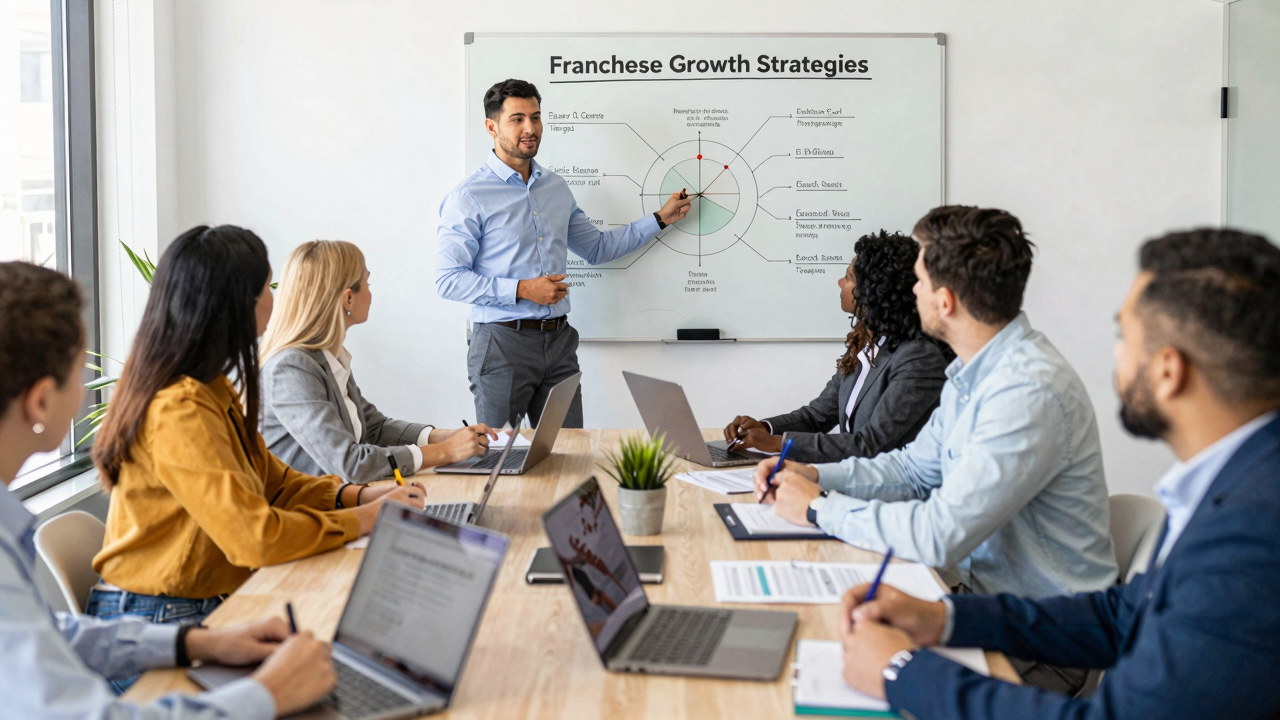
To succeed as a franchisee, you need to engage in essential training programs that cover everything from operational procedures to customer service expectations.
Take advantage of ongoing support resources, like access to the franchise operations manual and regular training updates, to stay aligned with brand standards and market changes.
Don’t forget to use performance evaluation tools to assess your progress and identify areas for improvement, ensuring you’re always set up for growth.
Essential Training Programs
When you invest in a franchise, effective training programs are essential for your success. These programs equip you with standardized procedures, ensuring consistency across locations.
Here’s what you can expect:
- Initial Training Sessions: Cover operational guidelines and marketing strategies to set you up for success.
- Operations Manual: Use this resource to navigate daily tasks and maintain brand standards.
- Regular Assessments: Participate in evaluations to keep your skills sharp and aligned with evolving market conditions.
- Ongoing Updates: Stay informed about new training materials that enhance your performance and profitability.
Ongoing Support Resources
Ongoing support resources play an essential role in your journey as a franchisee, ensuring you stay aligned with brand standards and operational excellence. These resources include thorough training programs, an operations manual, and regular updates. Here’s how you can leverage them effectively:
| Support Resource | Purpose |
|---|---|
| Training Programs | Onboard effectively and understand standards |
| Operations Manual | Maintain consistency and quality across locations |
| Workshops | Adapt to market changes and improve efficiency |
| Marketing Resources | Attract and retain local customers |
| Support Team | Receive timely assistance and guidance |
Utilizing these resources not only enhances your operational effectiveness but also fosters a collaborative relationship with your franchisor, boosting your overall business performance.
Performance Evaluation Tools
Effective performance evaluation tools are essential for franchisee success, as they help you track your progress and confirm alignment with brand standards.
To optimize your operations, consider implementing these strategies:
- Set Key Performance Indicators (KPIs): Identify specific metrics to measure your success.
- Regularly Assess Customer Feedback: Use surveys to pinpoint areas for improvement.
- Utilize Technology for Real-Time Tracking: Leverage software to monitor compliance and efficiency.
- Access Extensive Training Resources: Confirm you have an operations manual and ongoing support materials.
Debunking Common Misconceptions About Franchising

Franchising might seem like a simple way to grow your business, but it’s important to clarify some common misconceptions. First, it’s not a hands-off strategy. You’ll need to invest time and resources into training, infrastructure, and ongoing support to guarantee all franchise locations thrive.
Not every business can franchise; focus on those with proven, replicable models and solid unit-level economics. Additionally, don’t expect quick profits; successful franchising often requires a long-term approach, emphasizing franchisee support.
Many believe franchisees can operate independently, but maintaining brand integrity demands standardized processes and strict operational protocols. Finally, while franchising opens up expansion opportunities, it also comes with legal complexities and compliance issues that you shouldn’t underestimate.
To succeed, prepare thoroughly, understand these challenges, and develop a robust support system for your franchisees. This groundwork will help guarantee a smoother journey into franchising.
The Role of Franchise Agreements in Long-Term Success

While you might think that a franchise agreement is just a formality, it actually plays an essential role in your long-term success. This document sets the stage for a strong partnership between you and the franchisor, ensuring everyone understands their roles and responsibilities.
Key elements of a solid franchise agreement include:
- Clearly defined rights and responsibilities, reducing misunderstandings.
- Operational requirements and brand standards that maintain consistency across all locations.
- A framework for dispute resolution, so conflicts can be managed effectively.
- Compliance with franchise laws, protecting both your investment and the franchisor’s trademarks.
How to Evaluate Market Demand for Franchising?

How can you effectively evaluate market demand for your franchise? Start by conducting thorough market research to identify consumer preferences and trends. This guarantees your product or service aligns with potential franchise locations. Next, analyze the existing competition in your target market to assess saturation levels and identify unique selling propositions.
You should also utilize demographic data to understand your target audience’s size, purchasing power, and lifestyle, which can provide insights into potential franchisee success. Evaluate local economic indicators, like employment rates and disposable income, as these greatly influence consumer spending.
Lastly, implement surveys or focus groups to gather direct feedback from potential customers, helping you refine your franchise offering based on their needs.
| Strategy | Action Steps | Purpose |
|---|---|---|
| Market Research | Identify trends and preferences | Align product with demand |
| Competition Analysis | Determine saturation and USP | Leverage strengths |
| Demographic Evaluation | Assess audience size and income | Gauge franchisee potential |
How to Tackle Common Franchise Management Challenges?

Effective franchise management often hinges on clear communication and consistent practices across all locations. To tackle common challenges, focus on these key strategies:
- Establish clear communication protocols to guarantee everyone understands brand standards and operational practices, reducing discrepancies in customer experiences.
- Implement thorough training programs for franchisees, enhancing their ability to follow guidelines and improving overall performance.
- Conduct regular assessments and feedback sessions to quickly identify and address challenges, keeping franchisees aligned with your vision.
- Utilize technology for streamlined operations, enhanced communication, and real-time performance data, enabling proactive management of potential issues.
Strategies for Effective Franchise Marketing

When it comes to effective franchise marketing, you should focus on both digital marketing techniques and local community engagement.
Start by using social media to connect with your target audience and increase brand awareness, while also implementing local SEO strategies to guarantee your franchise appears in relevant search results.
Engaging with your community through events or partnerships can build strong relationships that drive foot traffic and foster loyalty.
Digital Marketing Techniques
To grow your franchise effectively, embracing digital marketing techniques is key. Start by implementing these strategies to enhance your reach and engagement:
- Utilize SEO Strategies: Boost online visibility to drive organic traffic to your franchise locations.
- Leverage Social Media Platforms: Create engaging content on Facebook and Instagram to build community and encourage participation from franchisees.
- Email Marketing Campaigns: Send targeted emails with updates and promotions to keep potential customers and franchisees informed.
- Local Online Advertising: Use geo-targeted ads to guarantee your marketing messages reach the right audience in specific areas.
Engaging with your local community is essential for franchise success, and it starts with understanding what your audience values. Here are some effective strategies to enhance your local engagement:
| Strategy | Action |
|---|---|
| Tailored Marketing Campaigns | Create campaigns that reflect local values. |
| Local Sponsorships | Partner with schools and nonprofits. |
| Social Media Engagement | Use local platforms to promote initiatives. |
| Customer Feedback Integration | Actively seek and implement local feedback. |
| Community Events Participation | Host or join local fairs and charity events. |
Measuring Success: Key Metrics for Franchising

Successful franchising hinges on clearly measuring key metrics that indicate performance and growth. To guarantee your franchise system thrives, focus on these key performance indicators:
- Sales Growth: Regularly track sales increases to gauge overall franchise health.
- Customer Satisfaction: Use metrics like Net Promoter Score (NPS) to assess brand loyalty and enhance service.
- Financial Viability: Analyze revenue growth and profit margins to evaluate the financial health of franchisees.
- Franchisee Performance: Conduct compliance checks and operational audits to maintain brand standards.
How Metrics Shape Future Trends in Franchising

Franchising thrives on data, and the right metrics can guide you in shaping future trends. By focusing on key performance indicators (KPIs), you can assess your franchise’s health and viability. Here’s how to leverage metrics effectively:
| Metric | Importance | Actionable Insight |
|---|---|---|
| Unit-Level Economics | Evaluates profitability per location | Adjust pricing or reduce costs |
| Customer Satisfaction | Reflects customer loyalty and feedback | Implement changes based on surveys |
| Franchisee Performance | Measures success of franchisees | Offer targeted support and training |
Regularly tracking these metrics can help identify trends, leading to informed decisions about market expansion. Studies show that franchises with structured data analysis see a 20% higher growth rate. By implementing continuous improvement based on performance metrics, you can increase franchisee retention and satisfaction by 15%. Keep analyzing and adapting to stay competitive.
Frequently Asked Questions
What Are the Initial Costs Involved in Starting a Franchise?
Starting a franchise involves several initial costs.
First, you’ll pay a franchise fee, typically ranging from $20,000 to $50,000.
Then, factor in equipment and inventory costs, which can vary widely.
You’ll also need to budget for real estate and lease deposits, usually a few thousand dollars.
Don’t forget about marketing expenses and initial working capital.
It’s essential to review the Franchise Disclosure Document for specific numbers related to your chosen franchise.
How Long Does It Typically Take to Break Even as a Franchisee?
Typically, it takes franchisees about six months to two years to break even.
To speed up this process, focus on effective marketing strategies, manage your operational costs tightly, and guarantee excellent customer service.
Regularly monitor your financials to identify areas for improvement. For instance, if your sales are lagging, consider running promotions or enhancing your product offerings.
Stay engaged with your franchisor for support and resources that can help you succeed faster.
[embedded content]
What Ongoing Fees Do Franchisees Need to Pay?
As a franchisee, you’ll typically pay ongoing fees like royalties and marketing contributions.
Royalties usually range from 4% to 8% of your gross sales, depending on the franchise. Additionally, you might contribute a percentage to a national or regional marketing fund.
Be sure to review your franchise agreement for specific amounts and conditions. Keeping track of these fees helps you manage your budget and guarantee your business remains profitable.
[embedded content]
How Can Franchisees Influence the Overall Brand Strategy?
You can influence the overall brand strategy by providing feedback on customer preferences and market trends.
Regularly communicate with your franchisor about what works and what doesn’t in your location.
Participate in franchisee meetings to share insights and collaborate on marketing initiatives.
Implement local promotions that align with the brand, and track their success.
Your on-the-ground experience is invaluable, so use it to advocate for changes that can enhance the brand’s appeal and effectiveness.
What Are Common Reasons for Franchise Failures?
Franchise failures often stem from poor location choices, inadequate training, and insufficient market research.
To avoid this, evaluate potential sites carefully, ensuring they align with target demographics. Invest in thorough training programs for franchisees, focusing on operations and customer service.
Additionally, conduct extensive market analysis before launching to understand local competition and demand.
Regularly review franchisee performance and provide ongoing support; this can help address issues before they escalate into failures.
Conclusion

Franchising offers a smart way to grow your business quickly and efficiently. By leveraging local franchisee knowledge and investments, you can expand without taking on excessive financial risk. Focus on maintaining brand consistency and effective marketing strategies to drive success. Regularly measure your performance using key metrics to guide your future decisions. Embrace collaboration with franchisees to stay responsive to market needs. With these steps, you can build a thriving franchise network and achieve sustained growth.
Image via Google Gemini and Small Business Trends