
What we know so far about deadly Spain train crash
To play this video you need to enable JavaScript in your browser.
This video can not be played
-
Published
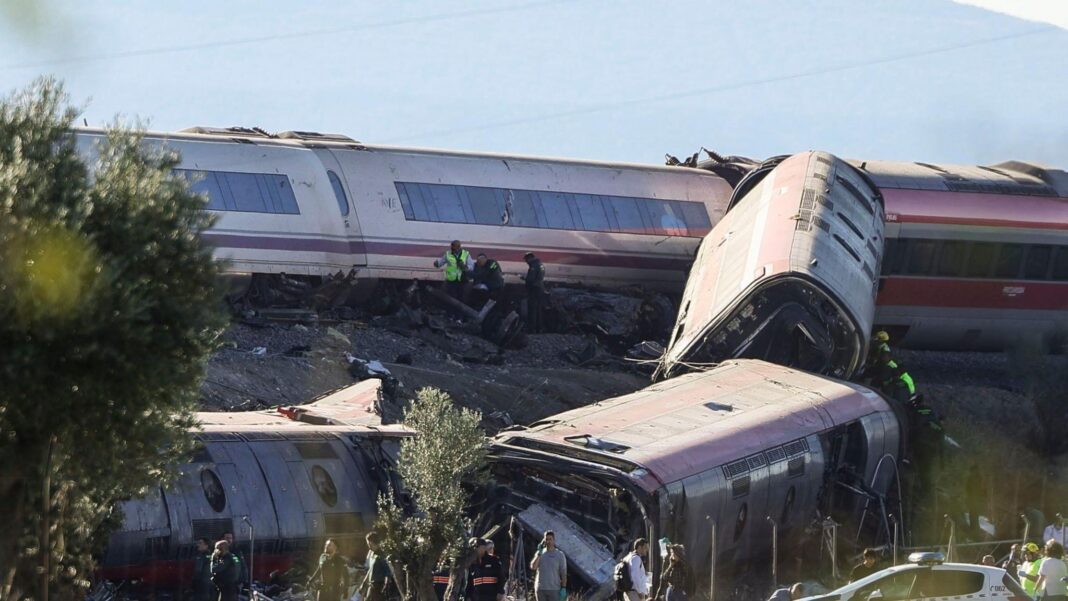
Two trains have collided in Spain just south of the capital Madrid on Wednesday morning.
Rail operator Adif says the incident occurred between a Renfe train and another of the Iryo company, which covers the Madrid to Seville route.
So far at least 30 people are confirmed to have died in the incident with casualty numbers expected to rise.
Here is what we know about the crash so far.
Where and when did the crash happen?
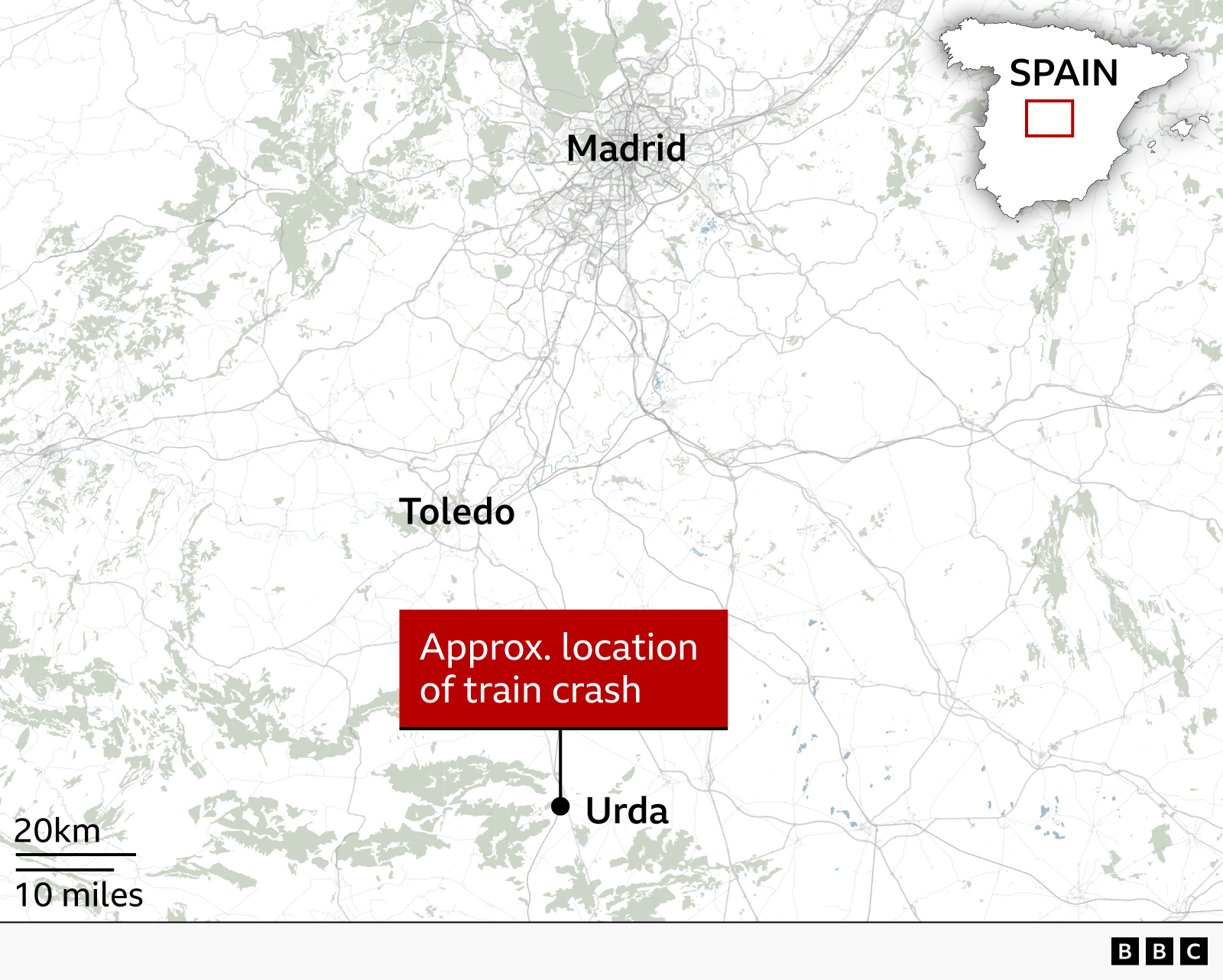
The two trains collided just after 09:00 (08:00 GMT) between municipalities Mora and Orgaz, and about 140km (100 miles) south of Madrid.
The accident happened when a high-speed train travelling from Madrid to the south of the country collided with another train that was apparently stationary. The crash caused at least two carriages to fall down an embankment.
Broadcaster RTVE, quoting the transport ministry, said a Renfe train rear-ended an Iryo train.
Renfe is Spain’s national state-owned railway company while Iryo is a private high-speed railway operator.
All train traffic on this line has been stopped at stations along the route, Adif said.
Renfe said services between Madrid, Ciudad Real and Andalusia remain suspended.
A passenger on board one of the trains told local media there was a heavy impact about 40 minutes into the journey.
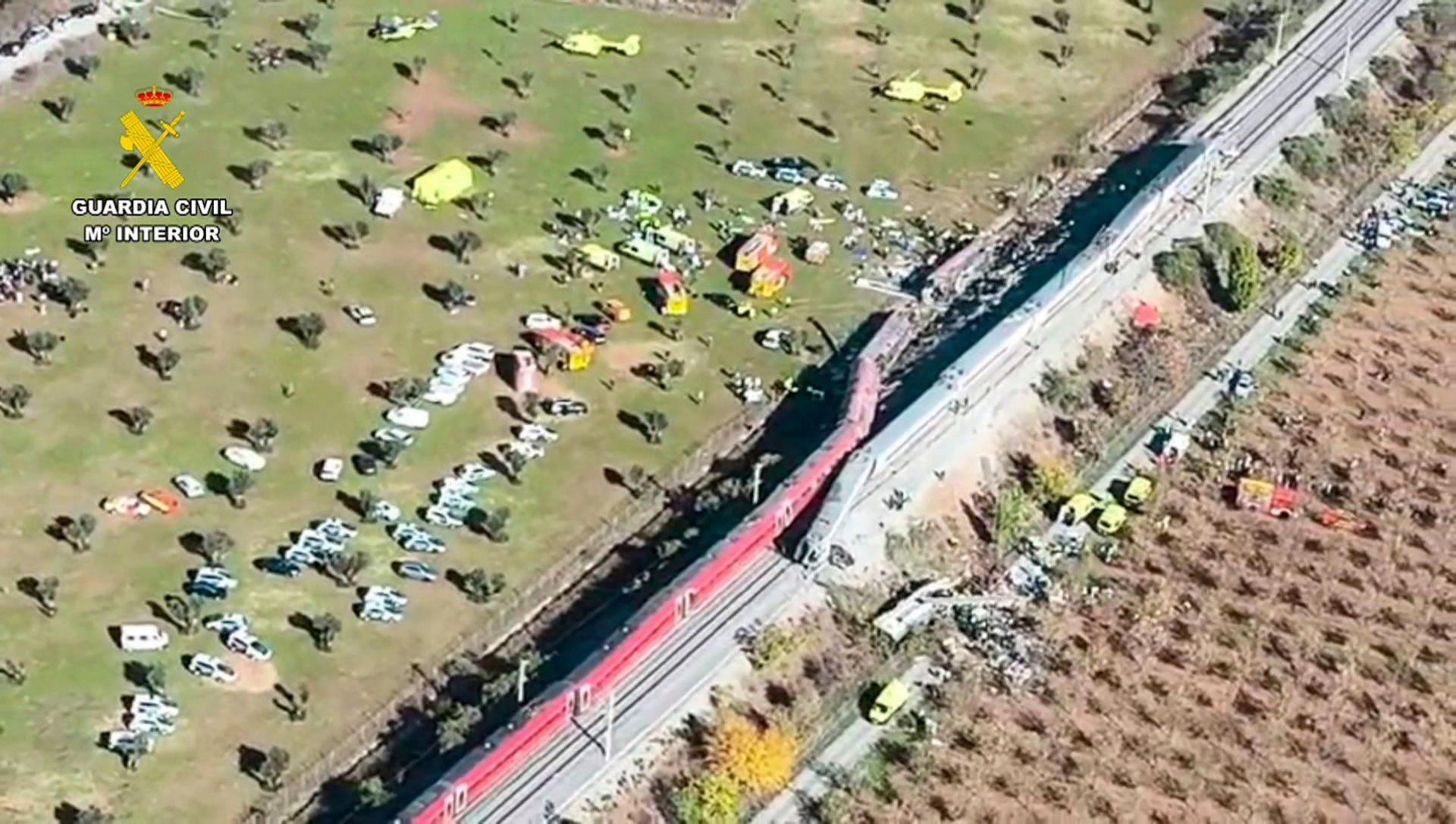 Image source, EPA
What caused the crash?
The cause has not been confirmed, though reports in Spain suggest a high-speed train hit another train which had stopped on the tracks.
How many passengers were on board
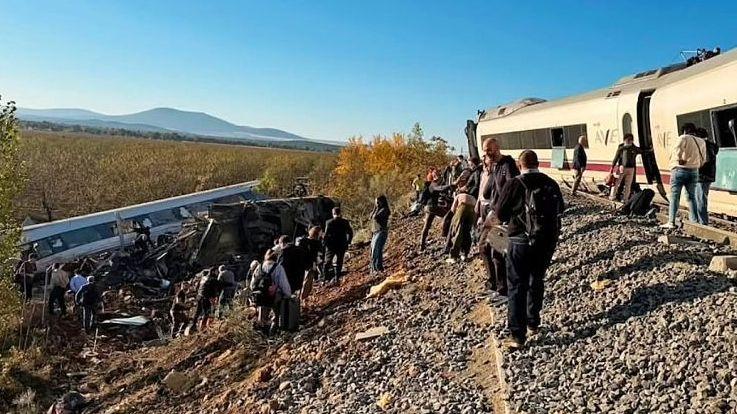 Image source, Getty Images
More than 500 people were believed to be on board both trains.
Esther Padilla, spokesperson for the government of Castilla-La Mancha region, told TVE that one of the trains – managed by the Iryo company – was carrying 146 passengers plus one baby, while the Renfe-managed train had 397 passengers on board.
She also said that the casualty figure “will almost certainly rise”.
Local media, citing the regional government, say so far at least 30 people have died in the crash.
How have the authorities responded?
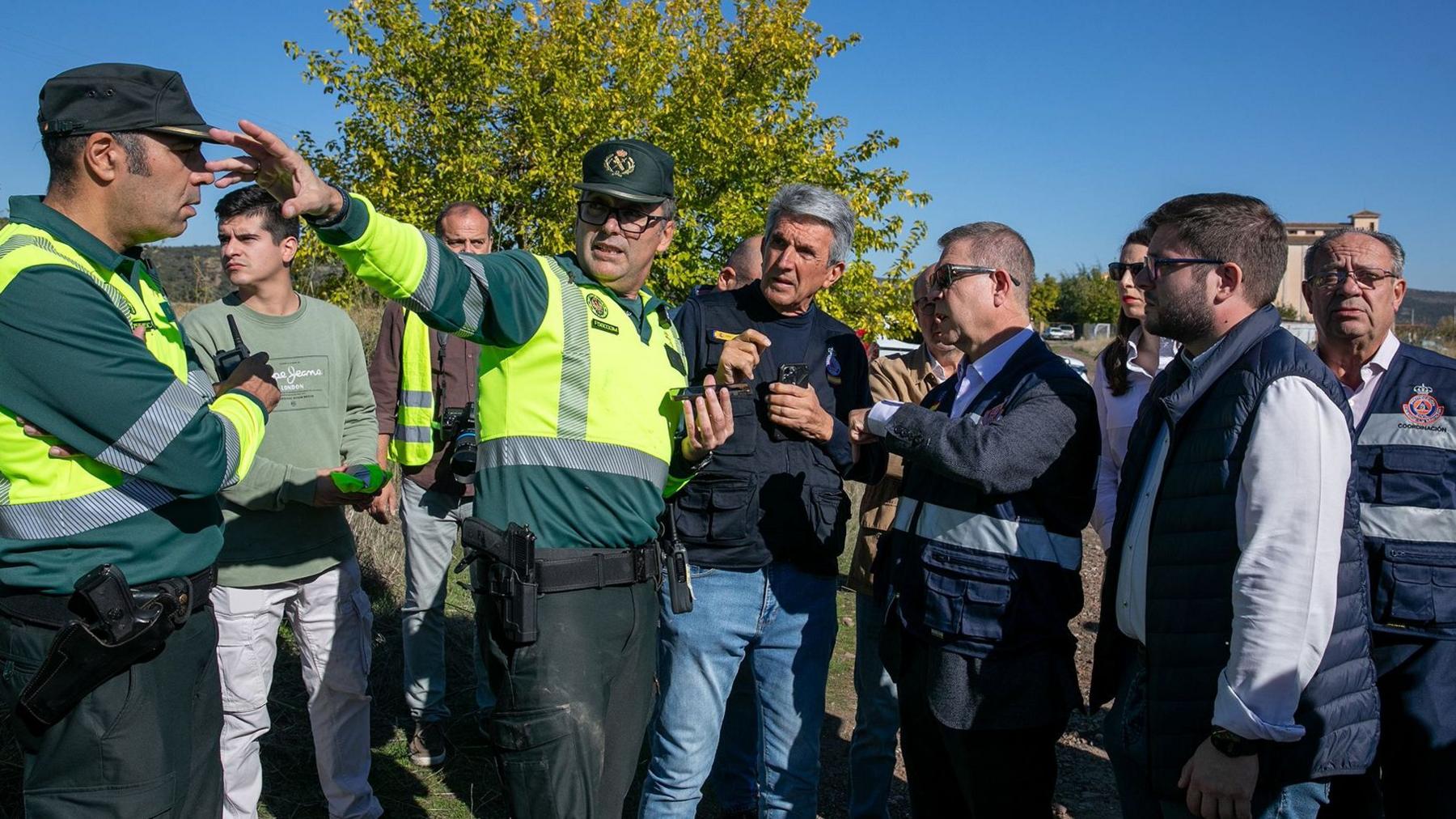 Image source, Europa Press via AP
Spanish Prime Minister Pedro Sánchez said he was “shocked by the serious train accident in Toledo”.
“I remain in constant contact with the Minister of Transport, and with the president of Castilla-La Mancha,” Sánchez said on X, adding that emergency services were working on the ground “to assist those affected and ensure their safety, in coordination with all the involved administrations”.
“My affection, solidarity, and support to all the victims and their families.”
Sánchez and other Spanish politicians have cancelled all public engagements on Wednesday, including campaigning for next month’s parliamentary elections.
Spain’s royal family posted on X that it was “shocked and concerned” by the accident and expressed condolences for the relatives of the deceased and those affected by the crash.
A huge emergency response is under way with fire crews and helicopters at the scene.
Spanish news agency have reported that hospitals in the area have suspended planned surgeries as they deal with an influx of patients from the crash.
A blood transfusion centre in Madrid has also appealed for “urgent” donations. In a post on X, Centro de Transfusión said it made the request “in the face of a possible sudden increase in care needs”.
It reported that facilities in Toledo, Ciudad Real and Alcázar de San Juan have cancelled procedures as casualties from the crash begin to arrive.
This is the second high-speed rail tragedy in Spain this year.
In January a high-speed train derailed in southern Spain, its rear carriages going into the path of a state-run Renfe train, claiming the lives of 46 people.

Get in touch
Are you in the affected region? If it safe to do, get in touch.