

This post was originally published on this site.
 Getty Images/Reuters
The 2025 Africa Cup of Nations (Afcon) will long be remembered for the way it finished.
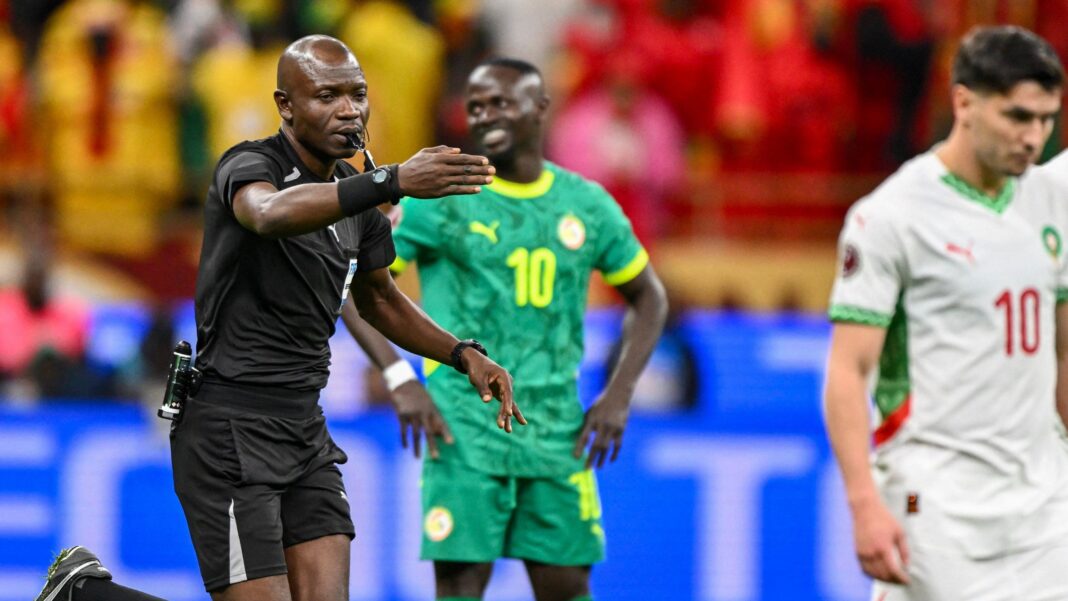
There were chaotic scenes at the end of regulation time in the final, when the award of a penalty to Morocco sparked a walk-off from Senegal and led to a delay of over 16 minutes before Brahim Diaz had his Panenka attempt saved.
Atlas Lions boss Walid Regragui decried the incident as “shameful”, and the Confederation of African Football (Caf) is yet to announce the sanctions.
But there was more to the tournament.
The fallout from Senegal’s eventual victory in Rabat should not detract from what has been a largely well-organised finals where a record 121 goals were scored.
BBC Sport Africa explores what else we learned from just under a month of competition in Morocco.
World-class infrastructure
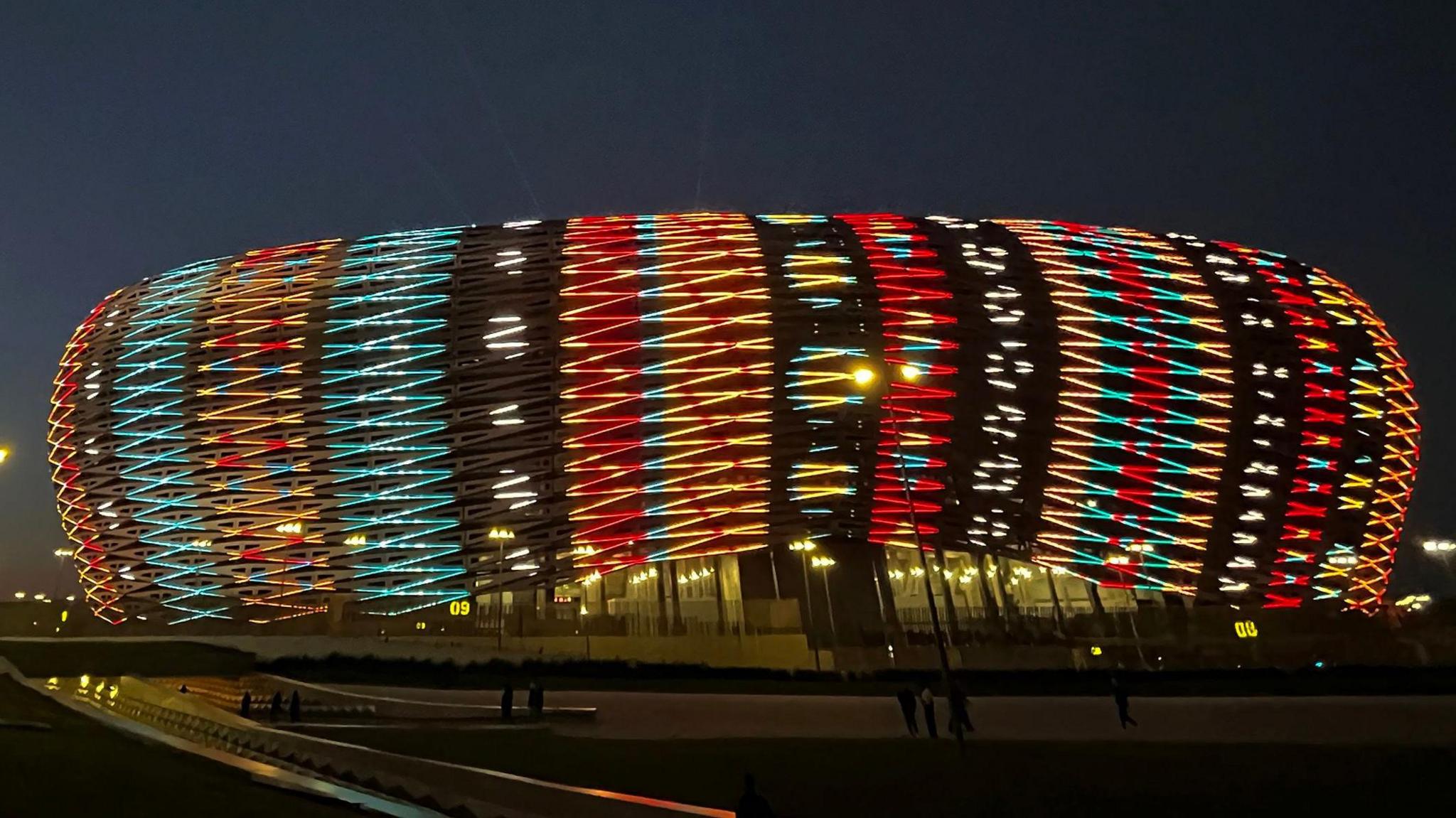
There is no doubt that Morocco has delivered outstanding infrastructure, facilities and stadiums, with the Prince Moulay Abdellah Stadium in the capital the stand-out example.
Staging the tournament was partly in preparation for co-hosting the 2030 Fifa World Cup alongside Spain and Portugal.
The North African country has benefitted from vast investment over recent years backed by King Mohammed VI, who said the country’s infrastructure had demonstrated “resilience and a world-class level of readiness”.
Things will only improve, with the Stade Mohammed V in Casablanca and stadiums in Fes, Marrakesh and Agadir set for renovations – while work on a 115,000-seater stadium near Benslimane continues.
 Getty Images
Pitches held up strongly, even in persistent rain, which has long been a challenge for Afcon hosts.
“We are tremendously happy with our technology,” Omar Khyari from the Royal Moroccan Football Federation told BBC Sport Africa.
“We are very happy also because it shows the world that sometimes Africa can do it better than other countries. Maybe more importantly, all this technology is from Moroccan companies.”
Media colleagues from East Africa marvelled at what they saw, but it is unlikely that future co-hosts Kenya, Tanzania and Uganda will be able to deliver anything on the same scale.
Kenyan football federation president Hussein Mohammed accepted that Morocco has set “a new standard” for hosting but that “key steps” are being taken to improve existing infrastructure ahead of 2027.
The dates of those finals are still yet to be announced by Caf.
An improved balance sheet
 Reuters
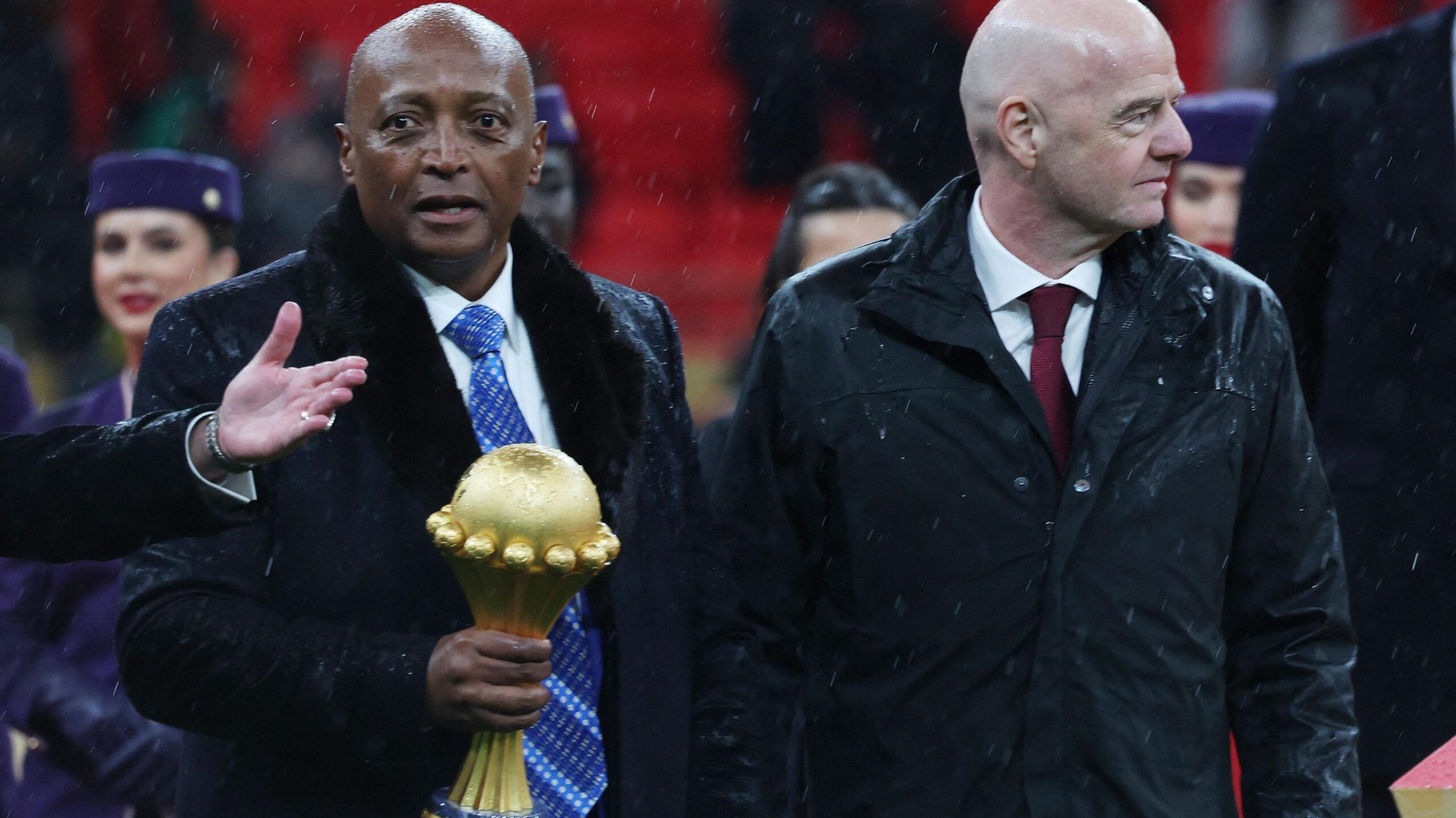
Caf says revenues generated by Afcon have grown by 90%, with ticket revenue increasing significantly from $11m at the 2023 edition in Ivory Coast to $55m in Morocco.
It has also increased the number of sponsors and major partners to 23, while the profile of the finals has been boosted by improved social media coverage.
Last year Caf forecast a net profit of more than $114m from the finals, up from a profit of $75m two years ago.
With such figures and an increased profile, people will wonder why Caf has decided to switch to quadrennial rather than biennial hosting of Afcon from 2028 – and whether it is possible to generate similar value outside of Morocco, which as well as hosting Afcon is about host its third Women’s Nations Cups in a row.
Asisat Oshoala, one of the stars of Nigeria’s women’s team, recently branded Morocco the “new headquarters” of African football, saying it was “getting boring” returning there so often.
The question is, can Caf afford not to?
Officiating criticised
On the downside, standards of officiating were regularly called into question.
Before their semi-final against Nigeria, Morocco boss Regragui went as far as pouring cold water on conspiracy theorists who suggested referees had been favouring the hosts.
“I watch a lot of matches and the controversies are the same everywhere, in Africa or in Europe,” he said.
A major case in point came in the final, a match Jean-Jacques Ndala marshalled well until second-half stoppage time when it all quickly unravelled.
The Congolese’s decision to blow up for a challenge by Abdoulaye Seck on Achraf Hakimi before Senegal put the ball into the Morocco net in the second of what was due to be eight added minutes contributed to a sense of injustice which culminated in their walk-off after Morocco were awarded a penalty six minutes later.
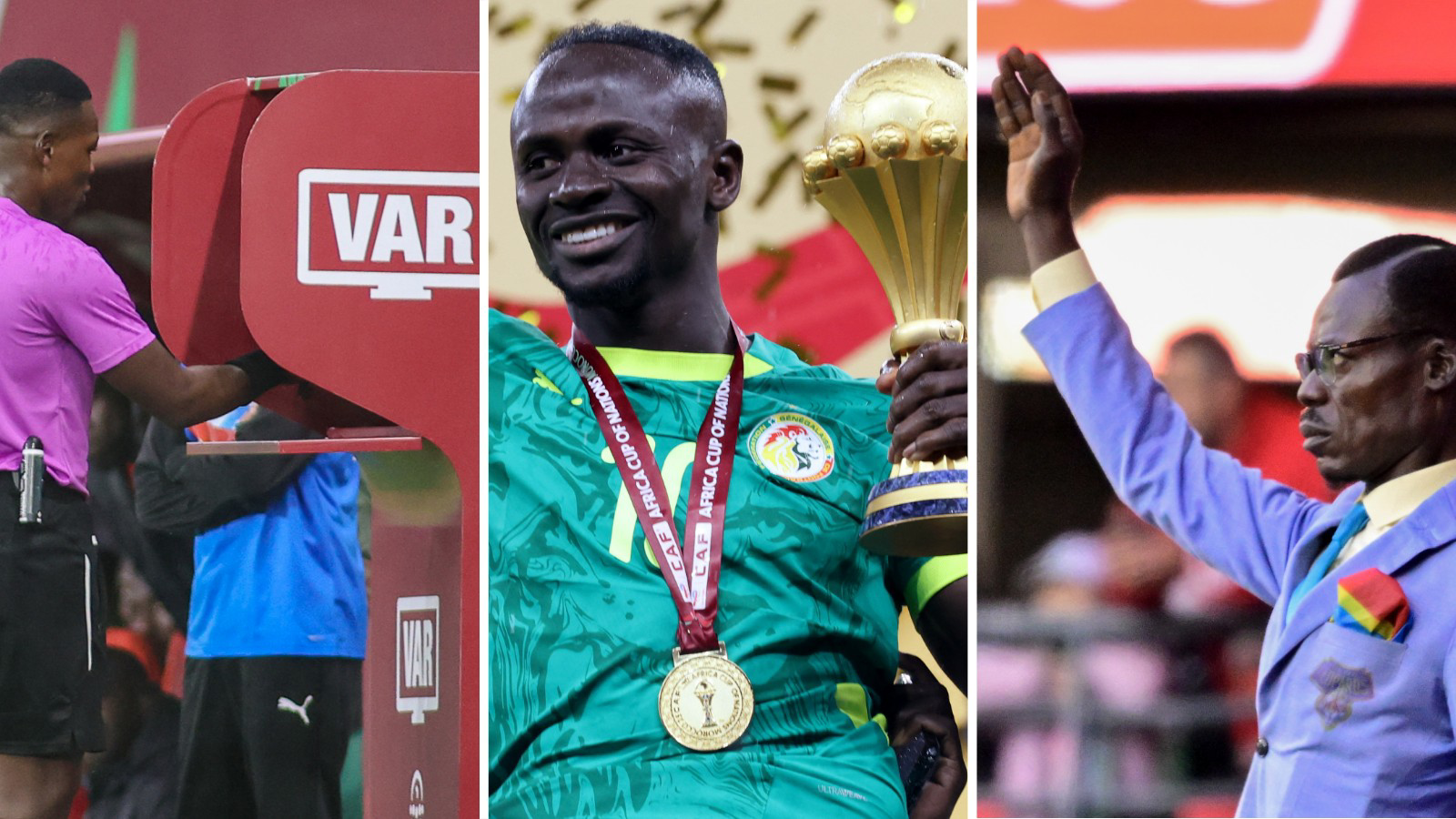
The use of video assistant referee reviews has definitely taken a backwards step following a near faultless application at the 2023 edition.
There were long delays for several reviews and a couple of questionable handball and penalty calls, while for all of Morocco’s investment there was no semi-automated offside in operation.
Security and crowd control
 Getty Images
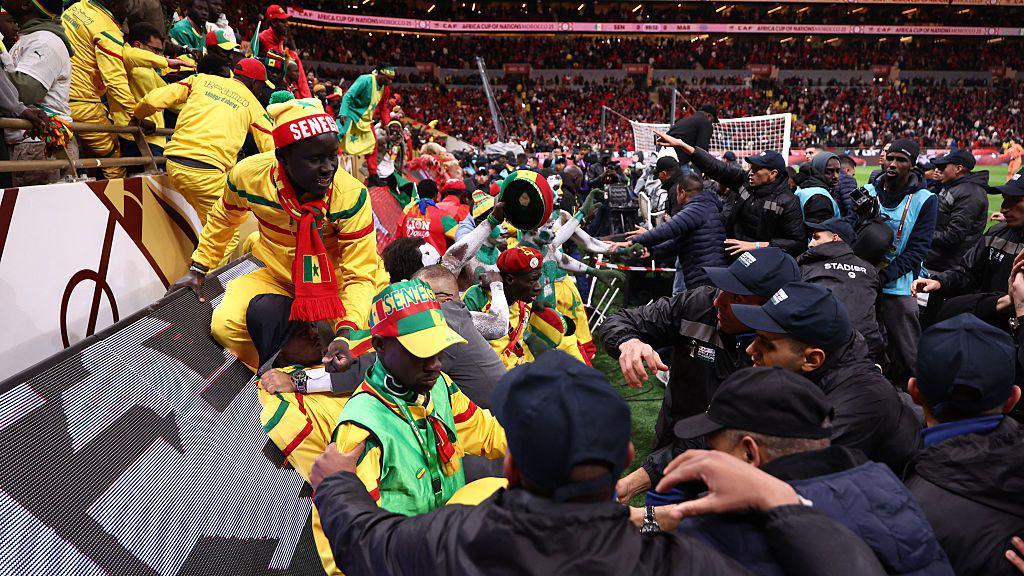
Meanwhile, Senegal’s football federation (FSF) raised legitimate concerns over the lack of security when their squad arrived by train in Rabat ahead of the final, leading to players being mobbed at the station.
Then came the unsavoury scenes inside the stadium as Teranga Lions fans clashed with security after Morocco’s controversial penalty award.
BBC Sport Africa witnessed other incidents of fans outside stadiums being caught up in crushes or penned into tight spaces.
Crowd control is a serious issue but not limited to African football, as demonstrated by incidents at the Euro 2020 and 2022 Uefa Champions League finals.
Before the match, the FSF also complained about the fact it received fewer than 4,000 tickets for a final which took place in a 69,500-capacity stadium.
It will also be interesting to see whether Caf acts on any of the gamesmanship on display on Sunday, where Moroccan ballboys attempted to wrestle Senegal goalkeeper Edouard Mendy’s towel away from one of his understudies behind the goal.
Videos circulating on social media had showed Moroccan fans celebrating as the towel of Nigeria keeper Stanley Nwabali was stolen twice during their semi-final against the host nation.
Change in regulations needed
 Getty Images
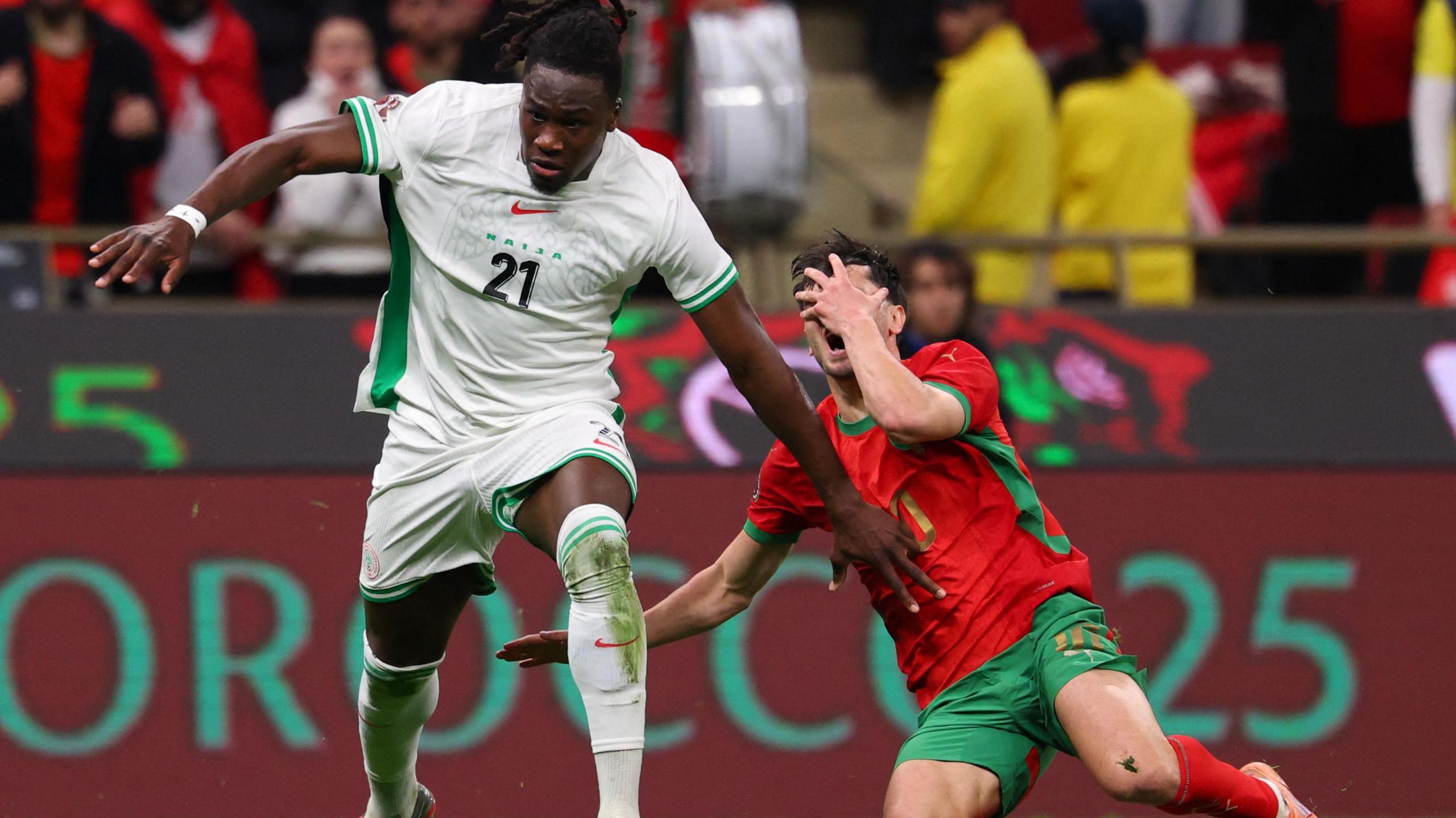
Caf must surely look at changing its rules regarding bookings in knockout games, having wiped all yellow cards after the group stage.
A total of 20 players were walking a tightrope in the semi-finals, knowing that a second caution in the space of three matches would rule them out of the final.
Senegal captain Kalidou Koulibaly and midfielder Habib Diarra ultimately missed out, while the same fate would have befallen Nigeria defender Calvin Bassey and Egypt’s Hossam Abdelmaguid had their sides progressed.
While discipline is important, coaches, players, supporters and media all want to see the strongest XIs possible take the field in the biggest games.
Meanwhile, the requirement to draw lots to separate sides with identical records in the group stage almost occurred on three occasions.
It last happened at an Afcon in 2015, with Guinea progressing ahead of Mali, and at one point would have been needed to decide which side finished as the last of four third-placed finishers.
Though perhaps a drawing of lots would offer a moment of drama to a neutral, fair play records or an attacking metric would likely be preferable to the teams involved.
Related topics
-
-
2 days ago

-


