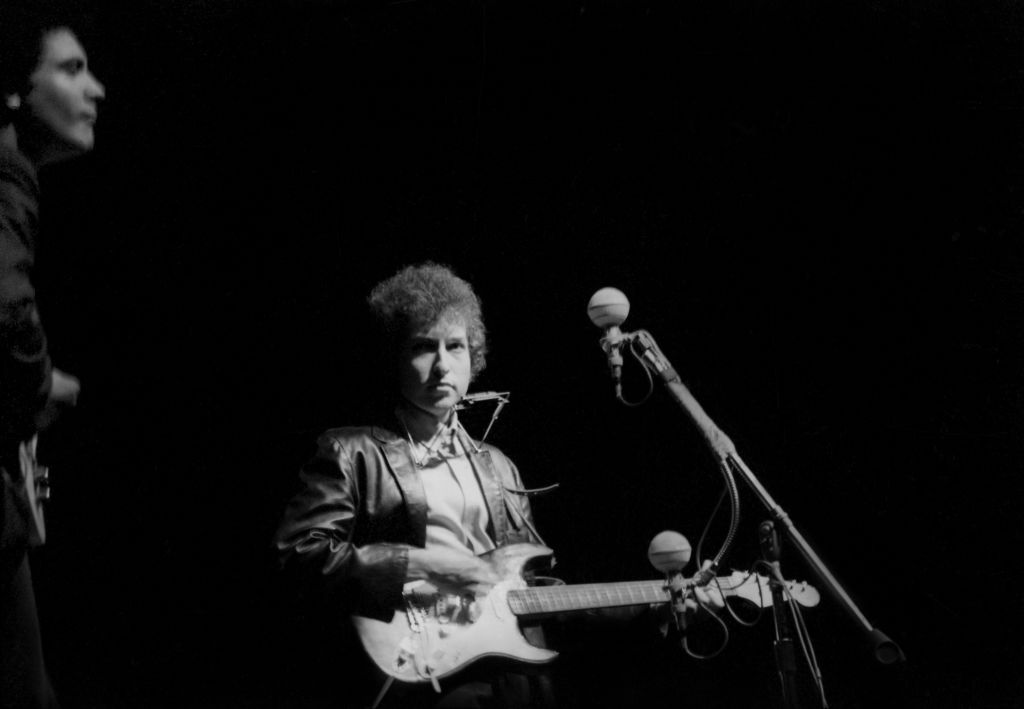

How is the music industry doing?
The music industry is doing an awful lot better than it was ten years ago and far better than many media sectors. In the first decade of this century, the global music business had a famously torrid time of it, as consumers pinched content for free via file-sharing sites. Sales of physical CDs collapsed and the nascent digital-download channel failed to make up the difference. Between 1999 and 2014, global revenues shrank by 40% and reasons to be cheerful were thin on the ground.
But since then, it’s been a growth story, driven by technology. If the internet destroyed the record companies’ old business model, the ubiquity of smartphones facilitated the rise of the now-dominant streaming model, where labels and artists license their content to sites such as Spotify (which marks 18 years in business next month) and Apple Music. In 2017, revenues from streaming surpassed sales of physical formats (CDs and the like) and downloads for the first time – and they’ve continued growing strongly since. At the same time, legacy formats, notably vinyl, have enjoyed a resurgence as a premium, niche product for superfans.
Has Spotify changed the music industry?
It has permanently altered the music industry’s economics, yes. In the age of Spotify and Apple Music, it’s easy to listen to songs via playlists without even knowing the name of the artist. That tilts power away from performers and towards songwriters. It has also made it harder than ever to break new acts and for artists to build long-term fan bases – both trends that raise questions over long-term revenue streams. At the same time, it has delivered lucrative new revenue streams for legacy acts, as new generations of listeners decide that the old songs really are the best. And it has helped moves by a growing number of big-name acts to sell off their back catalogues to investors.
Sign up to Money Morning
Don’t miss the latest investment and personal finances news, market analysis, plus money-saving tips with our free twice-daily newsletter
Don’t miss the latest investment and personal finances news, market analysis, plus money-saving tips with our free twice-daily newsletter
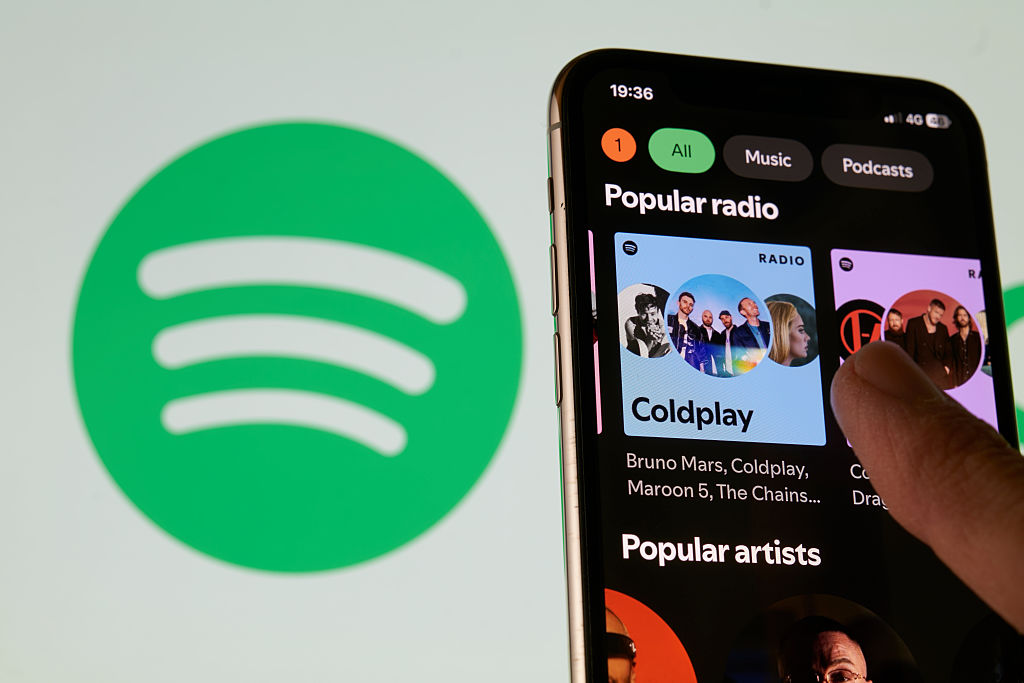
(Image credit: Matteo Della Torre/NurPhoto via Getty Images)
How has Spotify affected artists?
The advent of Spotify has been to the benefit of artists and consumers, says Simon Heptinstall in The Spectator. The old bloated music industry, with its inflated unit prices, concentrated its massive wealth at the top, but failed to fund a thriving grassroots scene. The industry “funded Elton John’s drug binges, Led Zeppelin’s private Boeing 720 waterbeds and Keith Moon driving a Lincoln into a Holiday Inn swimming pool”. But if you weren’t one of a handful of “anointed megastars, you didn’t get pressed to plastic”. Last year alone, Spotify paid a record £860 million to the UK music industry, twice as much as ten years ago. Forty-five per cent went to independent artists and grassroots labels. Globally, it paid out $11 billion – up 10% in a year – with half going to independents. More than 1,500 artists earned over $1 million each and about 80 artists generated more than $10 million from Spotify alone.
How big is the music industry?
Big and getting bigger. According to UK Music – a trade body representing all sectors of the industry – the contribution of music to the UK economy hit a record £8 billion in terms of gross value added (GVA) in 2024 – up 5% on 2023. UK music exports that year hit £4.8 billion, also up 5% year on year. UK growth is currently in line with global trends. Goldman Sachs, which tracks the global music industry across the recorded, publishing and live sectors, reported 6.2% growth from 2023 to 2024. It puts the total global market at about $105 billion in 2024 and forecasts a lift to almost $200 billion by 2035. Its 2024 forecast puts the live market at roughly $35 billion, recorded music at about $31 billion and publishing at roughly $10 billion.
The overarching theme is of a tech-enabled structural shift in power from labels to artists, says Nick Lawson of Ocean Wall, a London-based research-led investment bank. The traditional music business model was an unequal bargain, where advances were “loans dressed as gifts”, and rights were surrendered in return for “access to a distribution machine that only the majors could operate”. That machine is broken. “Streaming democratised distribution. Social media democratised discovery. And a generation of artists, watching their peers retain their masters and still reach global audiences, has concluded that independence is not just viable, it is preferable.” Some 55%-60% of artists now operate independently.
What does streaming mean for the music industry’s growth?
Streaming is now maturing in developed markets, says Perry Gresham of MIDiA Research. Future growth will be driven by emerging markets and premium tiers. More broadly, beyond streaming, it will depend on the wider ability of artists and rightsholders to fully exploit the “fan economy” – the industry’s new buzzword – meaning live music, merchandise, physical products, direct-to-fan services and other forms of “expanded rights”. According to Goldman Sachs, studies show that 10% to 15% of fans are willing to spend multiples of the standard price for premium offers such as early access to tickets, exclusive content, high-quality audio or merchandise. This could add billions of dollars to annual industry revenues by 2030.
Who will capture that value from the music industry?
Not the traditional record labels, says Lawson. The majors are built around rights ownership, but their data on fan behaviour is fragmented across ticketing platforms, streaming services and merchandise partners. Live music will remain the “structural backbone” of the industry – spending has risen in 29 of the past 33 years, an impressive recession-proof record. Meanwhile, artist-centric royalty platforms will shift payment models towards genuine engagement, rather than fraudulent streams and AI-generated oversupply. That leaves an opening for firms (such as ATC, in which Lawson owns a stake) that aim to serve artists in the round – combining management, fan engagement, touring, booking and exploiting intellectual property – rather than acting as rightsholders. The future is an “artist economy” in which authenticity is valued most. The firms that built the tools, the data and the trust stand to benefit the most.
This article was first published in MoneyWeek’s magazine. Enjoy exclusive early access to news, opinion and analysis from our team of financial experts with a MoneyWeek subscription.