

This post was originally published on this site.
This summer’s eclipse mania doesn’t end after August 12. Serious eclipse chasers are already planning for the next total solar eclipse, a once-in-a-lifetime event that’s been dubbed the “eclipse of the century.”
On August 2, 2027, the moon’s shadow will cross southern Spain, North Africa, and the Middle East, resulting in a rare six minutes of totality—one of the longest total eclipses anyone alive today is likely to witness. “The August 2, 2027 solar eclipse will perhaps be the most exciting of our lifetimes,” says Ryan French, a solar astrophysicist at the Laboratory for Atmospheric and Space Physics.
Since the path of totality overlaps with beloved and easy-to-access travel destinations like Morocco and Egypt, the 2027 total solar eclipse is shaping up to be one of the most highly anticipated travel events of the decade. Which also means that some hotels, tours, and cruises are already starting to book up.
If you missed out on this August’s solar eclipse, it’s not too late to redeem yourself. Here’s how to decide where—and how—you want to see the 2027 total solar eclipse. (Plus, for all the overachievers out there, what to know about the 2028 eclipse in Australia and New Zealand.)
What makes the 2027 total solar eclipse so special?
At the point of greatest eclipse, totality will last approximately 6 minutes and 22 seconds. The last total solar eclipse to exceed six minutes occurred in 1991, and another will not do so until 2114. “For comparison, the 2026 total solar eclipse has a maximum duration of 2 minutes and 18 seconds,” says French.
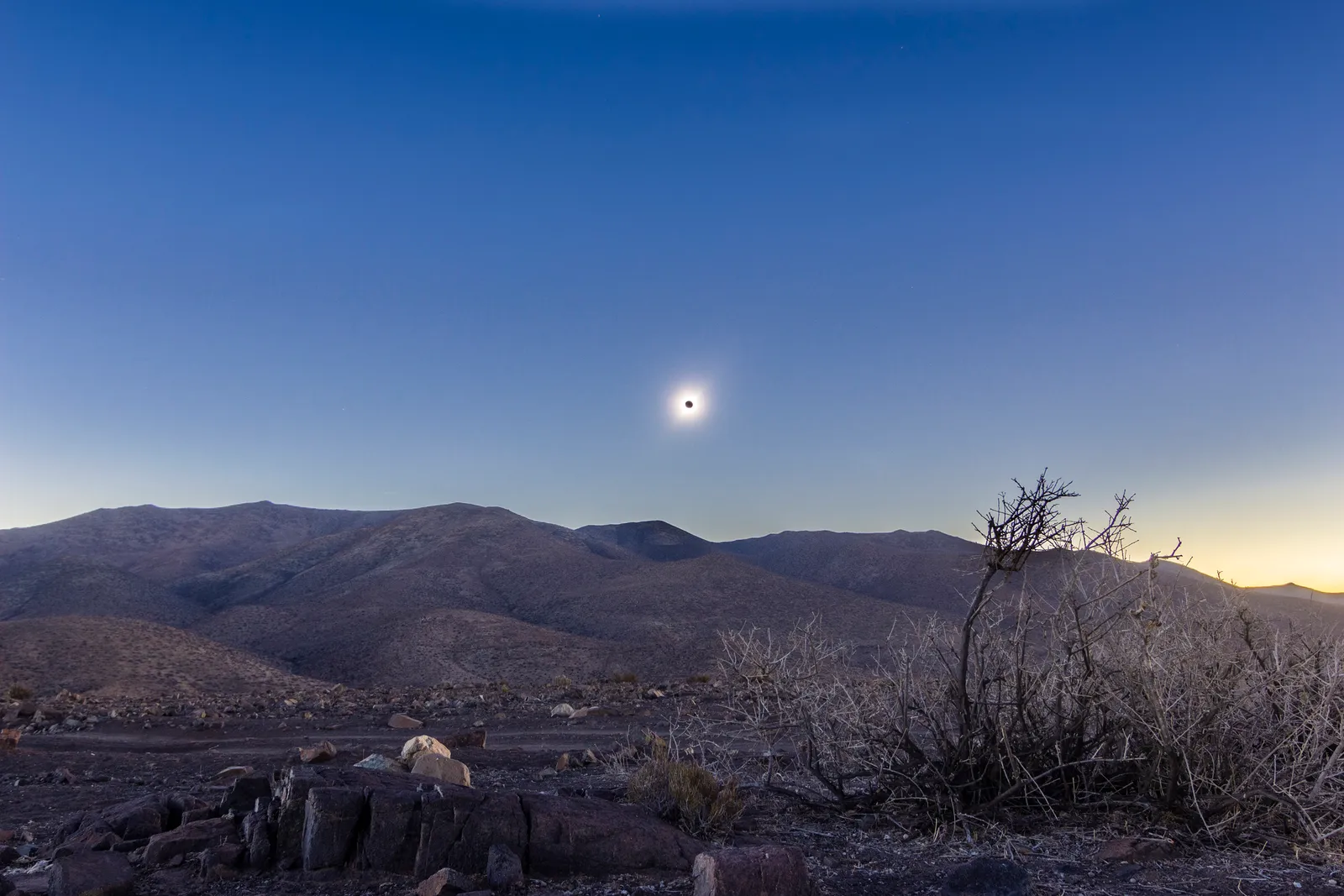
Totality is the brief period when the moon completely blocks the bright surface of the sun, revealing its wispy outer atmosphere, known as the corona. Temperatures may fall, stars and planets can appear, and the landscape takes on the eerie darkness of twilight. “This is the best part of an eclipse,” says science communicator Laura Tenenbaum, who plans to experience her third totality in 2027. “The sun’s corona is visible, the temp drops, stars come out. It’s magical.”
During shorter eclipses, observers may feel as though totality ends almost as soon as it begins—you’ve only just had enough time to photograph the eclipse, much less bask in its glory. The 2027 event will offer more time to look around, observe changes in the landscape, and experience the eclipse without focusing entirely on cameras. “In Luxor, the unusually long duration offers the rare luxury of slowing down and fully immersing yourself in the experience,” says Stéphane Pricard, CEO and owner of Cliff Valley Astronomy, a dark sky destination in New Brunswick, Canada.