

This post was originally published on this site.
Though Nagaland falls among India’s least populated states, it punches above its cultural and creative weight. The misty highlands and dense forests of the region, which borders Myanmar in the east, are home to some 17 Indigenous tribes and long-held textile-weaving traditions. Nagaland’s capital, Kohima, or its largest city, Dimapur—accessible by flights from New Delhi or Kolkata—are good gateways to the region and offer plentiful homestays and vibrant workshops that reimagine local materials into the likes of upcycled suiting and understated home furnishings. In December, Nagaland’s annual Hornbill Festival may draw global travelers to celebrate its Indigenous histories, but the state’s centuries-old craft heritage—found everywhere from stylish boutiques to artist studios—gives plenty of reasons to linger longer.
Designed and decorative
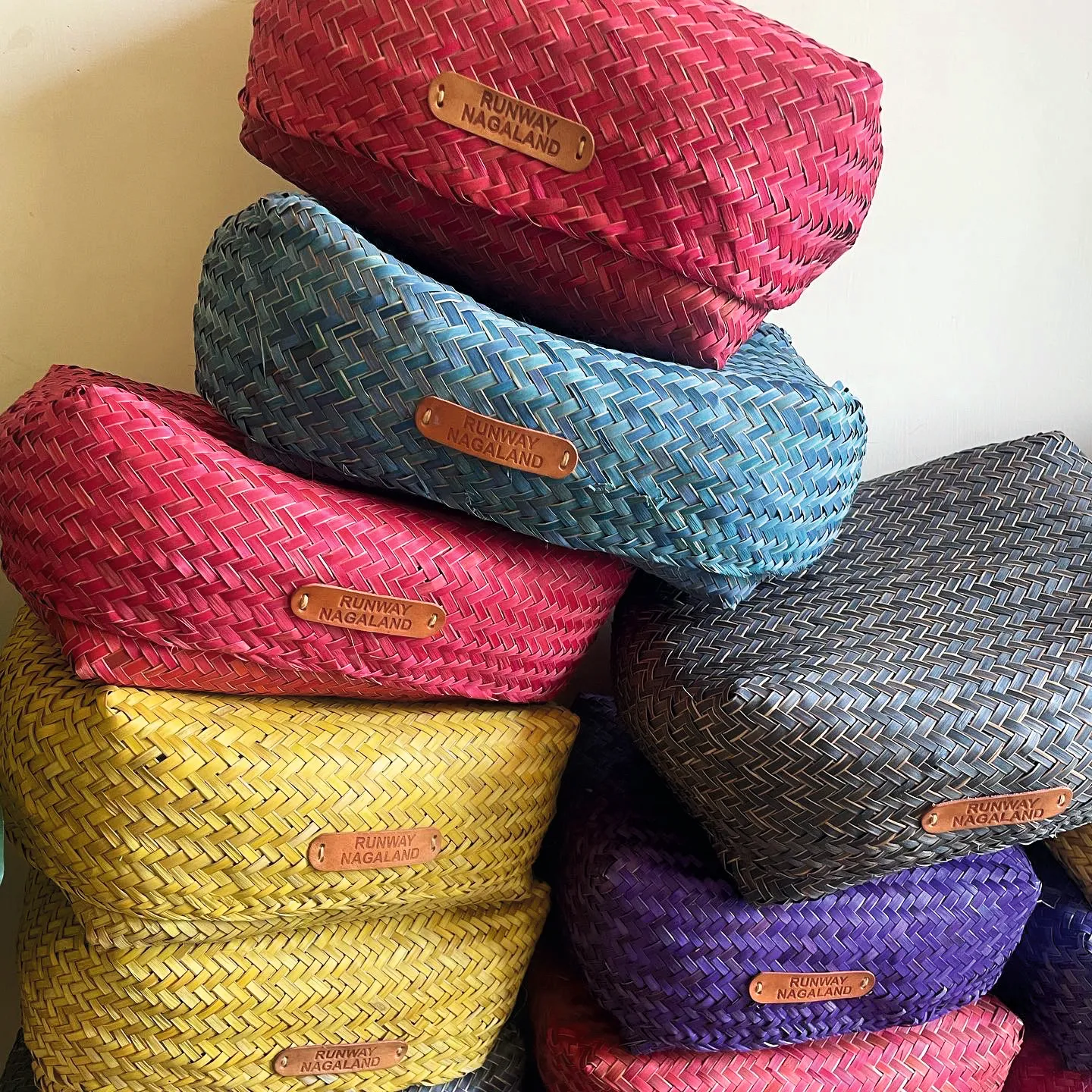
For textile arts, Heirloom Naga, founded in Dimapur, is a must-visit. The mainstay’s range has expanded over 30 years from a line of color-blocked linens and cushions to bags, display bowls, fans, and wall tapestries. Visit its Heirloom Naga Centre to shop, stay at the property’s eight-room guesthouse—done up with signature throw blankets and pillows—or take a traditional loin-loom weaving or basketry workshop hosted by Heirloom. Grab a bite at the center’s restaurant, Heirloom Eatery.
Modern mekhalas
For a clothing label whose name directly translates to “communities” in the Indigenous Ao Naga language, Dimapur-based Kintem’s focus is exactly that. Founder Moala Longchar employs a network of intergenerational weavers from local communities to create reinterpreted mekhalas, or draped dresses, and shawls using loin-loomed panels; many pieces are embellished with geometric motifs, tassels, and cowrie shells. Find casual sarong-style wrap skirts in shades of olive and sandy orange, or explore its bridal edit, which features züngijang, or “cucumber seed” embroidery, in gold as well as elevated mekhalas adorned with tiny bells.