
This post was originally published on this site.
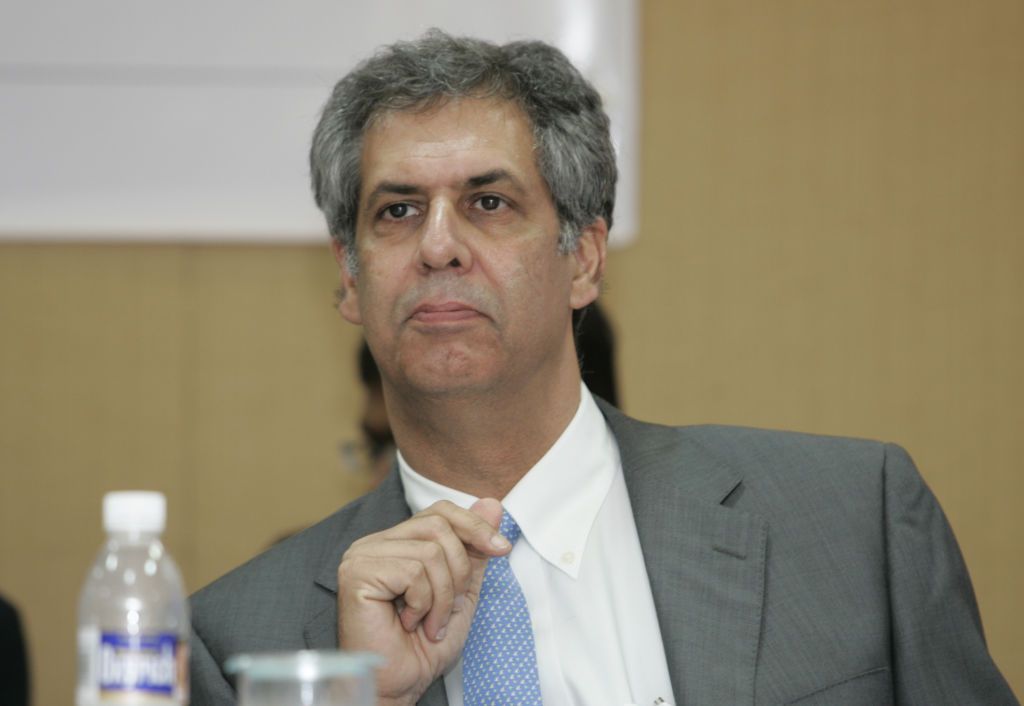
Suddenly, it seems, a member of the Tata family – Noel Tata – is back in the driving seat of the gigantic “salt to software” group, which owns Jaguar Land Rover, Air India and Tata Steel, and is India’s largest private-sector employer. And not everyone is happy.
Tata Group, India’s largest conglomerate has been consumed by boardroom drama for months. Now, though, matters have come to a head, says The Economist. Natarajan Chandrasekaran – chair of the $280 billion group’s holding company Tata Sons – has announced he will step down after his term ends next February.
“This is very much the beginning of the Noel Tata era,” one investor told the Financial Times, and it began with a rout. Shares in Tata’s listed companies – including its cash-cow IT outsourcer Tata Consultancy Services – dived as investors worried about what lies ahead.
Sign up to Money Morning
Don’t miss the latest investment and personal finances news, market analysis, plus money-saving tips with our free twice-daily newsletter
Don’t miss the latest investment and personal finances news, market analysis, plus money-saving tips with our free twice-daily newsletter
Noel Tata, a half-brother of the group’s legendary leader Ratan Tata, who died in 2024, is commonly described as lacking “the stature” of his sibling. Nonetheless, on Ratan’s death, he acquired a key role in the 158-year-old conglomerate’s firmament when he took over as chair of Tata Trusts – a collection of charitable trusts that majority-own the holding company. That set him on a collision course with Chandrasekaran.
The main cause of the boardroom feud that came to dominate business gossip in the country was over whether to list the Tata holding company – as demanded by India’s central bank, which had classified it as “one of the country’s largest shadow banks” in 2022, and was pushing for greater transparency.
Noel Tata was set against the move, arguing that staying private meant more freedom to make “long-term strategic bets” and conserve the company’s “founding ethos and desire to serve India”.
His critics say his real motive was “to exert more control” so he could set up the eventual succession of the rising generation of Tatas – his 33-year-old son, Neville, and daughters Leah and Maya – before he exits the stage on his 70th birthday in November.
People close to the family dispute these alleged manoeuvres. Certainly, Noel Tata hardly comes across as an aggressively Machiavellian operator, says The Indian Express. Known for “his quiet demeanour, discretion and aversion to public attention”, he has “built his reputation not through flamboyance but steady performance” – making a successful fist of building Trent, the conglomerate’s retail arm, and later serving as a director at its aircon arm Voltas and the Tata Investment Corporation.
Will Noel Tata win Tata Group’s succession drama?
Some Indians of a more nationalist bent are wary of Noel Tata’s international credentials. Although born in Mumbai, his mother Simone Tata hailed from Switzerland and he himself holds Irish citizenship – via his marriage to Aloo Mistry, a member of another prominent Indian business dynasty whose mother, Patsy, was born in Dublin. He also spent much of his early life abroad, including in Britain and France.
Still, after decades of being overlooked for the conglomerate’s top jobs, some argue Noel Tata deserves his chance to steer the tanker. He lost out in 2011 when his brother-in-law, Cyrus Mistry, was announced as Ratan Tata’s successor – and then again in 2016 “when Mistry was dramatically ousted from the chairmanship” and Chandrasekaran (the first real outsider to lead the group) was installed, says The Indian Express.
But the price paid for this, says Reuters Breakingviews, is yet more turmoil in a conglomerate renowned for its “abysmal record on managing succession” – at a critical time for many of its companies.
It’s up in the air whether Noel Tata’s family will eventually assume control; meanwhile, the group is rudderless. But “this was a long time coming”, one Mumbai-based investor told the FT. Neville Tata has been “groomed very carefully. I don’t think these guys will let go of the opportunity.”
This article was first published in MoneyWeek’s magazine. Enjoy exclusive early access to news, opinion and analysis from our team of financial experts with a MoneyWeek subscription.