
This post was originally published on this site.

There has been open criticism of Michael Carrick’s backroom staff appointments at Manchester United, which is one of the most important issues any manager has to address when joining a new club.
Using my experience of that situation, I want to try to explain his thinking with the people he has brought in since he was named interim head coach, and how I believe what he has done can only be viewed as sensible. It’s certainly a long way removed from the accusation that he has just brought in a bunch of his mates.
Michael’s aim at United is the same as every manager when you first arrive in a job. You want to establish quickly a clear and defined alignment between yourself and the different football departments within the organisation that you have just inherited.
You have to be clear on your objectives and set certain principles in the first few days – like a work ethic, for example – that are non-negotiable and must be made absolutely clear to players and staff members who have not worked with you before.
Building a strong base with everyone pulling in the same direction takes time and, initially, it can lead to some forms of confrontation with existing members of the playing and coaching staff.
To be absolutely clear in communicating your intended direction for the club, I believe the manager has to appoint his own members of staff. I always wanted to bring in people I could trust and who were competent in the responsibilities I would delegate to them.
A manager’s job is fraught with pressures and if the most important aspects are not prioritised, the amount of work needed in other areas of the club can become a drain on his ability to perform, on game days or away from those match situations.
This is where your backroom staff is all-important, and it is the same at every club.
I am sure Michael understands that winning games is the be-all and end-all of what supporters want but, behind the scenes, work has to be performed to generate a togetherness and belief in a way that will produce those winning performances.
-
Solskjaer ‘happy’ for Carrick after derby win
-
10 hours ago
-
-
How well do you know Arsenal and Man Utd’s rivalry?
-
11 hours ago
-
What Carrick’s backroom will bring
 Getty Images
With Michael’s appointments, a lot of the critical comments I’ve seen have come from experts making an ‘after the event’ diagnosis without really knowing what kind of work the individuals concerned will do.
I know them, and this is what I think about them.
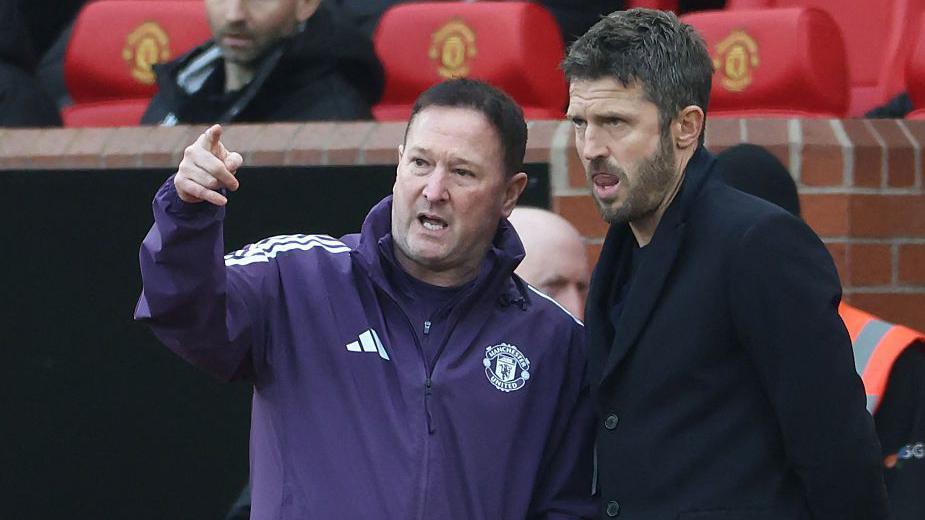
Steve Holland, who is his assistant, worked with me many years ago at Stoke and we have remained in touch ever since. He has worked alongside some of the great managers of my generation, won titles and cups in abundance and has played a significant part in the England national team’s superb progress over the past 10 years.
He will help Michael greatly with setting up his team and he’s a coach who is comfortable working and organising game-related sessions in preparation for coming fixtures. His experience will be of great value, I’m sure.
Woody – as everyone in football calls Jonathan Woodgate – worked with me as a coach at Middlesbrough. He has had a go at management too and, although he found it difficult, again that experience helps and will always put him in good stead for when it’s needed.
I found he always held himself in an engaging way, the players respected him and he demanded high standards. Woody was a top player, and he will understand the complexities of the squad at United.
Their players will find it easy to communicate with him, which again only helps the spirit and togetherness that Michael will want to establish. They had more than two and a half years working together at Middlesbrough, so that trust and understanding between them will be really solid.
 Getty Images
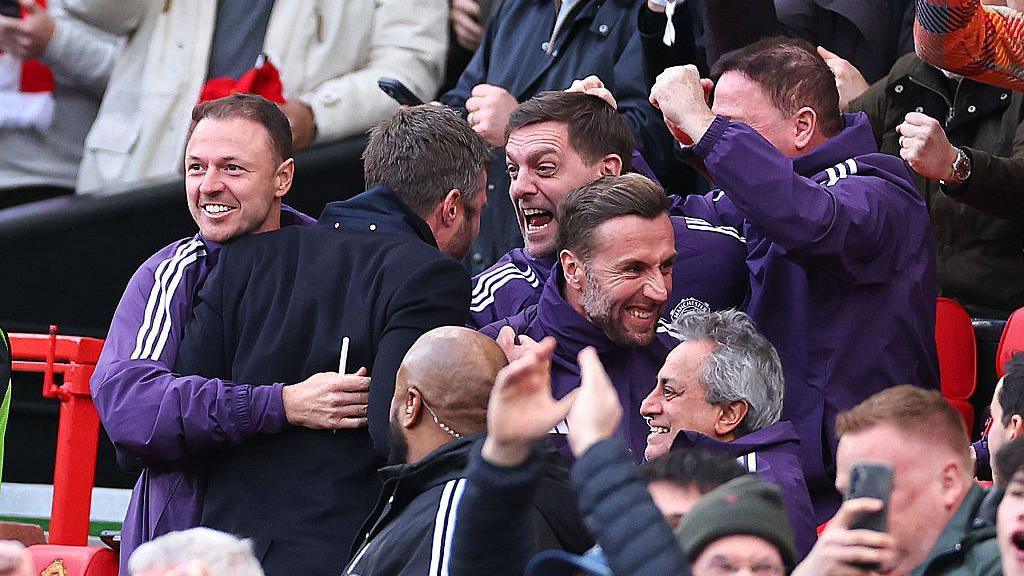
Jonny Evans, who is also on Michael’s coaching team, played for me at West Brom and was a fantastic success.
He and Darren Fletcher, who I also signed for the Albion from United, brought with them a level of performance and professionalism that really stood out – I admired how he was never afraid to speak his mind and always stood his ground.
Jonny had only just left the club when Michael arrived and had been in a position away from first-team responsibilities, but his lack of coaching experience should not deflect from the positive things he will bring to the club.
He has a great understanding of the importance of the spirit and togetherness that was generated in the successful years when he was a player at United, but he will also bring together the youth department and first team through his close relationship with Darren.
That is a tradition at United that I believe has been lost over the past few years and must be reignited. I am sure Jonny will be instrumental in encouraging Michael to keep looking within, and not always outside the ranks, when thinking of young talent.
So, looking at what I believe Michael has brought in, he has got himself an experienced coach, a technical coach and also someone to work as a bridge between the first team and youth team.
It all makes perfect sense to me, although yet again I must emphasis Michael has to win games. If he doesn’t, all of the above counts for nothing.
What does a manager want from his coaching staff?
 Rex Features
As I’ve pointed out in some of my other columns, managing a football club today is so different to my early days in management – and that affects the work of your coaching staff too.
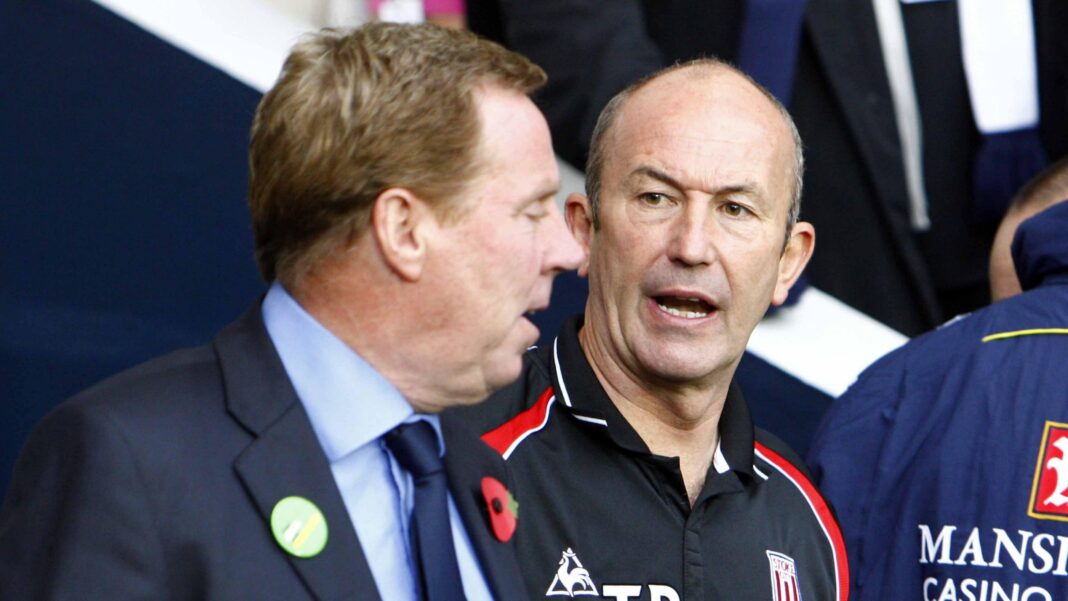
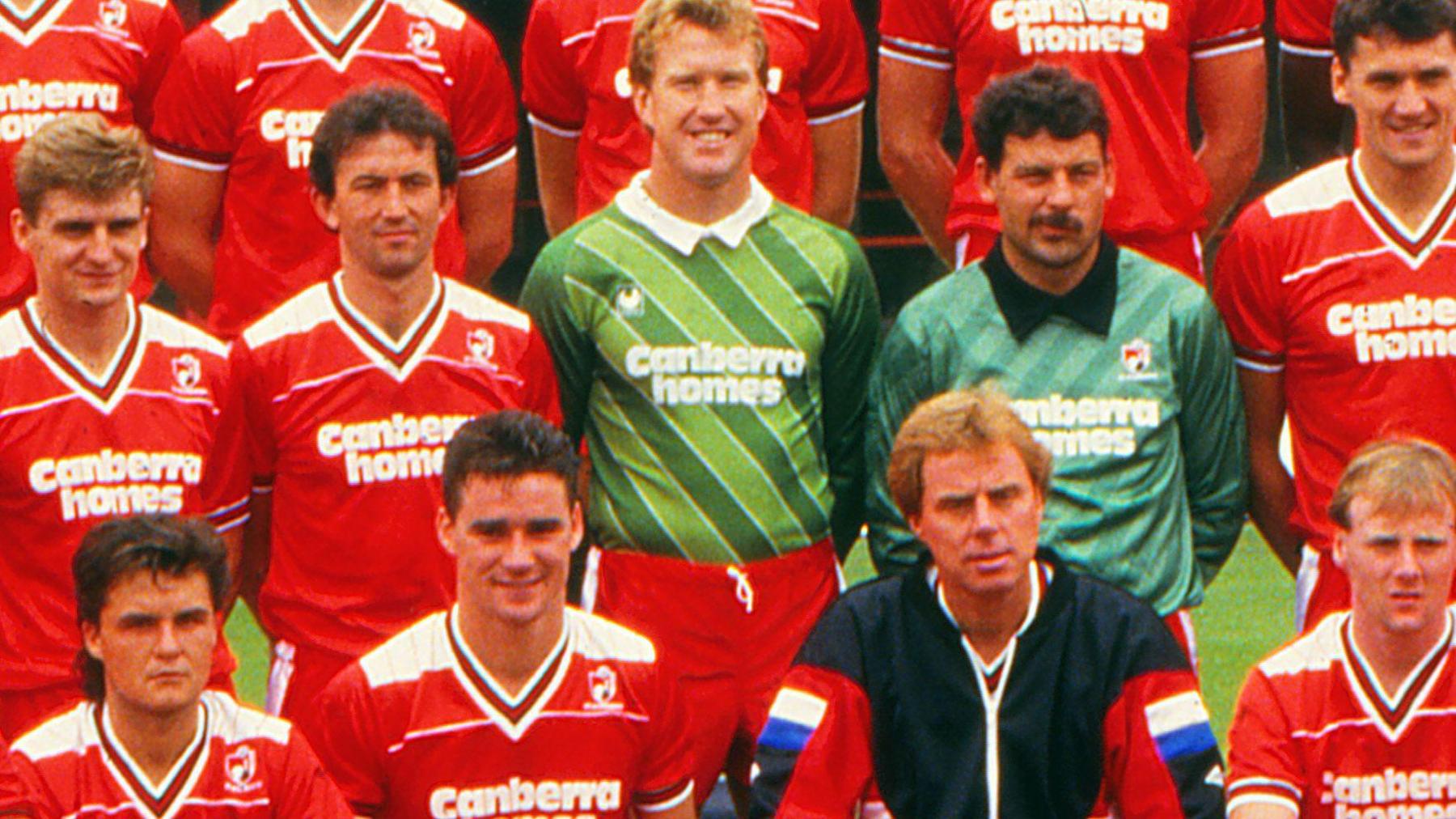
Today’s coaches are dealing with so many different parts of the club compared to when I started out in the early 1990s as a first-team player-coach under Harry Redknapp at Bournemouth.
I was expected to help ‘H’ with coaching the first team and to also look after a small number of players in the squad who weren’t involved in games on Saturday afternoons.
Keith Williams took the youth team on a Saturday, and away games for the reserves were again his responsibility. Harry would always watch youth games in home fixtures on a Saturday morning before rushing off to take the first team.
The club consisted of a chairman, secretary and Harry. Keith and myself would look after most things under the first team’s remit.
Our physio was an ex-player, John Kirk, and what a great man he was – but really old-fashioned and with some wonderful sayings but no real qualifications.
That trend of only operating with a small number of staff continued when I took over from Harry in 1992 and stayed very similar through my moves to different clubs in my lower-league days, but what I wanted from my backroom staff never really changed.
I had a long spell of working with Lindsay Parsons, who has sadly passed away, before I moved on to Dave Kemp, who was alongside me at Portsmouth in 1999.
Kempy would stay by my side as my assistant wherever I worked for most of the next 20 years and in that time helped oversee my promotion to the Premier League, an FA Cup final and a great run in the Europa League.
During our time together, Dave was great value on matchdays on the touchline with me and during half-time and full-time team-talks, and was always honestly direct on praise or criticism.
He was loyal to the bone and would always stand shoulder to shoulder with me yet, on our own together, Dave would question decisions I made and always told me in his own blunt way whether he agreed or disagreed with my handling of different situations.
He would never interfere or interrupt when I was talking to the players but I would always know if he had something on his chest because he would pull me to have a bite to eat or ask to have a beer with me that night – although he never paid! – and would say if I had maybe been too hard on an individual or the group.
Kempy would also tidy up everything I missed which he felt was important – whether that was organising away games in pre-season trips, or dealing with players, staff and negativity in the media.
Win, lose or draw, I never read the papers, or any media outlet but I knew Kempy would monitor all our media coverage and would only pass over information if he believed it was necessary for me to address it.
When youth is as important as experience
 Rex Features
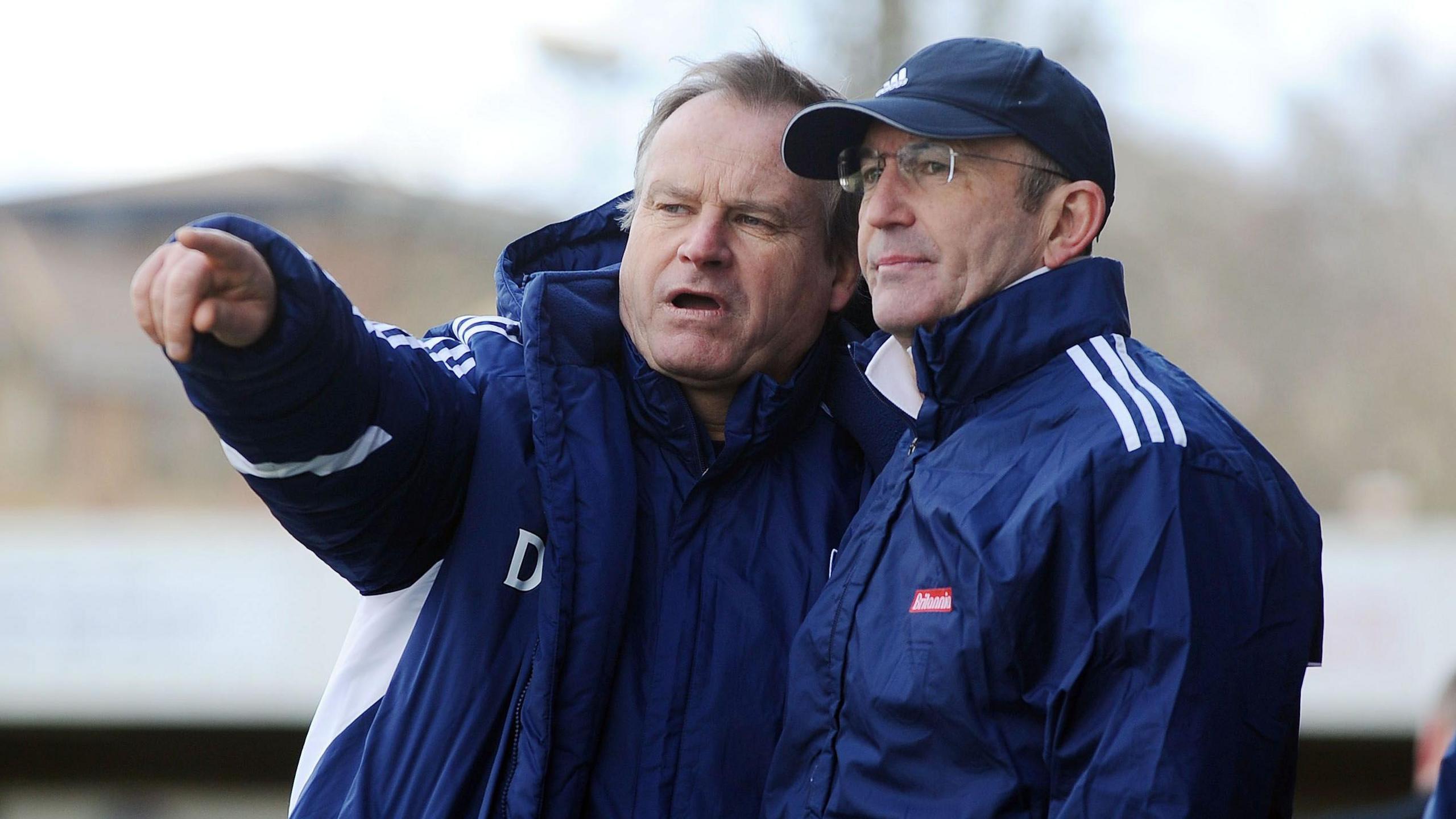
Kempy was five years older and wiser than me and I valued his experience hugely. That kind of knowledge was exactly what I was after when Stoke reached the promised land of the Premier League in 2008 and I managed to convince Gerry Francis to join my backroom staff.
Gel was 10 years older than me and, again, that much wiser too. Like Kempy he was an amazing silent partner in helping the clubs we worked for.
I was never concerned at any time about appointing experienced staff like that, and I was always open to all lines of communication from them too because I always believed in my own ability and my own methods.
If I were a young manager going into a job now, I’d make sure I had an experienced head like that with me, to help advise with the team but also to help me look after what is going on above me, with the chief executive or director of football – in the gap between the manager and the owner that did not exist when I started out.
During my long journey as a manager, Peter Reid and Gary Megson also joined me and provided great advice and know-how, but as squads started to grow and more senior players were added to our roster, I also appointed two younger coaches to engage and entertain the players with passing drills, keep-ball and shooting sessions.
This has become more and more prevalent in the game, now that many clubs have more players in their squad who are not starting games than ones who do.
As that trend grew, I realised that promoting unity with the players who were not starting was vital for the dressing room, so it was important that the two younger coaches would provide challenging sessions and also be the type of personalities capable of listening and understanding the grievances players would have for not being involved.
It’s different skillset and two ex-players who had played under me, Mark O’Connor and Ady Pennock, were mainstays at it for me in my years as a manager.
They were fantastic at providing that important part of glue that kept everything together in the dressing room. You can be sure that Carrick will have made sure he has got it too.
Tony Pulis was speaking to BBC Sport’s Chris Bevan.