
This post was originally published on this site.
Time management is essential in the workplace because it helps you prioritize tasks and use your time effectively. Start by setting clear goals for each day and breaking larger projects into manageable steps. Use tools like calendars or to-do lists to track your progress. This not only boosts your productivity but also reduces stress and improves your work-life balance. Want to know how these strategies can enhance your team’s performance? Let’s explore that next.
Key Takeaways
- Effective time management boosts workplace efficiency and productivity by prioritizing critical tasks and reducing wasted time.
- It minimizes stress and fosters a better work-life balance, enhancing overall employee morale.
- Clear deadlines and structured schedules increase accountability and promote teamwork, reducing conflicts and improving team dynamics.
- Utilizing tools and techniques for time management helps meet deadlines and overcome challenges, such as procrastination and distractions.
- Prioritizing personal care within time management strategies prevents overwhelm and ensures sustained productivity.
What Is Time Management and Its Core Principles
Time management is essential for anyone looking to boost efficiency in the workplace. It’s about planning and controlling how much time you spend on tasks, helping you maximize productivity and achieve your goals.
So, why is time management important in a workplace? By prioritizing tasks, you minimize wasted time and focus on what truly matters. Core principles include organization, flexibility, and goal setting. For example, creating a to-do list each morning can help you stay organized and focused throughout the day.
Effective time management reduces stress and anxiety, contributing to a better work-life balance. You’ll feel more confident in your ability to meet deadlines and improve job performance.
To practice this, set specific goals each week or use techniques like the Pomodoro method to break work into manageable intervals. By incorporating these strategies, you’ll see firsthand why time management is important at work and how it can transform your professional life.
Why Time Management Is Critical for Productivity

Boosting productivity in the workplace hinges on effective time management. When you manage your time well, you can focus on high-impact tasks, reducing wasted time and effort. Organizations that prioritize time management often see productivity levels rise by up to 30%. To enhance your workflow, consider these techniques:
| Technique | Benefits |
|---|---|
| Task Lists | Helps you prioritize critical tasks |
| Prioritization Matrices | Clarifies what needs your attention |
| Structured Schedules | Minimizes stress and boosts focus |
| Regular Training | Improves team efficiency and output |
How Time Management Boosts Employee Morale
When you manage your time effectively, you create a more positive work environment that directly influences employee morale. By increasing productivity, you help yourself and your colleagues complete tasks efficiently, leading to a greater sense of accomplishment. This boosts overall morale across the team.
Structured time management reduces feelings of overwhelm, fostering a healthier atmosphere and enhancing employee satisfaction. When you meet deadlines consistently, you gain recognition from peers and supervisors, which reinforces your efforts and elevates morale.
Encouraging a balance between work and personal life is vital; when you feel in control of your commitments, it positively impacts your outlook.
Additionally, a culture that values time management promotes teamwork. As employees feel less burdened, they’re more likely to collaborate effectively, strengthening relationships and further improving morale.
Start implementing these practices today, and watch the positive changes unfold in your workplace.
Reducing Workplace Stress Through Time Management

Effective time management can greatly reduce workplace stress by helping you prioritize tasks and focus on what matters most. Start by creating a task list each day, ranking items by urgency and importance. This will help you manage competing demands without feeling overwhelmed.
Schedule regular breaks to recharge; even a short pause can minimize anxiety related to looming deadlines. Research shows that structured time management practices lower stress and anxiety, promoting overall well-being.
An organized workspace also plays a vital role—remove distractions and keep only essential items within reach. When you manage your time effectively, you’ll be less likely to experience burnout, which enhances job satisfaction and productivity.
Meeting Project Deadlines: The Role of Time Management

Managing your time well directly impacts your ability to meet project deadlines. When you prioritize tasks and allocate resources efficiently, you guarantee that critical milestones are achieved on schedule.
Here are some actionable steps to enhance your time management skills:
- Set Clear Deadlines: Establish specific deadlines for each task to create a sense of urgency and accountability.
- Use Scheduling Tools: Implement tools like calendars or project management software to keep track of deadlines and progress.
- Regularly Assess Progress: Check in on your tasks frequently to identify potential bottlenecks early, allowing for timely adjustments.
Boosting Team Collaboration With Effective Time Management
To boost team collaboration, it’s essential to prioritize effective time management practices that align everyone on project goals. When you manage time well, you reduce misunderstandings and conflicts, allowing your team to work more smoothly together. Use shared calendars and task managers to keep everyone informed about deadlines and responsibilities. Regular check-ins can enhance communication and guarantee that all voices are heard.
Here’s a quick overview to help you implement effective time management in your team:
| Practice | Benefits | Tools |
|---|---|---|
| Set clear deadlines | Aligns team focus | Shared calendars |
| Delegate tasks effectively | Utilizes individual strengths | Task management apps |
| Schedule regular updates | Keeps everyone informed | Communication platforms |
| Conduct time management reviews | Encourages process improvement | Feedback sessions |
Techniques for Better Focus and Time Management

To improve your focus and time management, start by prioritizing your tasks each day.
Create a “today’s priorities” list to tackle high-impact items first, and use time blocking to dedicate specific hours for each task, which can help minimize interruptions.
Additionally, keep your workspace tidy and set clear boundaries during work hours to reduce distractions and enhance your efficiency.
Prioritization Methods
Effective prioritization methods can be game-changers for your time management in the workplace. By categorizing tasks by urgency and importance, you can focus on what truly matters.
Here are some practical techniques:
- Priority Matrix: Use this to identify high-impact activities, ensuring you tackle essential tasks first.
- Today’s Priorities List: Create this daily list to streamline your tasks, reducing mental clutter and boosting productivity.
- Eisenhower Box: Apply this tool to distinguish between urgent and important tasks, helping you make informed decisions on delegation and scheduling.
Regularly review and adjust your priorities to stay aligned with your goals. This flexibility not only enhances your focus but also improves your overall time management in today’s dynamic work environment.
[embedded content]
Time Blocking Strategies
Managing your time effectively in the workplace can greatly enhance your productivity, and time blocking is a powerful strategy to contemplate.
Start by scheduling specific time slots for each task, which minimizes context-switching and distractions. For instance, allocate two hours in the morning for deep work on a project, ensuring you focus without interruptions. This structure can boost your productivity by up to 25%.
Use a planner or digital calendar to visually map out your day, prioritizing high-impact tasks. Regularly review your blocks, adjusting as needed to improve your efficiency.
Minimizing Distractions Effectively
While distractions can derail your productivity, implementing targeted techniques can help you regain focus and manage your time more effectively. Start by maintaining a tidy workspace to reduce mental clutter.
Use the Pomodoro Technique: work for 25 minutes, then take a 5-minute break to refresh your mind. Limit digital distractions by turning off non-essential notifications and utilizing website blockers.
- Schedule specific times for checking emails and messages to stay focused on important tasks.
- Regularly assess your environment, eliminating noise and visual distractions.
- Create a workspace that promotes concentration, using plants or calming colors to enhance your atmosphere.
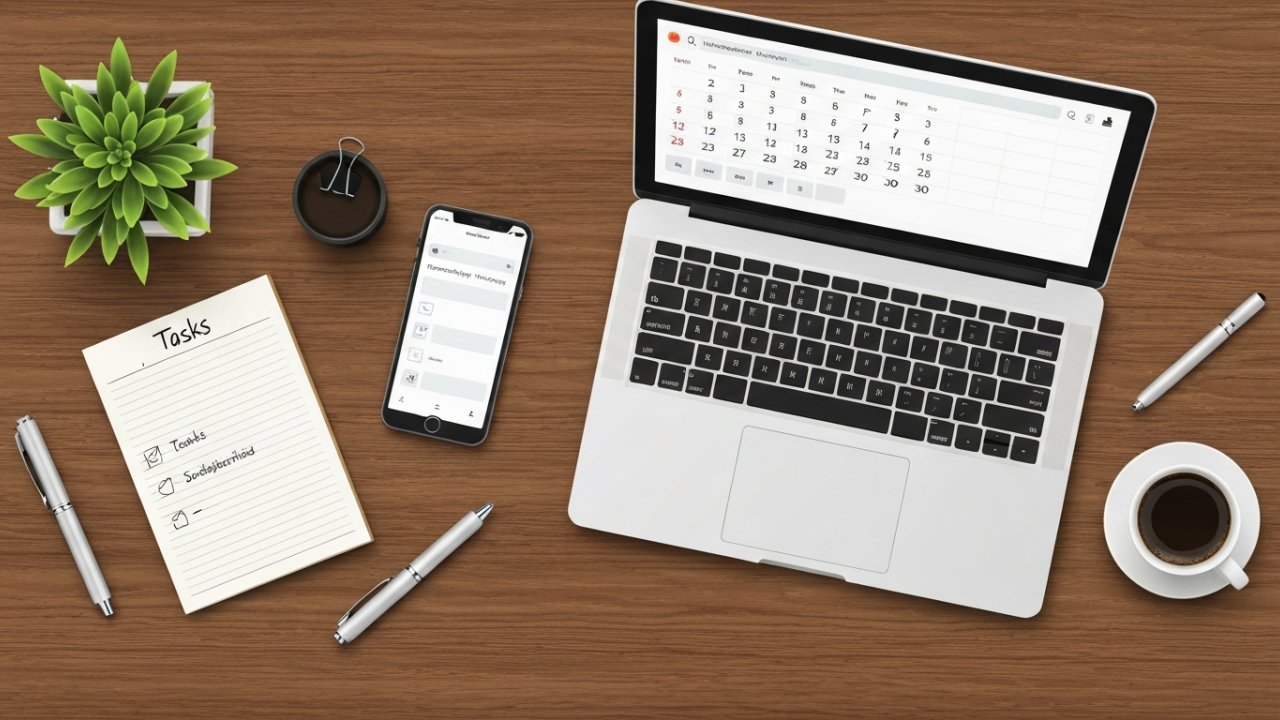
A solid set of tools can greatly boost your time management skills at work. Start by using Toggl time-tracking software to see where your hours go. This helps you identify areas for improvement. Digital calendars are also essential; they’ll keep your tasks and meetings organized, guaranteeing you meet deadlines without overlaps. For daily priorities, Asana task management apps let you focus on high-impact tasks and track ongoing projects.
You should also consider integrating screen break reminders into your routine. These promote healthy work habits and prevent burnout. Finally, to-do lists allow you to visualize tasks clearly, making sure nothing important gets overlooked. Plus, checking off items gives you a sense of accomplishment.
Here’s a quick reference table:
| Tool | Purpose | Benefit |
|---|---|---|
| Time-tracking software | Monitor task allocation | Identify improvement areas |
| Digital calendars | Schedule tasks and meetings | Meet deadlines |
| Task management apps | Organize priorities | Focus on high-impact tasks |
| To-do lists | Visualize tasks | Make sure nothing is overlooked |
The Power of Prioritization in Time Management
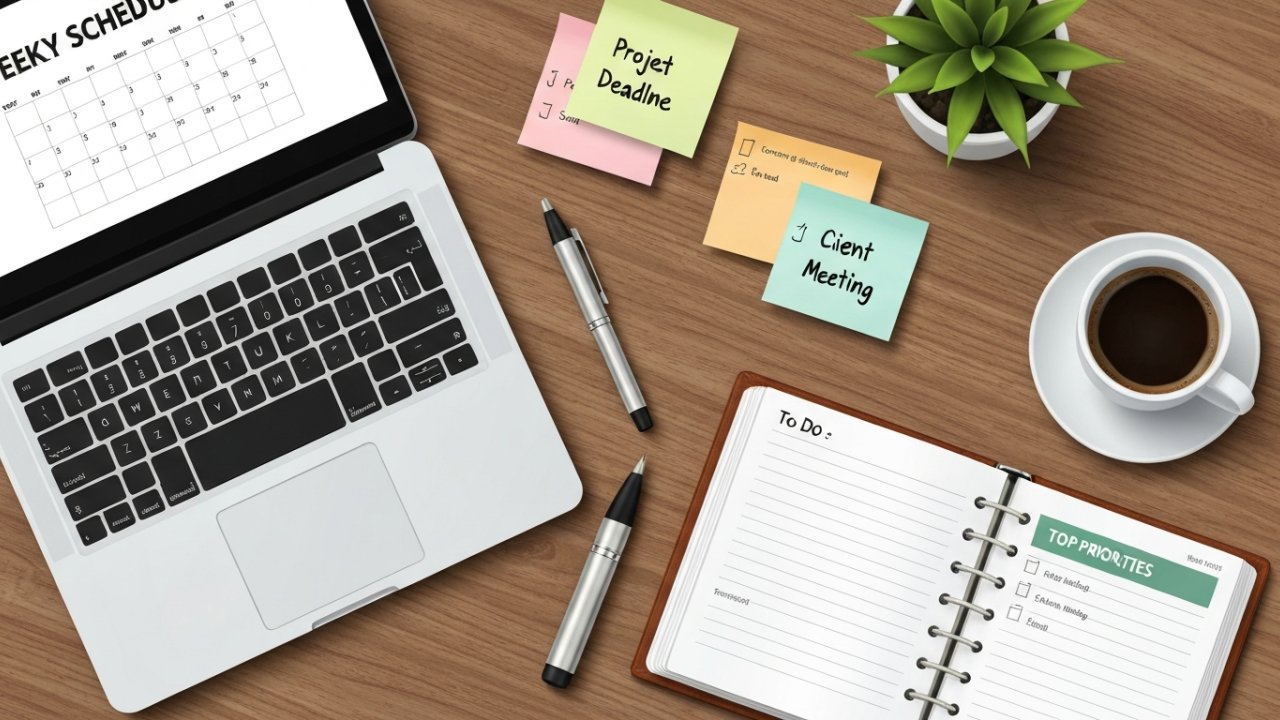
Prioritization is an essential skill that can transform how you approach your workload. By focusing on high-impact tasks first, you can enhance your productivity and minimize time wasted on less critical activities. Using a priority matrix allows you to categorize tasks by urgency and importance, ensuring deadlines are consistently met.
- Identify tasks that align with your goals.
- Allocate time blocks for high-priority items.
- Regularly review and adjust your priorities.
Effective prioritization can lead to a 25% increase in efficiency, helping you achieve more in the same timeframe. By clearly defining your priorities, you can reduce procrastination and maintain a steady workflow, which lowers stress.
Effective Delegation for Improved Time Management
Effective delegation starts with clear role assignments, so you know who’s responsible for what.
Trust your team by empowering them to take ownership of their tasks, which can boost morale and productivity.
As you monitor progress, be ready to adjust tasks as needed, ensuring everyone stays on track and feels supported.
Clear Role Assignments
Clear role assignments are essential for optimizing time management in the workplace. When you delegate effectively, you can assign tasks based on your team members’ strengths, which leads to efficient task completion and improved productivity.
By minimizing confusion and overlap, clear assignments allow everyone to focus on their responsibilities, reducing burnout.
Consider these key benefits of clear role assignments:
- Enhanced Productivity: Team members complete tasks faster when they know their specific roles.
- Increased Satisfaction: Employees feel valued and empowered, which boosts morale.
- Agility: Regularly reviewing roles helps adapt to changing project demands.
Trust and Empower Team
Empower your team by trusting them with responsibilities that align with their strengths. When you delegate tasks effectively, you not only enhance team efficiency but also foster a sense of trust.
Team members feel valued when they contribute their skills toward shared goals. By assigning tasks that challenge them, you promote skill development and create a more versatile workforce.
This helps distribute workloads, reducing burnout and increasing job satisfaction. It also allows you to focus on high-priority responsibilities, boosting overall productivity.
[embedded content]
Encourage accountability by trusting your team to meet deadlines without overwhelming individuals. This approach leads to improved performance and a more engaged team, ultimately enhancing time management in the workplace.
Monitor and Adjust Tasks
Monitoring and adjusting tasks is essential for effective delegation in any workplace. By focusing on team members‘ strengths, you can enhance productivity and job satisfaction. Here’s how to do it:
- Assess strengths: Identify what each team member excels at and assign tasks accordingly. This not only boosts efficiency but also keeps morale high.
- Track progress: Regularly check in on delegated tasks to guarantee accountability. This allows you to make timely adjustments if needed, keeping projects on track.
- Encourage feedback: Create an environment where team members feel comfortable sharing their challenges. This can help you identify areas for improvement and refine your delegation strategy.
Implementing these steps will lead to a healthier work environment and better time management overall.
Setting Clear Goals for Time Management Success
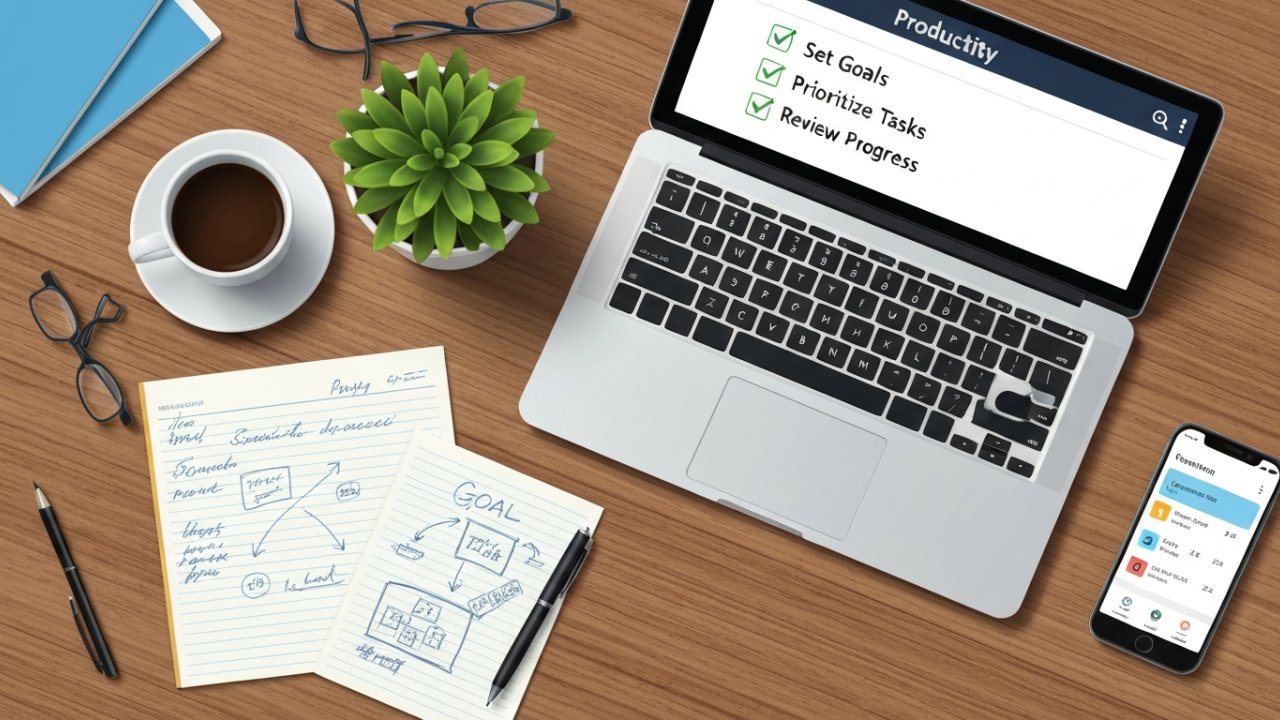
When you set specific goals for your time management, you create a framework that helps prioritize your tasks and enhances productivity. Start by identifying your most important tasks. Write them down, ranking them based on urgency and impact. This approach guarantees you tackle high-priority activities first, which can boost your efficiency.
Next, break larger goals into smaller, manageable steps. This method reduces procrastination and makes it easier to stay focused. Regularly review your goals to measure progress and adjust as needed. This not only keeps you accountable but also motivates you to achieve more.
Additionally, a structured goal-setting process can minimize stress and promote a healthier work-life balance. As you clarify responsibilities, you’ll feel more confident about your workload.
Finally, involve your team in setting goals, fostering collaboration and continuous improvement. By following these steps, you’ll enhance your time management and overall work quality.
The Costs of Poor Time Management on Team Performance

When poor time management creeps into your team, you can expect productivity to drop considerably.
Missed deadlines not only slow down projects but also increase stress levels, which can lead to burnout.
To tackle these issues, focus on setting clear priorities and regularly reviewing your team’s workload to keep everyone on track and engaged.
The Impact on Productivity
Effective time management is essential for maintaining team productivity, and poor practices can seriously undermine performance.
When teams struggle with time management, they risk a 30% dip in productivity. Tasks become delayed, deadlines slip, and the pressure mounts.
To avoid these pitfalls, consider these actionable steps:
[embedded content]
- Set clear deadlines for each project phase to keep everyone accountable.
- Prioritize tasks by importance and urgency, ensuring that vital work gets done first.
- Regularly review progress as a team, adjusting plans as necessary to stay on track.
Increased Employee Stress
Poor time management doesn’t just hurt productivity; it also increases employee stress. When teams struggle with unclear priorities and missed deadlines, stress levels can soar, leading to anxiety and burnout.
You might notice that overwhelmed employees are 50% more likely to report feeling highly stressed. To combat this, clarify roles and responsibilities within your team. Encourage open communication about deadlines to prevent conflicts, which can occur 30% more frequently in chaotic environments.
Implementing effective time management practices can cut workplace stress by up to 40%, allowing everyone to focus better. Consider tools like task lists or project management software to streamline workflows.
Missed Deadlines Consequences
Missed deadlines can greatly impact team performance, leading to a cascade of negative consequences. When you fail to meet deadlines, you risk more than just frustration; you also jeopardize the team’s overall productivity and morale.
- Decreased morale: Constant delays can diminish trust among team members, creating a toxic work environment.
- Financial repercussions: Clients may withdraw contracts or demand compensation, costing your organization considerably.
- Increased turnover: Stress and burnout from poor time management can lead to higher turnover rates, disrupting project continuity.
To avoid these pitfalls, prioritize clear communication, set realistic deadlines, and regularly review progress.
Implementing effective time management strategies can keep your team on track, enhance productivity, and protect both morale and revenue.
Achieving Work-Life Balance With Time Management
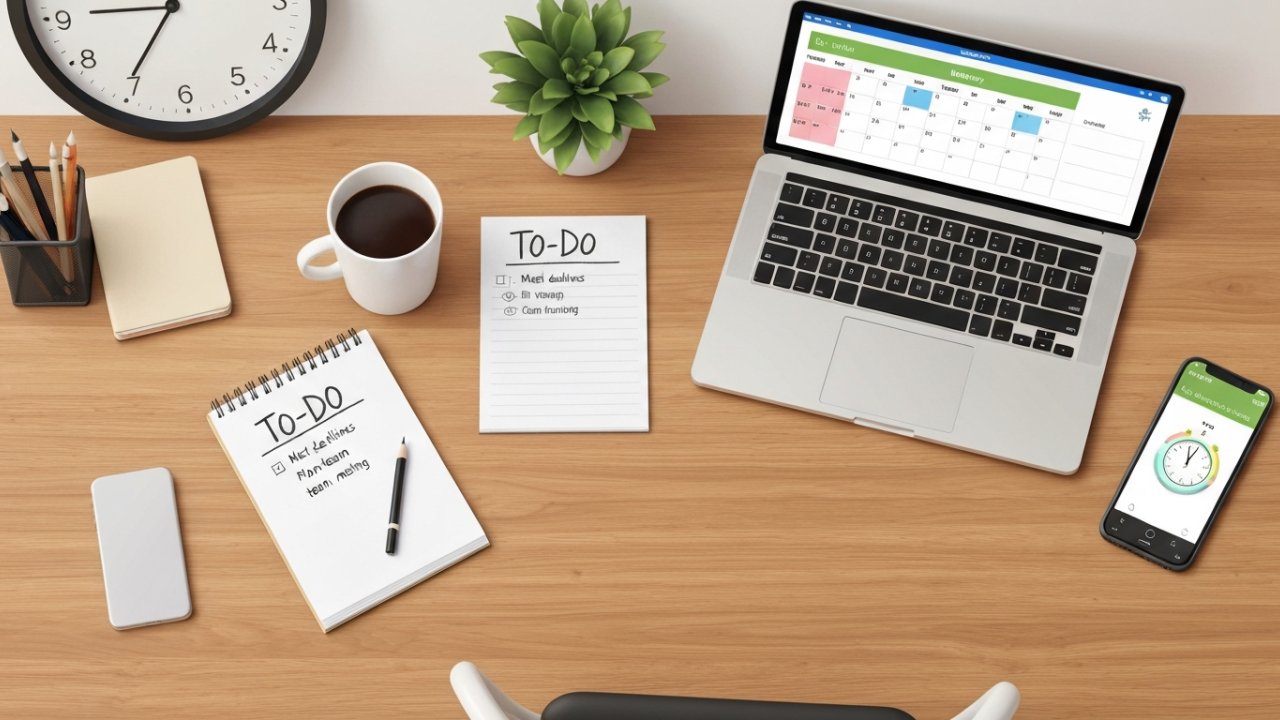
When you manage your time effectively, you pave the way for a healthier work-life balance. This balance reduces stress and prevents burnout, allowing you to enjoy both work and personal activities. Here’s how to achieve it:
| Action | Tool/Technique | Benefit |
|---|---|---|
| Prioritize tasks | To-do list | Focus on what matters most |
| Set boundaries | Calendar blocks | Protect personal time |
| Schedule breaks | Timer for intervals | Enhance focus and productivity |
Time Management’s Impact on Career Advancement
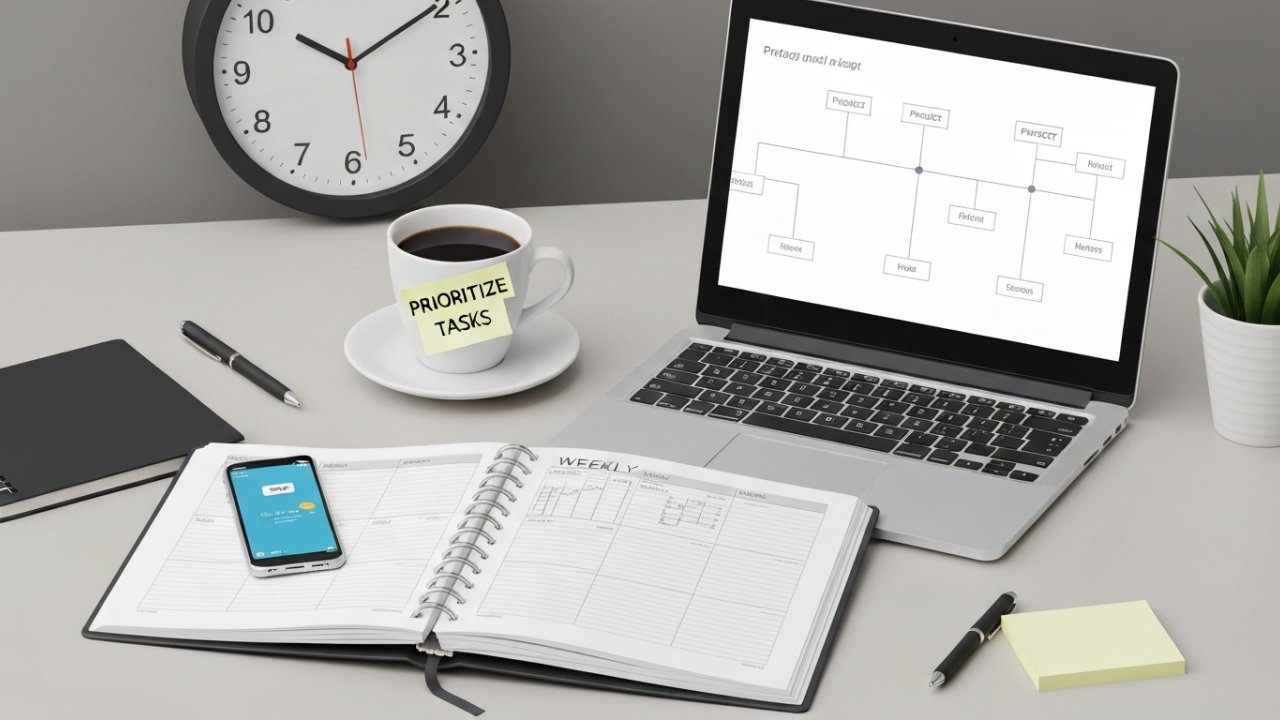
Effective time management can greatly boost your productivity, making you more visible to decision-makers in your organization.
By prioritizing tasks and organizing your workload, you’ll not only improve your decision-making skills but also create a better work-life balance, which is essential for long-term career growth.
Implementing these strategies consistently can set you on a path toward advancement and greater job satisfaction.
Enhanced Productivity Levels
Mastering time management can greatly boost your productivity levels, opening doors for career advancement.
By effectively managing your time, you can increase your output by up to 25%, allowing you to tackle more tasks efficiently.
Here are some practical steps to enhance your productivity:
- Prioritize tasks: Identify what’s urgent and important to focus your energy where it counts.
- Utilize scheduling tools: Use calendars or apps to plan your day, helping you meet deadlines consistently.
- Delegate responsibilities: Share tasks with teammates to foster collaboration and increase your visibility in the workplace.
Improved Decision-Making Skills
Improving your decision-making skills is essential for advancing your career, especially as you learn to manage your time effectively. Allocate specific time blocks for evaluating your options; this reduces impulsive choices and promotes thoughtful analysis.
Prioritize your tasks daily, as studies show that those who manage their time well feel more confident in their decisions, opening doors for career advancement. Minimize distractions by focusing on one task at a time to enhance your analytical skills, allowing you to assess risks and benefits clearly.
Set deadlines for your decision-making processes to avoid overthinking, which can slow your progress. Finally, use time management tools to streamline your decisions and lower stress, resulting in improved job performance.
Greater Work-Life Balance
While juggling work responsibilities and personal life can feel overwhelming, managing your time wisely can lead to a greater work-life balance. By setting specific hours for work and personal activities, you’ll reduce stress and enhance your well-being.
Here’s how to make it work:
- Create a structured schedule: Prioritize tasks, allocate time for each, and stick to it.
- Set clear boundaries: Define when work ends and personal time begins to guarantee you recharge.
- Regularly review your goals: Adjust your priorities to stay aligned with both professional and personal aspirations.
Practicing good time management not only boosts your productivity but also makes you more reliable, opening doors for career advancement opportunities.
Embrace these strategies, and enjoy a healthier work-life balance.
Building Accountability With Better Time Management

To build accountability in the workplace, it’s essential to implement effective time management strategies that clarify roles and deadlines. When you set clear expectations, team members understand their responsibilities and the importance of timely completion. Prioritizing tasks and establishing measurable goals encourage ownership of work and reduce procrastination.
| Action | Benefit |
|---|---|
| Set clear deadlines | Enhances responsibility |
| Conduct regular check-ins | Boosts transparency |
| Delegate effectively | Empowers team members |
Overcoming Common Time Management Challenges

Time management challenges can be tackled effectively with some practical strategies. To overcome procrastination, set clear deadlines and break tasks into smaller, manageable steps. This way, you’ll reduce stress and boost productivity.
Prioritization is key; use a priority matrix to categorize tasks based on urgency and importance. This helps you focus on what truly matters.
Here are some actionable tips to enhance your time management:
- Minimize distractions: Identify what interrupts your focus and create a plan to limit these distractions, like setting specific times for checking emails.
- Delegate effectively: Don’t hesitate to share tasks with team members who’ve the right skills, allowing everyone to concentrate on their strengths.
- Reflect regularly: Take time to evaluate your time management practices and identify areas for improvement, leading to continuous enhancement in your work efficiency.
Measuring the Effectiveness of Your Time Management Strategies
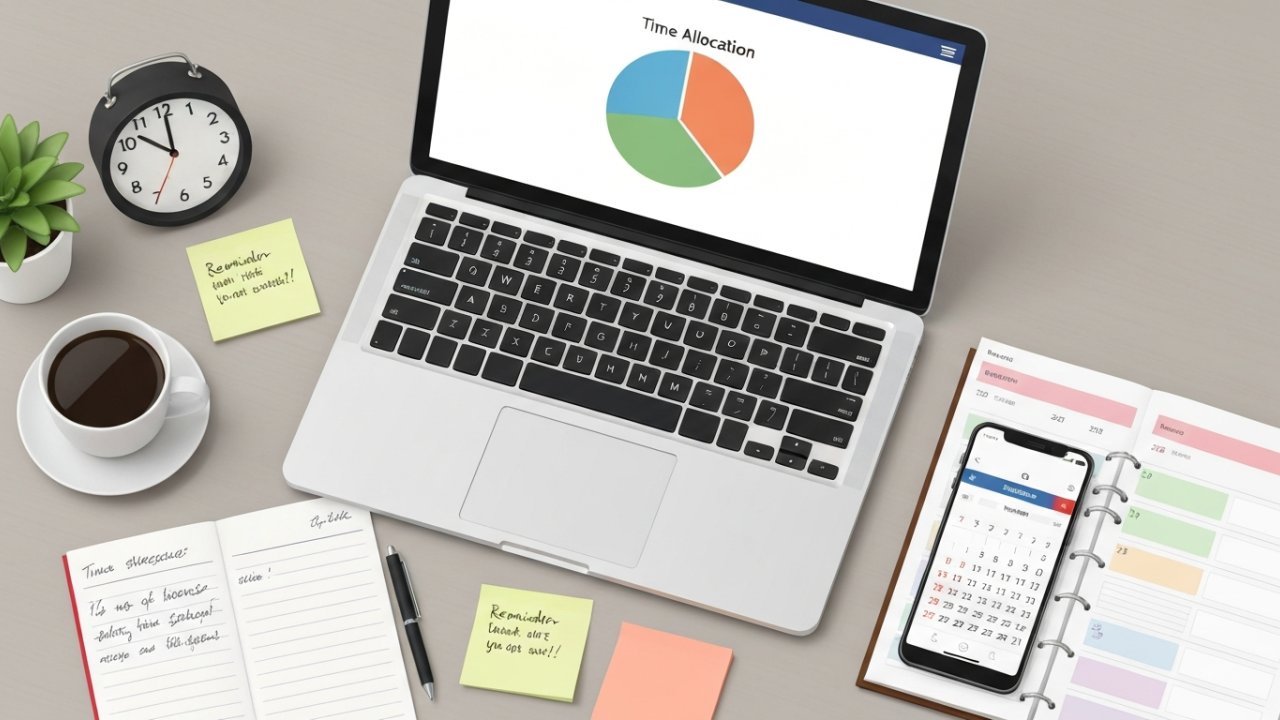
How can you effectively measure the success of your time management strategies? Start by tracking your productivity metrics. Look for patterns that show how effective your time management is in relation to your job performance.
Regularly assess the time you spend on tasks, identifying weaknesses and areas for improvement. This will help you enhance your efficiency. Consider using time-tracking software, which provides quantitative data on how you allocate your time, allowing you to refine your practices.
Collect feedback from your team about your time management effectiveness. This can reveal workflow bottlenecks and pinpoint opportunities for better task delegation.
Finally, evaluate how your time management strategies impact your well-being. Effective time management is often linked to reduced stress and improved life satisfaction.
Balancing Work and Well-Being With Time Management

To balance work and well-being, start by prioritizing your personal care alongside your tasks.
Set clear boundaries around your work hours, ensuring you have time for rest and activities that recharge you.
Prioritizing Personal Care
While you might think that focusing solely on work is the key to success, neglecting your personal care can lead to burnout and decreased productivity.
Prioritizing personal care within your time management strategy is crucial. Schedule regular breaks for activities like walking or enjoying healthy meals to recharge your mind and body.
Implement clear boundaries around your work hours to guarantee personal time is respected, promoting a healthier work-life balance.
- Schedule time blocks for both work and personal activities.
- Take regular breaks to reduce stress and increase focus.
- Engage in activities that enhance your mental and physical well-being.
Setting Boundaries Effectively
Neglecting personal care can make it tough to set boundaries at work, leading to overwhelm and stress. To improve your well-being, start by scheduling regular breaks for personal care, like short walks or relaxation time. This practice not only boosts your mental health but also enhances productivity.
Set clear limits on your work hours, and communicate these boundaries with your team. This encourages everyone to respect personal time, which can lead to greater job satisfaction.
Regularly assess your time management habits to identify where you can strengthen these boundaries. By doing this, you can foster a healthier work-life balance, focus better, and reduce the risk of burnout.
Prioritize your personal time for overall success.
Frequently Asked Questions

What Are the 5 P’s of Time Management?
The 5 P’s of time management are Prior Planning Prevents Poor Performance.
First, prioritize your tasks by urgency and importance.
Next, plan your day by scheduling specific time blocks for each task.
Then, perform one task at a time to boost your focus and accuracy.
Finally, regularly review your progress to adjust your plans.
This approach keeps you organized, reduces stress, and enhances your overall productivity in any setting.
What Is the 3 3 3 Rule Time Management?
The 3-3-3 Rule in time management helps you structure your day effectively. Start by identifying three tasks to complete in the morning, three in the afternoon, and three in the evening.
This approach keeps your workload manageable and reduces overwhelm. Schedule breaks between tasks to maintain focus and prevent fatigue.
What Are the Three Important Factors of Time Management?
The three important factors of time management are prioritization, delegation, and scheduling.
Start by identifying your most critical tasks and focus on those first. Next, delegate responsibilities when possible, sharing the workload with your team to enhance efficiency.
Finally, use scheduling tools to organize your tasks and track your time. By implementing these strategies, you’ll work more effectively, meet deadlines, and maintain a better work-life balance.
What Are the 5 Reasons Why Management Is Important?
Effective time management boosts productivity, enhances task prioritization, reduces stress, promotes work-life balance, and improves employee satisfaction.
First, create a daily schedule to allocate time for high-priority tasks.
Second, set specific goals to stay focused.
Third, minimize distractions by organizing your workspace.
Fourth, take regular breaks to recharge.
Finally, evaluate your progress weekly to adjust your strategies.
Implementing these steps can lead to a more efficient and fulfilling work experience.
Conclusion

To conclude, mastering time management is essential for your workplace success. Start by prioritizing tasks using lists and setting clear deadlines. Use tools like calendars and reminders to stay organized. Regularly assess your progress to identify what works and what doesn’t. Encourage open communication with your team to share workloads effectively. By implementing these strategies, you can enhance productivity, reduce stress, and foster a positive work environment. Take these steps today to improve how you manage your time.
Image via Google Gemini