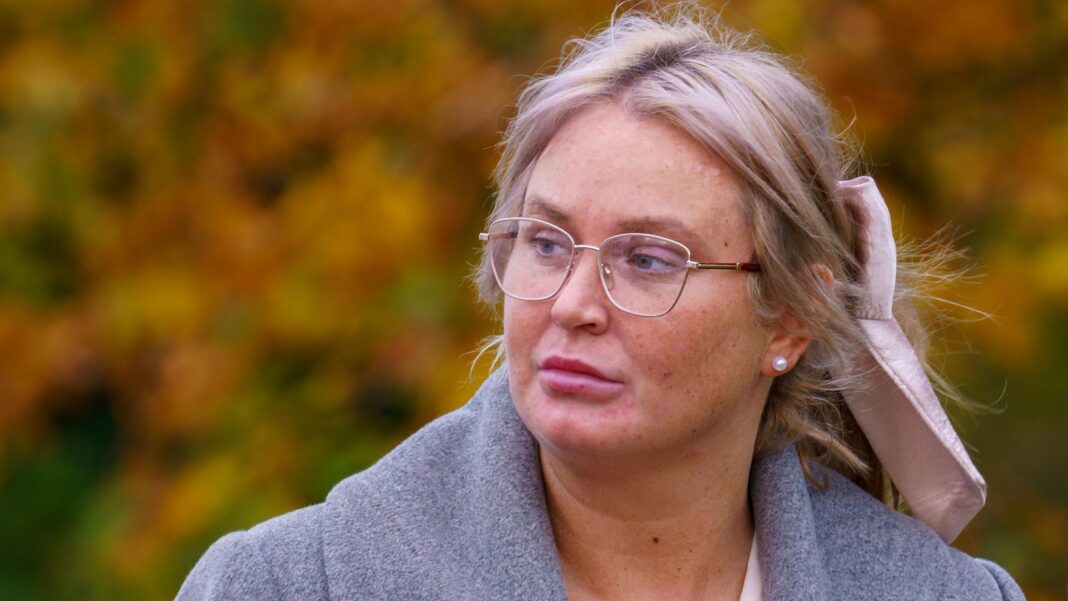

Woman who killed abusive partner has murder conviction overturned
-
Published
A west Belfast woman who stabbed her abusive partner to death while he slept has had her conviction for murder overturned.
The Court of Appeal ruled that jurors were misdirected on Julie Ann McIlwaine’s loss of control defence to the killing of James Joseph Crossley in March 2022.
Senior judges quashed the guilty verdict and gave the prosecution two weeks to decide if it is to seek any retrial.
“We cannot be satisfied that the conviction is safe,” said Lady Chief Justice Dame Siobhan Keegan.
McIlwaine, 35, who has been serving a minimum 12-year jail term, wept on the videolink from Hydebank Prison as the ruling was delivered.
She admitted killing her partner but denied murder, claiming to have suffered a temporary loss of control as a victim of domestic abuse.
Crossley, 38, was stabbed up to 10 times in the chest and abdomen as he lay sleeping beside the couple’s young child at McIlwaine’s former home in Dunmurry.
The pair had been in a relationship marred by emotional manipulation and coercive control.
At the time of his death, Crossley was on bail for an alleged assault against McIlwaine and subject to a restraining order prohibiting any contact with her.
Despite a period of separation, they had re-established their relationship by the night of the killing.
The court heard Crossley took medication and went to sleep after arguments in which he issued an ultimatum for McIlwaine to choose between him and her family.
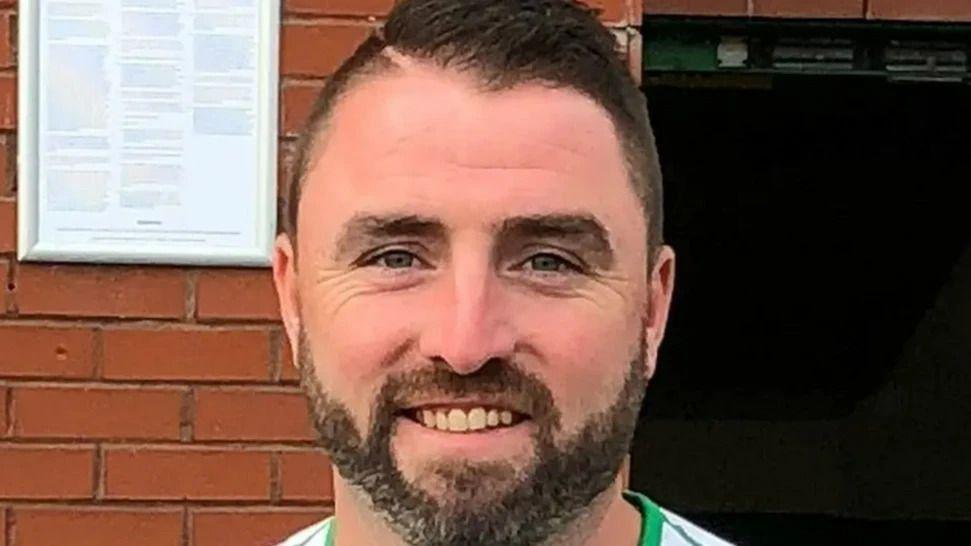 Image source, Crossley family
During police interviews McIlwaine stated that she had considered taking her own life.
She described taking a knife from the kitchen, returning to the bedroom and moving the child before repeatedly stabbing her sleeping partner.
Prosecutors argued that she made rational choices which demonstrated being in control of her actions.
In October 2024, a jury rejected McIlwaine’s case and unanimously found her guilty of murder.
Defence lawyers argued on appeal that they had been misdirected and reached a verdict which went against the weight of expert evidence.
Central to the appeal was how the trial judge advised jurors on the legal test for the loss-of-control defence.
Instead of asking them to decide if someone of similar characteristics to McIlwaine “might” have reacted similarly, the question posed was “would” that person have acted in the same way.
Dame Siobhan, sitting with Lord Justice Colton, backed defence submissions that the wording used wrongly imposed a higher threshold for establishing probability.
Two consultant forensic psychiatrists had also concluded that a properly directed jury could find McIlwaine met the criteria necessary to establish loss of self-control.
Both witnesses highlighted the psychological impact of prolonged abuse and the recognised behaviour responses of victims in coercively controlling relationships.
“The misdirection we have identified was highly material, given the uncontradicted expert evidence,” said the Lady Chief Justice.
“The appeal succeeds… and the conviction for murder will accordingly be quashed.”
Adjourning the case until 16 October, she told prosecution counsel: “You have to come back to court on what steps you want to take.”
-
-
Published20 May 2025
-