
Twenty women had breasts removed needlessly, says NHS trust
To play this video you need to enable JavaScript in your browser.
This video can not be played
-
Published
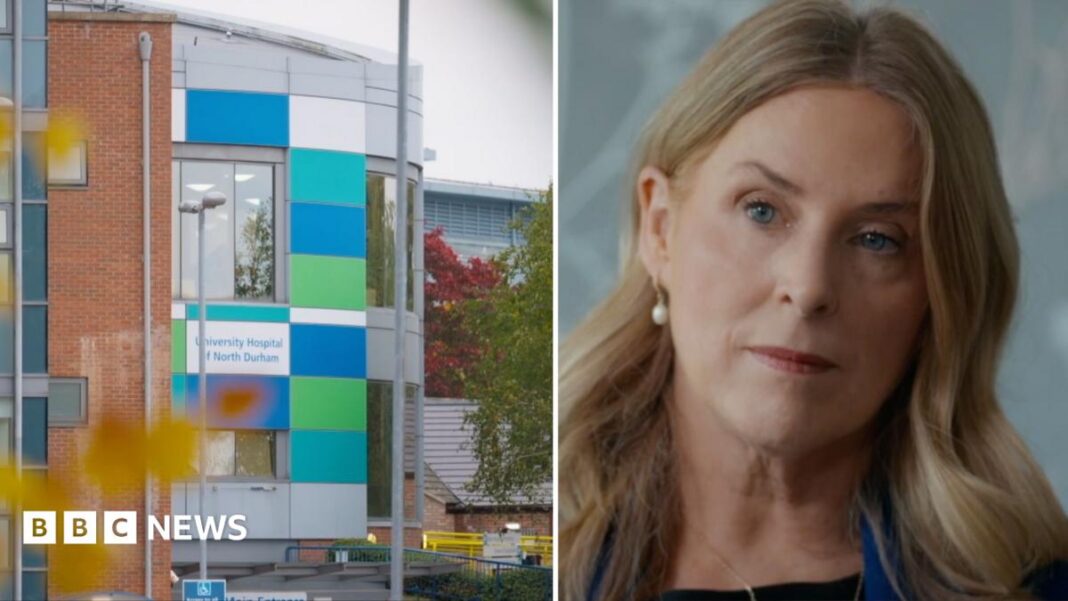
Twenty women underwent mastectomies unnecessarily while being treated for breast cancer, an NHS trust in north-east England has told the BBC.
They were among hundreds of patients who came to harm during treatment at the breast unit of the County Durham and Darlington Foundation Trust (CDDFT).
The admission comes in the wake of revelations about serious failures in the unit, as reported by the BBC last year.
Steve Russell, who has recently taken over as CDDFT’s chief executive, says he apologises “unreservedly” for the harm the trust caused.
“There are no words I could use to convey how personally distressed I am,” he says. “What happened was utterly unacceptable.”
To play this video you need to enable JavaScript in your browser.
This video can not be played
Dozens of affected women and their families contacted us after we reported concerns about serious failings at the trust’s breast cancer unit. These included:
-
A high number of mastectomies compared with other NHS trusts
-
Operations that were carried out “too quickly”
-
Outsourcing of some treatment to private clinics run by the trust’s breast cancer clinical lead – an arrangement that one independent expert said created “a clear conflict of interest
Patients described the shock they had felt on being told a mastectomy (the removal of all or part of a breast) could have been avoided, as well as the psychological and physical pain that many still live with.
We also met former patients who have come together to support each other and call for a public inquiry.
CDDFT is now carrying out an internal review of breast cancer cases between January 2023 and February 2025, alongside the cases of 640 former patients who contacted a dedicated helpline.
Of 514 cases reviewed by the trust so far, 315 patients have been found to have suffered harm, including 77 who were significantly harmed. One patient is known to have died.
It says that cases have also been identified where cancer diagnoses were missed or delayed. Some of these patients subsequently saw their cancer spread.
Russell has told BBC’s Today programme that the trust will meet in the coming week to decide whether to extend the scope of the review, and look at up to 10,000 cases dating back as far as 2015.
He says the trust has been taking advice from patients’ groups, clinical experts and legal representatives, and it will have to take “a really balanced view”. Any decision, he adds, will be made public.
The National Crime Agency says it is now working with Durham Police to investigate allegations by former patients and determine if any criminal offences have taken place.
Denise Howarth is one of several women who have now been told by the NHS that their breast was removed unnecessarily.
“I was just in shock, then ended up in tears on the phone,” says the 51-year-old from Consett, County Durham.
Denise had been diagnosed with grade 1 (slow growing) cancer in 2023 after discovering a lump in her breast. She initially underwent a lumpectomy, then a mastectomy, as well as eight rounds of chemotherapy and radiotherapy.
The call she received from the NHS in September 2025 was quickly followed by a letter from CDDFT. It said that Denise could have been offered a second lumpectomy rather than full breast removal, but acknowledged the option had never been discussed with her.
She says the apology was “all good and well” but will not bring her breast back.
Jo (not her real name) contacted the trust’s helpline about a mastectomy she had undergone in 2021.
The former NHS worker says she was told, in a phone call earlier this year, that the procedure could have been avoided.
Breast Cancer Scandal: Exposing The Harm
BBC health correspondent Sharon Barbour investigates a deepening breast cancer scandal in County Durham and hears from women whose mastectomies were unnecessary.
Watch on BBC iPlayer now or on BBC NE & Cumbria at 19:30 on Friday 18 October
Jo says she had trusted the people she considered colleagues to do the best for her.
“You go to work to do your best, don’t you?” she says. “So why would I think that anybody else wouldn’t?”
She now says she feels “mutilated” by what happened to her, and feels the mistakes made by the trust were “absolutely unforgivable”.
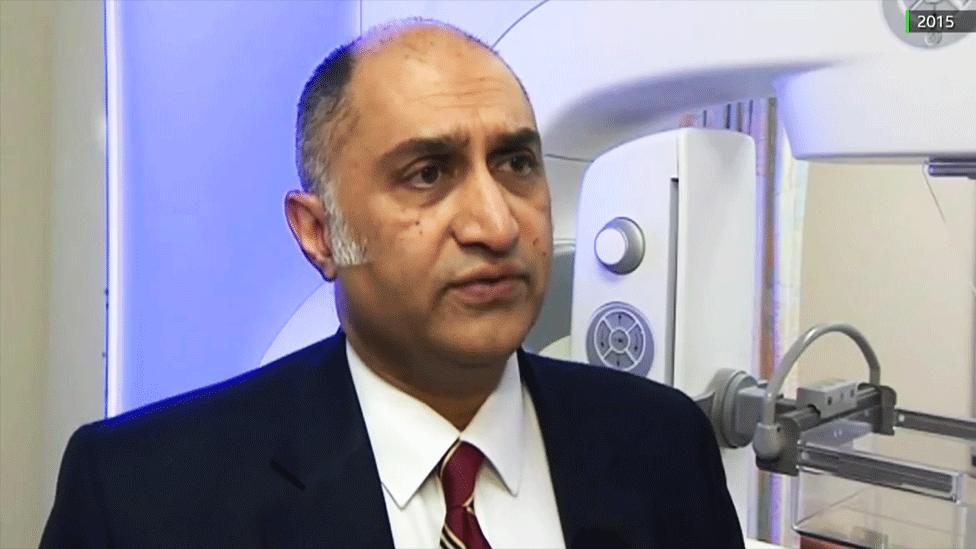
The consultant overseeing Jo and Denise’s care was Mr Amir Bhatti, who was CDDFT’s clinical lead for breast services from 2013-24. He has now been suspended from carrying out clinical practice but is still employed by the trust on full pay.
Last year, we reported that nearly £6m had been paid by the trust over six years to breast cancer diagnostic clinics and surgery companies run privately by Bhatti.
Concern about this arrangement was raised in a 2025 review into the running of the trust, external, carried out by governance specialist Mary Aubrey,
She said outsourcing patient appointments had created financial incentives which were potentially “a risk to clinical standards”.
Payment per service is not uncommon in healthcare, Russell argues, although he tells us the trust has now ended this arrangement for breast cancer services.
“We recognise there was a conflict of interest that wasn’t managed properly,” he says.
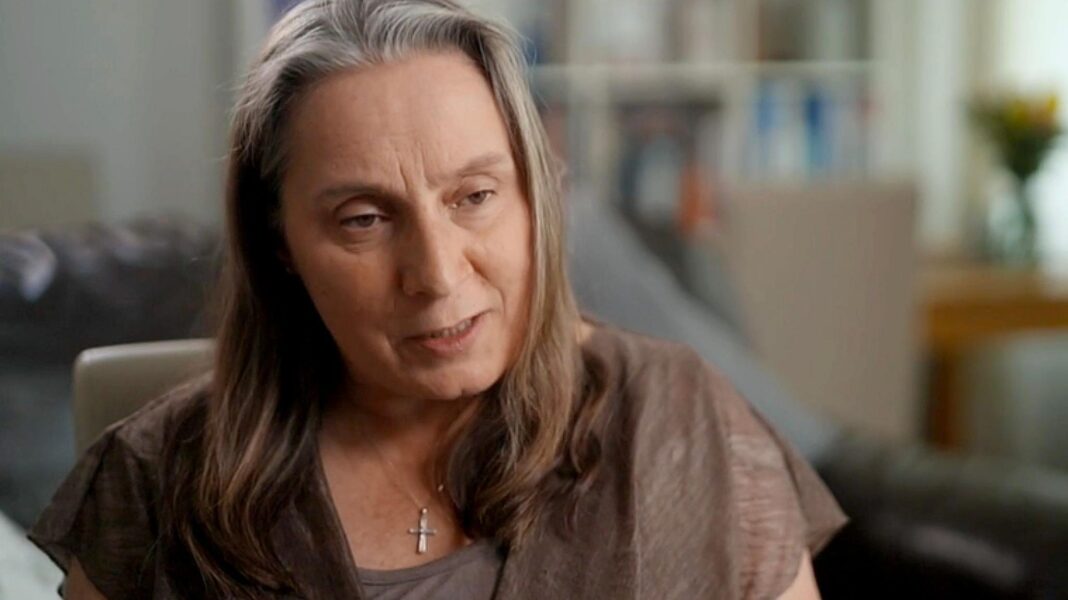
Pam Brown from Durham was an NHS patient who underwent a mastectomy in 2022 at Spire Hospital in Washington, where one of the outsourced private clinics was based.
As with Denise and Jo, Pam does not know who carried out her operation. Bhatti was the consultant overseeing the care of all three women.
As far as Pam knows, her mastectomy was necessary. But the scars left behind – both physical and psychological – have deeply affected her.
We have shown photographs of Pam’s scarring to Liz O’Riordan, a former breast cancer surgeon. She describes them as “awful” and says she has never seen anything like it: “That’s not acceptable at all. I’d have brought her back for revision surgery.”
Concerns were also raised last year in a report by the Royal College of Surgeons (RCS) that breast cancer cases had not been discussed properly in multi-disciplinary team meetings (MDTs).
These meetings are designed to ensure treatment plans are reviewed and challenged by surgeons, radiologists, pathologists and cancer specialists – before major decisions, such as mastectomies, are made.
There was little evidence the trust’s breast unit was contributing to MDTs, and decisions about patients’ cases were being made based on the unchallenged opinion of individual surgeons, according to the RCS report.
Outdated practices at the trust that did not meet guidance on best practice included a high rate of “re-excision” (repeated procedures), low uptake of breast reconstruction immediately after mastectomy, and operations that may have been carried out “too quickly”.
The Aubrey review also suggested patients were potentially treated by locum consultants who were not competent, and noted that Bhatti had repeatedly raised concerns about trust delays in obtaining vital diagnostic equipment.
CDDFT says it is co-operating fully with the investigation by Durham Police and the National Crime Agency – and is sharing information when requested.
But for the women whose breasts have been wrongly removed, it is too late.
“You can’t put a breast back,” says O’Riordan. “These are lifelong disfigurements, and it’s horrific.” Breast cancer surgery, she says, “has some of the tightest guidelines and protocols, and you should have the same treatment wherever you are, private or public, in any part of the UK.”
The Department of Health and Social Care says its thoughts are with the women and families affected but it is not able to “comment further on those past failings while the current investigation is ongoing”.
It adds that the trust is working urgently with NHS England, the Care Quality Commission and independent experts to address what happened “and to ensure that all future patients receive safe care”.
We approached Amir Bhatti about the concerns raised. He said: “I am grateful for the opportunity to respond, but I remain committed to the ongoing trust investigation, and it would be inappropriate for me to discuss this whilst proceedings are ongoing.”
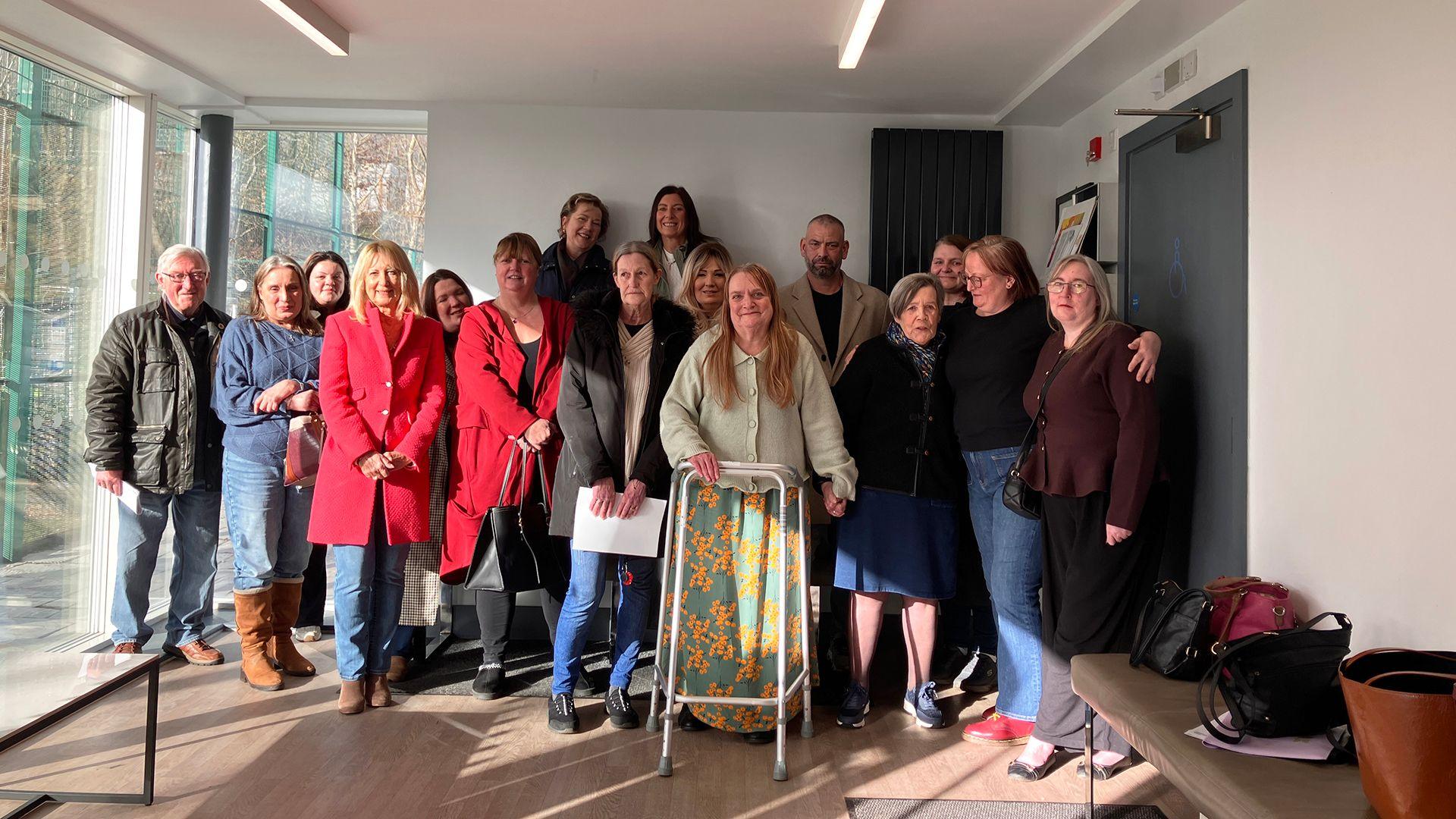
At Beamish Football Centre in the town of Stanley, a support group is meeting where women and their loved ones can share their experience of poor treatment by CDDFT’s breast care unit.
“My surgery was 2016,” says Lynn, one of the group’s organisers, “and I’ve felt terrible ever since.” She too has been told by the trust that her breast removal was unnecessary.
Some of the women tell us they have had formal apologies from the trust, but all say that, more than anything, they want answers as to who was responsible for the failures in their care.
The group says it is now putting its focus on calling for a public inquiry.
“I didn’t realise how many ladies lived so near me that had been affected,” says Lynn. “I’m just totally overwhelmed.”
Get in touch
Have you been affected by the issues raised in this story? If you feel able to do so, please get in touch.

Get our flagship newsletter with all the headlines you need to start the day. Sign up here.