
This post was originally published on this site.
Zelensky says airlines should avoid Russian airspace as Ukraine escalates drone operations
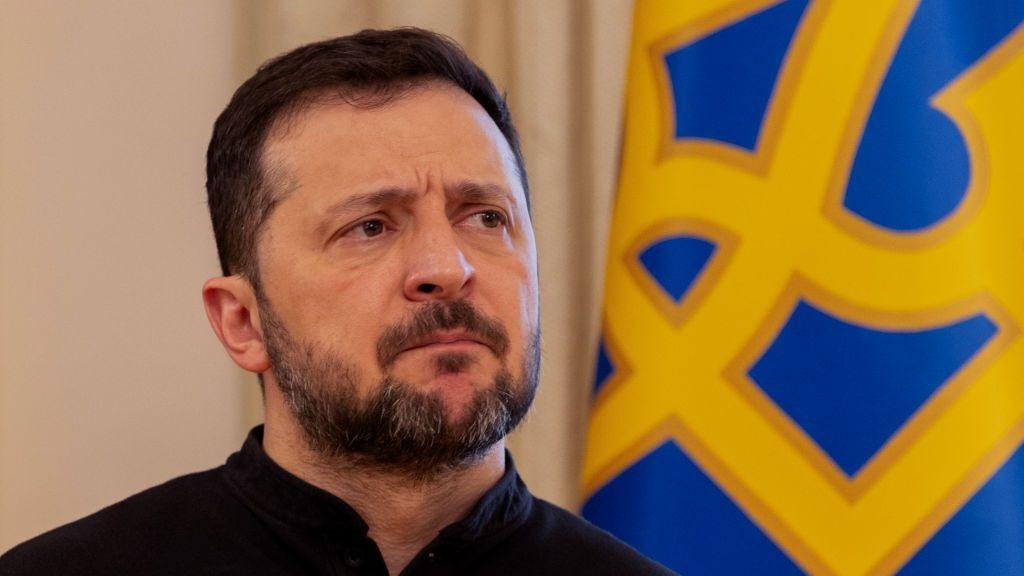 Image source, AFP via Getty Images
-
Published
Ukraine’s president has told airlines that Russian airspace will be “effectively closing” as his country escalates its drone strikes.
“We want to warn every airline that uses Russian airspace, every insurer, everyone who still uses key Russian airports: the Russian sky is becoming completely dangerous,” Volodymyr Zelensky said. Ukraine has since formally notified the UN of the risks to civilian aviation.
Russian President Vladimir Putin said the comments amounted to a “declaration of state terrorism”.
Most Western commercial airlines do not fly over Russia because of the ongoing Russian invasion of Ukraine, but carriers in countries like Turkey and China do.
Explaining the elevated airspace risk in his nightly video address on Tuesday, Zelensky said that “Ukraine does not threaten civilian aviation as such – not a single civilian aircraft” and did not want the loss of innocent lives.
“There will simply be drones in Russia’s skies on a scale that has to be taken into account,” he said.
Zelensky directed the warning to airlines continuing to operate flights to Russian airports, especially in major cities like St Petersburg and Moscow.
In a statement on X, Foreign Minister Andrii Sybiha said that Ukraine had officially notified the International Civil Aviation Organization that Russian airspace was not safe for civilian aviation.
“We want to prevent unintended incidents,” he said, adding: “The war is returning home to Russia.”
On Wednesday afternoon, flight tracking website FlightRadar24 showed many planes flying over Russia, including arriving and departing from the two main airports.
Several airlines that fly through Russia told the BBC that they were carefully monitoring the situation.
Qatar Airways, which flies into Moscow and travels through Russian airspace to get to the US west coast, said its flight planning was “guided by rigorous and continuous monitoring of airspace security, safety assessments, and geopolitical developments”.
FlyDubai, an Emirati government-owned carrier, told the BBC that it would “closely monitor the evolving situation in the region and adjust our flight schedules and routings as necessary”.
-
Rosenberg: Putin’s veiled threat to UK part of Russia’s campaign against West
-
Published2 hours ago
-
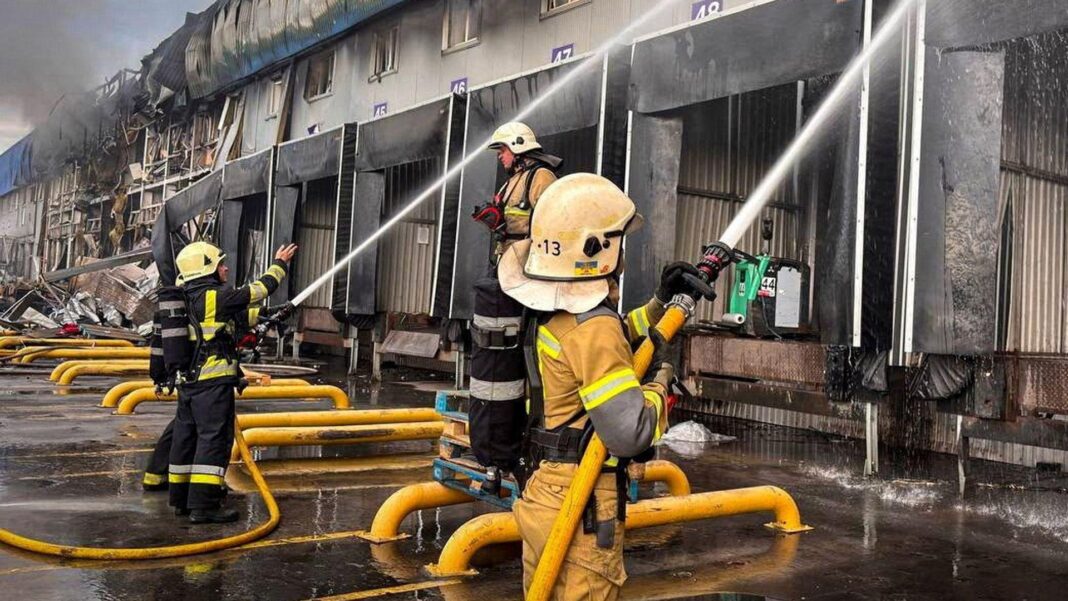
Ukraine has targeted energy facilities deep inside Russian territory and there have been repeated attacks on depots belonging to Russia’s two biggest online retailers, Wildberries and Ozon.
Its drone attacks have for months led to disruption at some of Russia’s biggest airports, especially in Moscow where at times all four major airports have been forced to halt arrivals and departures.
Several cancellations were reported on Wednesday.
Ukraine does not have to target airports to cause disruption.
Under Russia’s air defence “Kovyor” (carpet) plan, flights are suspended if a drone is detected in the relevant area.
Aviation risk advisory firm Osprey Flight Solutions said in an alert to clients that while the majority of Ukraine’s drone and missile strikes were likely to occur within 300km (186 miles) of the border, daily attacks deeper inside Russia were almost certain to continue this year.
“There is also a realistic possibility that the frequency of Ukrainian strikes will continue to increase in the short term deep inside Russian territory,” the alert added. “It is assessed that miscalculation and/or misidentification is likely in areas related to the Ukraine conflict.”
Speaking to reporters at the Shanghai Co-operation Organisation summit in Kyrgyzstan, Putin said: “They are asking us to resume negotiations… but you don’t negotiate with terrorists.”
His comments come as Russia’s attacks on Ukraine continue, with heavy strikes killing 12 people on Tuesday and further attacks on Odesa, Sumy and Kyiv on Wednesday. Russia’s military has said it is preparing to carry out “massive” strikes on Ukrainian power stations.
The Ukrainian capital and its surrounding region have come under attack for seven days in a row.
A few weeks ago, Zelensky said Russia was attacking Ukraine every day, and Ukraine’s military had “begun the process of bringing the war back to Russia”. At the weekend he said the same, that Russia had to feel the war was “returning to where it came from”.
Putin acknowledged that Ukrainian strikes had damaged infrastructure inside Russia, while insisting that “only 10%” of oil refineries were left to repair.
Chinese, Turkish and Gulf state airlines are among those using Russian airspace, with savings in time and fuel on routes between Asia and Europe.
Other carriers have largely avoided the eastern European region since the beginning of Russia’s full-scale invasion in February, 2022.
Ukraine has closed its airspace to civilian aircraft throughout that period.
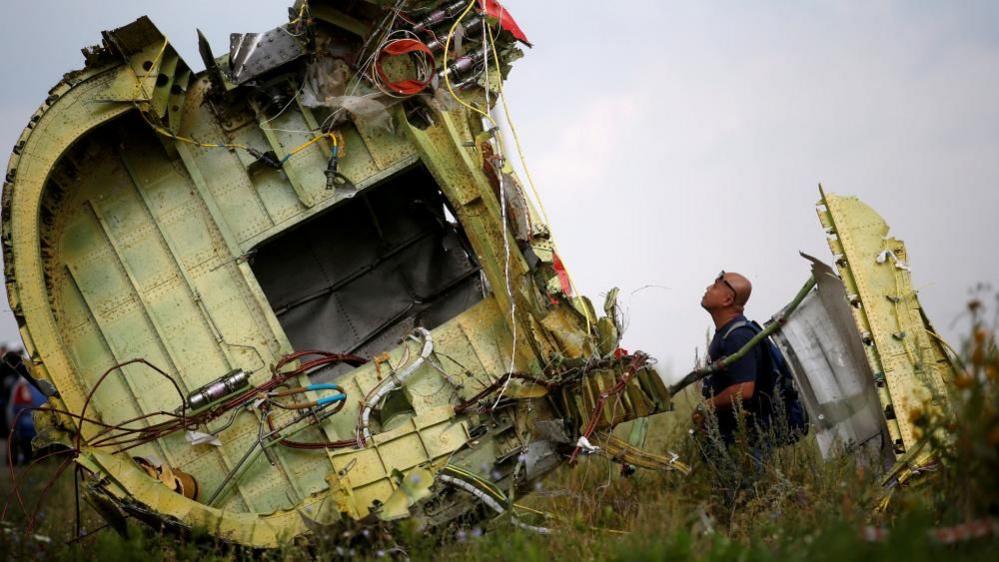
The risks of civil aviation during a war are clear. A few months after war broke out in eastern Ukraine in 2014 between Russian-backed separatists and the Ukrainian military, a Russian-made missile brought down a passenger plane, killing all 298 people on board.
Last year, the UN aviation agency ruled that Russia was responsible for the downing of Malaysia Airlines Flight MH17 over eastern Ukraine in July 2014.
The Kremlin has always denied any responsibility for the air disaster.
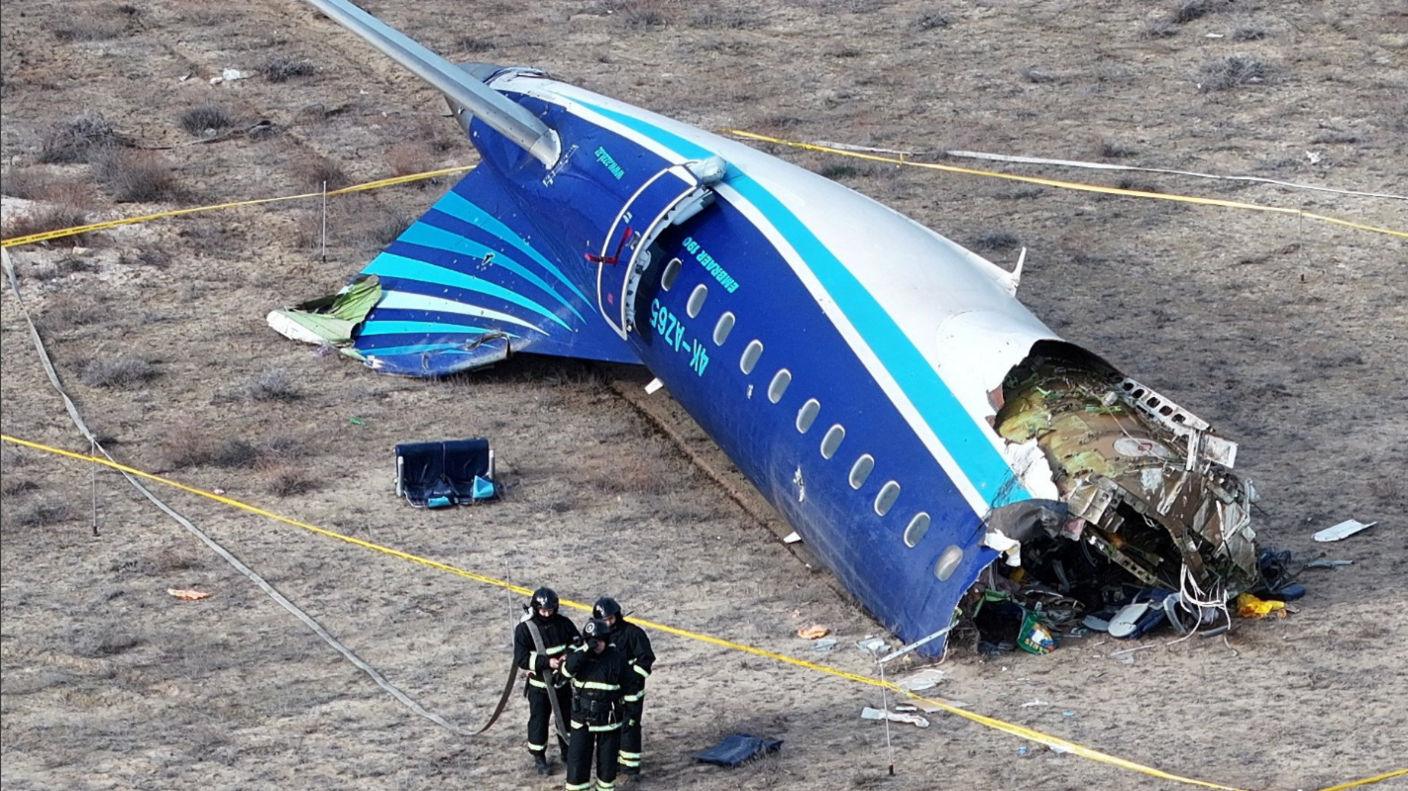
In 2024, Putin apologised to the president of neighbouring Azerbaijan over the downing of a commercial airliner in Russian airspace, in which 38 people were killed.
He said the “tragic incident” had occurred when Russian air defence systems were repelling Ukrainian drones.

Get our flagship newsletter with all the headlines you need to start the day. Sign up here.
-
-
Published13 May 2025
-
-
-
Published29 December 2024
-
-
-
Published18 August
-