
This post was originally published on this site.
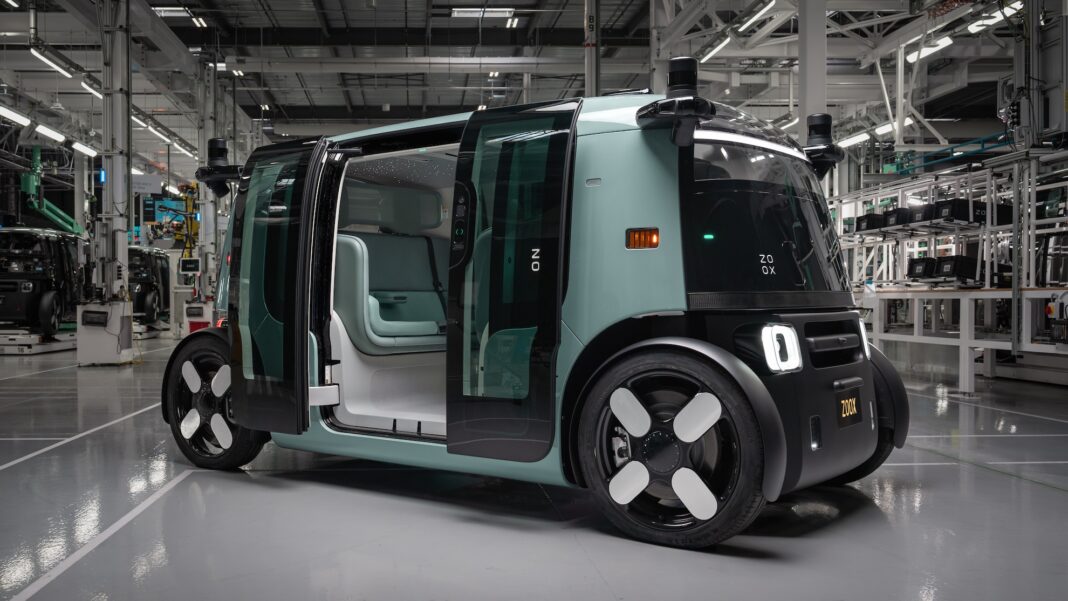
Zoox has given its custom-built robotaxi a makeover — and not just to make it look sharper. The Amazon-owned company revealed Wednesday a series of upgrades to the comfort and function of its electric, autonomous vehicle based on rider feedback and ahead of what it hopes will be a commercial launch later this year.
The core features of the Zoox robotaxi remain. The cube-like electric, autonomous robotaxi still lacks a steering wheel and other controls. The company kept the moonroof and starry night lights as well as the 40 cameras, radars, lidars, and infrared sensors, which help the robotaxi perceive the environment around it. And the vehicle still drives bidirectionally, has four-wheel steering, and can transport four people at speeds of up to 75 miles per hour.
Instead, Zoox has made a series of design and product tweaks required for a robotaxi that shuttles thousands of riders. At least, that is Zoox’s hope.
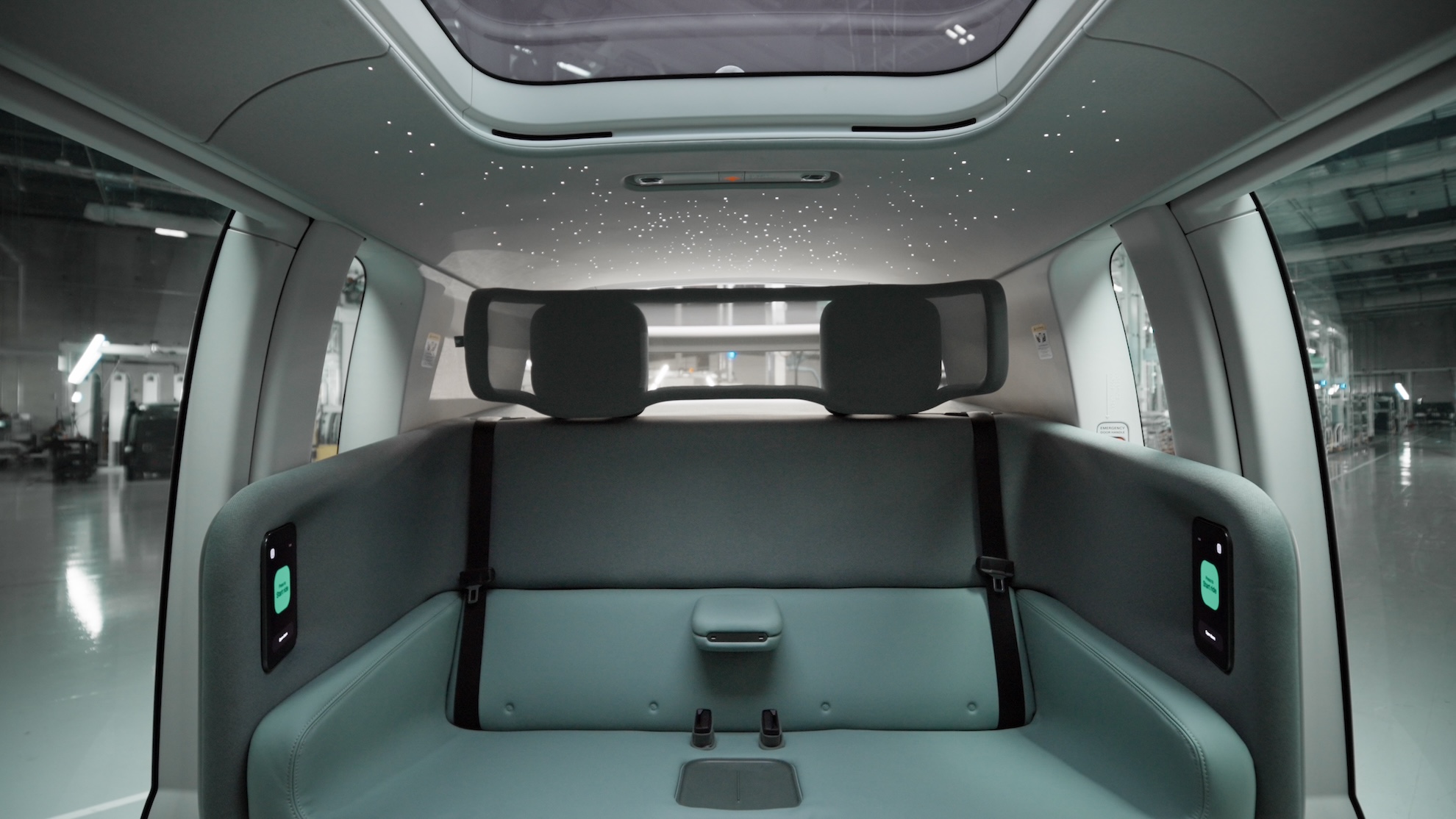
On the inside, Zoox has added more padding and ergonomic curves to both the seats and headrests, updated the color, material, and finish with a lighter palette of aloe green seating and stone grey flooring and trim.
The lighter color palette creates a calmer environment, according to Zoox.
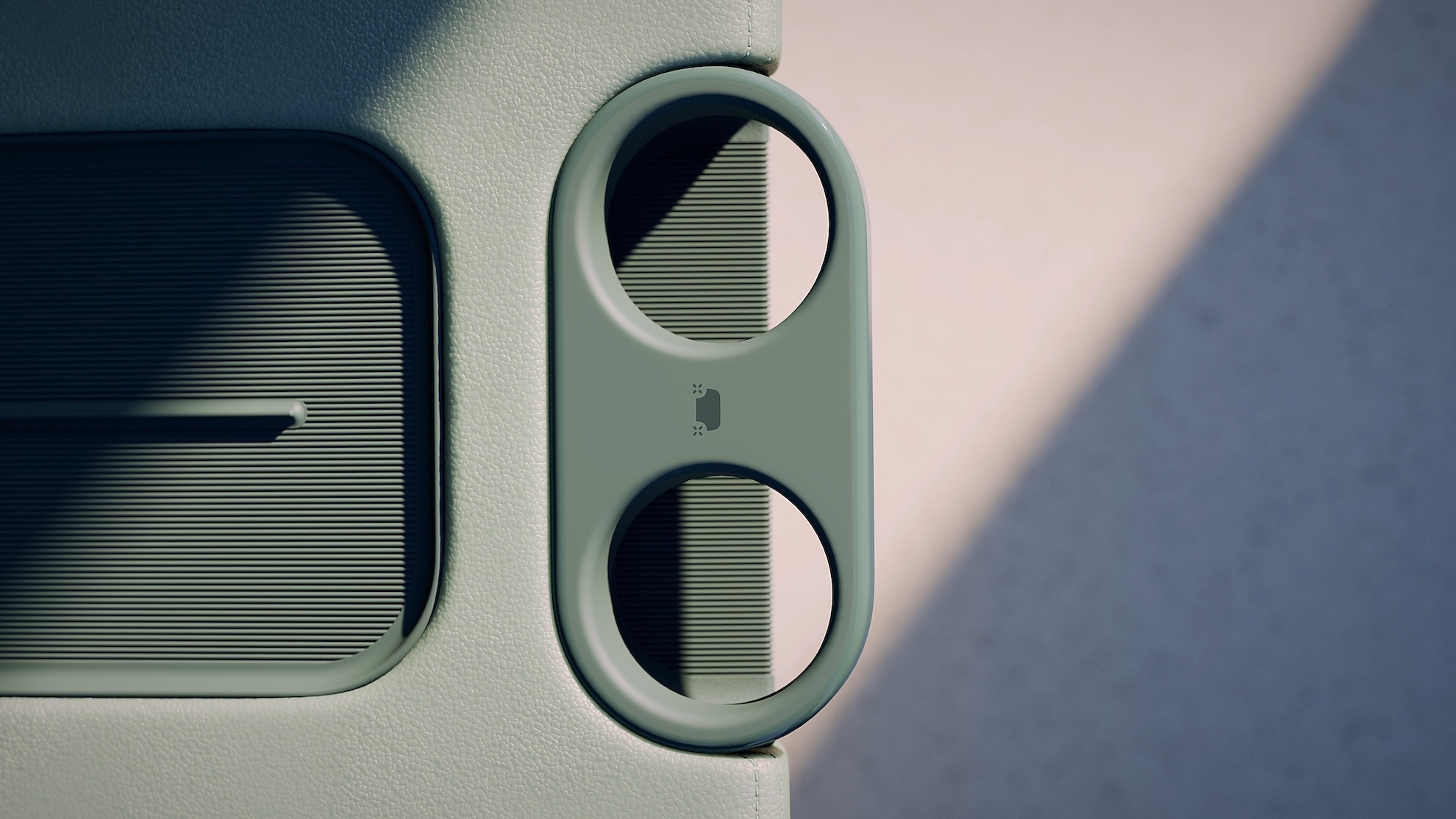
It also provides the kind of contrasting backdrop that makes it easy to spot common objects, like smartphones. Other interior changes include adding fluting on the charging pad to keep phones in place, enlarging the cupholders, and a more visible touchscreen.
On the outside, Zoox has relocated its bidirectional reflectors for better visibility and added a new speaker and microphone to the door interface as well as two-way audio capabilities. The company said the improvements will improve communication with riders and other road users, as well as between Zoox Support and first responders.
The idea, according to Chris Stoffel, director of robot industrial design and studio engineering at Zoox, is for a simple elevated interior design that doesn’t demand a rider’s attention like so many of the features found in today’s passenger cars.
“The updates we’ve made to this iteration of our purpose-built robotaxi continue to further distinguish the Zoox experience from anything else available today,” he said in a statement.
There are practical reasons for the design changes as well.
Last year, Zoox opened a production facility in Hayward, California, where the company expects to one day build 10,000 robotaxis per year. The improvements were made in preparation of volume production, which Zoox says can reach up to 100 vehicles a week.
Zoox still has one major hurdle to pass before it will launch production in earnest — or offer paid rides.
The company has requested a commercial exemption for its robotaxi since its lacks standard controls mandated by federal law. A public comment period has closed and Zoox is awaiting a decision by the National Highway Traffic Safety Administration, which gave the company an exemption in August 2025 to demonstrate its custom-built robotaxis on public roads.
If it receives approval, Zoox will introduce paid rides, the company said.
For now, the company is testing and offering free rides in Austin, Texas; San Francisco; Las Vegas; and Miami, Florida.
When you purchase through links in our articles, we may earn a small commission. This doesn’t affect our editorial independence.