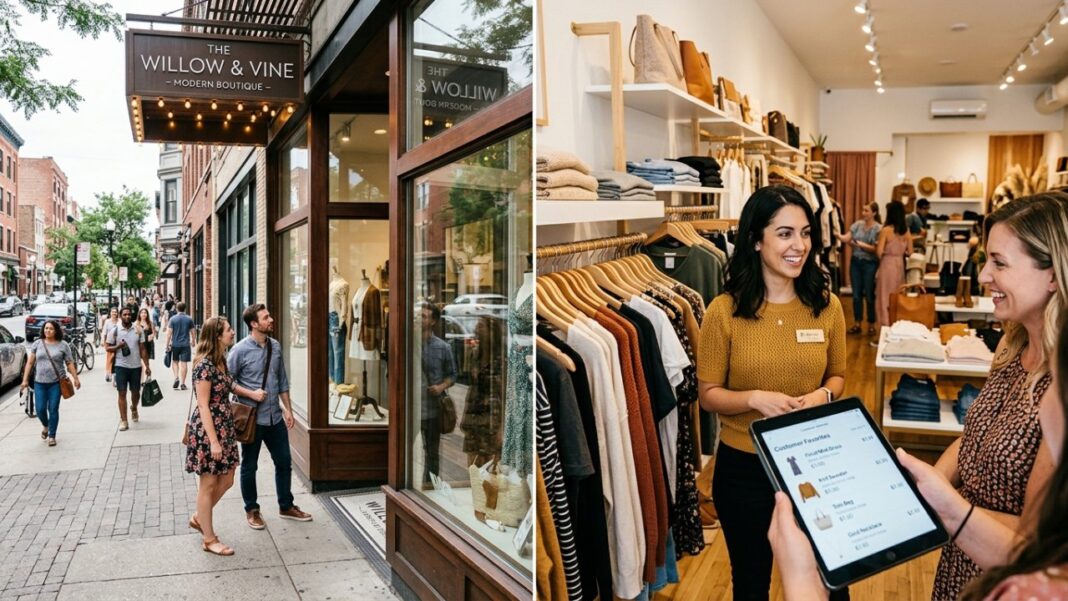

To grow your retail business, you need to take practical steps that make a real impact. Start by identifying your niche—analyzing market gaps and customer feedback can help you stand out. Next, create a solid business plan that outlines your unique selling proposition and costs. Don’t overlook your store layout; optimizing it can enhance customer flow and satisfaction. Curious about other strategies that can drive growth? Let’s explore those next.
Key Takeaways
- Identify and target underserved customer segments to create a unique selling proposition (USP) that differentiates your retail business.
- Optimize your store layout and inventory management to enhance customer experience and streamline stock replenishment processes.
- Develop a tiered loyalty program that rewards repeat customers, boosting their lifetime value and encouraging frequent purchases.
- Engage with your local community through events and partnerships, fostering brand loyalty and enhancing your store’s visibility.
- Implement an omnichannel strategy to provide a seamless shopping experience across online and offline platforms, increasing customer retention.
Identify Your Niche: Understanding Customer Needs to Stand Out
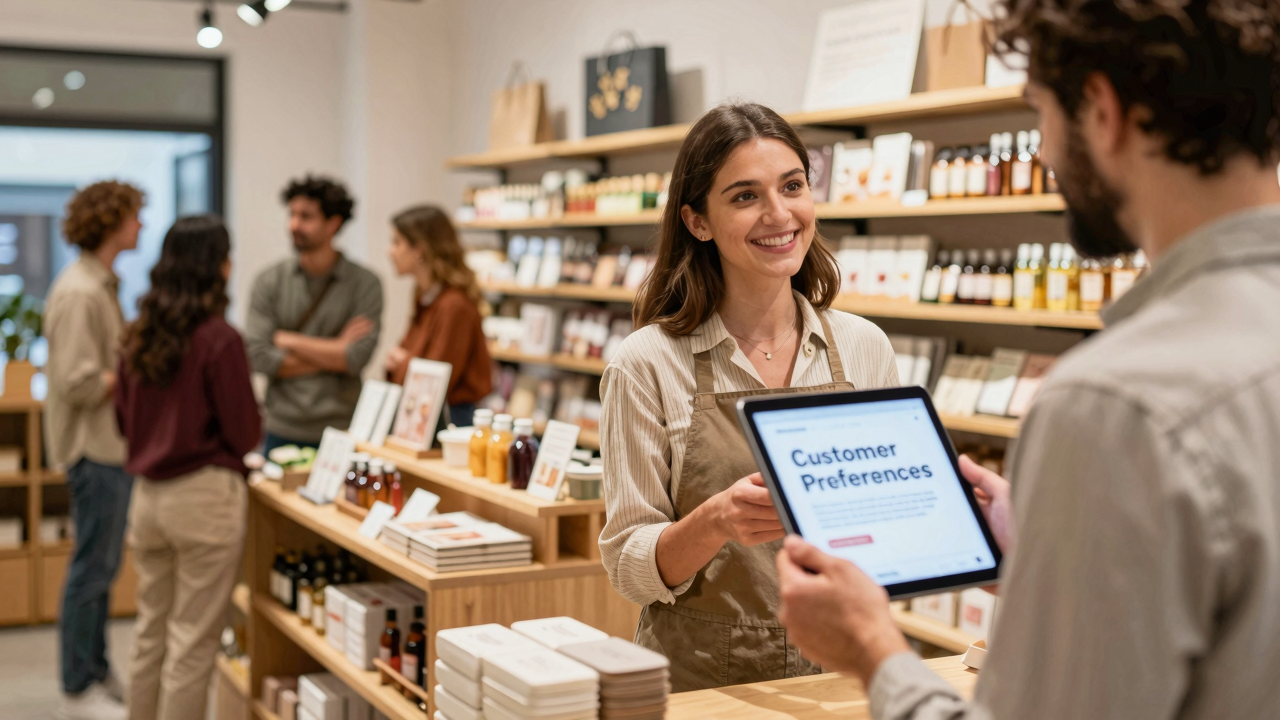
In today’s competitive retail landscape, many entrepreneurs find success by identifying their niche—this means pinpointing specific customer needs that aren’t fully addressed. Start by analyzing market gaps and understanding underserved customer segments. Research trends and competitor offerings to help define your unique selling proposition (USP). This makes your brand stand out in a crowded marketplace.
Next, engage directly with potential customers through surveys and feedback. This understanding of customer needs guarantees your inventory aligns with their preferences, boosting satisfaction and loyalty.
Consider testing new concepts with your target audience before launching them. This approach provides valuable insights and reduces risks.
A focused niche not only enhances your marketing efforts but also strengthens your brand positioning. By clearly communicating your value proposition, you’ll attract potential customers more effectively.
Create a Comprehensive Business Plan for Success
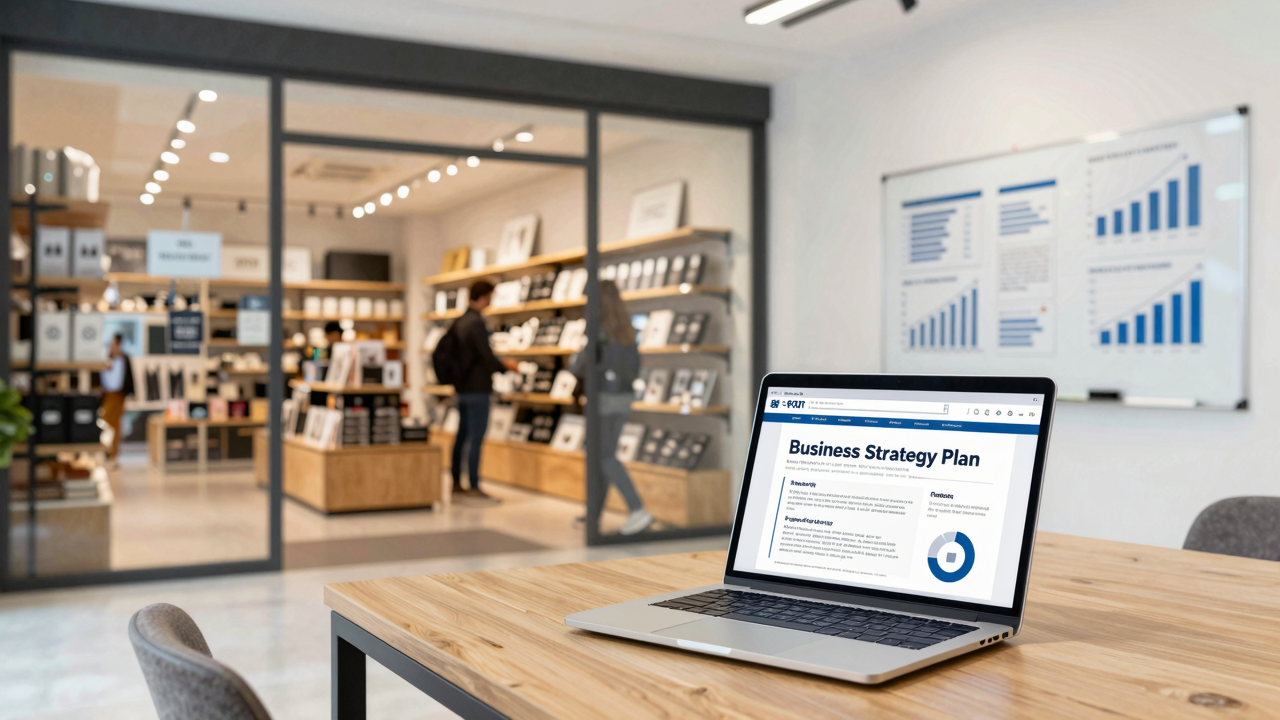
Creating a thorough business plan is crucial if you want to lay a solid foundation for your retail venture. Start by outlining an executive summary that captures your vision, then conduct a market analysis to identify potential customers and competitors.
To truly create a complete business plan for success, define your unique selling proposition (USP); this will guide your retail strategy effectively.
Don’t forget financial considerations; detail your startup costs, including inventory purchases and lease expenses, to guarantee you’ve secured sufficient funding. Conduct a competitive analysis to pinpoint market gaps and differentiate your offerings.
Regularly update your plan based on performance metrics and market trends to adapt to changing consumer behaviors.
A well-structured business plan not only serves as a roadmap but also attracts investors and secures financing, making it a crucial tool for how to manage a retail shop successfully.
Optimize Your Store Layout for a Better Customer Experience
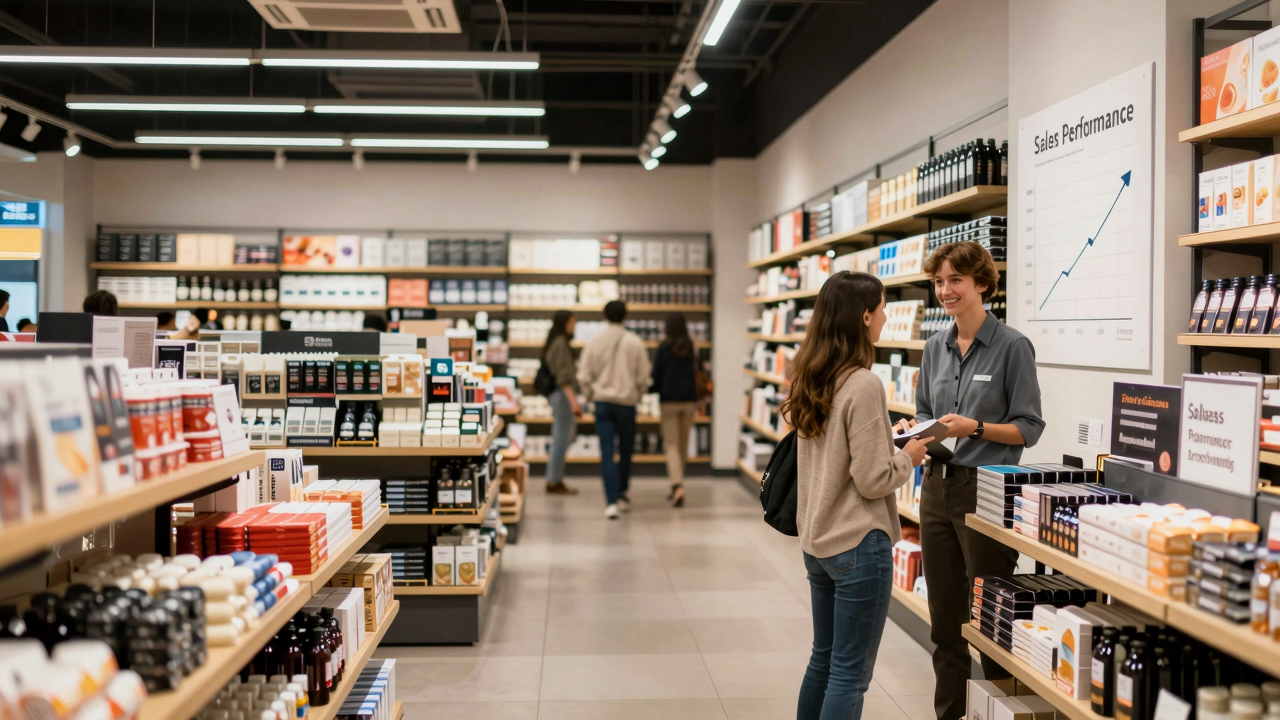
To create a better shopping experience, start by strategically placing your best-selling and high-margin items at eye level and near the checkout.
Make sure to design clear navigation pathways, helping customers easily find what they need without frustration.
Strategic Product Placement
Strategic product placement is key to enhancing your store layout and boosting customer experience. Position your best-selling and high-margin items at eye level and in high-traffic areas to maximize visibility and encourage impulse purchases.
[embedded content]
Use clear, benefit-focused signage to guide customer decisions and enhance product awareness. Regularly monitor customer flow to identify popular zones, allowing you to adjust placements as needed.
[embedded content]
Keep your inventory well-stocked in these prominent locations to prevent stockouts, ensuring shoppers find what they need quickly. Implement effective merchandising strategies, like themed displays or targeted lighting, to highlight featured products.
These steps will help you learn how to manage a retail store effectively and show you how to grow your retail business successfully.
Clear Navigation Pathways
While a cluttered store can turn customers away, clear navigation pathways create a welcoming environment that encourages exploration.
To enhance customer experience and boost improved retail performance, consider these steps:
- Design Intuitive Pathways: Confirm aisles are wide enough for easy movement. Avoid bottlenecks that can frustrate shoppers.
- Implement Clear Signage: Use clear, visible signs to guide customers. This reduces confusion and helps them find products quickly.
- Strategically Place Products: Position high-margin items at eye level in high-traffic areas. This increases visibility and encourages impulse purchases.
Optimize Your Inventory Management Strategies
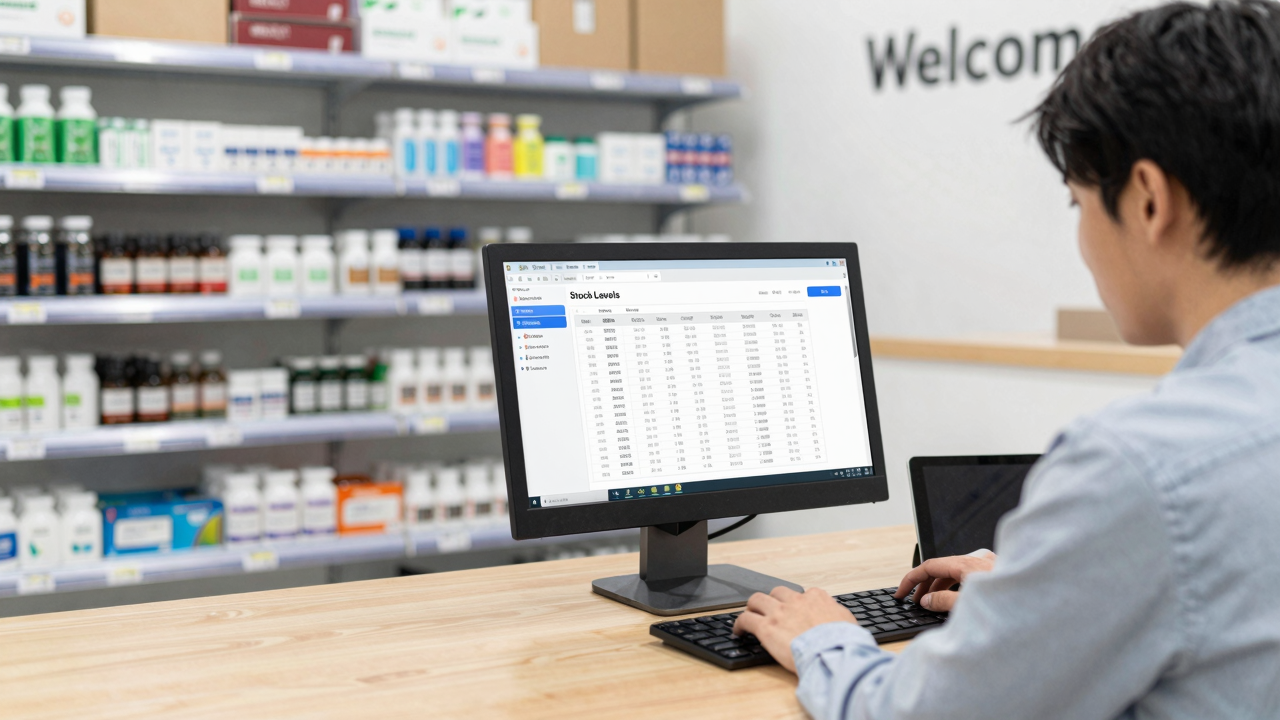
Effective inventory management is essential for your retail success, as it can greatly impact your bottom line. To manage a store successfully, start by implementing real-time inventory tracking systems. This helps maintain ideal stock levels and minimizes stockouts, potentially reducing lost sales by up to 20%.
Conduct regular stock audits and analyze sales data to forecast demand accurately, which can improve your inventory turnover rates by 15-30%.
Utilize automated reordering processes for popular items to guarantee timely replenishment, cutting carrying costs by up to 25%.
Balance your safety stock based on historical trends and seasonal fluctuations to avoid overstocking and improve cash flow.
Finally, foster strong relationships with suppliers for flexible terms and better pricing, enhancing profit margins by 5-10% through reduced inventory costs.
Build a Strong Brand Identity and Messaging
Building a strong brand identity is essential for standing out in today’s competitive retail landscape.
To effectively build a strong brand identity, focus on these key areas:
- Craft a Clear Brand Positioning Statement: This guides your marketing efforts and guarantees consistency, which enhances customer recognition and loyalty.
- Unify Your Messaging: Use cohesive messaging across your website, social media, and in-store communications. A unified brand experience resonates with your target audience and strengthens your identity.
- Train Your Employees: Make sure that your team reflects your brand’s values in their interactions.
This connection fosters better customer service and enhances overall experience.
Craft Targeted Marketing Strategies Based on Customer Insights
To effectively craft targeted marketing strategies based on customer insights, start by analyzing your customer data. Use retail analytics to segment your customer base by demographics and purchasing behavior. This allows you to create tailored marketing campaigns that resonate with specific groups.
Next, implement data-driven marketing strategies, like targeted social media ads, focusing on high-value segments identified through predictive analytics. Leverage customer feedback and surveys to refine your messaging, ensuring your efforts align with their preferences.
A/B testing different campaigns helps you determine which messages and channels yield the highest engagement and conversion rates. Finally, regularly analyze market trends and competitor strategies to adapt your marketing approach.
This adaptability is vital for retail business growth. By staying relevant and appealing to your target audience, you’ll enhance your chances of success and strengthen your marketing strategies effectively.
Foster Customer Relationships and Loyalty
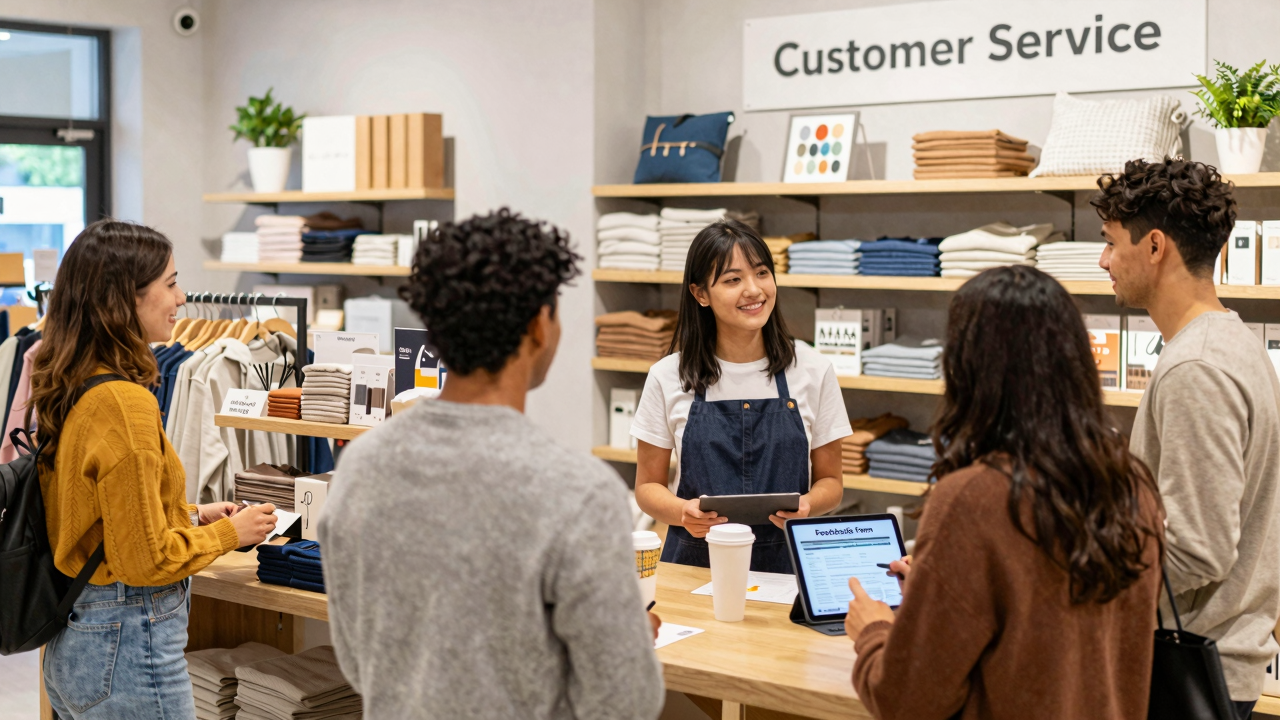
To foster strong customer relationships and loyalty, start by creating personalized shopping experiences that resonate with your audience.
Implement a tiered loyalty program to reward repeat customers, and consider hosting community events to engage local patrons.
Regularly gather feedback to refine your strategies, ensuring you meet customer needs and build lasting connections.
Personalized Shopping Experiences
Creating personalized shopping experiences can greatly enhance customer relationships and loyalty, as customers appreciate feeling valued and understood.
Here are three actionable steps to get you started:
- Gather Feedback: Use surveys and engagement tools to understand your customers’ preferences. This feedback can help you tailor product offerings and service.
- Train Your Staff: Equip your team to provide personalized service. This not only boosts customer satisfaction but can increase average transaction value by up to 25%.
- Host Local Events: Engage your community by offering workshops or events. This fosters connections, making customers more likely to return and strengthen their loyalty.
2. Loyalty Program Implementation
A well-structured loyalty program can greatly boost your customer relationships and drive sales. For effective loyalty program implementation, consider starting a retail store with a tiered system that rewards higher spending.
Offer personalized rewards like exclusive discounts or products to enhance customer satisfaction and encourage repeat purchases. Data shows that loyal customers are 5 to 10 times more likely to buy again, increasing your sales potential considerably.
Engage your customers regularly through the program, as this can lead to a 10-15% boost in overall customer lifetime value. By focusing on these strategies, you’ll not only retain customers but also elevate their purchase frequency, ultimately driving your retail business forward.
Building strong relationships with your customers goes beyond just offering a great product or service; community engagement initiatives play an essential role in fostering loyalty.
Here are three effective strategies for your small business retail:
- Host Local Events: Organize workshops or product demonstrations to boost foot traffic and strengthen community ties.
- Collaborate with Neighbors: Partner with local businesses for cross-promotions, creating shared experiences that benefit everyone involved.
- Implement a Loyalty Program: Reward customers for their engagement, as personalized incentives can increase repeat business considerably.
Engaging in community service also improves brand perception, while utilizing social media to share community-focused content can enhance customer loyalty.
Embrace Omnichannel Strategies for Retail Growth
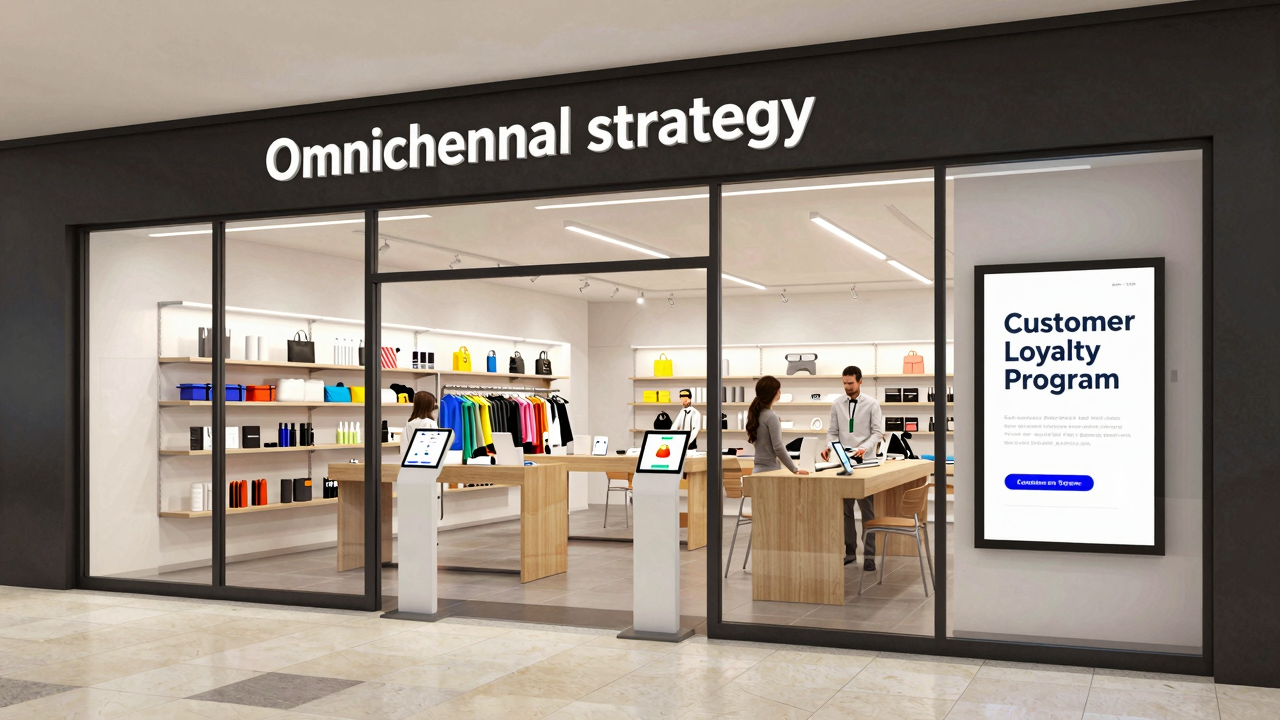
To grow your retail business effectively, embracing omnichannel strategies is essential. Start by integrating your online and offline sales channels. This seamless shopping experience not only enhances customer satisfaction but also encourages repeat purchases.
When you’re figuring out how to open a retail store or opening a retail business, focus on maintaining consistent branding across all platforms. Research shows that 73% of consumers prefer engaging with brands that offer a cohesive identity.
Utilize unified customer profiles to personalize your marketing efforts; this can lead to a 15% boost in customer retention rates. Analyze data from multiple sales channels to gain insights into customer behavior, which helps optimize inventory management and reduces stockouts.
Empower Your Sales Team Through Effective Training

Integrating effective training programs for your sales team can markedly enhance their performance and overall business results.
Focus on these three key areas:
- Ongoing Training: Regular sessions on product knowledge and customer service will boost employee confidence, leading to a 25% increase in sales performance.
- Empowering Staff: Give your team decision-making capabilities. This not only engages them but can improve customer satisfaction scores by 30%.
- Effective Communication: Conduct workshops on upselling techniques and role-playing scenarios. This can increase average transaction value by 15% and improve closing rates by 20%.
Measure Your Retail Performance and Adapt for Growth
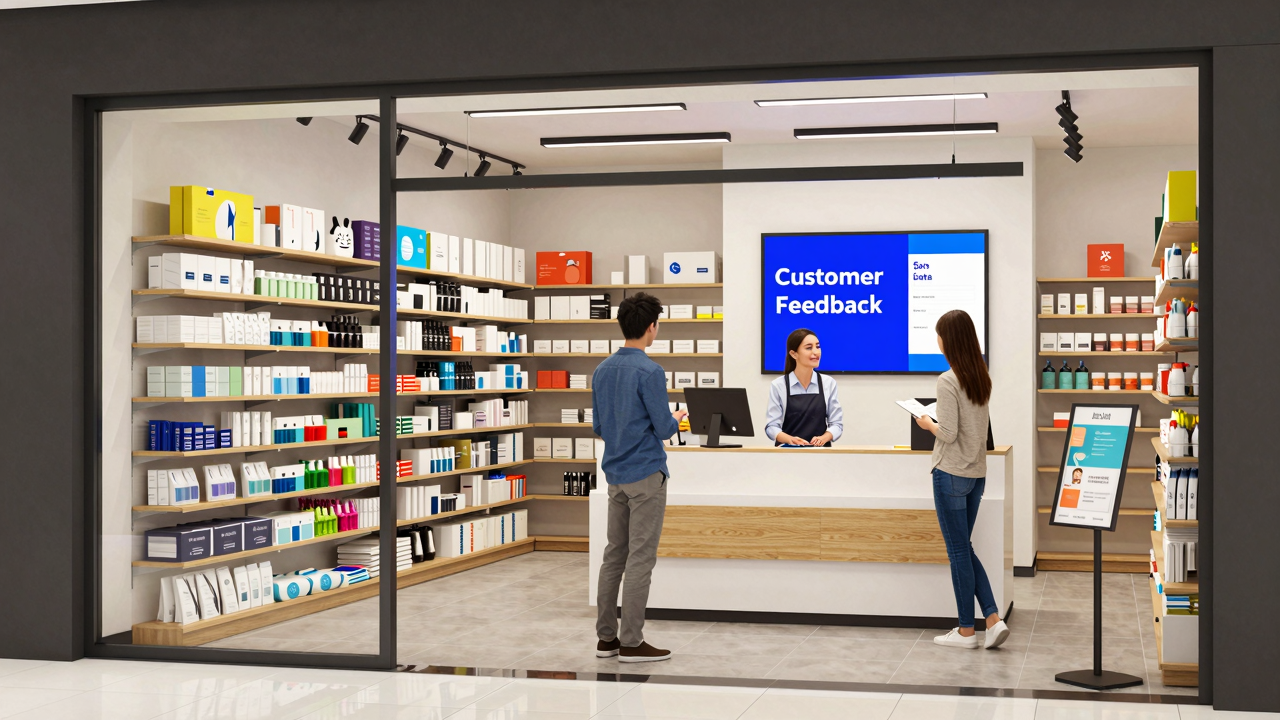
Measuring your retail performance is essential for identifying growth opportunities and improving overall success. Start by regularly analyzing key performance indicators (KPIs) like sales per square foot, inventory turnover, and customer retention rates. These metrics help you pinpoint areas needing improvement.
Implement a structured review process that combines qualitative customer feedback with quantitative sales data, allowing you to adapt strategies based on insights.
Periodically conduct SWOT analyses to evaluate your strengths, weaknesses, opportunities, and threats. This will align your business with market trends and competitor strategies. Utilize retail analytics tools to understand customer behavior better, so you can tailor your inventory and marketing efforts.
Finally, set specific, measurable goals for growth, and assess your progress regularly. This guarantees you stay aligned with your overall business objectives and can make necessary adjustments.
Frequently Asked Questions
What Is the 3-3-3 Rule in Sales?
The 3-3-3 Rule in sales means that for every three customers you lose, you should aim to gain three new ones while retaining three existing customers.
This approach balances growth by focusing on customer acquisition, retention, and engagement. Actively seek feedback to improve your services, ensuring current customers stay satisfied.
What Are the 7 P’s of Retailing?
The 7 P’s of retailing are Product, Price, Place, Promotion, People, Process, and Physical evidence.
Focus on offering quality products that meet customer needs. Set competitive prices to attract buyers.
Confirm your store is in a high-traffic area for better accessibility. Use effective promotions to communicate your brand’s value.
Train your staff for excellent customer service, streamline processes for efficiency, and create a welcoming environment to enhance the shopping experience.
What Are the 5 P’s of Retail?
The 5 P’s of retail are Product, Price, Place, Promotion, and People.
To succeed, make certain your product meets customer needs and stands out. Set competitive prices that reflect value.
[embedded content]
Choose a location that attracts your target audience. Use promotions like social media and events to engage customers.
Finally, focus on training your staff to provide exceptional service, creating a positive experience that encourages loyalty and repeat business.
What Are the 5 R’s of Retailing?
The 5 R’s of retailing are Right Product, Right Price, Right Place, Right Time, and Right Promotion.
Start by identifying products that meet your customers’ needs. Set prices that balance competitiveness with profitability.
Choose locations and channels that maximize visibility. Make certain your products are available when customers want them, especially during peak seasons.
Finally, use promotions effectively to attract attention and drive sales.
Focus on these elements to enhance your retail strategy.
Conclusion
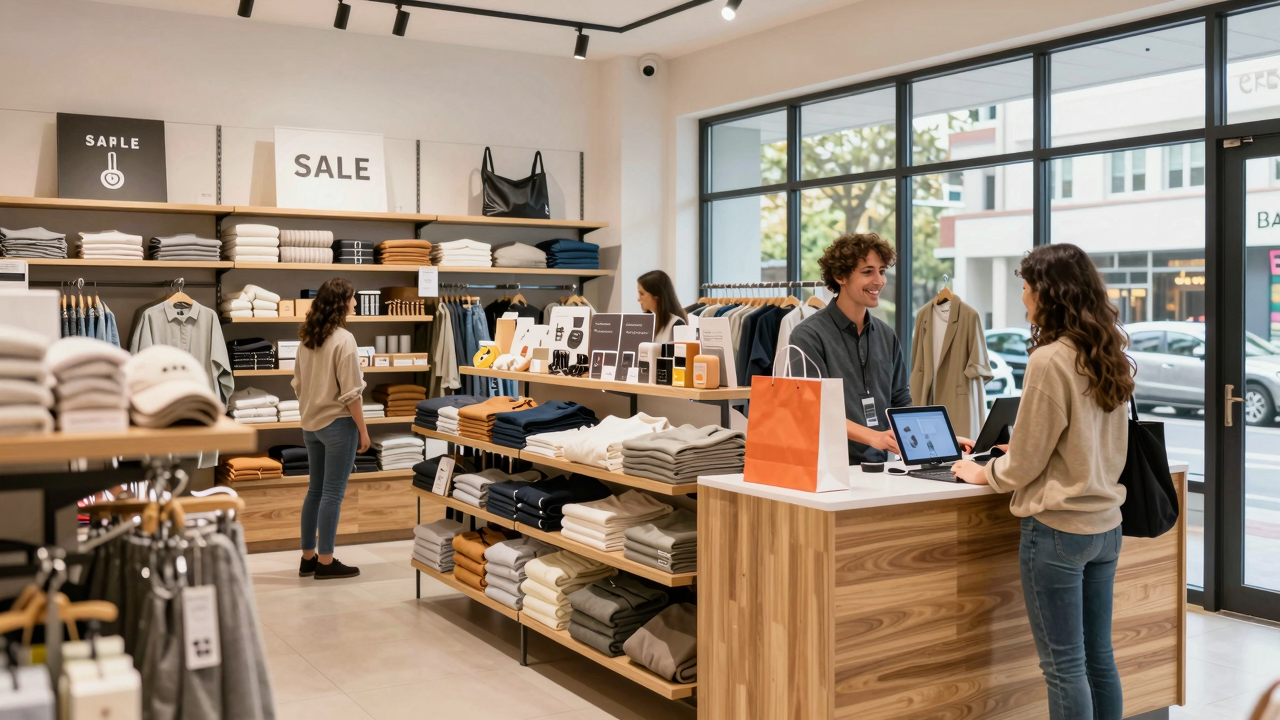
To grow your retail business, focus on these essential strategies. Identify your niche to connect with customers, create a solid business plan, and optimize your store layout. Improve inventory management and build a strong brand. Foster loyalty through personalized engagement, and embrace omnichannel approaches. Empower your sales team with training, and regularly measure your performance to adapt as needed. By implementing these steps, you’ll position your business for sustained growth and success in a competitive market.
Image via Google Gemini and Small Business Trends