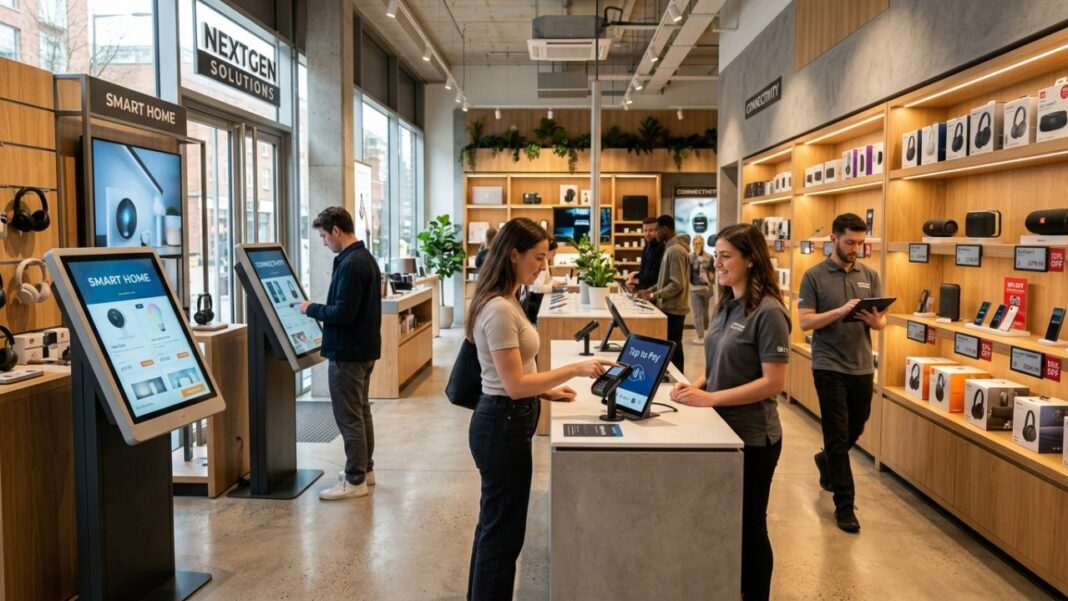

If you want to elevate your retail business, focusing on technology is key. Start by upgrading your Point-of-Sale systems to speed up transactions and improve inventory checks. Next, implement a Customer Relationship Management tool to better engage customers and build loyalty. Consider automating inventory management to streamline stock control. These steps can greatly enhance your operations. Curious about how AI and loss prevention technologies can further boost your efficiency? Let’s explore those solutions.
Key Takeaways
- Implement modern POS systems to enhance stock management and increase average order sizes by 12%.
- Utilize CRM software to improve customer loyalty through targeted marketing and streamlined communication.
- Adopt automated inventory management strategies for real-time tracking and improved supply chain efficiency.
- Leverage AI-driven tools for personalized customer experiences and faster response times in service.
- Integrate loss prevention technologies like AI surveillance and RFID for enhanced security and reduced theft.
How Point-of-Sale Systems Can Revolutionize Your Retail Operations
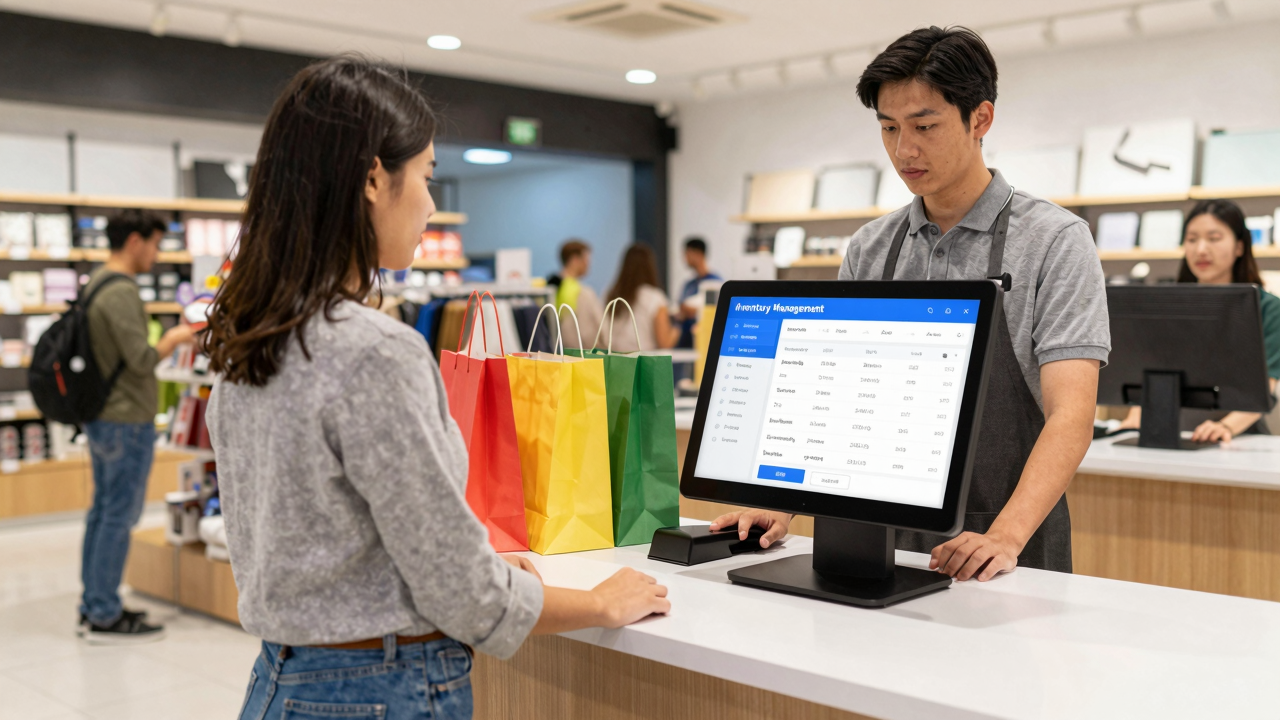
Modern Point-of-Sale (POS) systems are transforming how retailers operate, and if you’re not already using one, you might be missing out on significant improvements. These systems evolve from basic cash registers to integrated platforms that enhance stock management and customer interactions.
By adopting advanced POS systems, you can boost your average order size by 12% and increase omnichannel revenue by five times.
To implement a POS system effectively, start by choosing a solution that fits your retail environment. Make certain it’s capable of handling real-time inventory checks, which empowers your staff to assist customers efficiently.
Streamlining checkout processes not only speeds up transactions but also enhances customer satisfaction. Additionally, consider integrating your POS with other retail IT services for seamless data management across your business.
This approach optimizes operational efficiency and builds customer loyalty, making it a vital component of your retail technology solutions.
The Role of CRM in Customer Engagement
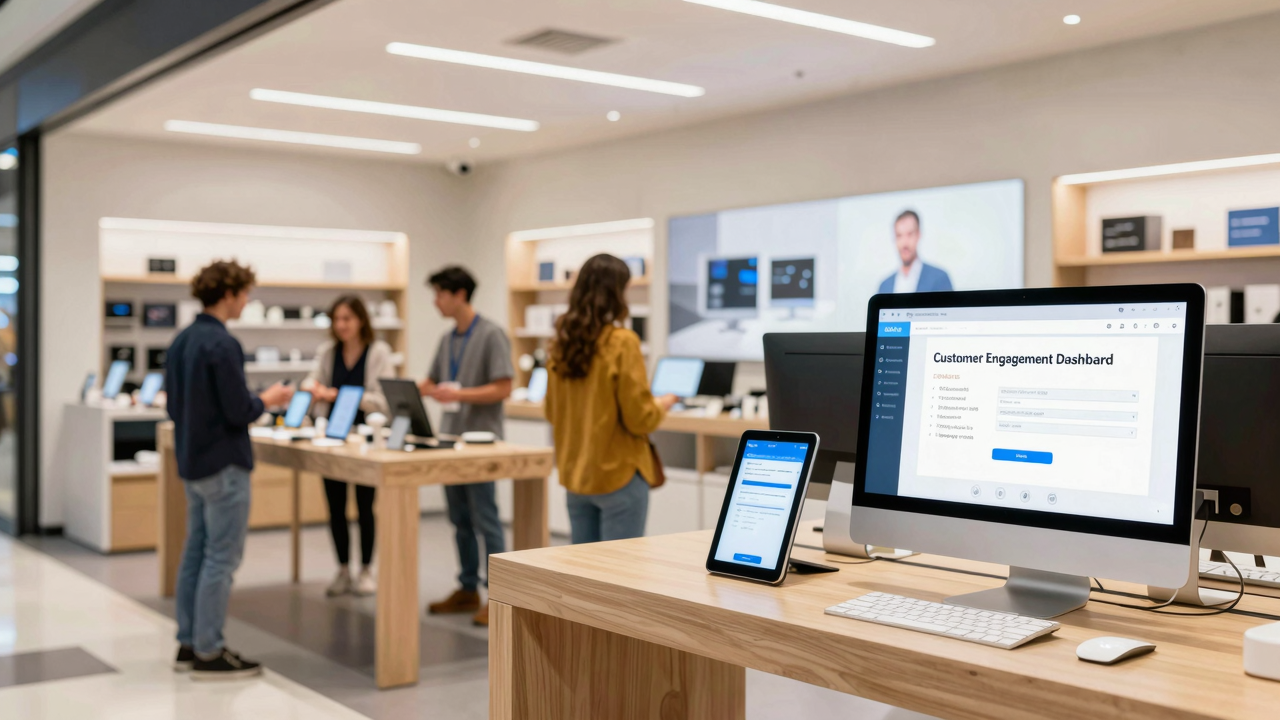
To effectively engage your customers, utilizing a Customer Relationship Management (CRM) system is essential. A CRM system stores and manages customer data, including purchase history, so you can tailor shopping experiences to individual preferences.
By leveraging CRM insights, you can enhance customer loyalty through targeted marketing campaigns, leading to repeat business and higher average order values.
Integrating a CRM allows for streamlined communication and follow-ups, reducing response times and boosting customer satisfaction. With retail IT services and solutions, you can analyze customer interactions to identify trends, informing your resource allocation and marketing strategies.
Consider implementing CRM software that offers analytics features, enabling you to improve sales forecasts and retention rates. This approach not only supports data-driven decision-making but also drives revenue growth.
For effective retail technology support, regularly update your CRM practices to align with evolving customer needs and preferences.
Effective Inventory Management Strategies for Retailers
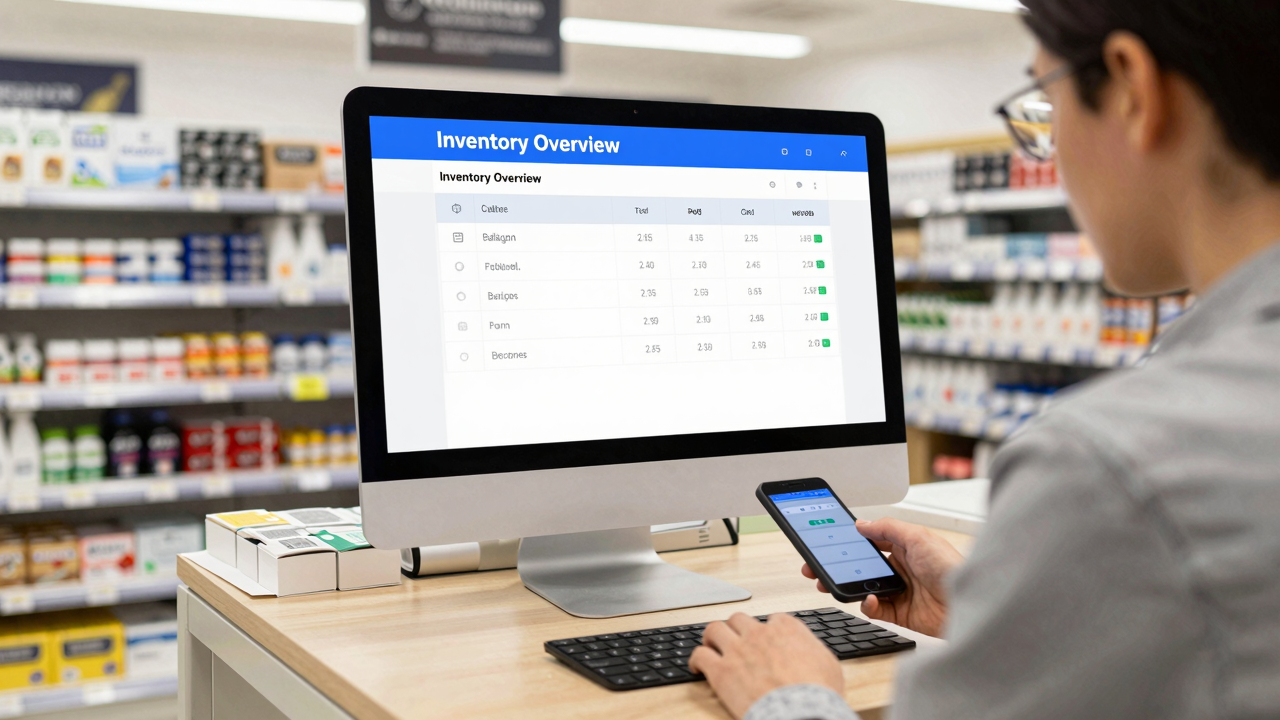
Effective inventory management is essential for retailers aiming to optimize their operations and meet customer demand. Start by implementing IT solutions for retail that enable automated inventory control systems. These systems provide real-time tracking of merchandise, allowing you to adjust stock levels quickly based on sales data.
Utilize integrated inventory management software to streamline your supply chain, which leads to faster replenishment cycles and improved customer satisfaction.
Consider adopting just-in-time inventory strategies to align your purchases with actual customer demand. This minimizes excess stock and reduces capital tied up in inventory.
Regularly analyze sales trends using data analytics tools to optimize your inventory turnover. By making informed purchasing decisions, you can avoid overstock and stockouts, which reduces holding costs and lost sales opportunities.
Finally, leverage retail technology support services to guarantee your systems remain efficient and effective.
How AI Enhances Customer Experience in Retail?
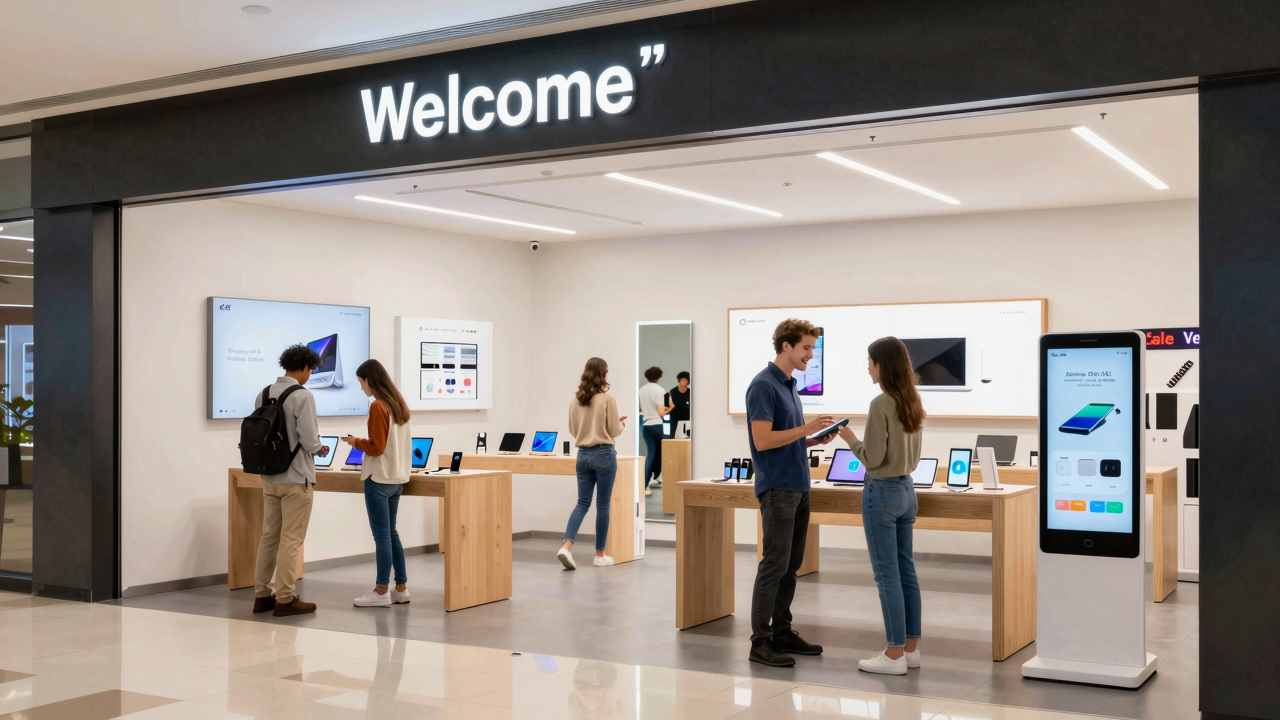
Managing inventory effectively sets the stage for enhancing customer experience, but integrating AI takes it a step further. With AI-driven personalization engines, you can analyze customer data to offer tailored product recommendations. This greatly boosts satisfaction and engagement.
Implementing AI in customer service reduces response times, allowing for quicker resolutions and better self-service options, which keeps customers happy and coming back.
Moreover, generative AI technologies create seamless omnichannel experiences, so customers can shift smoothly between online and in-store shopping. By automating repetitive tasks for your customer service team, you free them up to focus on higher-value interactions, improving overall efficiency.
Using these retail tech solutions not only enhances customer experience but also helps you proactively address supply chain disruptions. By leveraging AI for real-time visibility and predictive analytics, you guarantee customer demand is met promptly, solidifying your reputation in the competitive retail industry.
Smart Loss Prevention Technologies for Retailers
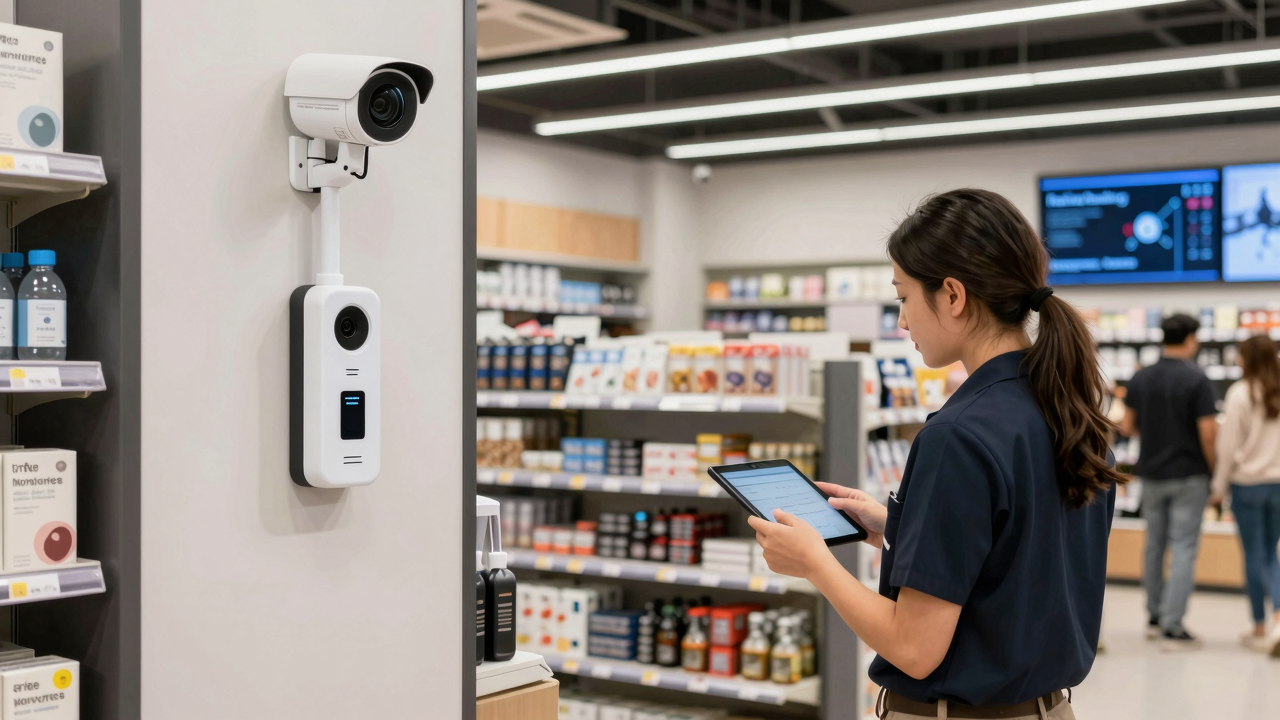
In today’s retail landscape, adopting smart loss prevention technologies can considerably reduce theft and shrinkage. By integrating AI-powered surveillance systems, you enhance theft detection and monitoring, leading to significant reductions in losses.
Utilize RFID technology for real-time inventory tracking, ensuring you maintain accurate stock levels and minimize theft or misplacement.
Implement advanced analytics platforms to identify suspicious shopping patterns, allowing you to take proactive measures against potential theft. Smart self-checkout systems streamline the checkout process while incorporating security features to deter fraud.
Many retailers report up to a 30% decrease in losses by using thorough loss prevention solutions that pair technology with employee training.
Frequently Asked Questions
How Can I Choose the Right Retail Technology for My Business?
To choose the right retail technology for your business, start by evaluating your specific needs.
Identify key areas like inventory management, customer engagement, and payment processing.
Research various tools that fit those needs, comparing features and costs.
Seek user reviews and consider trial periods to test functionality.
Finally, consult with your team to guarantee the technology aligns with your business goals, enhancing efficiency and improving customer experiences.
What Are the Costs Associated With Implementing Retail Technology Solutions?
Implementing retail technology solutions can involve various costs.
Start with hardware expenses, like POS systems and inventory tools, which can range from a few hundred to several thousand dollars.
Then, factor in software subscriptions, often charged monthly or annually.
Don’t forget training costs for staff, which can include time and materials.
Finally, consider ongoing maintenance and support fees.
Budgeting for these aspects helps guarantee a smooth implementation process.
How Do I Train Staff on New Retail Technology Systems?
To train staff on new retail technology systems, start by organizing hands-on workshops where everyone can practice using the tools.
Create easy-to-follow guides that explain features and processes.
Pair experienced employees with those less familiar, fostering peer learning.
Schedule regular Q&A sessions to address concerns and clarify doubts.
Encourage feedback on the training process to improve future sessions.
Ultimately, provide ongoing support, ensuring everyone feels confident using the new systems.
What Support Options Are Available After Implementing Retail Technology?
After implementing retail technology, you’ve got several support options available.
First, utilize vendor support services for troubleshooting and updates.
Second, consider ongoing training sessions for your team to guarantee they’re comfortable with the new systems.
[embedded content]
Third, establish a feedback loop, allowing staff to report issues or suggest improvements.
Fourth, leverage online resources like tutorials or forums.
Finally, regularly review system performance to identify areas needing adjustment or enhancement for peak operation.
How Can I Measure the ROI of Retail Technology Investments?
To measure the ROI of your retail technology investments, start by tracking key performance indicators (KPIs) like sales growth, customer retention, and operational efficiency.
Calculate your costs, including implementation and maintenance. Compare these to the financial benefits gained, such as increased revenue or reduced expenses.
Use a simple formula: ROI = (Net Profit / Cost of Investment) x 100.
Regularly review these metrics to adjust strategies and guarantee your investments are delivering value.
Conclusion
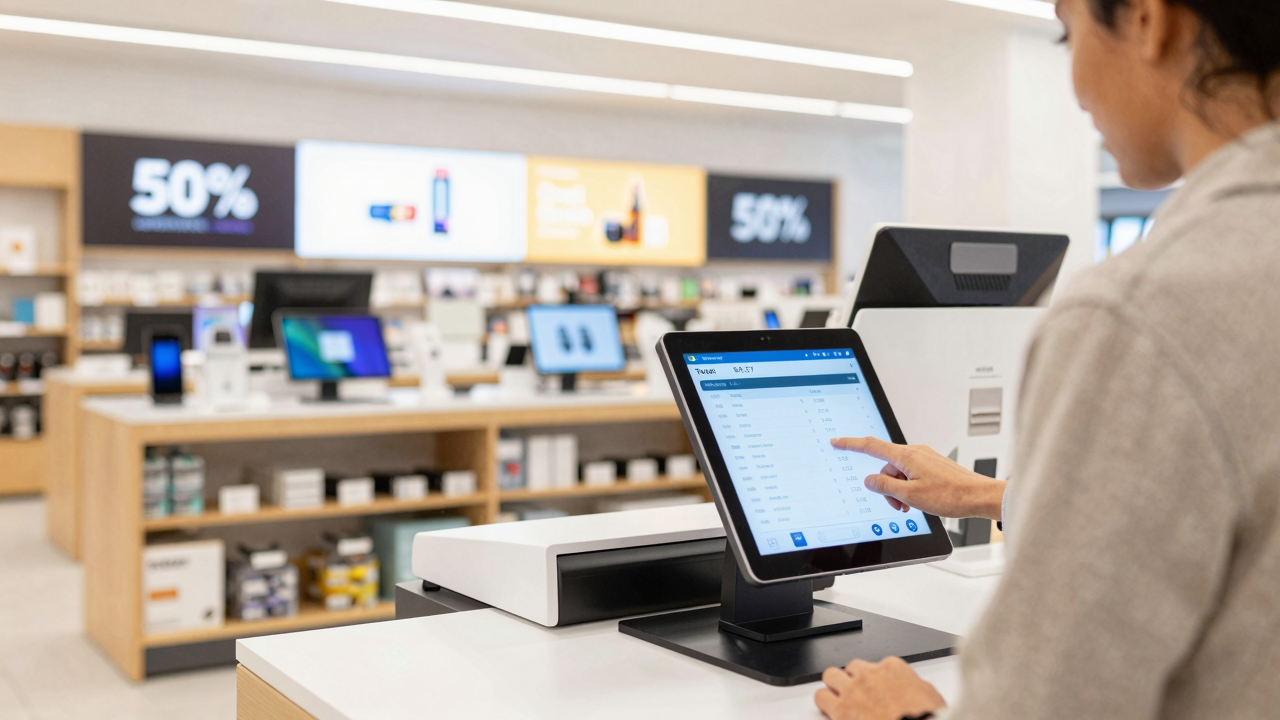
To boost your retail business, start by implementing a robust POS system for quicker transactions. Next, use a CRM tool to strengthen customer relationships through personalized marketing. Focus on automated inventory management to keep stock in check, and consider AI to enhance customer interactions. Finally, invest in smart loss prevention technologies to reduce shrinkage. By taking these steps, you can streamline operations, improve customer satisfaction, and ultimately drive sales growth in your retail environment.
[embedded content]
Image via Google Gemini and Small Business Trends