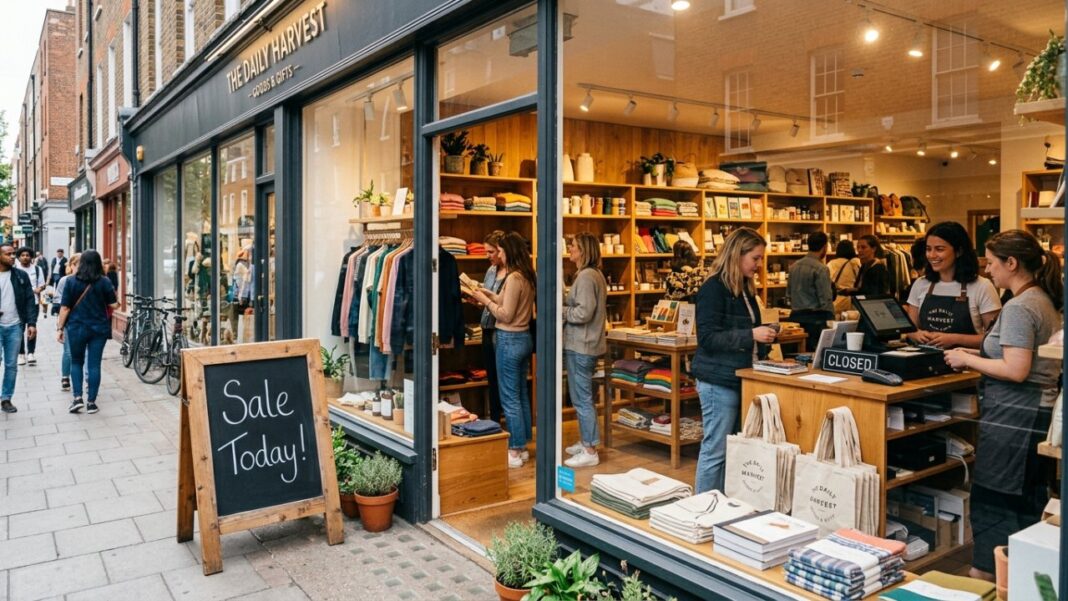

To drive retail sales effectively, focus on five key strategies. First, invest in training your staff; a knowledgeable team can increase sales markedly. Next, personalize your customer service by actively listening and tailoring your approach. Implement loyalty programs to encourage repeat business, and design your store layout to highlight high-margin items. Ultimately, use data to inform decisions about inventory and staffing. By mastering these strategies, you can set your business up for success. What comes next?
Key Takeaways
- Invest in staff training to enhance sales performance and customer service, boosting sales by up to 30%.
- Implement personalized customer service through active listening and tailored assistance to foster trust and increase sales.
- Develop loyalty programs that encourage repeat purchases and strengthen brand connections, influencing 83% of consumer buying choices.
- Optimize store layouts to strategically guide customers toward high-margin items and encourage impulse buys with effective signage.
- Utilize data-driven decisions to analyze purchase patterns and customer behavior, enabling smarter inventory management and promotional strategies.
Training Staff: The Key to Boosting Sales
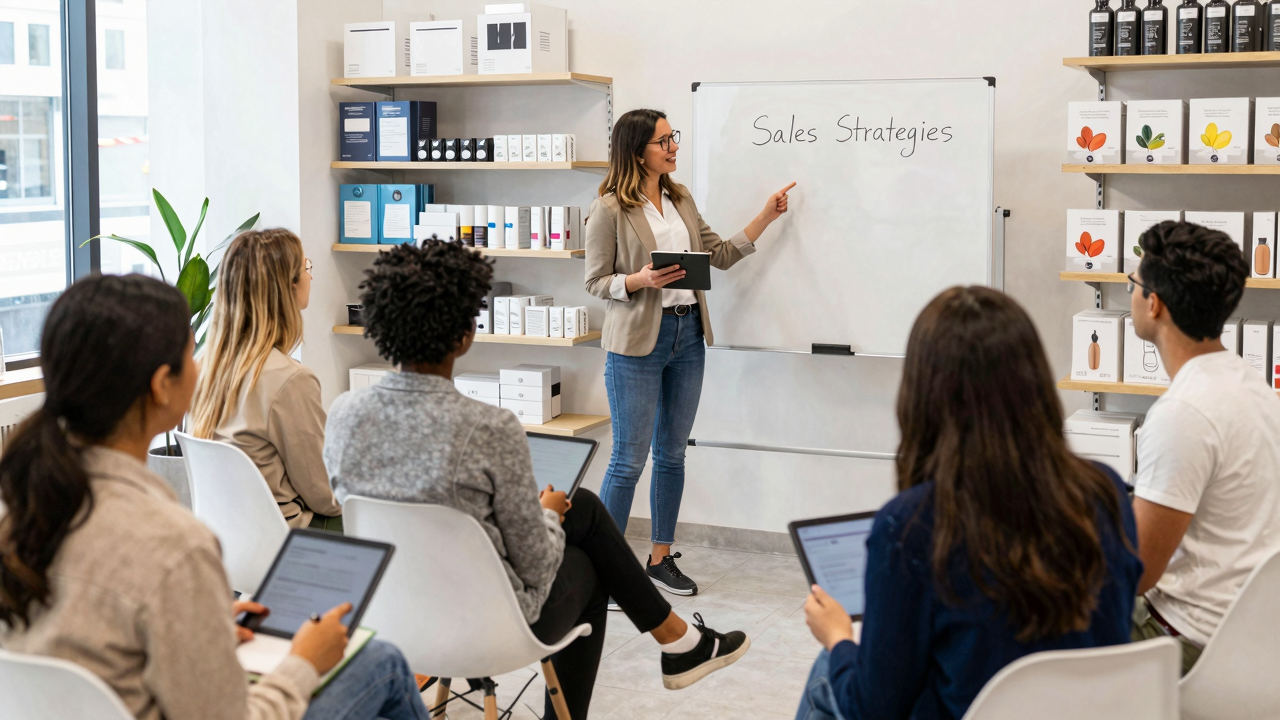
When you invest in training your staff, you’re not just improving their skills; you’re enhancing your entire sales performance. A well-trained team can boost sales by up to 30%, making ongoing training essential for retaining knowledge and applying skills effectively.
Regular training sessions keep your associates updated on the latest sales techniques, enabling them to engage customers better. Confident staff, equipped with product knowledge, can recommend effective solutions, creating a more personalized experience that drives sales in retail.
To maximize your foot traffic business, focus on practical training methods that allow employees to apply their knowledge in real-world situations. For instance, role-playing scenarios can help staff practice customer interactions.
Additionally, encourage feedback and provide refresher courses to guarantee your team remains sharp. By prioritizing training, you not only increase sales but also foster customer loyalty, as shoppers appreciate knowledgeable associates who offer tailored service.
Why Does Personalized Customer Service Boost Sales?
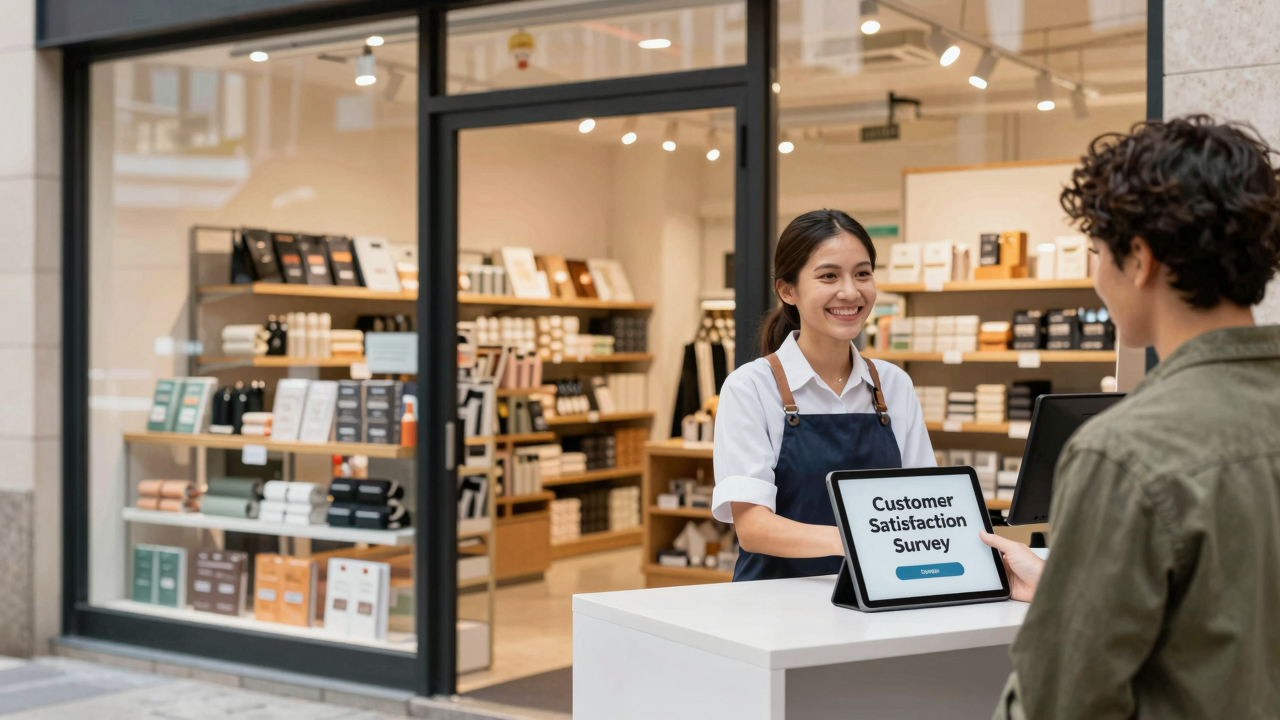
Personalized customer service boosts sales because it makes shoppers feel valued and understood. When you offer tailored assistance, like product demonstrations and active listening, customers are more likely to have a positive experience. This approach can lead to a 30% increase in sales performance. Here’s how you can implement personalized service effectively:
| Action | Benefit | Example |
|---|---|---|
| Train staff thoroughly | Confident product knowledge | Role-playing scenarios |
| Encourage active listening | Builds rapport and trust | Ask open-ended questions |
| Communicate brand standards | Guarantees consistent experiences | Regular team meetings |
How Loyalty Programs Drive Repeat Purchases
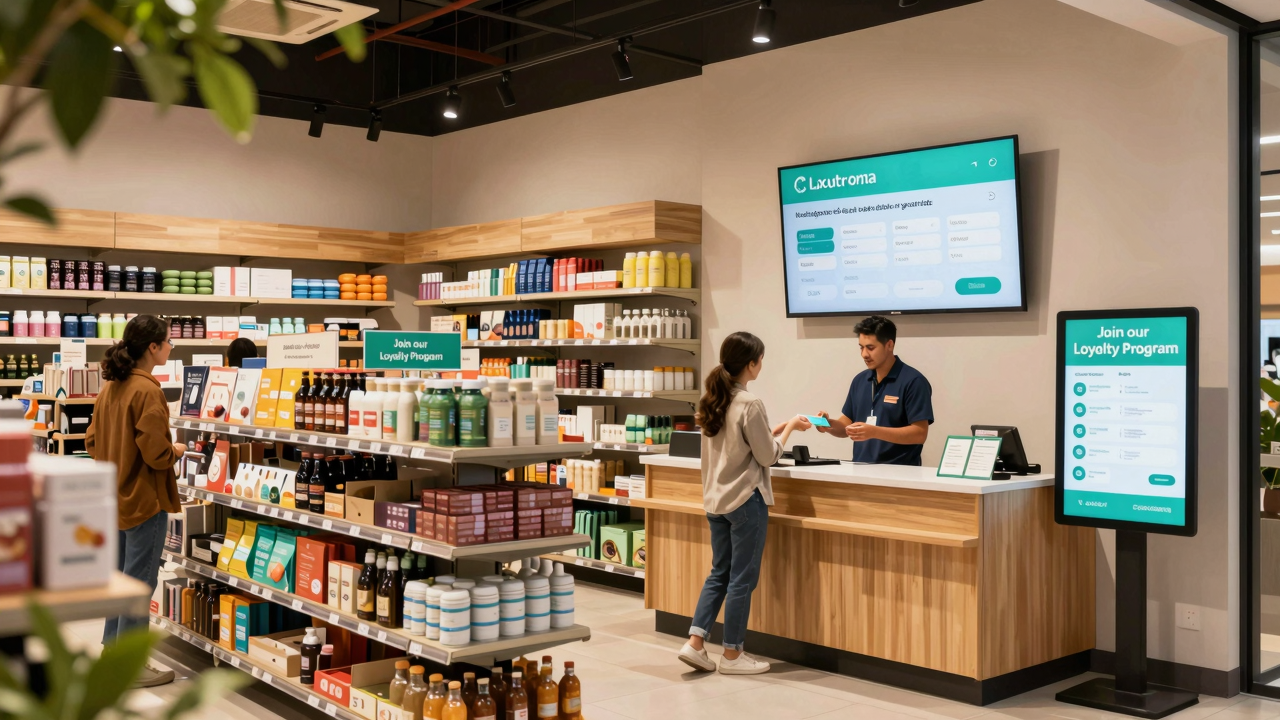
Loyalty programs can greatly boost your repeat purchases by creating a strong connection between your brand and customers. When you implement an effective program, you can see significant benefits:
- Reward repeat customers: About 83% of consumers say membership influences their buying choices.
- Use points-based rewards: Encourage customers to spend more to reach thresholds for earning benefits.
- Introduce tiered membership levels: Offer exclusive perks that enhance loyalty and motivate further purchases.
- Provide surprise discounts: Early access to new products makes members feel valued, encouraging repeat visits.
- Focus on long-term value: A well-structured program can increase a customer’s lifetime value, laying the groundwork for sustained revenue growth.
Store Layouts That Boost Customer Engagement
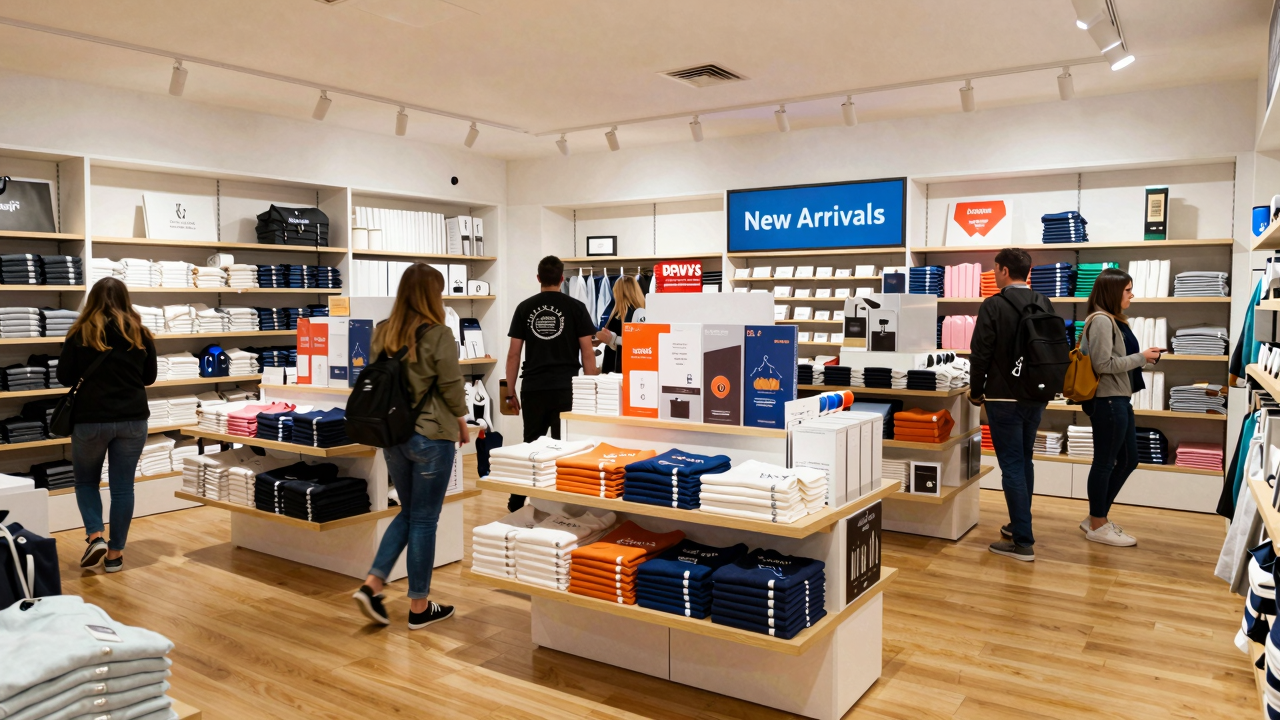
Creating a strong connection with your customers goes beyond just loyalty programs; store layout plays a key role in enhancing their shopping experience.
Start by guiding shoppers toward high-margin items through a strategic layout. Place promotional items in high-traffic areas to capture attention and encourage impulse buys.
Optimize your checkout zones with clear signage that facilitates last-minute purchases, making it easy for customers to navigate and discover products.
Invest in engaging visual merchandising—well-organized displays and inviting setups can lead to longer shopping durations and increased transaction values.
Finally, create an inviting atmosphere through thoughtful design. Encourage exploration by leaving open spaces and using warm colors.
When customers feel comfortable and engaged, they’re more likely to return for future visits.
Using Data to Make Smarter Retail Decisions
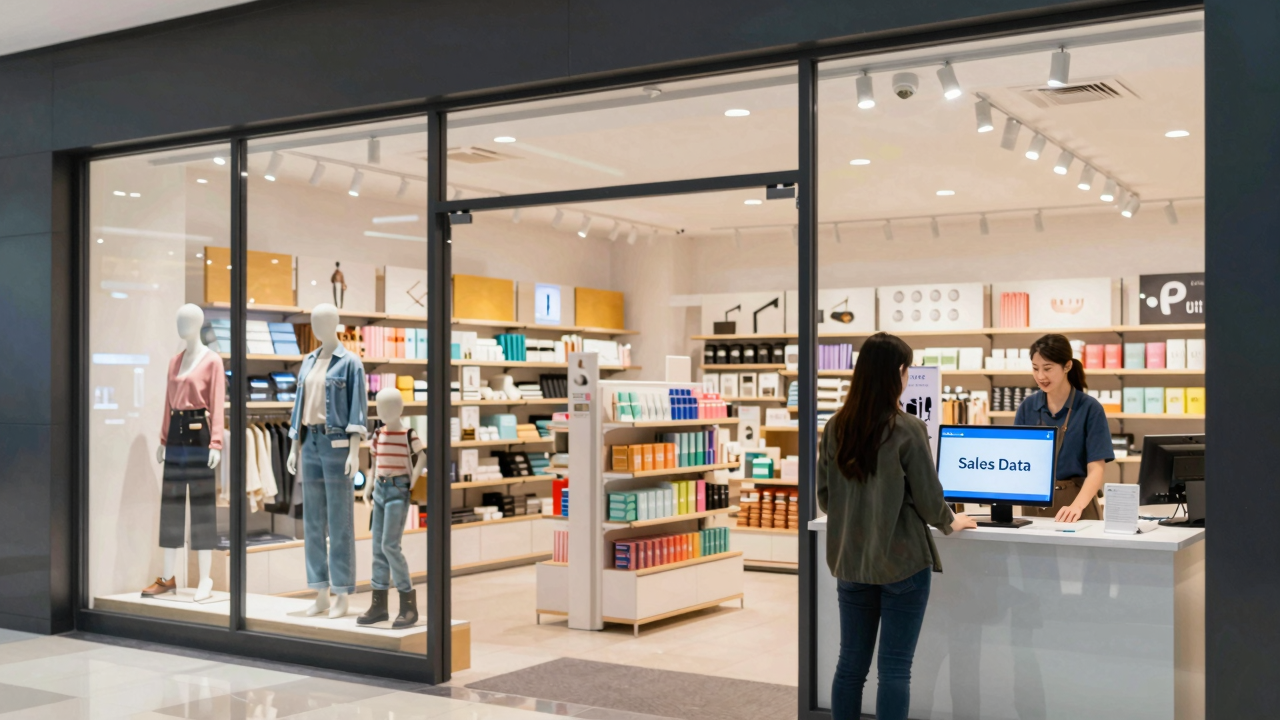
To make smarter retail decisions, you need to harness the power of data analytics effectively. By focusing on key insights, you can optimize your operations and boost sales.
Here are some actionable steps to contemplate:
- Analyze purchase patterns to keep popular items in stock, meeting customer demand.
- Understand peak shopping hours through data, allowing you to adjust staffing levels for better service during busy times.
- Monitor sales per labor hour to identify productivity trends and improve workforce management.
- Utilize customer behavior data for strategic product placements, positioning high-margin items where they’ll attract more attention.
- Leverage real-time analytics to adjust promotions and inventory swiftly, maximizing sales opportunities and reducing stockouts.
Frequently Asked Questions
What Is the 3-3-3 Rule in Sales?
The 3-3-3 Rule in sales means you make three calls, send three emails, and connect with three social media contacts within a set timeframe.
This approach keeps your outreach consistent and effective. By using different communication methods, you cater to various preferences, which helps you engage potential customers better.
Stick to this rule regularly to improve your follow-up rates and build stronger relationships that can lead to more sales opportunities.
What Are the 5 C’s of Sales?
The 5 C’s of sales are Customer, Cost, Convenience, Communication, and Consistency.
First, identify your customer’s needs to personalize your approach.
Next, consider the cost to guarantee competitive pricing.
[embedded content]
Make purchasing convenient by offering various payment methods.
Communicate clearly with customers to build trust and enhance their experience.
Finally, maintain consistency across all platforms so customers receive the same quality service, regardless of where they shop.
Implement these steps for better sales outcomes.
What Are the 5 P’s of Retail?
The 5 P’s of retail are Product, Price, Place, Promotion, and People.
Focus on offering quality products that meet customer needs. Set competitive prices and use promotions to attract customers.
[embedded content]
Choose an accessible location and design your store layout to guide shoppers effectively.
Finally, train your staff to improve customer interactions and sales.
[embedded content]
What Are the 7 P’s in Sales?
The 7 P’s in sales are Product, Price, Place, Promotion, People, Process, and Physical evidence.
First, make certain your product meets customer needs.
Next, set a competitive price that encourages purchases.
Choose the right place for distribution, optimizing store layout for easy access.
Use effective promotions to attract customers.
Focus on training your people for excellent service, streamline your processes for efficiency, and enhance physical evidence, like packaging, to boost your brand image.
Conclusion
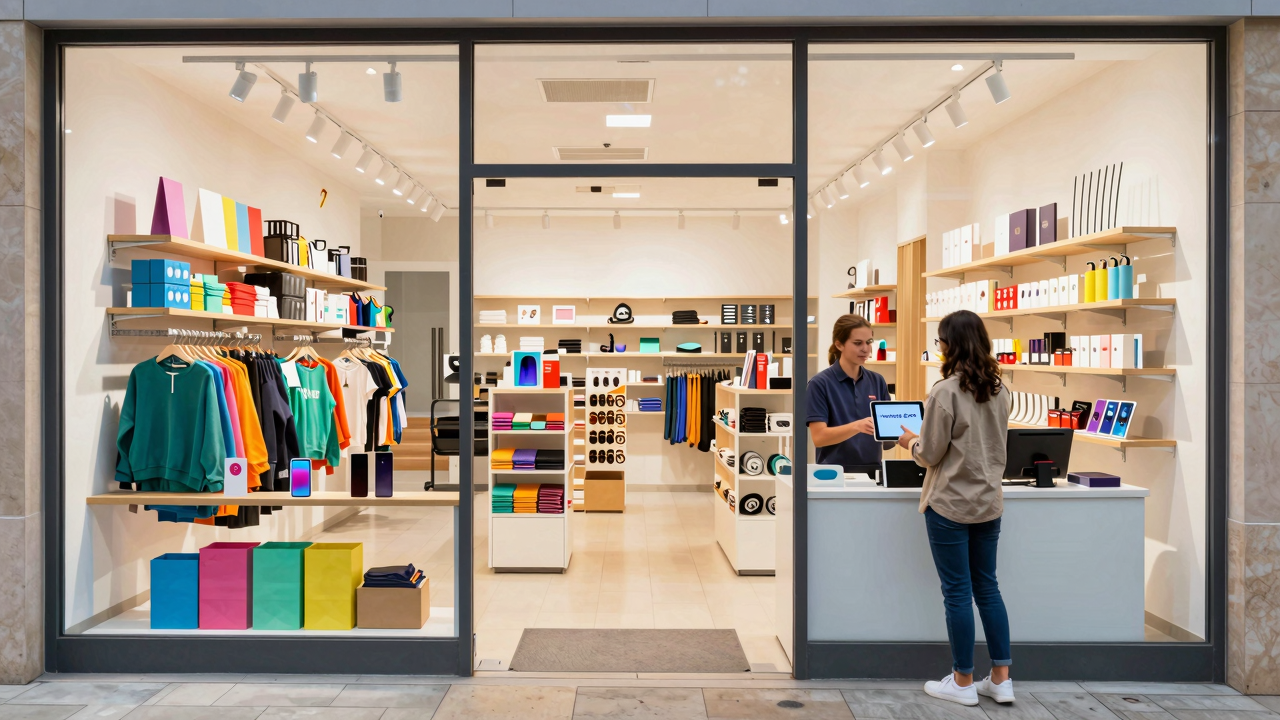
To drive retail sales effectively, focus on training your staff, enhancing customer service, implementing loyalty programs, designing strategic store layouts, and using data for informed decisions. Start by investing in staff training to improve their skills, then personalize interactions to build strong customer relationships. Introduce a loyalty program to boost repeat purchases, and carefully plan your store layout to highlight high-margin products. Finally, analyze customer data to optimize inventory and staffing, ensuring you’re always meeting customer needs.
Image via Google Gemini and Small Business Trends