
This post was originally published on this site.
In conflict resolution training, you gain seven vital skills that greatly improve your interactions. These skills encompass active listening, emotional intelligence, and collaborative problem-solving, among others. Each skill plays an important role in steering disputes effectively. For instance, comprehending body language can improve your nonverbal communication, as well as critical thinking allowing for objective evaluations. Acquiring these skills not solely helps in resolving conflicts but additionally nurtures healthier relationships. What strategies can you implement to develop these abilities further?
Key Takeaways
- Enhanced active listening skills improve understanding and validate concerns, fostering open dialogue during conflicts.
- Emotional intelligence helps recognize and manage personal triggers, enabling more empathetic interactions.
- Collaborative problem-solving techniques encourage mutual benefit and innovative solutions through shared interests.
- Assertiveness training promotes clear expression of thoughts while respecting others’ perspectives in discussions.
- Improved body language awareness enhances nonverbal communication, building trust and reducing misunderstandings during conflict resolution.
Active Listening and Effective Communication

When you engage in conflict resolution, active listening and effective communication are vital skills that can greatly improve outcomes. Active listening requires you to focus fully on the speaker, maintain eye contact, and use reflective listening techniques to validate their concerns. This practice encourages open dialogue, enabling you to uncover underlying issues and collaboratively seek solutions, which boosts teamwork.
Effective communication emphasizes clarity and respect, allowing you to express your thoughts constructively as you consider others’ feelings.
Conflict resolution training, especially workplace conflict resolution training, provides you with these fundamental skills. By participating in conflict resolution programs, you learn to reduce misunderstandings and misinterpretations—common sources of workplace conflict.
Incorporating positive communication techniques, like asking open-ended questions and summarizing key points, not just facilitates productive conversations but likewise strengthens professional relationships among colleagues, creating a more harmonious work environment.
Emotional Intelligence and Empathy

Emotional intelligence and empathy play crucial roles in conflict resolution by helping you understand your emotional triggers and those of others.
By building empathetic connections, you can create a supportive environment that cultivates open dialogue and collaboration.
Enhancing your interpersonal relationships through these skills not just improves conflict outcomes but additionally contributes to a more positive atmosphere in any setting.
Understanding Emotional Triggers
Recognizing your emotional triggers is vital for enhancing your emotional intelligence and cultivating effective conflict resolution. When you understand your personal responses to stressors, you can better manage your emotions and those of others, which is fundamental for empathy.
This skill allows you to appreciate and validate others’ feelings, creating a collaborative atmosphere during disagreements. Conflict resolution training courses often emphasize this aspect, teaching you how to identify emotional triggers and improve self-regulation.
Building Empathetic Connections
Building empathetic connections is a crucial skill that complements your comprehension of emotional triggers. In a conflict resolution class, you’ll learn how to improve your emotional intelligence, which is fundamental for managing your emotions during disagreements.
Empathy helps you understand and validate your colleagues’ feelings, nurturing a collaborative atmosphere that reduces defensiveness. By participating in the best conflict resolution programs, you’ll develop active listening skills that allow you to respond to others’ emotional needs effectively.
This training can transform conflicts into productive dialogues, leading to innovative solutions and enhanced workplace harmony. Research shows that leaders with emotional intelligence are more adept at steering sensitive situations, making the best conflict resolution certification a worthwhile investment in your professional development.
[embedded content]
Enhancing Interpersonal Relationships
In regards to enhancing interpersonal relationships, grasping emotional intelligence and empathy is essential for effective conflict resolution. By recognizing and managing your own emotions, you can better empathize with others, nurturing stronger connections. Training in empathy helps you appreciate diverse perspectives, which reduces defensiveness and boosts communication among team members. This leads to higher trust levels, as individuals feel understood and valued, promoting collaboration. Active listening, emphasized in conflict resolution training, validates feelings and supports healthier interactions. Organizations prioritizing emotional intelligence often see increased employee satisfaction and lower turnover rates.
| Skill | Benefit | Outcome |
|---|---|---|
| Emotional Intelligence | Recognize and manage emotions | Stronger relationships |
| Empathy | Understand diverse perspectives | Improved communication |
| Active Listening | Validate others’ feelings | Healthier interactions |
Collaborative Problem-Solving Techniques

When you engage in collaborative problem-solving, you start by identifying common goals that all parties can agree on.
This unified focus helps everyone generate creative solutions that address the root of the conflict as well as meeting diverse needs.
Identifying Common Goals
Identifying common goals is fundamental in resolving conflicts effectively, as it lays the groundwork for collaboration and mutual insight. When you focus on shared interests, it creates a unified approach that promotes teamwork.
Engaging in collaborative discussions helps uncover these interests, which can lead to solutions that benefit everyone involved. Effective communication and active listening are vital in this process; they allow you to express your needs as you comprehend others’ perspectives.
Brainstorming sessions can be instrumental, as they encourage all stakeholders to contribute ideas, ensuring diverse viewpoints are considered. Techniques like negotiation and compromise can transform conflicts into opportunities for growth, eventually enhancing team dynamics and productivity.
[embedded content]
Generating Creative Solutions
Generating creative solutions through collaborative problem-solving techniques not merely addresses conflicts but furthermore encourages a cooperative atmosphere among team members.
By working together, you can define the problem, brainstorm options, evaluate solutions, and reflect on outcomes to guarantee everyone’s needs are met. This approach cultivates teamwork and unity, as diverse perspectives lead to innovative solutions.
Techniques like active listening, empathy, and open-ended questioning are crucial; they clarify misunderstandings and facilitate constructive dialogue. Engaging in this collaborative process often results in win-win agreements, strengthening professional relationships and improving team dynamics.
In the end, these skills not only resolve conflicts but also improve overall productivity and workplace morale, creating a more positive environment for everyone involved.
Negotiation Skills and Willingness to Compromise

Effective negotiation skills are essential for resolving conflicts, as they allow you to express your needs and interests clearly during open dialogue between parties.
A willingness to compromise is vital in this process, helping you find middle ground through concessions that address everyone’s core interests.
Here are four key aspects of negotiation skills and compromise:
- Articulate Your Needs: Clearly express what you want, making it easier for others to understand your perspective.
- Collaborative Problem-Solving: Engage with others to explore diverse viewpoints, leading to innovative solutions.
- Maintain Relationships: Focus on trust and respect, which are crucial for successful negotiations and future interactions.
- Practice Through Role-Playing: Simulate real-world scenarios to build confidence and improve your negotiation skills effectively.
Body Language and Nonverbal Communication

Comprehending body language and nonverbal communication plays a considerable role in conflict resolution, complementing negotiation skills and the willingness to compromise. Body language includes nonverbal cues like facial expressions, gestures, and posture, which can often communicate intentions and emotions more effectively than words. Research shows that about 55% of communication occurs through body language, highlighting its importance in resolving conflicts.
Mastering nonverbal communication enables you to navigate tense situations, cultivating trust and demonstrating empathy toward conflicting parties. Being aware of body language can minimize misunderstandings, as subtle cues often reveal feelings that may remain unspoken.
Practicing effective body language, such as maintaining eye contact and adopting an open posture, improves your interpersonal interactions. This practice not only conveys openness but additionally promotes a collaborative atmosphere, making it easier to resolve conflicts constructively. By honing these skills, you can greatly improve your conflict resolution abilities.
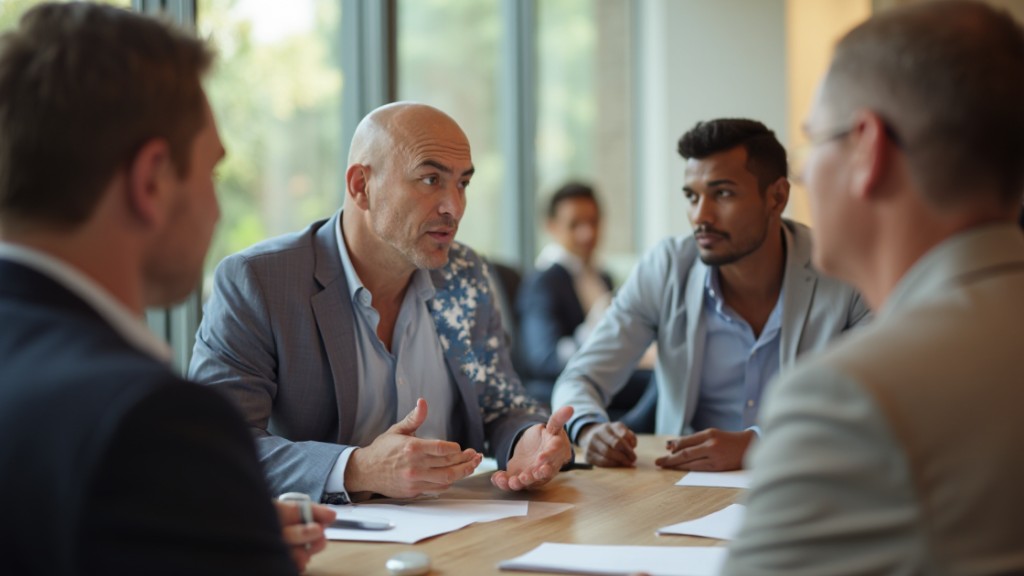
When conflicts arise, conflict mediation and facilitation become vital tools for resolving disputes effectively. These processes allow a neutral third party to guide discussions, helping involved parties reach mutually acceptable solutions.
Here are key aspects to reflect on:
- Creating a Safe Space: Facilitators establish an environment where all participants feel comfortable sharing their concerns openly.
- Active Listening: Effective mediation includes techniques that focus on listening actively and validating each person’s feelings to promote empathy.
- Balanced Dialogue: Good facilitators guarantee that everyone’s voice is heard, preventing dominant personalities from overshadowing quieter participants.
- Structured Framework: Successful mediation follows a clear process, including problem identification, brainstorming solutions, and setting follow-up measures to confirm that agreements are upheld.
Critical Thinking and Assertiveness

Developing critical thinking and assertiveness skills is fundamental for effectively managing conflicts in both personal and professional environments.
Critical thinking allows you to evaluate situations objectively, identify underlying issues, and generate creative solutions. By analyzing conflicts from multiple angles, you improve your decision-making and encourage innovative problem-solving approaches.
Assertiveness, conversely, is important for clearly expressing your thoughts and feelings whilst respecting the perspectives of others. This skill promotes open dialogue and helps reduce misunderstandings.
[embedded content]
With assertiveness training, you learn to balance your needs with those of others, enabling you to advocate for your viewpoints without jeopardizing relationships.
Together, critical thinking and assertiveness are indispensable for maneuvering complex workplace dynamics. They empower you to engage in constructive conversations that lead to mutually beneficial outcomes, making you a more effective communicator and collaborator in various settings.
Frequently Asked Questions

What Are the 5 Skills for Conflict Resolution?
To effectively resolve conflicts, you need five key skills: active listening, which helps you understand others; emotional regulation, allowing you to stay calm under pressure; empathy, enabling you to connect with others’ feelings; problem-solving, which assists you in identifying solutions; and assertive communication, helping you express yourself clearly.
Perfecting these skills can greatly improve your ability to navigate disputes, nurturing collaboration and better relationships in both personal and professional environments.
Why Is Conflict Resolution Training Important?
Conflict resolution training is important as it helps you develop crucial skills for managing disagreements effectively.
By learning techniques to communicate and collaborate, you can cultivate a more positive work environment. This training not merely improves team productivity but likewise reduces employee turnover by enhancing relationships.
Furthermore, it boosts emotional intelligence, which contributes to higher job satisfaction and morale.
In the end, conflict resolution training equips you to handle challenges constructively, benefiting the entire organization.
What Are the Learning Outcomes of Conflict Resolution Course?
In a conflict resolution course, you’ll learn key outcomes that improve your professional skills.
You’ll develop effective communication abilities, focusing on active listening and empathy, which help manage disagreements. The course teaches collaborative problem-solving techniques, enabling you to identify win-win solutions.
You’ll likewise enhance your emotional regulation, increasing resilience in tough situations. Furthermore, you’ll gain practical mediation skills and insights into legal aspects of employee relations, preparing you for various workplace challenges.
What Are the Most Beneficial and Critical Skills in Conflict Resolution?
In conflict resolution, critical skills include active listening, which helps you engage fully with others, nurturing comprehension.
Empathy allows you to validate emotions, reducing defensiveness.
Emotional regulation keeps you composed, preventing escalation during disputes.
Assertive communication enables you to express thoughts respectfully, ensuring everyone feels valued.
Moreover, strong problem-solving skills help identify the root causes of conflicts and generate creative solutions, transforming disputes into opportunities for constructive dialogue and collaboration.
Conclusion

In conclusion, conflict resolution training equips you with vital skills necessary for traversing interpersonal challenges. By mastering active listening, emotional intelligence, and collaborative problem-solving, you improve your ability to communicate effectively. Developing negotiation skills and comprehending body language further aids in achieving mutually beneficial outcomes. Moreover, honing critical thinking and assertiveness empowers you to approach conflicts with confidence. These skills collectively cultivate a constructive atmosphere, promoting healthier relationships personally and professionally, ultimately leading to more successful resolutions.
Image via Google Gemini and ArtSmart