
This post was originally published on this site.
You need to understand retail shopper insights to boost your sales strategies effectively. Start by analyzing customer demographics and shopping behaviors. Use both surveys and observational methods to gather data. Map the shopper journey to identify key touchpoints where you can engage customers. Implement feedback loops to refine your approach consistently. With these steps, you’ll create a stronger connection with your shoppers. But what specific techniques can you apply to make these insights actionable?
Key Takeaways
- Shopper insights reveal consumer motivations and behaviors, essential for crafting effective sales strategies that resonate with target audiences.
- Utilizing both quantitative and qualitative methods ensures comprehensive data collection for accurate shopper profiling and trend analysis.
- Tailoring marketing strategies based on identified shopper profiles enhances personalization, leading to increased customer engagement and loyalty.
- Analyzing purchase timing and patterns allows retailers to optimize inventory and store layouts, boosting foot traffic and conversion rates.
- Embracing advanced technologies and omnichannel approaches can further enhance personalized shopping experiences and adapt to evolving consumer expectations.
Understanding Shopper Insights: What They Are and Why They Matter

Shopper insights are essential for understanding how consumers make decisions and what drives their shopping behaviors. These insights, defined as the information that reveals shoppers’ motivations and actions, play a vital role in retail strategy.
By engaging in shopper marketing research, you can discover who your shoppers are, what products they buy, when and where they shop, and why they choose specific items.
To effectively gather this information, combine quantitative methods, like surveys and data analytics, with qualitative approaches such as interviews and observations. This blend gives you a thorough view of shopping habits.
Utilizing these retail shopper insights allows you to adapt to changing consumer trends, identify variations in behavior across market segments, and enhance customer loyalty.
Implementing a strong shopper insights program can drive strategic decision-making and innovation, ultimately helping your business understand and meet the needs of your customers better.
Key Components of Shopper Insights
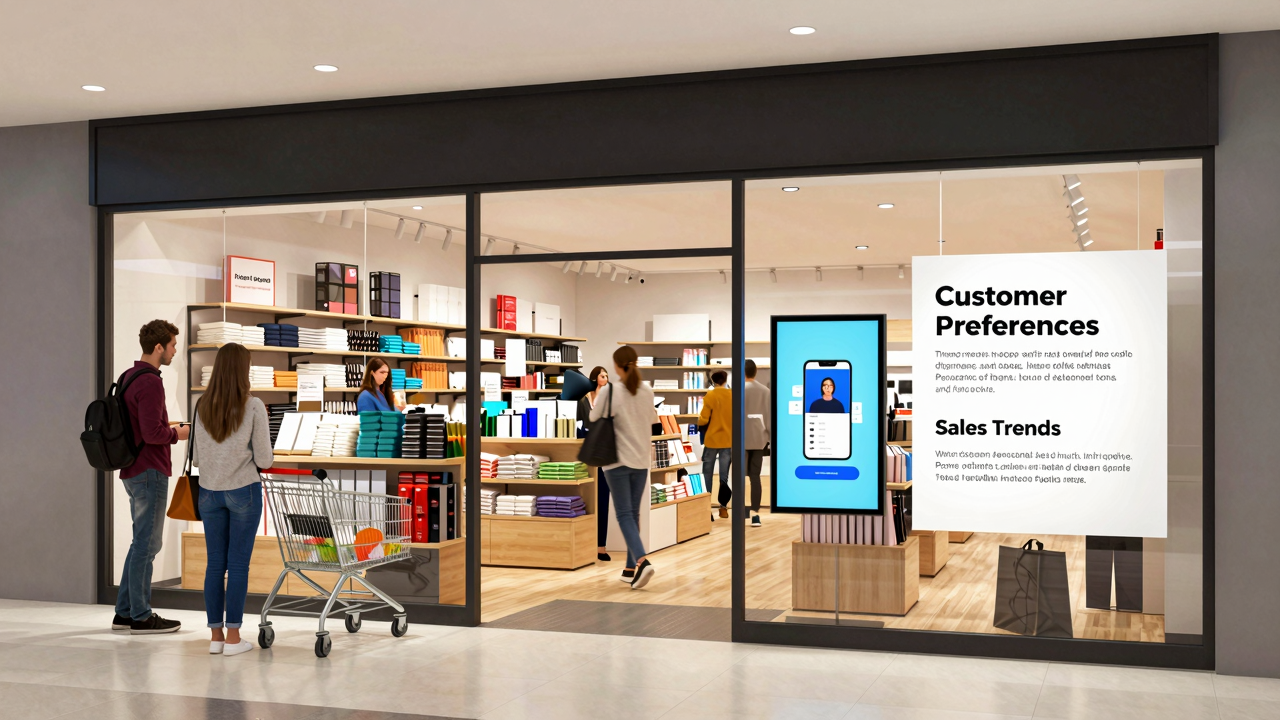
Understanding shopper insights starts with key components like shopper profiles and purchase timing.
You need to analyze your target audience by looking at demographics and preferences, which will help you tailor your marketing strategies effectively.
Additionally, tracking when purchases happen allows you to align inventory with peak shopping times, ensuring you’re ready to meet demand when it matters most.
Shopper Profiles Overview
When you explore shopper profiles, you’ll discover essential components that can greatly impact your marketing strategies.
These elements provide valuable insights into consumer behavior, making your approach more targeted and effective.
Key components to focus on include:
- Demographics: Understand who your shoppers are, their age, gender, and income levels.
- Shopping Behaviors: Identify how often they shop and their preferred shopping methods, whether online or in-store.
- Preferences: Analyze specific items purchased, such as flavors and serving sizes, to tailor your offerings.
- Motivations: Learn why shoppers choose or reject products, which enhances your category insight and overall shopper retail insight.
Utilizing this shopper research helps refine your sales strategies and boosts customer satisfaction.
Purchase Timing Insights
To effectively boost your retail strategy, focus on purchase timing insights, which reveal critical patterns in when consumers are most likely to buy. By understanding these trends, you can optimize your inventory and marketing strategies. For example, align promotions with high-traffic days like weekends or holidays, and consider specific times of day when shoppers are active, such as early mornings or late evenings.
| Timing Insights | Actionable Strategies |
|---|---|
| Peak Days (Weekends) | Schedule promotions and stock up |
| Seasonal Events (Holidays) | Prepare inventory for anticipated spikes |
| Economic Trends (Inflation) | Adjust marketing to focus on essentials |
The Difference Between Shopper Insights and Consumer Insights

While both shopper insights and consumer insights play crucial roles in retail strategy, they focus on different aspects of the buying process. Understanding these differences can boost your sales strategies effectively.
- Shopper Insights: Focus on the purchase process, examining who the shoppers are, what they buy, when they shop, where they buy, and why they make those choices.
- Consumer Insights: Center on the end user’s needs and preferences, emphasizing product-centric views based on user feedback.
- Application: Use shopper insights to inform store layouts and product placements, enhancing the shopping experience.
- Loyalty: Both insights help foster customer loyalty, but they tackle different layers of the buying experience.
How to Gather Shopper Insights: Quantitative vs. Qualitative Methods
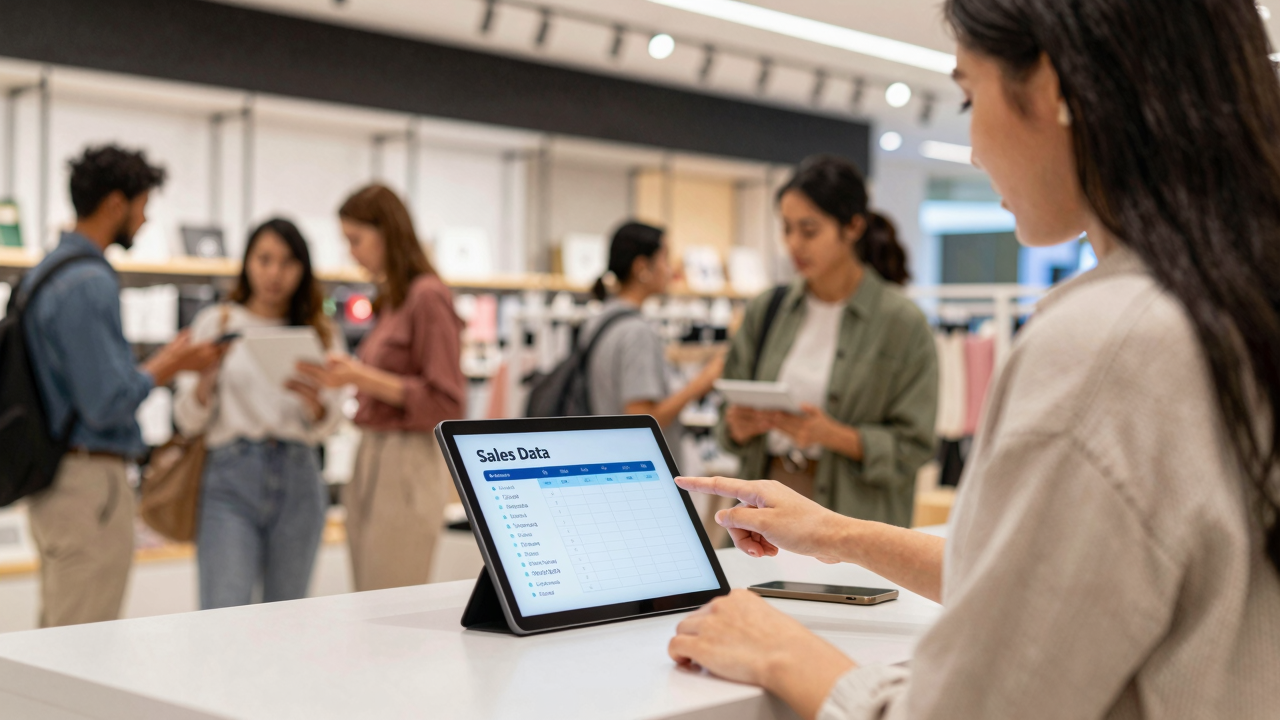
To gather effective shopper insights, you’ll want to use both quantitative and qualitative methods.
Start with quantitative techniques like online surveys and behavioral analytics to track who’s buying what and when.
Then, complement that data with qualitative approaches, such as interviews and direct observations, to uncover the motivations behind those purchases, giving you a well-rounded view of shopper behavior.
Key Quantitative Techniques
Gathering shopper insights effectively relies on key quantitative techniques that provide clear, actionable data. Here are some methods you can use:
- Shopper Profiling: Collect demographic data to understand who your customers are and tailor your marketing accordingly.
- Online Surveys: Use these to gather statistically significant data on preferences, helping you identify what drives purchasing decisions.
- Behavioral Analytics: Analyze clickstream data from your e-commerce site to track shopper behavior and predict future buying patterns.
- Trend Analysis: Examine quantitative data to pinpoint peak shopping times and seasonal trends, aiding in inventory management.
Effective Qualitative Approaches
Effective qualitative approaches can greatly enhance your understanding of shopper insights, especially when you want to dig deeper into motivations and behaviors.
Start by conducting open-ended surveys or shopper interviews to capture real-time insights into what drives purchasing decisions. Use observational studies during shopping visits to understand decision-making processes and how store layouts impact choices.
Engage shoppers in interviews to uncover emotional factors influencing their purchases. Consider organizing focus groups to explore consumer perceptions and attitudes, offering nuanced insights that numbers alone might miss.
Integrating Both Methods
While understanding shopper insights can feel overwhelming, integrating both quantitative and qualitative methods simplifies the process and enriches your findings. By combining these approaches, you can gain a more complete view of shopper behavior.
- Use quantitative methods like online surveys and behavioral analytics to gather numerical data on trends.
- Incorporate qualitative methods such as shopper interviews and open-ended surveys to explore motivations behind purchasing.
- Analyze patterns over time with quantitative data, while using qualitative insights to uncover the “why” of shopper decisions.
- Adapt your strategies based on insights from both methods, optimizing product offerings and enhancing marketing efforts.
This balanced approach leads to a deeper understanding of your customers, driving better sales strategies.
Mapping the Shopper Journey: Key Touchpoints
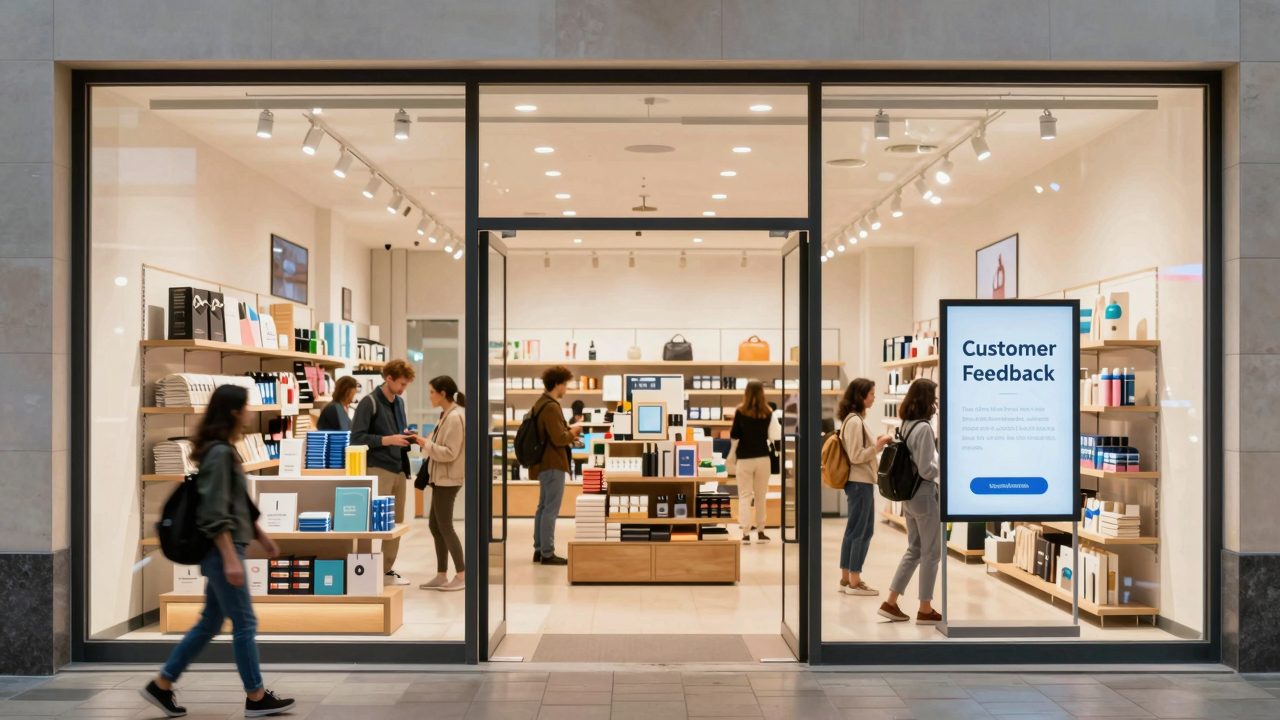
To successfully map the shopper journey, you need to identify and understand the key touchpoints where consumers interact with your brand. Start with pre-purchase research; this is where potential customers gather information online. Make sure your website is user-friendly and offers relevant content.
Next, focus on in-store exploration. Create an inviting environment that encourages shoppers to engage with your products. Use clear signage and knowledgeable staff to enhance their experience.
[embedded content]
After the purchase, don’t overlook post-purchase evaluation. Follow up with personalized messages, asking for feedback or offering product care tips. This keeps the conversation going and shows you value their opinion.
Remember, 70% of consumers prioritize customer experience, so optimizing these touchpoints is essential. By monitoring shopper behavior across these stages, you can identify trends and adapt your strategies, fostering brand loyalty and boosting overall satisfaction.
Take these steps to make each touchpoint count.
How to Use Shopper Insights to Boost Sales?
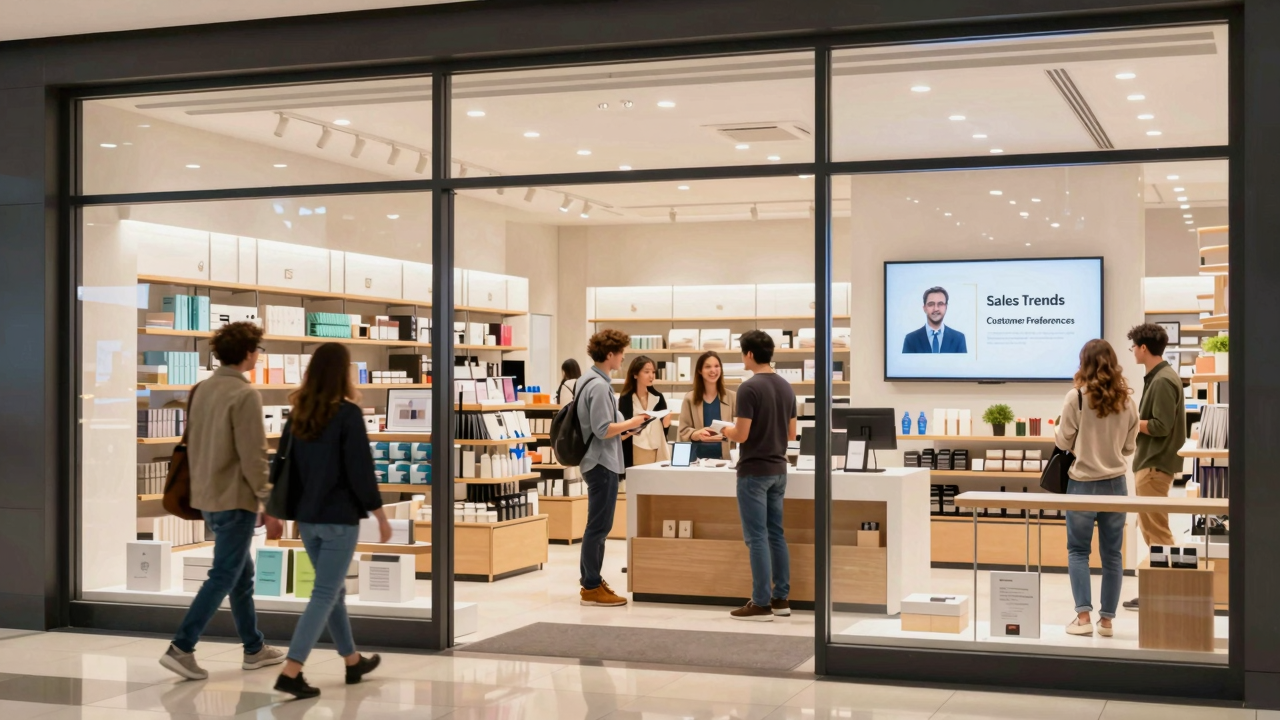
Using shopper insights effectively can transform how you boost sales, especially when you understand the specific motivations behind consumer purchases. Here are four actionable steps you can take:
- Analyze Purchase Patterns: Track when and where customers make purchases. Use this data to optimize your store layout, ensuring high-demand items are easily accessible.
- Tailor Marketing Strategies: Identify the unique motivations of your target audience. Craft marketing messages that resonate, enhancing your conversion rates.
- Understand Shopper Profiles: Explore demographics and behaviors. This knowledge allows you to create personalized experiences that encourage loyalty and repeat business.
- Align Promotions with Insights: Identify peak shopping times and customer needs. Design promotional strategies that align with these insights to effectively drive sales performance.
Personalizing Experiences With Shopper Insights

Personalizing experiences with shopper insights can greatly enhance how customers interact with your brand. By adapting your store layout and promotions based on local demand and the time of day, you create a more relevant shopping experience. Here’s a simple table to illustrate key aspects of personalization:
| Aspect | Benefits | Action Steps |
|---|---|---|
| Contextual Relevance | Improved shopper engagement | Tailor messaging to time/locality |
| Purchase Timing | Enhanced loyalty | Analyze peak shopping hours |
| Trip Missions | Targeted experiences | Identify immediate vs. exploratory needs |
Focus on understanding your customers’ motivations. For instance, 70% of consumers prefer tailored experiences, so use insights to create promotions that resonate with specific shopper segments. Integrating digital tools for personalized product stories can boost customer spending by 140%. By following these steps, you can drive sales growth and enhance customer loyalty effectively.
The Role of Technology in Gathering Shopper Insights
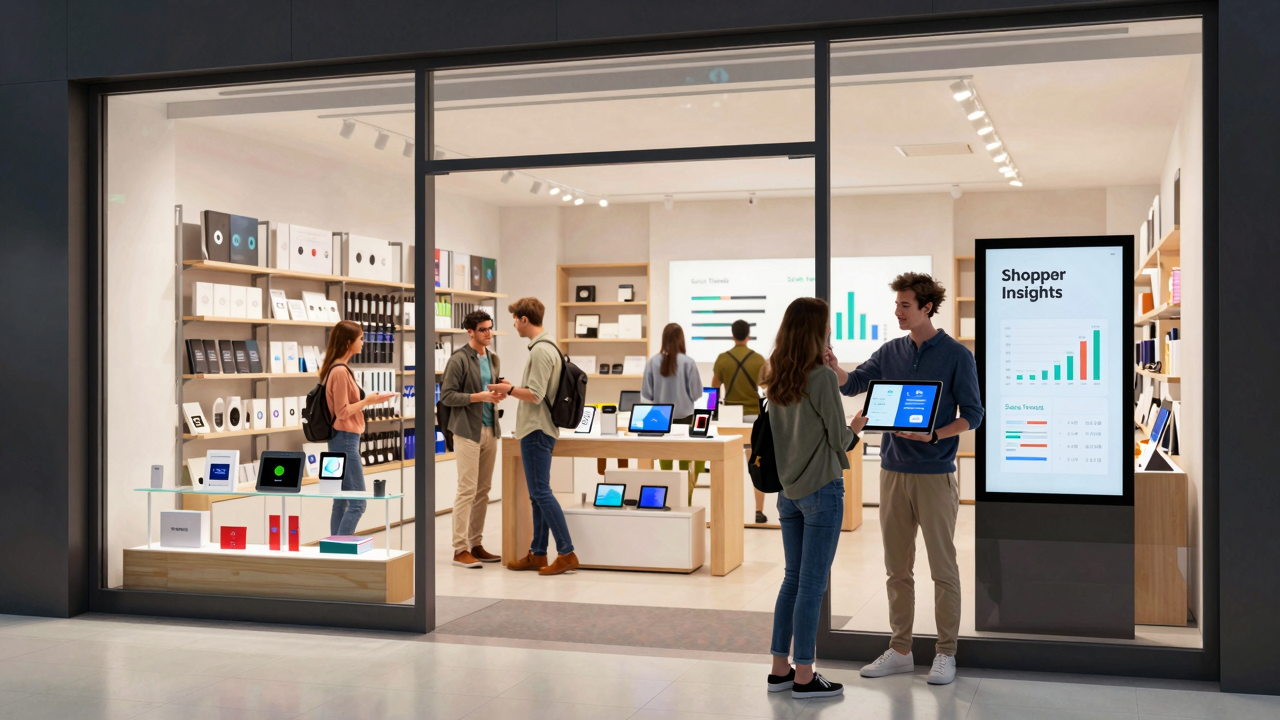
While many retailers recognize the importance of shopper insights, technology plays an essential role in effectively gathering and analyzing this data.
To enhance your understanding of shopper behavior, consider these actionable steps:
- Leverage Advanced Analytics: Use tools that track behaviors like purchase frequency and product preferences in real-time, allowing for immediate insights.
- Utilize Digital Surveys: Implement online surveys and behavioral analytics to gather quantitative data, which complements qualitative insights from interviews.
- Explore Virtual and Augmented Reality: Simulate shopping experiences to understand consumer decision-making processes better, giving you deeper insights.
- Automate Data Collection: Streamline the assessment of shopper responses with automated methods, improving both speed and accuracy in generating insights.
Emerging Trends in Digital Shopper Behavior
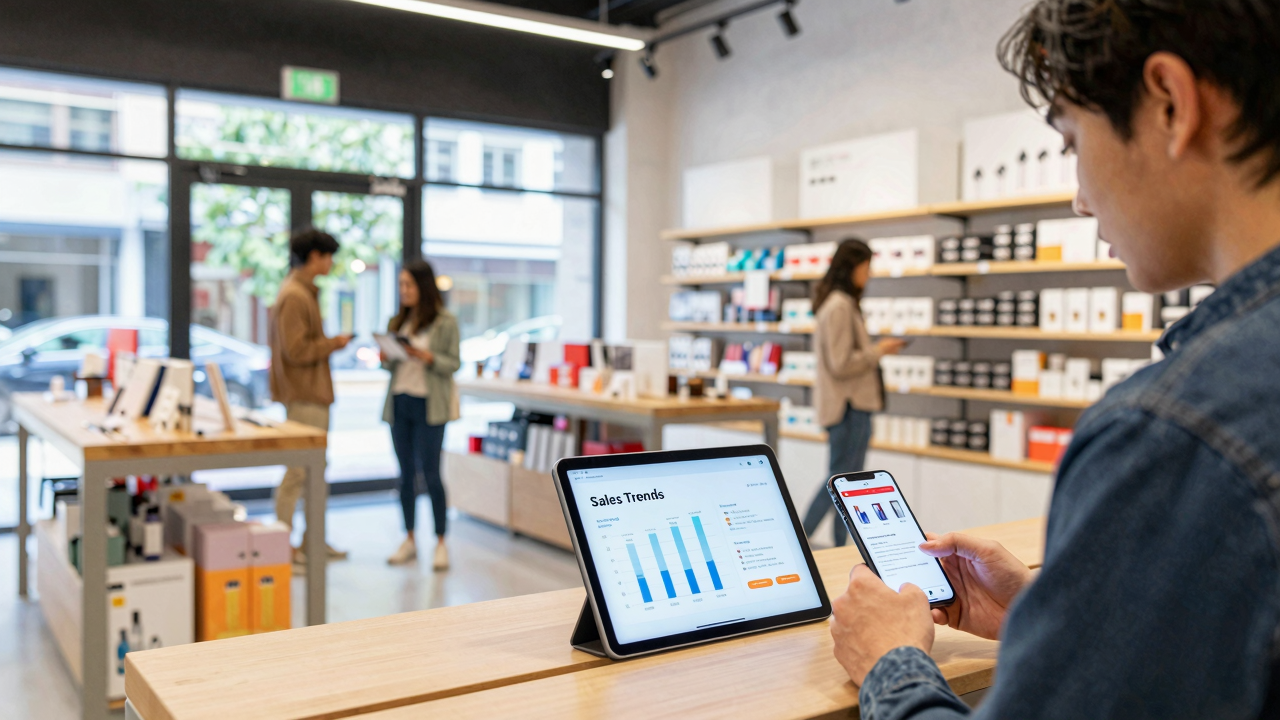
Understanding emerging trends in digital shopper behavior can greatly enhance your retail strategy. First, focus on creating purposeful engagement through digital touchpoints. Avoid clutter by offering clear, relevant information that enriches the shopping experience.
Next, consider utilizing advanced technologies like virtual reality to simulate shopper behavior. This can provide valuable insights into how customers make decisions.
Additionally, personalize the shopping experience. Shoppers now expect recommendations based on context, such as local demand or the time of day. Embrace omnichannel strategies, blending physical and digital experiences to meet these expectations.
Finally, while sustainability cues are important, communicate them simply. Clear messages make it easier for shoppers to understand their choices.
How Sustainability Influences Shopper Choices

Sustainability is quickly becoming a key factor in how shoppers make their choices. To effectively engage eco-conscious consumers, consider these strategies:
- Use Clear Symbols: Incorporate simple, intuitive eco-friendly symbols on your products. This helps shoppers recognize sustainable options quickly.
- Communicate Concisely: Keep your messaging about sustainability straightforward. Avoid dense claims, as concise information is easier for shoppers to process and remember.
- Highlight Premium Choices: Many consumers are willing to pay more for products that reflect their environmental values. Showcase sustainable options prominently to attract these shoppers.
- Build Loyalty Through Commitment: Demonstrate genuine dedication to eco-friendly practices. Regularly communicate your initiatives to foster brand loyalty among environmentally conscious consumers.
Effective Visual Merchandising With Shopper Insights
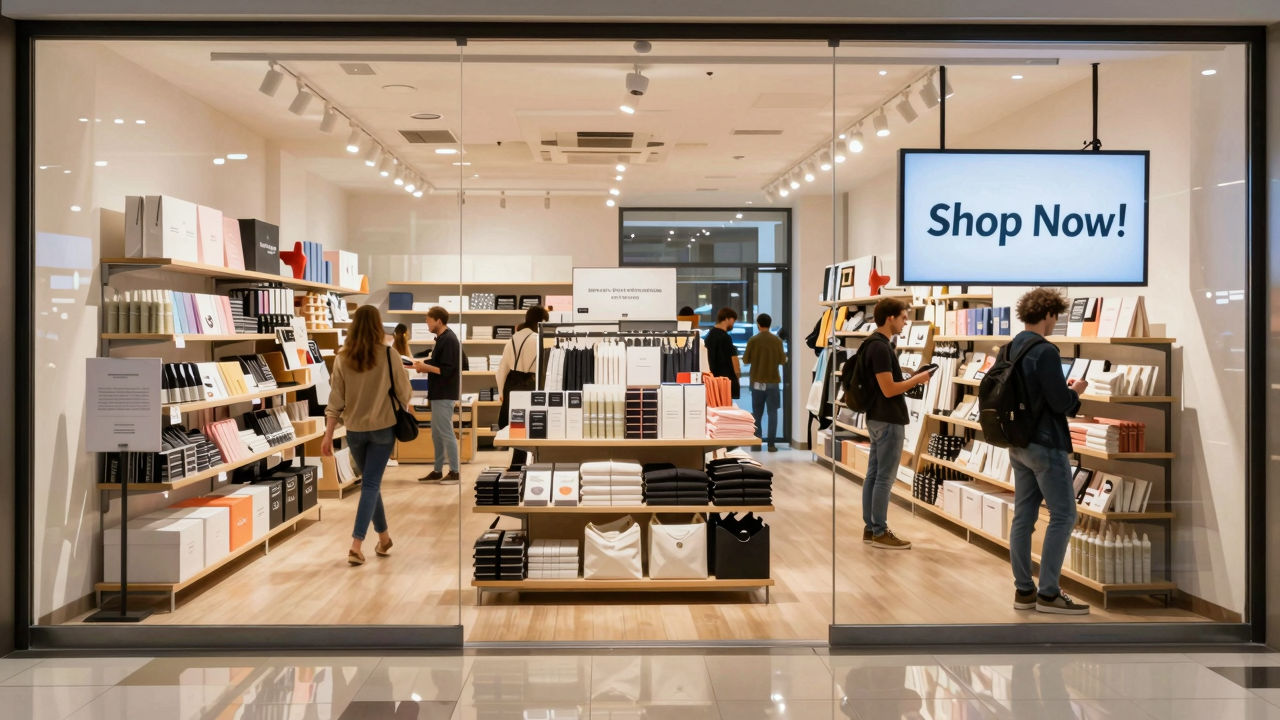
Visual merchandising plays an essential role in attracting shoppers and boosting sales, and utilizing shopper insights can greatly enhance your approach.
Start by organizing products based on consumer behaviors, ensuring high-demand items are easily accessible. This not only simplifies decision-making but also encourages quicker purchases. Use clear visual hierarchies and simplified assortments to reduce cognitive effort, making it easier for shoppers to commit.
Pay attention to peak shopping times and seasonal trends; strategically place products to maximize visibility during these periods.
Tailor your store layouts to reflect local demands and preferences, creating a personalized experience that fosters customer loyalty.
Consider innovative techniques, like virtual reality simulations, to test your visual merchandising strategies before implementing them.
Implementing Feedback Loops for Continuous Improvement
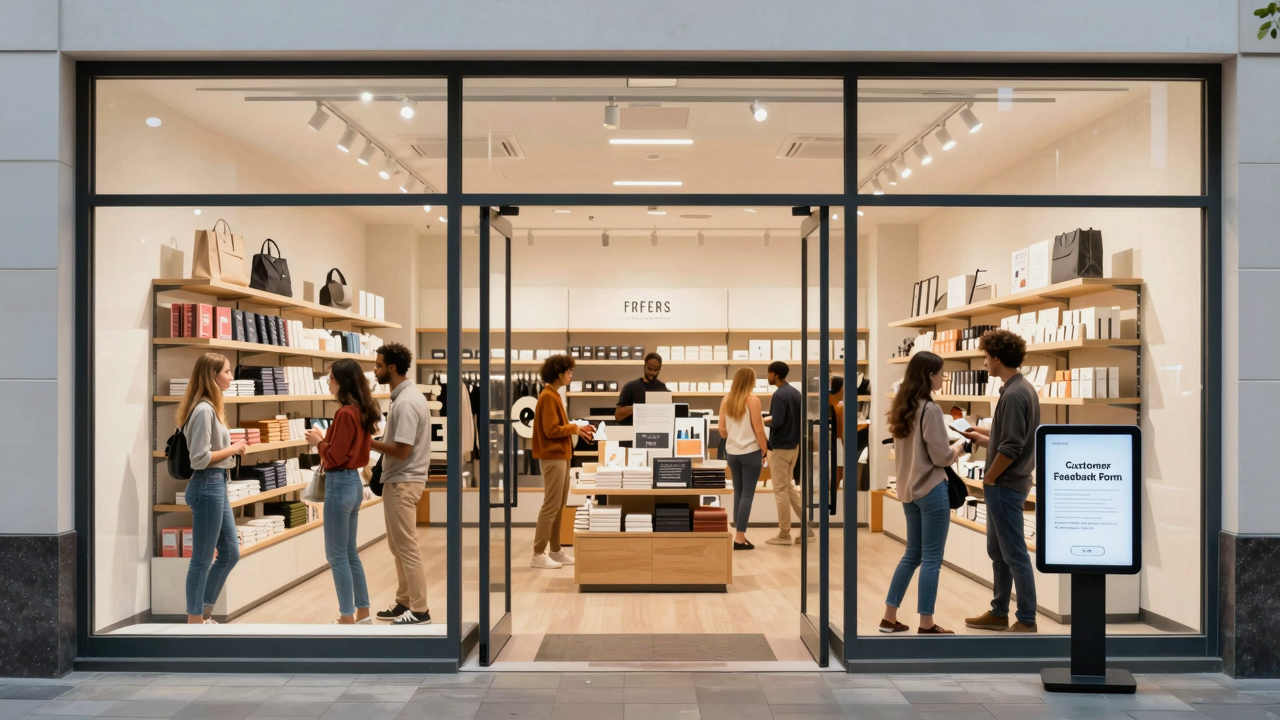
To implement effective feedback loops, start by collecting real-time insights from your shoppers through surveys and interviews.
This ongoing data collection helps you adapt your strategies as customer preferences change, allowing you to pinpoint pain points in their shopping experience.
Continuous Data Collection Methods
In today’s fast-paced retail environment, continuously collecting data is essential for staying ahead of consumer trends.
By implementing effective data collection methods, you can enhance your responsiveness to market changes. Here are four practical approaches to evaluate:
- Online Surveys: Use automated platforms to gather real-time shopper feedback on preferences.
- Shopper Interviews: Conduct direct conversations to gain deeper insights into consumer behaviors.
- Behavioral Analytics: Track shopper activity to identify significant trends and make informed decisions.
- Observational Studies: Observe in-store behaviors to understand the factors influencing purchasing choices.
Adapting Strategies Over Time
While adapting your retail strategies over time may seem challenging, implementing feedback loops can simplify the process and enhance your effectiveness.
Start by regularly gathering shopper insights through surveys and feedback mechanisms. This allows you to analyze motivations and preferences, which can greatly boost customer spending.
[embedded content]
Use both qualitative and quantitative data to adjust your merchandising and marketing tactics. For example, if feedback suggests customers prefer specific products, adjust your assortment accordingly.
Don’t forget to tweak store layouts based on shopper feedback, improving their experience.
By continuously integrating customer insights, you’ll stay responsive to changing needs and market trends, ensuring your strategies remain relevant and effective.
This proactive approach fosters brand loyalty and drives sales performance.
Case Studies: Shopper Insights in Action
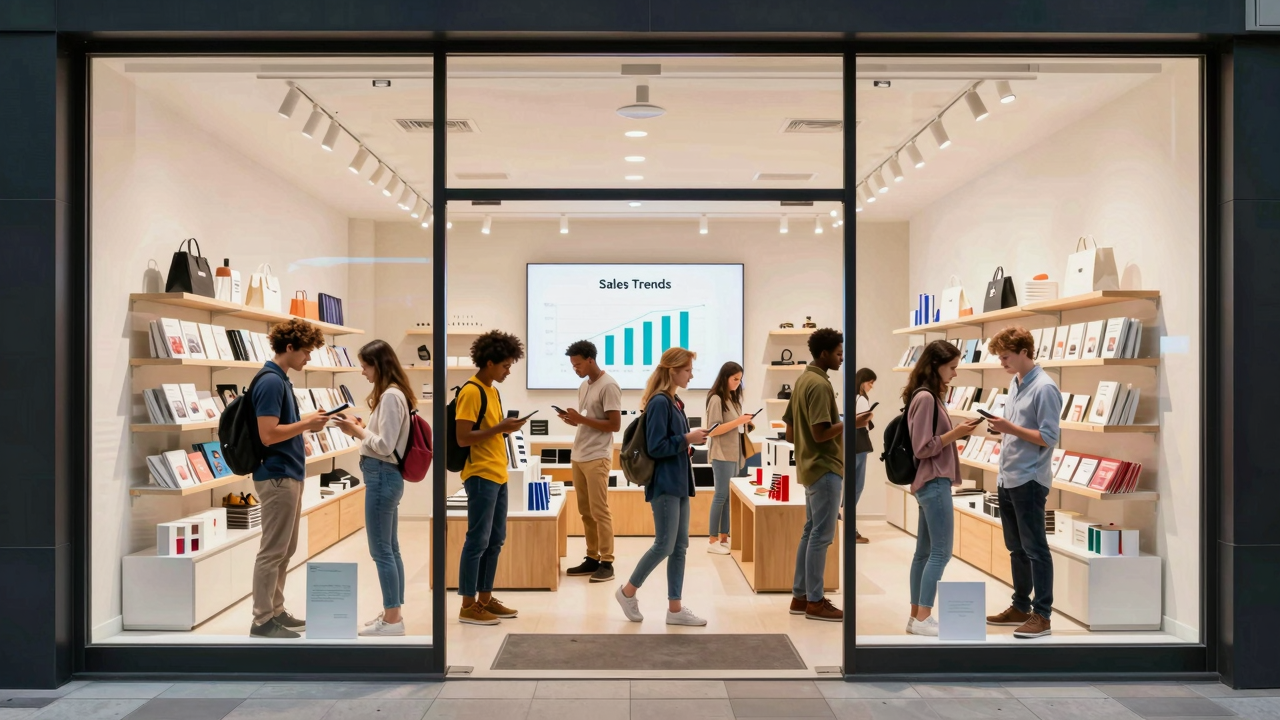
Understanding how shopper insights can drive business success is essential for any retailer looking to stay competitive. Here are some impactful case studies that illustrate this:
- A Target found that 60% of shoppers had a specific product in mind, leading to targeted promotions that boosted sales by 25%.
- A grocery chain discovered 40% of shoppers were on quick fill-in trips, prompting a store redesign that increased foot traffic by 15%.
- A beauty brand learned that 70% of consumers wanted personalized recommendations, resulting in an AI-driven consultation tool that raised conversion rates by 30%.
- An online retailer identified that 50% of abandoned carts were due to a complicated checkout process, prompting a redesign that cut abandonment rates by 20%.
These examples show how using shopper insights can directly enhance your sales strategies.
Best Practices for Developing a Shopper Insights Program

To build an effective shopper insights program, start by clearly defining the key components that matter most to your business. Identify profiles of your target shoppers, the specific items they purchase, and their reasons for buying. This will help you tailor your marketing strategies effectively.
Next, use a mix of quantitative methods, like online surveys and behavioral analytics, along with qualitative techniques such as shopper interviews to gather extensive data on motivations and behaviors.
Don’t forget to monitor shopper behavior and market trends regularly. This lets you adapt your strategies quickly to seasonal shifts and economic changes.
Leverage technological tools, such as predictive analytics, to anticipate future consumer behaviors and optimize your product offerings.
Finally, foster collaboration between your sales and marketing teams. This guarantees that shopper insights translate into actionable strategies, enhancing customer experiences and driving sales growth.
Future Trends: What’s Next for Shopper Insights and Retail Strategies?
What’s driving the future of shopper insights and retail strategies? To stay ahead, you need to embrace emerging trends that shape consumer behavior. Here are four key areas to focus on:
- Advanced Technologies: Use AI and virtual reality to personalize shopping experiences. Tailor your offerings based on individual preferences to make customers feel unique.
- Omnichannel Strategies: Guarantee a seamless shopping experience across online and in-store platforms. Consumers expect fluid interactions, so integrate your channels effectively.
- Sustainability: Highlight your sustainable practices clearly. Today’s shoppers are more conscious about the environment, and transparent communication can influence their buying decisions.
- Mission-Driven Shopping: Adapt to shoppers prioritizing convenience and immediate needs. Monitor shopper behaviors continuously to understand their trip missions and adjust your strategies accordingly.
Frequently Asked Questions
What Are the 5 P’s of Retail?
The 5 P’s of retail are Product, Price, Place, Promotion, and People.
First, choose products that meet customer needs.
Next, set competitive prices that reflect value.
Then, make certain your store’s location is convenient and accessible for shoppers.
Promote your offerings through effective marketing strategies that create awareness.
Finally, train your staff to provide excellent customer service, fostering loyalty and enhancing the overall shopping experience.
Implement these steps to improve your retail strategy.
What Are Shopper Insights?
Shopper insights are the key to understanding why consumers buy certain products. To gather these insights, you should analyze who your shoppers are, what they buy, when they shop, and their motivations.
[embedded content]
Use surveys to collect quantitative data and conduct interviews for qualitative feedback. This combination helps you tailor your marketing strategies and improve store layouts, enhancing the shopping experience.
Ultimately, it leads to better customer satisfaction and increased sales.
What Are the Strategies to Increase Retail Sales?
To increase retail sales, start by analyzing shopper insights to tailor product assortments and store layouts.
Use digital touchpoints to provide essential product information without overwhelming customers.
Implement personalized in-store experiences by adjusting messaging based on shopper context.
Align promotions and shelf layouts with consumer needs, especially during peak times.
Finally, train staff to enhance customer interactions, as positive experiences can greatly boost future spending.
Focus on relevance and engagement to drive sales.
How Does Understanding Consumer Behavior Help Retailers Improve Their Strategies?
Understanding consumer behavior helps you improve strategies by tailoring your offerings and marketing to meet shopper needs.
Start by analyzing customer preferences and motivations to optimize product placements. Adjust store layouts based on different shopping missions to guide decision-making.
Recognize generational differences to create targeted promotions that resonate with various age groups.
Finally, focus on enhancing the overall shopping experience to drive loyalty, as satisfied customers are more likely to return.
Conclusion
To boost your sales strategies, start by gathering and analyzing shopper insights. Use surveys and observation to understand demographics and behaviors. Map the shopper journey to identify critical touchpoints where you can engage customers effectively. Implement feedback loops to refine your approach continuously. Finally, stay updated on emerging trends to adapt your strategies. By focusing on these actionable steps, you’ll create a more tailored shopping experience that fosters loyalty and drives sales.
Image via Google Gemini and Small Business Trends