

This post was originally published on this site.
Understanding the seven key buying trends shaping consumer behavior can help you adapt your strategies effectively. Start by leveraging AI tools for personalized shopping experiences, which can drive efficiency. Focus on building brand trust, as consumers increasingly seek authenticity. Don’t overlook the impact of social media on purchase decisions, especially among younger generations. Emphasizing quality and durability in your offerings is vital. Keep these trends in mind, and you’ll be better positioned to meet evolving consumer expectations. What comes next is significant.
Key Takeaways
- AI-Driven Personalization: Shoppers increasingly rely on AI tools for personalized recommendations, enhancing their overall shopping experience and efficiency.
- Omnichannel Research: Over half of consumers explore products across multiple channels, integrating online and offline strategies for a seamless purchasing journey.
- Value and Quality Focus: Economic uncertainty prompts 39% of shoppers to compare prices, while 67% prioritize product quality for durability and reliability.
- Brand Trust and Authenticity: 68% of consumers are willing to spend more on trusted brands, influenced by authentic marketing and genuine connections.
- Social Media Influence: Nearly 70% of consumers make purchases directly through social media, with influencer recommendations significantly impacting buying decisions.
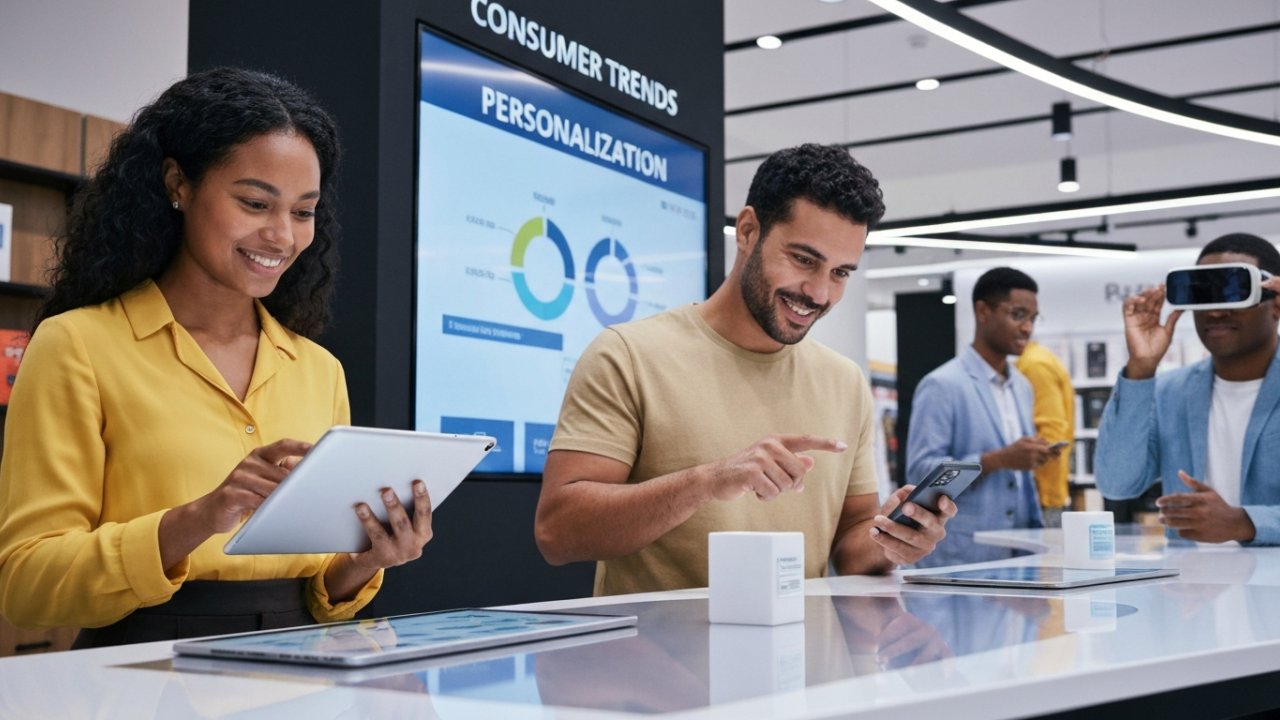
As you navigate today’s shopping landscape, it’s essential to understand how AI is transforming your experience. With 22% of shoppers using AI search tools like ChatGPT for product research, particularly Millennials and Gen Z, you’re likely to benefit from these e-commerce trends.
AI enhances personalization, offering tailored recommendations that align with your preferences, making your buying journey smoother.
[embedded content]
To maximize your shopping efficiency, begin using AI-powered tools for quicker access to product information. This technology not only shortens your research time but also increases engagement, as evidenced by a 1,200% rise in AI-driven online traffic to e-commerce sites in early 2025.
Additionally, look for brands that allow you to customize products, fostering a more interactive and satisfying shopping experience. By embracing these trends, you can make informed decisions and enjoy a more personalized retail journey.
The Shift Towards Value-Driven Purchases

With rising economic uncertainty, many consumers are reevaluating their spending habits and focusing on value-driven purchases. You’re likely not alone in wanting to get the most for your money.
Here are some key actions you can take:
- Compare prices: Nearly 39% of shoppers are checking prices more carefully, so make sure to compare before buying.
- Prioritize quality: With 67% of consumers valuing product quality, focus on items that offer durability and reliability.
- Seek discounts: About 40% of consumers are actively looking for better deals, so don’t hesitate to hunt for sales and promotions.
- Consider secondhand options: Explore eco-friendly products and secondhand shopping for sustainability and long-term value.
Why You Should Care About Brand Trust

Brand trust matters more than ever in today’s marketplace, and it can dramatically influence your purchasing decisions. When you choose brands you trust, you’re likely to spend more. In fact, 68% of consumers have done just that in the past year.
For younger generations, like Gen Z and millennials, this trend is even stronger; they’re more willing to pay a premium for trusted brands.
To build brand trust, focus on quality and value. About 67% of consumers prioritize these factors.
Additionally, excellent customer service can enhance your brand’s image, as 54% of shoppers consider it essential.
Overall, a positive reputation directly impacts sales, with 63% of consumers influenced by brand trust when deciding what to buy.

Social media is a powerful tool for discovering new products, so make it a part of your buying routine.
With nearly 70% of consumers purchasing directly through these platforms, you should pay attention to influencer recommendations, as authentic endorsements can sway your decisions.
To guarantee you’re making informed choices, research brands on social media before you buy, as this helps build trust and confidence in your purchases.
Instant Product Discovery
How do you discover new products in a world overflowing with options? Social media is your go-to channel, making it easier than ever to find what you need. Here’s how to leverage it effectively:
- Research brands: Before buying, check out their social media profiles.
- Follow trends: Stay updated on what’s popular among your peers.
- Engage with content: Like, comment, and share posts to see more relevant recommendations.
- Shop directly: Use integrated shopping features on platforms to make quick purchases.
With 70% of consumers buying through these channels, you can expect instant gratification.
The immediacy of social media means 30% of buyers act the same day they discover something new. Embrace this trend for faster, smarter shopping.
2. Influencer Impact on Purchases
While you mightn’t realize it, influencers play a crucial role in shaping your purchasing decisions. About 49% of consumers, like you, have bought products based on social media posts from influencers.
If you’re part of Gen Z, remember that 73% of your peers discover brands through these platforms, so engaging with influencers can be key for brands.
Before making a purchase, nearly 80% of you likely research brands on social media, emphasizing the need for a strong online presence.
When you see something appealing, keep in mind that 30% of consumers buy on the same day they discover it.
For brands, collaborating with authentic influencers can create genuine connections and drive immediate sales, enhancing your shopping experience.
3. Authenticity in Marketing
When you think about what drives your buying decisions, have you considered the role of authenticity in marketing? Authenticity is vital in today’s landscape, especially on social media.
Here are some points to keep in mind:
- 98% of consumers trust authentic images and videos.
- 80% research brands on social media before buying.
- Nearly 49% are influenced by genuine influencer posts.
- 82% expect brands to represent diverse communities.
To enhance your buying experience, seek Transparency International and genuine representation.
Look for authentic reviews and diverse content that resonates with your values.
Remember, in a world full of options, your trust in a brand often hinges on its authenticity.
Don’t settle for less; demand real connections in your purchases.
Prioritize Durability and Quality in Your Purchases

Prioritizing durability and quality in your purchases can greatly impact your satisfaction and long-term value. When you focus on these factors, you’re not just buying a product; you’re investing in something that lasts. Research shows that 54% of consumers share this view, making durability a top priority. To enhance your purchasing decisions, consider the following table:
| Factor | Importance (%) |
|---|---|
| Durability | 54 |
| Positive Reviews | 47 |
| Brand Reputation | 45 |
| Longevity Preference | Consistent Across Generations |
| Effective Marketing | Essential |
Before buying, check reviews to gauge quality, and opt for brands with solid reputations. Remember, a well-made product can save you money in the long run and provide a better experience. By prioritizing durability, you can make smarter, more satisfying choices.
The Role of Influencer Marketing in Consumer Choices

Influencer marketing plays an essential role in shaping your buying choices, especially on social media.
When you see authentic endorsements from influencers, you’re more likely to trust and buy those products, so focus on following influencers who align with your values.
To tap into the spending power of younger audiences, consider how brands partner effectively with these influencers, ensuring their promotions feel genuine rather than forced.
Authenticity in Partnerships
To succeed in today’s market, brands need to recognize the importance of authenticity in partnerships with influencers.
Genuine connections drive consumer choices, especially among younger demographics. Here are some actionable steps to enhance authenticity:
- Choose relatable influencers: Partner with those whose values align with your brand.
- Encourage natural engagement: Allow influencers to share your products in their unique way.
- Focus on storytelling: Let influencers narrate how your product fits into their lives, creating a real connection.
- Monitor audience feedback: Adjust your strategy based on how consumers respond to influencer content.
Social Media Impact
As social media continues to shape consumer behavior, it’s essential for Facebook to leverage this trend effectively.
Start by partnering with authentic influencers whose values align with your brand. With nearly 49% of consumers influenced by these posts, selecting the right influencer can boost your visibility and credibility.
Create engaging content that encourages direct interaction; remember, about 70% of consumers make purchases through social channels. Use compelling visuals and clear calls-to-action to guide users toward immediate purchases.
Track engagement closely, as 30% of consumers often buy the same day they discover a product.
Finally, maintain transparency and authenticity in your partnerships, since genuine interactions lead to more trust and loyalty among your audience.
Engagement With Younger Generations
In today’s market, brands can’t overlook the importance of connecting with younger generations. Influencer marketing plays a significant role in shaping their purchasing decisions.
Here’s how you can effectively engage this demographic:
- Leverage Authenticity: Partner with influencers who genuinely align with your brand values. Authentic content resonates better.
- Utilize Social Media: Since 80% of consumers research brands on these platforms, guarantee your presence is strong.
- Focus on Gen Z: With 73% considering social media their top discovery channel, target this group with tailored campaigns.
- Engage Gen Alpha Early: Build brand loyalty by connecting with younger audiences now, as they influence household spending.

Steering the omnichannel shopping experience can feel overwhelming, especially with so many channels available. To make it easier, focus on integrating your online and offline strategies.
Start by researching products across multiple channels; over half of shoppers do this. Use social media, your website, and physical stores effectively, since 30% of consumers engage with at least three channels before buying.
Consider implementing AI-driven features, as 92% of consumers want personalized shopping recommendations. This not only enhances their experience but also increases your chances of retaining customers.
Engage them with interactive displays or virtual try-ons, which many find appealing.
Frequently Asked Questions

How Do Economic Factors Influence Consumer Purchasing Decisions Today?
Economic factors, like inflation and employment rates, directly impact your purchasing decisions. When prices rise, you might prioritize essentials over luxuries.
If job security feels shaky, consider saving more instead of spending. To adapt, track your budget closely, compare prices, and look for sales.
Stay informed about economic changes to adjust your buying habits. Being proactive helps you make smarter choices and guarantees you’re getting the best value for your money.
What Role Do Personal Values Play in Consumer Behavior?
Personal values shape your consumer behavior considerably. To align your purchases with these values, start by identifying what matters to you—like sustainability, quality, or community support.
When shopping, research brands that share your values. For example, if you prioritize eco-friendliness, choose companies with sustainable practices.
Also, consider how your values impact decisions; for instance, you might pay more for ethically sourced products. This alignment not only feels right but also strengthens your commitment to those values.
How Is Consumer Loyalty Changing in Today’s Market?
Consumer loyalty is shifting as buyers seek brands that align with their values and offer personalized experiences.
To adapt, focus on building strong relationships with your customers. Engage them through social media, ask for feedback, and implement their suggestions.
Offer loyalty programs that reward repeat purchases while emphasizing your brand’s values.
[embedded content]
What Impact Does Convenience Have on Shopping Preferences?
Convenience greatly shapes your shopping preferences. When you prioritize ease, think about options like online shopping, curbside pickup, or delivery services.
[embedded content]
Consider creating a list of what you need before shopping, which can save time and reduce impulse buys. Use apps that track deals or offer rewards for your purchases.
How Do Generational Differences Affect Buying Trends?
Generational differences considerably affect buying trends. To adapt, recognize what each group values.
For example, younger consumers often prioritize sustainability and digital experiences, while older shoppers may focus on quality and reliability.
Tailor your marketing strategies by using platforms they prefer, like social media for younger audiences and email or print for older ones.
Also, highlight features that resonate with each generation’s priorities, ensuring your offerings meet their specific needs.
Conclusion

To stay ahead in today’s market, embrace these key trends. Use AI tools to personalize your shopping experience, focus on value and quality, and build trust with your customers. Engage authentically on social media, and leverage influencers to reach your audience effectively. Finally, guarantee a seamless omnichannel experience for your shoppers. By adapting these strategies, you can meet consumer expectations and drive loyalty, ultimately leading to increased sales and a stronger brand presence.
Image via Google Gemini