
This post was originally published on this site.
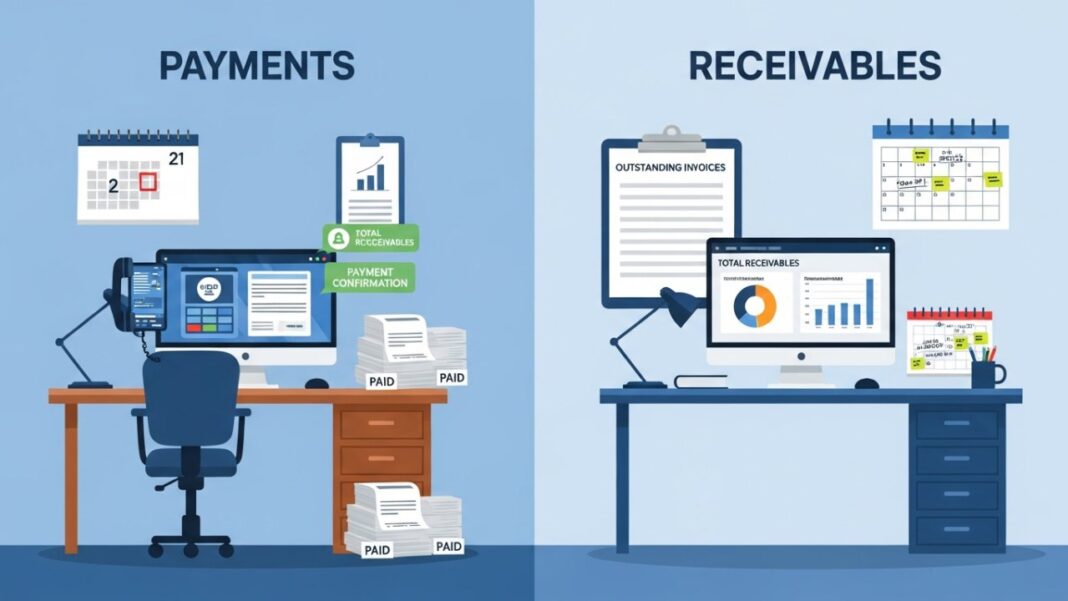
When managing a business’s finances, it’s crucial to grasp the key differences between payments and receivables. Payments, often linked to accounts payable, represent money flowing out to suppliers for goods or services, whereas receivables reflect the cash inflows from customers for credit sales. Comprehending these concepts can greatly impact your cash flow management and overall financial health. So, how do these elements interact on your balance sheet, and what processes guarantee smooth operations?
Key Takeaways
- Payments refer to cash outflows to suppliers for goods/services received, while receivables are amounts owed by customers for goods/services provided on credit.
- Accounts Payable (AP) represents future obligations, whereas Accounts Receivable (AR) signifies expected cash inflows.
- AP impacts cash flow by indicating debts, while AR reflects potential cash inflows from customers.
- Efficient management of AP can lead to cost savings, while effective AR management minimizes bad debts and enhances liquidity.
- Monitoring Days Payable Outstanding (DPO) and Days Sales Outstanding (DSO) is crucial for evaluating the efficiency of payments and collections.
Understanding Accounts Payable (AP)
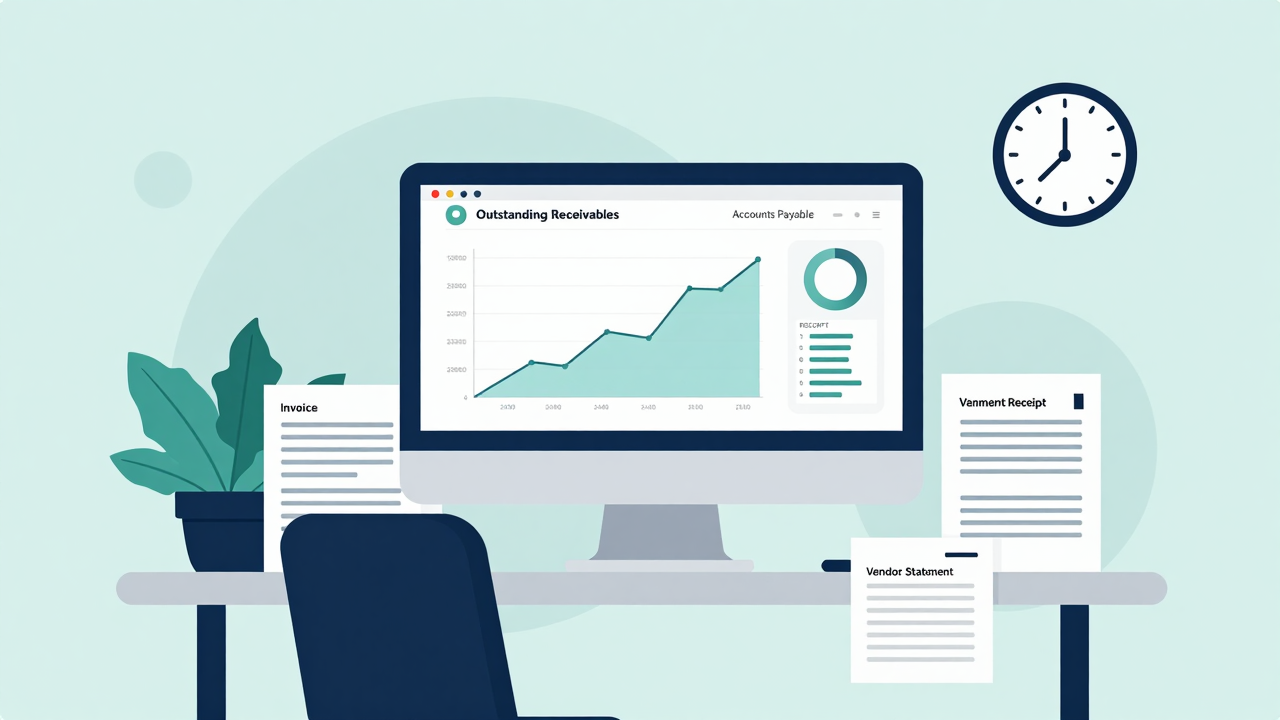
Accounts Payable (AP) is an essential aspect of a company’s financial management, representing the total amount owed to suppliers and vendors for goods and services received but not yet paid for. This liability is classified as a current liability on your balance sheet, highlighting its immediate financial impact.
When you receive an invoice, you’ll match it against purchase orders, generally operating under payment terms ranging from 30 to 90 days. Managing AP effectively isn’t just about making payments; it involves ensuring timely invoice processing and nurturing supplier relationships.
Understanding Accounts Receivable (AR)
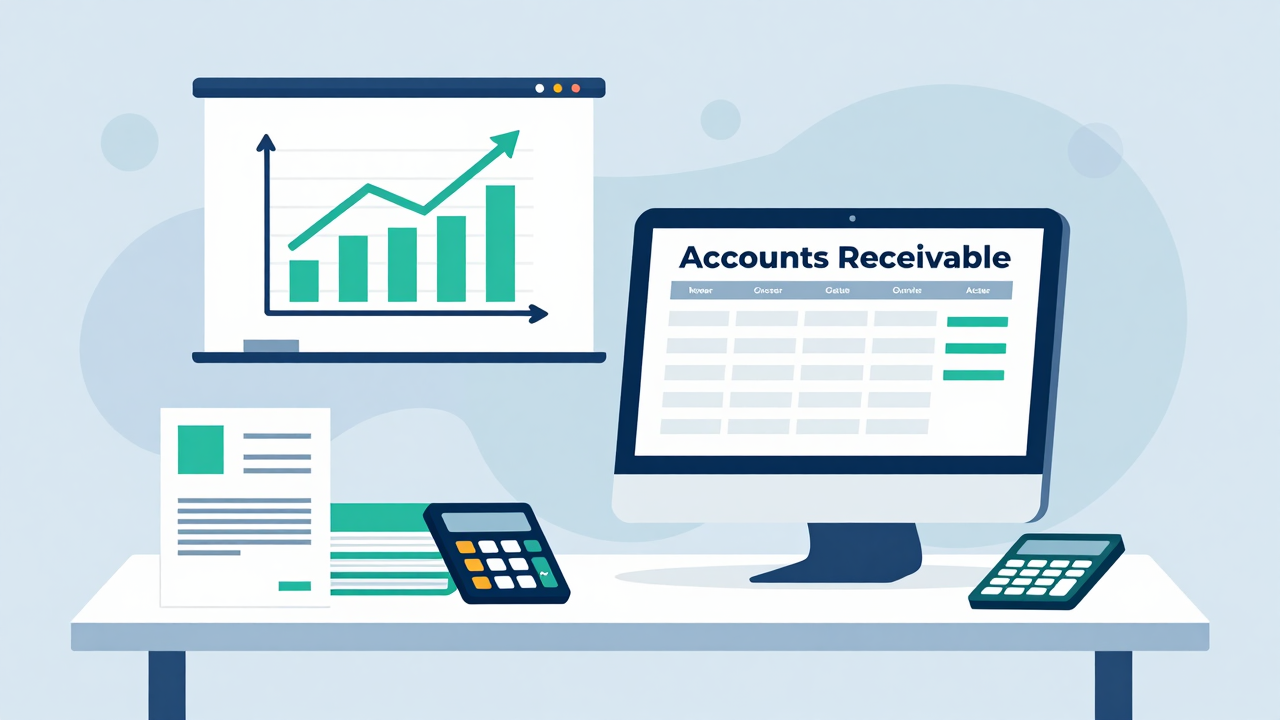
Accounts Receivable (AR) represents the money customers owe your business for goods or services provided on credit and is listed as a current asset on your balance sheet.
Comprehending the importance of managing AR is essential, as it directly impacts your cash flow and overall financial health.
Definition of Accounts Receivable
When businesses provide goods or services on credit, they create a financial relationship with their customers, resulting in what’s known as Accounts Receivable (AR).
AR represents the money owed to your company by customers for those credit transactions and is classified as a current asset on your balance sheet. It’s recorded in the general ledger once you issue an invoice, reflecting your right to collect cash in the future.
Here are some key points about AR:
- Payment terms typically include net 30 or net 60 days.
- You’ll need to track outstanding invoices.
- Sending reminders for overdue payments is vital.
- Days Sales Outstanding (DSO) is an important performance indicator.
- Efficient AR management can improve your cash flow.
Importance of AR Management
Effective management of accounts receivable is key to maintaining a healthy cash flow in any business. Accounts receivable represents money owed to you by customers for goods or services provided on credit, making it a crucial current asset.
Efficient AR management optimizes cash flow, directly impacting your liquidity and ability to meet short-term obligations. Monitoring the Days Sales Outstanding (DSO) metric helps you gauge how quickly you collect payments; a lower DSO indicates effective collection practices.
Regularly reviewing aging reports allows you to identify overdue accounts and implement timely follow-up strategies, minimizing bad debts.
In addition, automating AR processes improves efficiency, reduces manual errors, and provides real-time visibility into cash flow and outstanding invoices, further supporting your financial health.
Key Characteristics of Accounts Payable
The scenery of accounts payable (AP) is crucial for any business, representing a key component of financial management. Comprehending AP’s key characteristics helps you effectively manage your company’s obligations to suppliers.
Here are some important aspects to reflect upon:
- Current Liabilities: AP reflects short-term debts recorded on the balance sheet.
- Invoice Processing: AP is recorded upon receipt of an invoice, based on agreed payment terms.
- Days Payable Outstanding (DPO): This metric measures how quickly you pay suppliers; a higher DPO indicates better cash flow management.
- Cost Savings: Proper AP management can lead to early payment discounts and stronger vendor relationships.
- Error Prevention: Timely invoice processing reduces fraud risk and improves financial stability.
Key Characteristics of Accounts Receivable
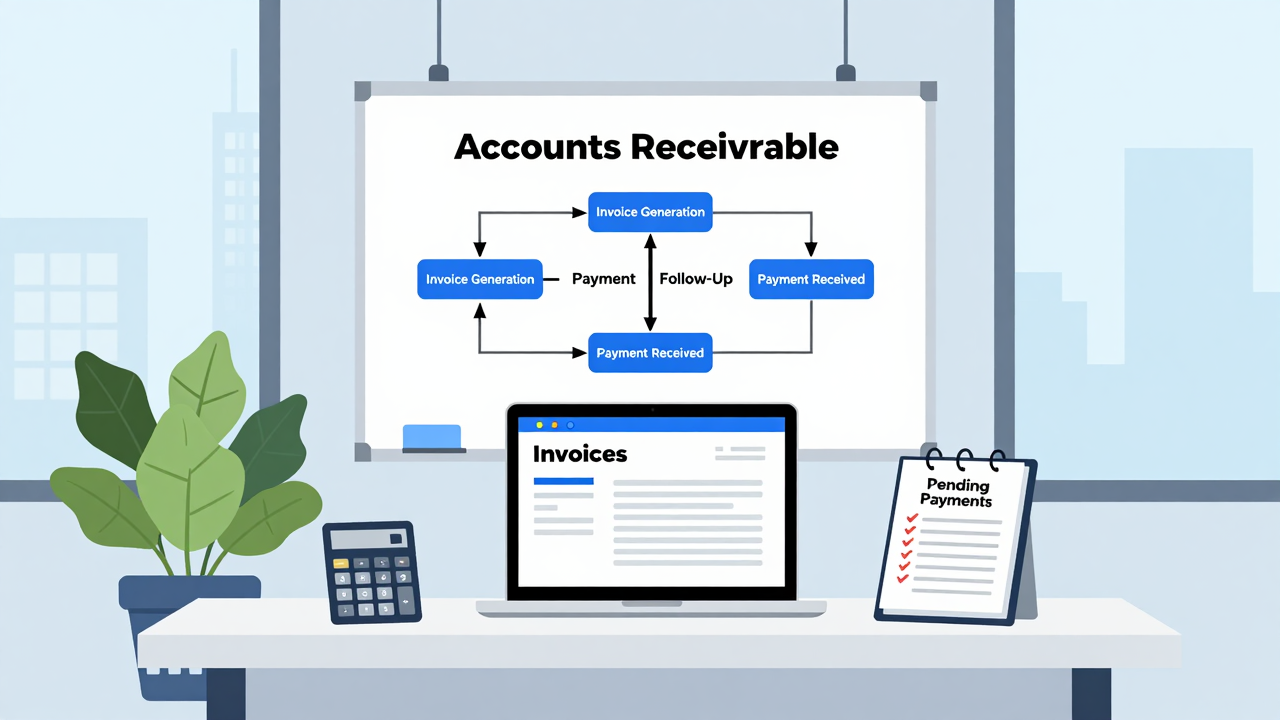
Accounts receivable (AR) is a vital current asset on your balance sheet, representing funds owed to your business by customers for credit sales.
When a sale occurs, you issue an invoice, which initiates the tracking process until payment is received, highlighting your company’s performance in managing credit.
To effectively analyze your AR, it’s important to evaluate the collection timeframe, often measured by metrics like Days Sales Outstanding (DSO), which reveals how quickly you convert sales into cash.
Current Asset Classification
In the domain of current assets, accounts receivable (AR) plays a crucial role by representing the amounts owed to a company from its customers for products or services already provided.
AR is classified on the balance sheet at its net realizable value, which reflects the expected collection amount.
[embedded content]
Here are some key characteristics of accounts receivable:
- Invoices create AR, with payment terms typically ranging from net 30 to net 90 days.
- They impact your company’s liquidity and working capital.
- Effective management includes monitoring outstanding balances.
- Adjustments may be made for potential uncollectible amounts through an allowance for doubtful accounts.
- Successful collection processes improve cash flow and minimize bad debt risks.
Invoice Issuance Process
When goods or services are delivered to a customer, an invoice is generated to initiate the accounts receivable process, outlining the payment terms agreed upon, such as net 30 or net 60 days. Each invoice must include vital details, like the invoice date, due date, an itemized list of goods or services provided, the total amount due, and payment instructions.
This clarity helps facilitate timely payments. Invoices are then recorded in the accounts receivable ledger, classified as current assets on the balance sheet, reflecting the amount owed until payment is received.
Monitoring outstanding invoices is critical; companies often use aging reports to track overdue accounts and follow up on payments, ensuring effective cash flow management and maintaining customer relationships.
Collection Timeframe Analysis
A thorough analysis of collection timeframes reveals key insights into the efficiency of a company’s accounts receivable (AR) processes. Comprehending these timeframes helps you manage cash flow effectively.
Typically, payment terms are set at net 30, net 60, or net 90 days. Monitoring your Days Sales Outstanding (DSO) is essential, as it reflects how quickly you collect payments from customers.
Here are some important points to evaluate:
- Aim for a DSO close to the industry benchmark of 30 days.
- High DSO values can indicate cash flow issues.
- Regularly track outstanding invoices.
- Proactively follow up on overdue accounts.
- Efficient AR management improves liquidity.
The Balance Sheet Impact of AP and AR
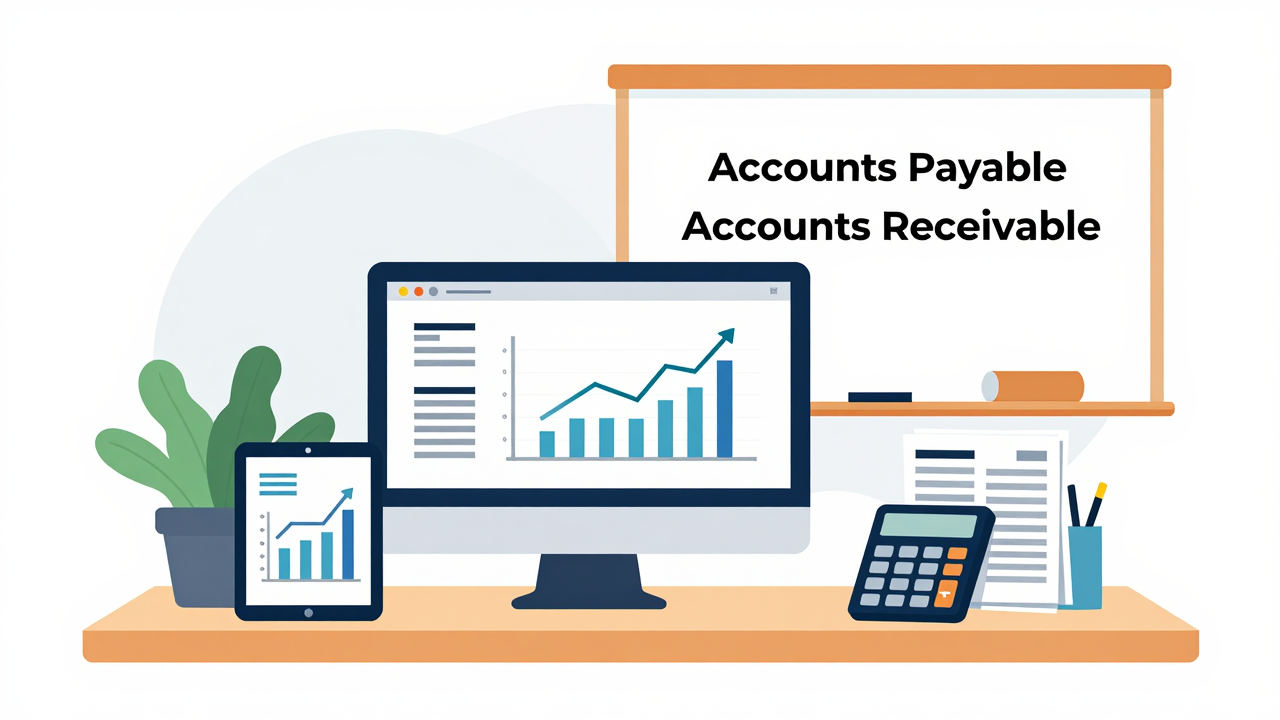
Accounts Payable (AP) and Accounts Receivable (AR) play essential roles in shaping a company’s balance sheet, influencing its financial position and operational health.
AP is listed as a current liability, reflecting your obligation to pay suppliers for goods or services received. Conversely, AR is recorded as a current asset, representing funds owed to you by customers for credit sales. This classification gives insights into liquidity; a high level of AP can indicate effective cash flow management, whereas a high level of AR might signal potential collection issues.
Under accrual accounting, you recognize AP when you receive an invoice and AR when a sale occurs, regardless of cash receipt timing. Monitoring both AP and AR is fundamental for evaluating financial health, as imbalances can lead to cash flow problems and impact operational efficiency.
Comprehending this balance is key to maintaining your company’s financial stability.
Cash Flow Dynamics of Payments and Receivables

Grasping cash flow dynamics is vital for managing payments and receivables effectively. Comprehending how accounts payable (A/P) and accounts receivable (A/R) interact can help you optimize your cash flow.
Here are some key points to reflect on:
- A/P represents future cash outflows for goods and services, whereas A/R signifies expected cash inflows from customers.
- Increasing A/P can improve cash flow by delaying payments, allowing you to retain cash longer.
- Rising A/R might temporarily reduce cash flow, indicating longer payment times from customers.
- Days Payable Outstanding (DPO) measures how long it takes to pay suppliers, whereas Days Sales Outstanding (DSO) tracks the average collection period from customers.
Balancing A/P and A/R is fundamental, as extending payment terms with suppliers and shortening collection periods from customers can improve liquidity and financial stability.
The Accounts Payable Process Explained
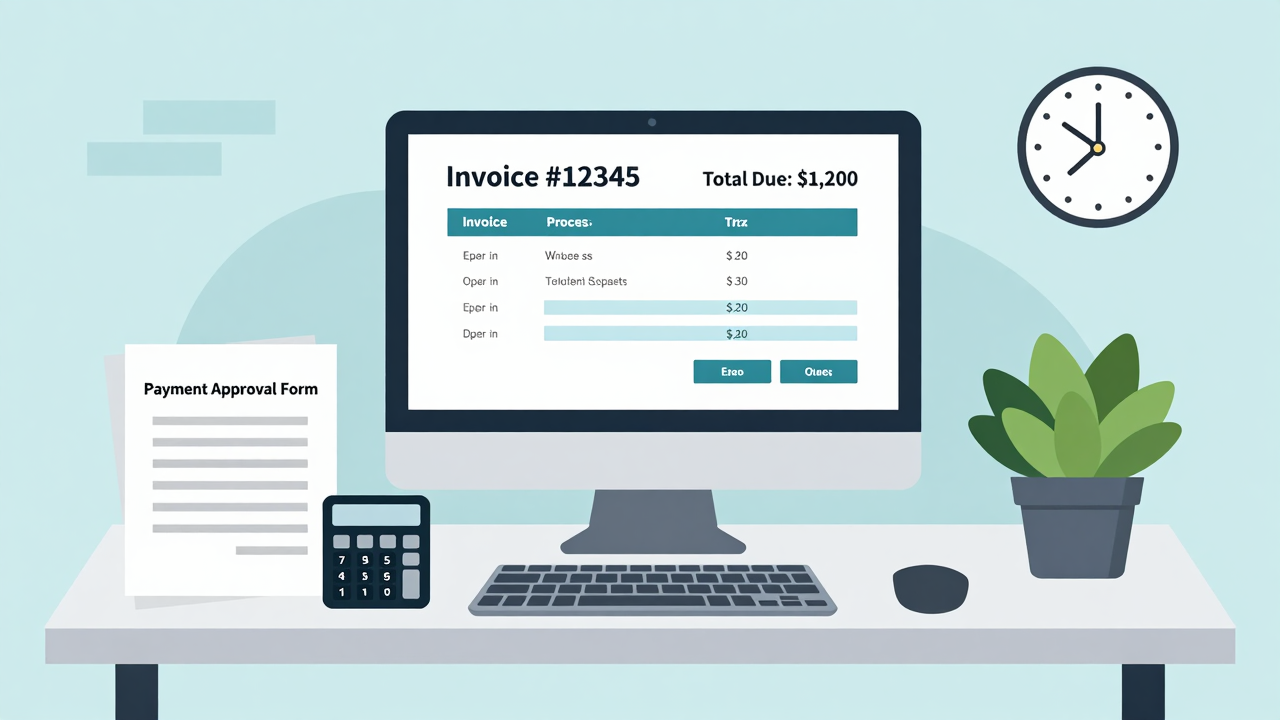
In the accounts payable process, you’ll start by receiving an invoice from your supplier, which needs to be verified against your purchase orders to guarantee accuracy.
Once verified, the invoice goes into the accounts payable ledger, where it awaits approval for payment.
This workflow is crucial for maintaining strong vendor relationships and managing your company’s cash flow efficiently.
Invoice Receipt Process
When a supplier delivers goods or services, the process kicks off with the receipt of an invoice, which serves as the foundation for managing payment obligations.
After you receive the invoice, it’s essential to follow these steps:
- Record the invoice in the accounts payable ledger.
- Match the invoice with purchase orders and receipts for accuracy.
- Verify details to prevent discrepancies before approval.
- Schedule payment according to agreed terms, considering discounts or due dates.
- Remove the accounts payable entry from the ledger after payment is made, reflecting decreased liabilities.
This process guarantees that your company’s financial records are accurate and that payments are made in a timely manner, ultimately optimizing cash flow while maintaining good supplier relationships.
Payment Approval Workflow
The payment approval workflow is a critical component of the accounts payable process, guaranteeing that invoices are processed efficiently and accurately.
[embedded content]
It starts when you receive an invoice, which you then match with purchase orders and receipts to confirm accuracy. Once verified, the invoice moves through an internal approval process where designated personnel authorize payment based on company policies.
After approval, you schedule the payment according to agreed-upon terms, typically ranging from net 30 to net 90 days, allowing for effective cash flow management.
Finally, you record the payment in your accounting system, reducing accounts payable entries and adjusting cash or bank account balances.
An efficient workflow improves operational efficiency, minimizes fraud risk, and guarantees timely vendor payments.
The Accounts Receivable Process Explained
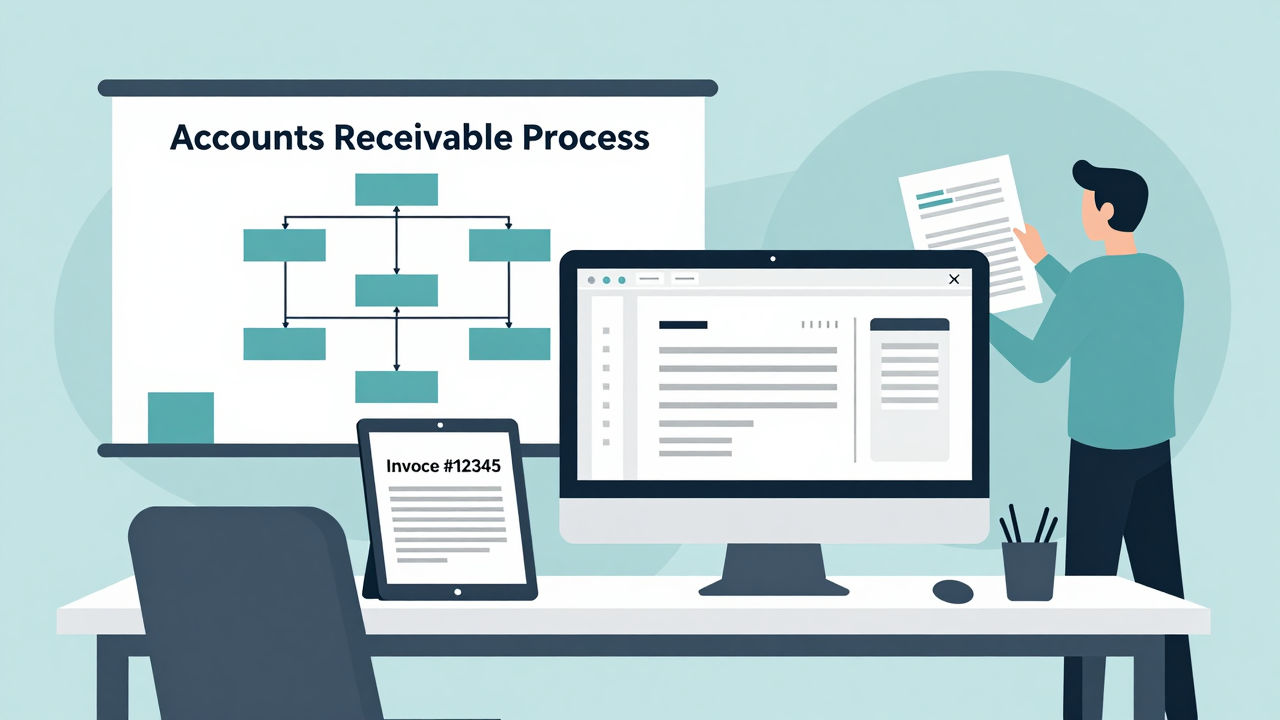
Comprehending the accounts receivable process is essential for managing your business’s cash flow effectively. This process starts when you send an invoice to the customer after delivering goods or services, clearly outlining payment terms and amounts due.
To guarantee timely payments, you need to regularly track invoices and may need to follow up with reminders for outstanding balances.
Once you receive payment, verify the transaction and update your accounts by debiting cash and crediting accounts receivable to reflect the cash inflow.
Key components of the accounts receivable process include:
- Sending clear invoices with payment terms
- Regularly tracking outstanding invoices
- Following up on overdue payments
- Verifying and recording payments swiftly
- Monitoring Days Sales Outstanding (DSO) for efficiency
Effective management of accounts receivable can greatly improve your cash flow and liquidity, making it critical for your financial operations.
Key Financial Ratios for AP and AR Management
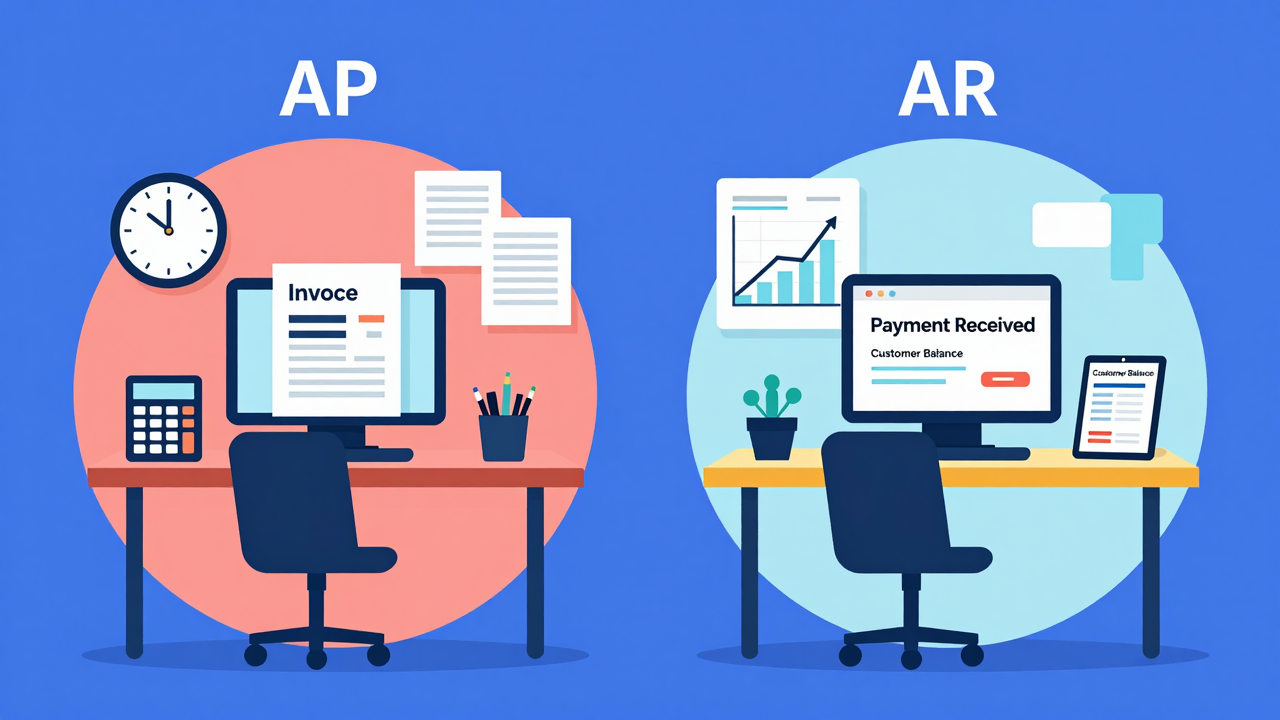
Grasping key financial ratios for accounts payable (AP) and accounts receivable (AR) management is vital for maintaining healthy cash flow in your business.
The Days Payable Outstanding (DPO) ratio indicates how long you take to pay suppliers, with a higher DPO suggesting better cash retention. Conversely, Days Sales Outstanding (DSO) measures how quickly you collect payments, with lower values signaling efficient processes.
The Accounts Receivable Turnover Ratio, calculated by dividing net credit sales by average accounts receivable, reflects your effectiveness in collecting receivables; higher ratios indicate better efficiency.
Furthermore, the Working Capital Ratio assesses your ability to meet short-term obligations; a ratio between 1.5 and 2 suggests good financial health.
Regularly monitoring these key financial ratios helps you optimize your AP and AR processes, finally improving your cash flow and financial stability.
Comprehending these metrics is significant for making informed financial decisions.
Best Practices for Managing Payments and Receivables
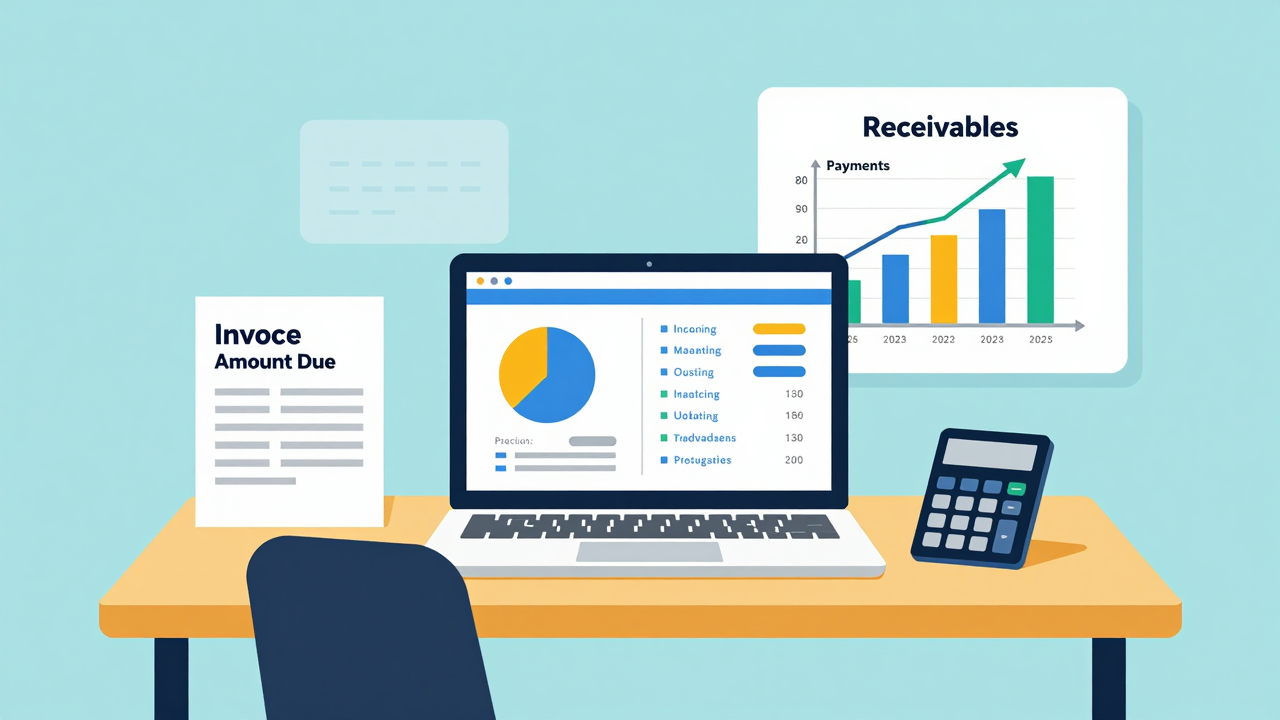
Managing payments and receivables effectively is crucial for any business aiming to maintain a stable cash flow. To achieve this, consider implementing these best practices:
- Timely invoicing: Send invoices without delay and monitor aging reports to reduce Days Sales Outstanding (DSO).
- Clear payment terms: Establish transparent payment conditions upfront to manage customer expectations and improve on-time payments.
- Regular reconciliation: Regularly reconcile accounts payable and receivable to identify discrepancies, prevent fraud, and guarantee accurate financial reporting.
- Utilize automation: Leverage automation tools to streamline both accounts payable and receivable processes, reducing manual errors and boosting efficiency.
- Staff training: Train your team on effective communication strategies to cultivate better relationships with vendors and customers, ensuring timely payments and minimizing overdue accounts.
Frequently Asked Questions

What Is the Difference Between Payments and Receivables?
Payments are cash outflows a company makes to settle obligations, decreasing the cash balance when completed.
Conversely, receivables represent cash inflows owed to you by customers for credit sales, increasing your cash balance when collected.
Fundamentally, payments are liabilities that require cash, whereas receivables are assets that promise future cash.
Comprehending both is vital as they greatly impact your cash flow management and overall financial health.
What Are the Biggest Differences Between Accounts Receivable and Accounts Payable?
Accounts receivable (AR) and accounts payable (AP) represent opposite sides of a company’s cash flow. AR involves money owed to you by customers for goods or services delivered, whereas AP is money you owe to suppliers for purchases made.
AR improves your assets, whereas AP increases your liabilities. Managing AR focuses on collecting payments efficiently, whereas managing AP emphasizes timely payments to maintain good supplier relationships and avoid late fees, impacting overall cash flow.
Is a Receivable a Payment?
No, a receivable isn’t a payment. A receivable represents money owed to you by customers for goods or services provided on credit, whereas a payment is the actual cash or equivalent you receive to settle a debt.
Receivables show potential future cash inflows, and payments reduce liabilities or increase your cash assets. Comprehending this distinction helps you manage cash flow effectively and maintain accurate financial records for your business.
What ARe the Differences Between AP and AR?
Accounts Payable (AP) and Accounts Receivable (AR) serve different roles in your business’s financial management.
AP represents what you owe suppliers and is a liability, whereas AR signifies what customers owe you, classified as an asset.
You recognize AP when invoices arrive, and AR when you deliver goods or services.
Managing both effectively is essential; optimizing AP can delay cash outflows, whereas efficient AR processes help guarantee timely collections, enhancing your cash flow.
Conclusion

In conclusion, comprehending the differences between payments and receivables is essential for effective cash flow management. Accounts payable represents your obligations to suppliers, whereas accounts receivable reflects the money owed to you by customers. By grasping the key characteristics and processes of both, you can better manage your financial operations. Implementing best practices and monitoring relevant ratios will improve your liquidity and overall financial health, ensuring your business remains efficient and responsive to its cash flow needs.
[embedded content]
Image via Google Gemini and Small Business Trends