

If you’re considering investing in a franchise, you need to focus on a few key factors. Look for strong brand recognition, a solid business model, and reliable support. Start by evaluating low-cost options like Jan-Pro Cleaning Systems, or explore popular food franchises such as Dunkin’ or Chipotle, which thrive in today’s health-conscious market. Don’t overlook emerging sectors like mobile services or renewable energy. Your next steps? Review the Franchise Disclosure Document and connect with current franchisees to gain insight into profitability.
Key Takeaways
- Established brands like Dunkin’ and Taco Bell attract customers, enhancing profitability through brand recognition.
- Low-cost franchises, such as Jan-Pro Cleaning Systems, require initial investments between $10,000 and $50,000, offering strong growth potential.
- Emerging sectors like health/wellness and renewable energy franchises are projected to grow significantly in the coming years.
- Food service franchises with healthy menus, like Freshii, are experiencing annual growth rates of around 5%.
- Comprehensive support and training from franchisors are crucial for long-term success and profitability.
What Makes a Franchise Profitable?

When considering the profitability of a franchise, several key factors come into play. First, you need to evaluate the brand recognition; established names like Dunkin’ and McDonald’s attract customers more effectively than new ventures.
Think about what to franchise—choosing a proven business model can lead to significant revenue. Assess the financial stability of the franchisor; consistent support and growth are essential for your long-term success.
[embedded content]
For example, The UPS Store requires an investment between $138,433 and $470,031, while Ace Hardware starts at $286,000. These numbers matter when calculating your potential return.
Finally, ongoing support from the franchisor, including marketing and training, can enhance your performance and customer satisfaction. By carefully considering these elements, you’ll be better equipped to find new franchise owners, ensuring a profitable venture.
Low-Cost, High-Return Franchises
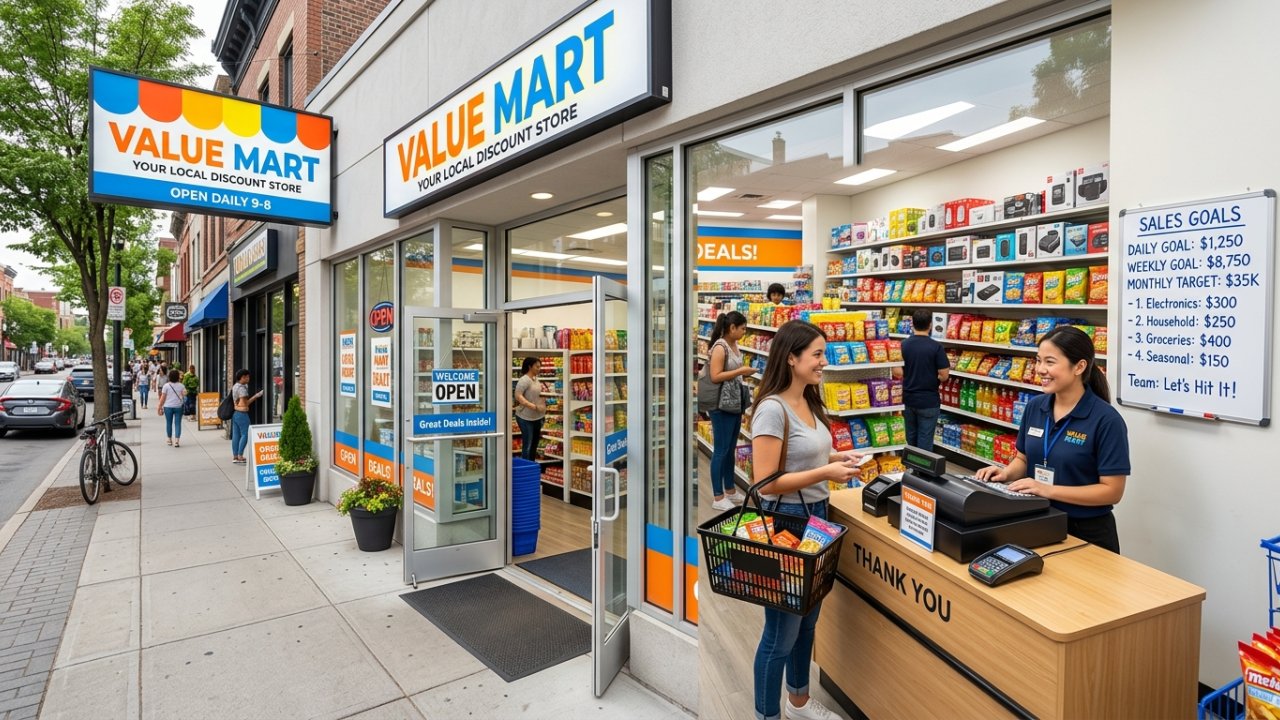
If you’re looking to explore franchising without breaking the bank, low-cost franchises offer an excellent entry point. With initial investments ranging from $10,000 to $50,000, they’re accessible for many entrepreneurs.
To figure out how to obtain a franchise, research options like Jan-Pro Cleaning Systems, which boasts a strong reputation and training support.
These franchises often come with robust support systems, helping you manage your business effectively right from the start. Many in emerging sectors, such as mobile services or health and wellness, provide high-growth potential while keeping costs low.
The beauty of these franchises is their potential for a return on investment within 1 to 3 years, contingent on your business model and market conditions.
Emerging Industry Franchises on the Rise

Emerging industry franchises are gaining popularity as they tap into growing consumer trends that you can leverage for success.
Consider the health and wellness sector, where fitness and organic food franchises are projected to grow annually by 4-6%. You could also explore technology-driven options, like mobile repair services, which cater to consumers’ increasing reliance on digital solutions.
The renewable energy market, especially solar energy, is another promising area; companies like Astra Watt Solar Energy are set to expand notably by 2030.
Additionally, home services franchises, such as emergency maintenance and cleaning services, thrive due to consumers’ demand for convenience—brands like Molly Maid generate 89% of their revenue from repeat customers.
Finally, with pet ownership on the rise, franchises in pet care, offering grooming and daycare services, are worth considering.
Top Food Service Franchises for Profitable Investments

When you’re considering food service franchises, look into trending cuisine concepts, fast-casual dining options, and healthy food trends.
Brands like Dunkin’ and Taco Bell are capitalizing on these shifts, appealing to a broad audience and driving sales.
Trending Cuisine Concepts
As the food service industry continues to evolve, exploring trending cuisine concepts can lead you to profitable franchise opportunities.
Consider investing in established brands like Dunkin’, where the initial investment ranges from $95,700 to $1.5 million, yet promises strong revenue potential.
Jersey Mike’s, which saw a 64.4% revenue increase from 2019 to 2021, is another solid option.
If you’re looking for support, Slim Chickens focuses on helping franchisees thrive.
McDonald’s remains a reliable choice with franchise fees starting at $45,000 and total investments between $1 million and $2.2 million.
Finally, don’t overlook coffee trends; Scooters Coffee plans to expand to 1,000 locations by 2026, showing rapid growth potential.
Choose wisely, and you’ll set yourself up for success.
Fast-Casual Dining Options
Fast-casual dining options are quickly becoming a go-to choice for franchise investors looking to tap into a thriving market. These franchises balance quality food with efficient service, appealing to health-conscious consumers. Brands like Chipotle and Panera Bread have shown impressive growth, with Chipotle reporting over $7 billion in revenue in 2021.
[embedded content]
Here’s a quick comparison of some popular fast-casual franchises:
| Franchise | Initial Investment | Revenue Potential |
|---|---|---|
| Chipotle | $100,000 – $500,000 | $7 billion (2021) |
| Panera Bread | $100,000 – $500,000 | Consistent growth |
| Shake Shack | $100,000 – $500,000 | Expanding footprint |
With lower startup costs and strong franchisee support, consider investing in this profitable segment.
Healthy Food Trends
The growing demand for healthy food options presents a valuable opportunity for franchise investors. Brands like Freshii and Smoothie King are thriving by offering nutritious menus with fresh, organic ingredients.
[embedded content]
If you’re considering a franchise, look at plant-based options like Veggie Grill, which reflects the increasing popularity of vegetarian and vegan diets. Fast-casual chains such as Sweetgreen are also top performers, appealing to millennials and Gen Z who prioritize sustainable choices.
With the health-focused food sector projected to grow at 5% annually, now’s a great time to invest. Research potential franchises, assess their menus, and consider how they align with consumer trends.
This strategic approach can help you capitalize on the healthy food movement effectively.
In-Demand Home Service Franchises
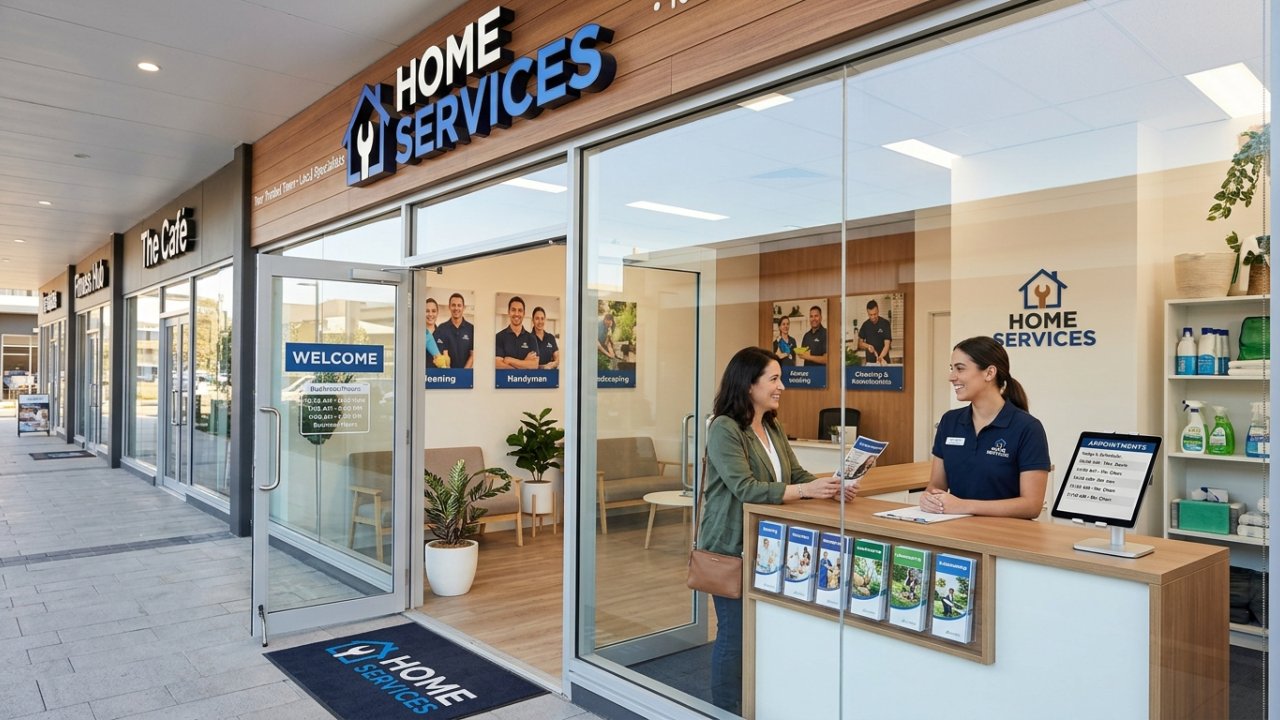
When you’re looking to invest in a franchise, consider the growing demand for home service franchises, which offer reliable solutions for everyday needs.
These franchises are thriving, with a significant market share and stable revenue streams. Here are three key reasons to explore this sector:
- High Demand: Home service providers, like One Hour Heating & Air Conditioning, dominate the market, showcasing a 37.3% share, indicating strong customer reliance on these services.
- Recurring Revenue: Businesses like Molly Maid generate 89% of their income from repeat cleaning services, ensuring consistent cash flow.
- Community Connection: Investing in home services fosters strong ties with local households, enhancing brand loyalty and customer satisfaction.
How to Find the Right Franchise Support and Training

Finding the right franchise support and training can greatly impact your success as a franchisee. Start by evaluating the training programs offered by potential franchisors to confirm they match your experience level.
Look at the Franchise Disclosure Document (FDD) to understand the specific commitments regarding initial training duration and ongoing support options.
Next, check the availability of marketing materials, as effective marketing can boost local sales and brand recognition.
Investigate the franchisor’s track record in supporting franchisees; this includes the success rate of their training programs and how responsive their support teams are to inquiries.
Finally, engage with existing franchisees to gather insights about the quality and effectiveness of the training and support they received.
This firsthand information can help you gauge what to expect and make a more informed decision on which franchise is right for you.
Steps to Start Your Franchise Journey

To start your franchise journey, focus on researching your options thoroughly.
Review the Franchise Disclosure Document (FDD) to understand financial requirements and operational details that matter to you.
Next, assess the initial investment costs, ensuring they align with your budget and financial goals before moving forward.
Research Franchise Options
How do you start your franchise journey on the right foot? Begin by researching various franchise options to find a profitable fit for you. Focus on understanding their support systems and market trends. Here’s how:
- Analyze the Franchise Disclosure Document (FDD): Review this document for details on fees, performance, and obligations at least 14 days before signing anything.
- Reach out to current franchisees: Talk to them about their experiences, financial outcomes, and the support they receive from the franchisor.
- Consult financial advisors: Get expert advice to forecast your potential revenue and expenses, ensuring your investment aligns with your goals.
Assess Financial Requirements
Evaluating financial requirements is essential for setting out on your franchise journey, especially since the initial investment can vary widely. Start by determining the total initial investment, which can range from $95,700 to over $2.2 million, depending on the brand. Review the Franchise Disclosure Document (FDD) for all fees, including initial franchise fees and ongoing royalties that affect profitability.
Consider financing options; many franchises provide links to institutions that can assist with startup costs. Don’t overlook operational expenses and cash flow projections based on your location and market demand. Finally, factor in the ROI timeline, as franchises like BODYBAR Pilates promise a return within three years.
| Cost Type | Estimated Range |
|---|---|
| Initial Investment | $95,700 – $2.2 million |
| Initial Franchise Fees | $20,000 – $50,000 |
| Ongoing Royalties | 4% – 8% of gross sales |
Frequently Asked Questions

What Franchise Can I Open for $10,000?
You can open a franchise for around $10,000 by considering options like mobile cleaning services, such as Jan-Pro or Chem-Dry, which often require initial investments between $4,000 and $10,000.
Food trucks or kiosk-style franchises are also viable, depending on your location.
If you prefer consulting, look into digital marketing or travel planning franchises.
Always review the Franchise Disclosure Document (FDD) carefully to understand fees and requirements before making a decision.
What Franchise Can I Start With $100,000?
You can start several franchises with $100,000. Consider The UPS Store or SuperCuts, where initial fees are manageable, and total costs fit your budget.
Dunkin’ might also work if you secure additional funding. Look into Ace Hardware for a low initial fee, but be prepared for higher total investments.
Research financing options and assess your ongoing costs carefully. Each franchise has unique requirements, so choose one that aligns with your interests and skills.
Can You Open a Chick-Fil-A for $10,000?
No, you can’t open a Chick-fil-A for just $10,000. While the franchise fee is that amount, the total investment ranges from $342,000 to $2 million.
You’ll need to prepare for significant costs beyond the fee. If you’re serious about pursuing this, research financing options, evaluate your financial readiness, and understand the rigorous selection process.
Consider gaining experience in the restaurant industry to strengthen your application and increase your chances of acceptance.
What’s the Most Profitable Franchise Ever?
McDonald’s is often considered the most profitable franchise ever, generating over $46 billion annually.
If you’re looking into franchises, evaluate their revenue, location, and operational costs. Research each franchise’s support system, as strong backing can enhance your success.
Visit local franchises to understand their operations firsthand. Talk to existing franchisees to gain insights.
Finally, examine market trends to guarantee your chosen franchise aligns with consumer demands and preferences.
Conclusion

Choosing a profitable franchise can be a smart investment. Start by researching brand recognition and proven business models. Evaluate low-cost options and emerging sectors to find the best fit for you. Connect with current franchisees to gain insights and assess support and training provided. Review the Franchise Disclosure Document thoroughly to understand costs and expectations. By taking these steps, you can make an informed decision and set yourself up for success in the franchise world.
Image via Google Gemini