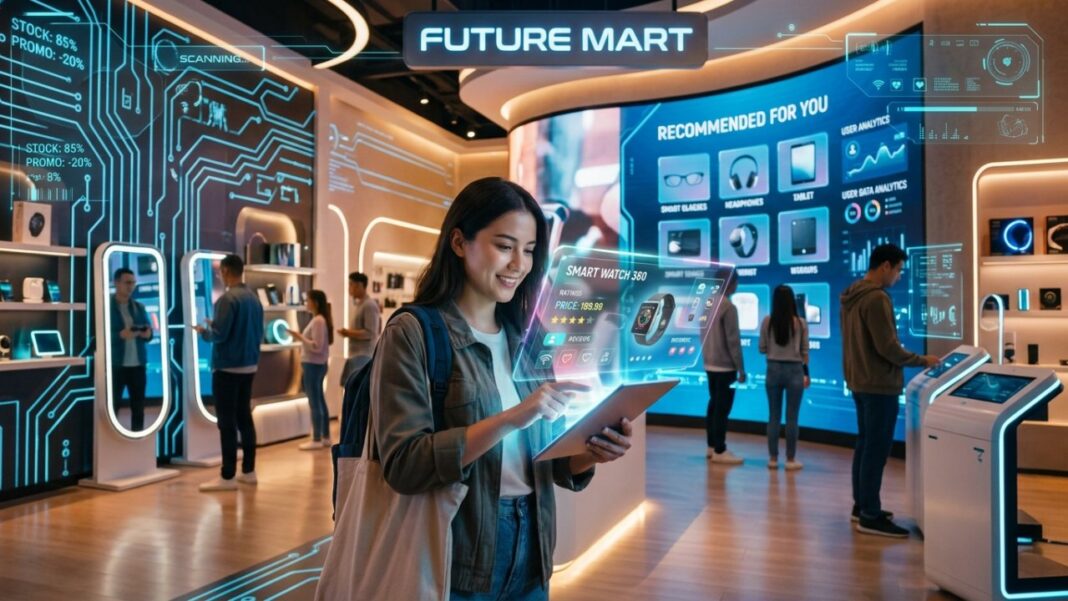

To stay ahead in retail, you need to embrace seven key technology trends reshaping shopping. Start by implementing AI tools like chatbots for better customer engagement and use predictive analytics for smarter inventory management. Consider adopting omnichannel strategies to create seamless online and offline experiences. These steps not only enhance efficiency but also foster brand loyalty. Curious about how these innovations can directly impact your business? Let’s explore each trend further.
Key Takeaways
- AI-driven chatbots and recommendation engines are set to manage over 85% of customer interactions by 2026, enhancing service efficiency.
- Omnichannel strategies provide seamless shopping experiences, with 75% of customers expecting consistency across online and offline channels.
- Predictive analytics improve inventory management, boosting sales by up to 15% and maintaining ideal stock levels.
- Real-time tracking technologies and RFID enhance logistics and inventory management, significantly reducing operational costs.
- Influencer marketing and social commerce are projected to tap into $1 trillion in sales by 2025, leveraging authentic connections with consumers.
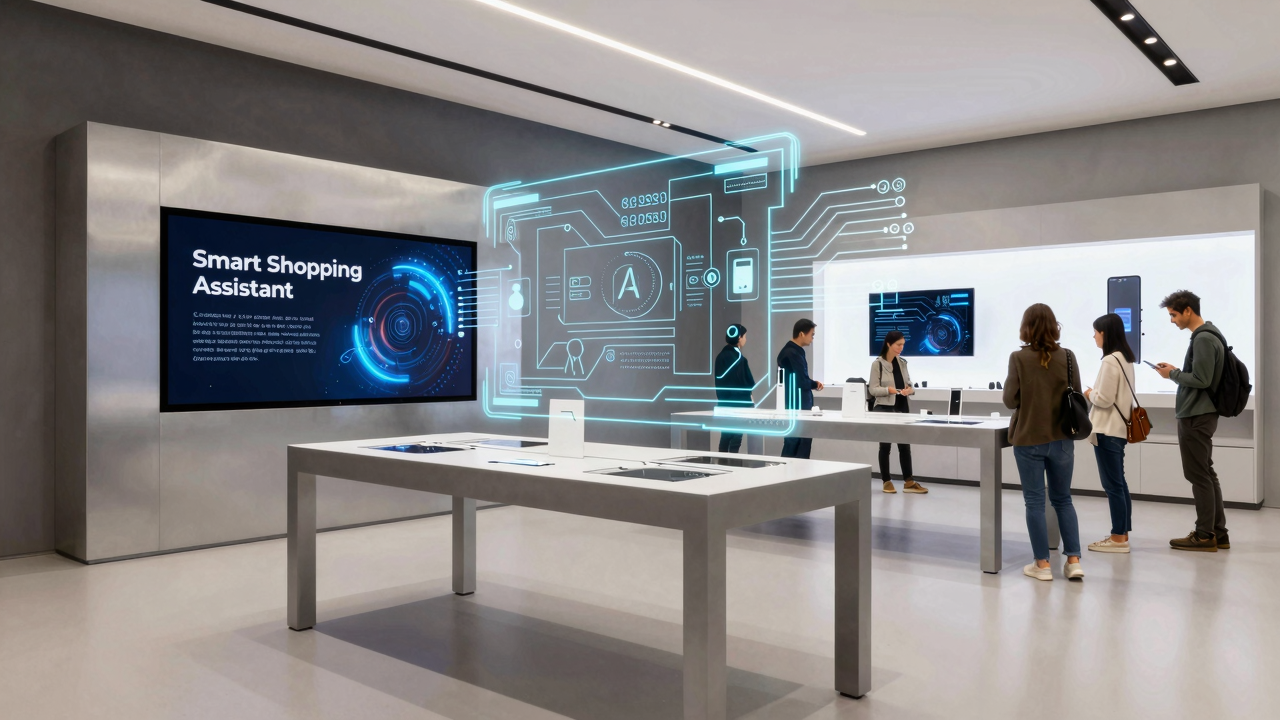
As you look to enhance your shopping experience, consider how Pragmatic AI can transform the way you engage with retailers. By implementing chatbots and recommendation engines, retailers can handle over 85% of customer interactions by 2026. This means you’ll receive faster responses and personalized suggestions tailored to your preferences.
Additionally, AI-driven predictive analytics improve inventory management, ensuring products are readily available, which can boost sales by up to 15%. Imagine never facing out-of-stock frustrations again. Agentic AI automates tasks like stock reordering, allowing retailers to maintain ideal levels without manual effort.
Furthermore, the automation of routine processes reduces operational costs and errors, making your shopping smoother.
Embrace these retail technology trends, and you’ll enjoy hyperpersonalized experiences that enhance loyalty and increase conversion rates. Leverage these tools to make your shopping not just easier, but also more enjoyable.
Why Omnichannel Strategies Are Essential for Retail Success?
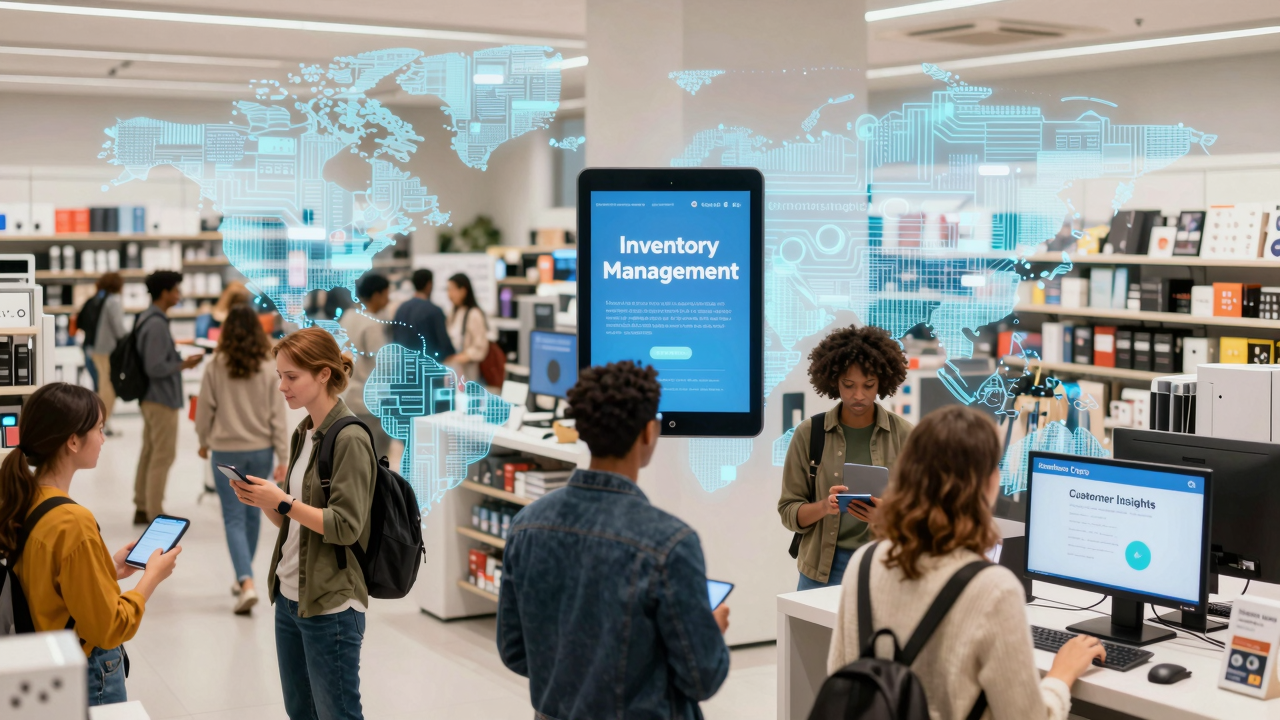
Omnichannel strategies are essential for retail success because they enhance the shopping experience, build brand loyalty, and streamline operations.
By integrating online and offline channels, you can provide a seamless journey for your customers, making it easier for them to shop how and when they want.
To get started, assess your current touchpoints, invest in unified commerce systems, and focus on consistent communication to keep customers engaged and satisfied.
Enhanced Shopping Experience
To enhance your shopping experience and guarantee retail success, integrating online and offline channels is vital. Omnichannel strategies lead to an impressive 89% customer retention rate, so make sure your business effectively connects these touchpoints.
Over 75% of customers expect a seamless experience, which makes it essential to streamline your processes. Use advanced data analytics to boost customer engagement by up to 80%. This can drive sales dramatically.
Implement a unified commerce approach for real-time inventory management, ensuring your customers find what they need when they need it. Plus, effective omnichannel strategies can cut supply chain costs by 10%.
2. Increased Brand Loyalty
Creating a seamless shopping experience isn’t just beneficial; it’s essential for building brand loyalty in today’s competitive retail landscape.
You need to implement effective omnichannel strategies that connect your online and offline channels. Over 75% of consumers expect a unified experience, so focus on integrating your systems to meet these expectations.
Use retail innovation technology to create personalized marketing that can boost customer engagement by up to 80%. Guarantee real-time inventory visibility to foster trust in product availability, which directly impacts customer satisfaction.
By offering flexible shopping options, you not only enhance loyalty but also drive higher sales growth.
Prioritize these steps to build a loyal customer base that keeps returning to your brand.
3. Streamlined Operations Efficiency
Achieving streamlined operations efficiency relies heavily on a seamless shopping experience across all channels. Omnichannel strategies are essential, as they enhance customer satisfaction and retention. By integrating technology in retail stores, you can create a consistent experience that keeps customers engaged. For instance, using advanced data analytics can help you anticipate customer behaviors and tailor your marketing.
| Action | Benefit | Example |
|---|---|---|
| Implement Analytics | Understand customer needs | Increase engagement by 80% |
| Use Unified Platforms | Accurate inventory management | Reduce out-of-stock issues |
| Adopt Omnichannel | Boost sales by 30% | Improve customer loyalty |
Embracing these emerging tech trends not only improves efficiency but also drives revenue growth. Focus on integration for lasting success.
The Impact of Data Analytics on Retail Decisions
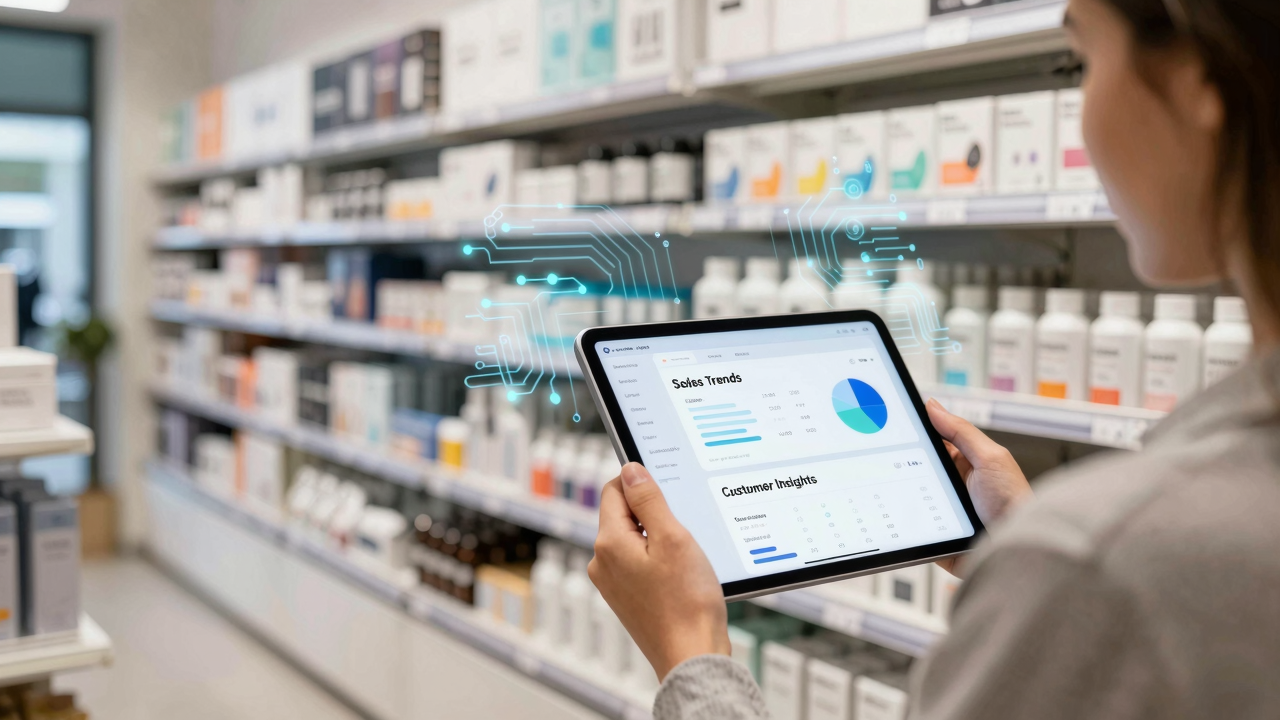
As retailers navigate an increasingly competitive landscape, leveraging data analytics can transform decision-making processes and enhance overall effectiveness.
By utilizing the latest technology innovations, you can make informed choices that drive sales and improve customer satisfaction. Here are three key steps to take into account:
- Implement Predictive Analytics: Use historical data to forecast future demand, ensuring you maintain ideal inventory levels and reduce stockouts.
- Adopt Heat Mapping Technology: Visualize customer movement in-store to tailor layouts and marketing strategies, maximizing engagement and sales opportunities.
- Utilize Unified Data Platforms: Break down data silos to gain a thorough view of customer behavior, vital for effective omnichannel marketing strategies.
These AI retail technology trends are essential in enhancing your operations, cutting supply chain costs, and boosting customer engagement by up to 80%.
Embrace data analytics today to stay ahead in the retail game.
Emerging Technologies That Transform Customer Experiences
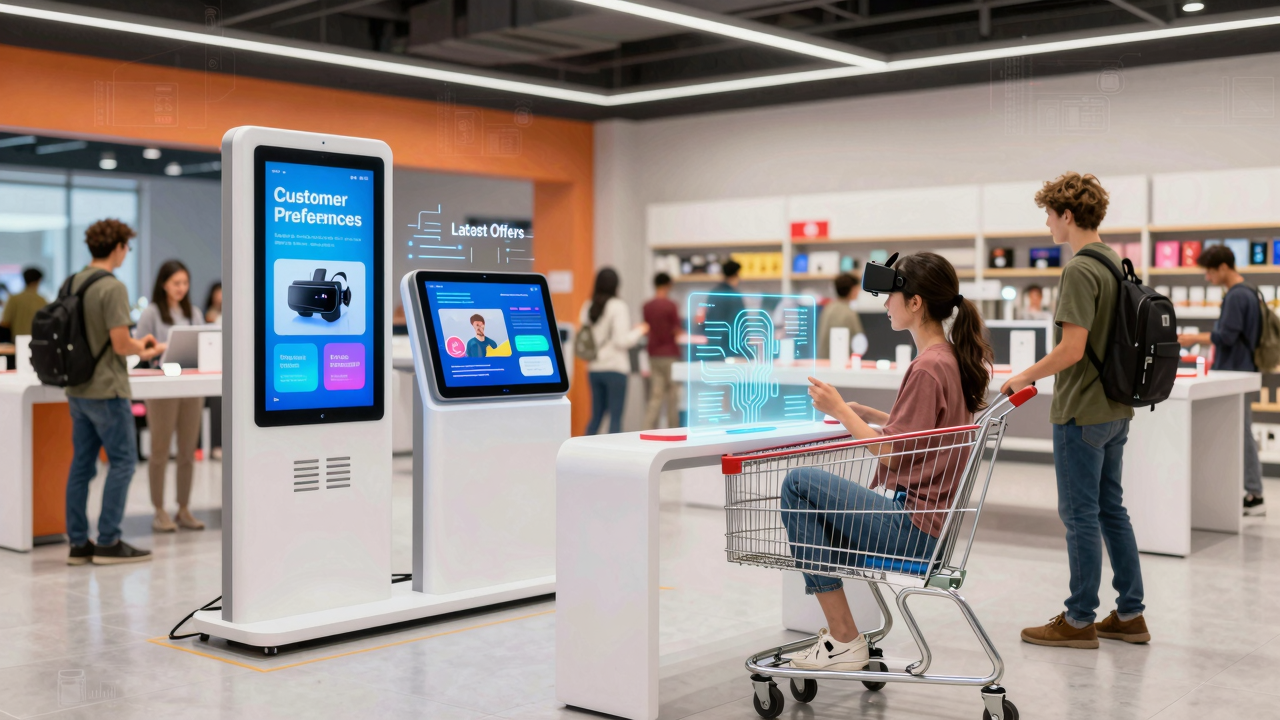
Emerging technologies are reshaping how customers interact with retail brands, enhancing experiences in ways that were once unimaginable. You can leverage shopping technology like mixed reality (MR) for virtual try-ons, allowing customers to engage more dynamically with products.
AI-driven personalization creates tailored shopping experiences, improving targeted marketing effectiveness and boosting customer satisfaction.
Consider implementing voice commerce to simplify shopping; voice-activated commands make reordering and product searches effortless for your customers.
Robotics and automation in warehouses streamline operations, which can lead to faster delivery times, meeting customer expectations more effectively.
Additionally, IoT devices help with real-time inventory tracking and enhance supply chain transparency, ensuring product availability across all channels.
Adapting to Changing Consumer Behaviors in Retail
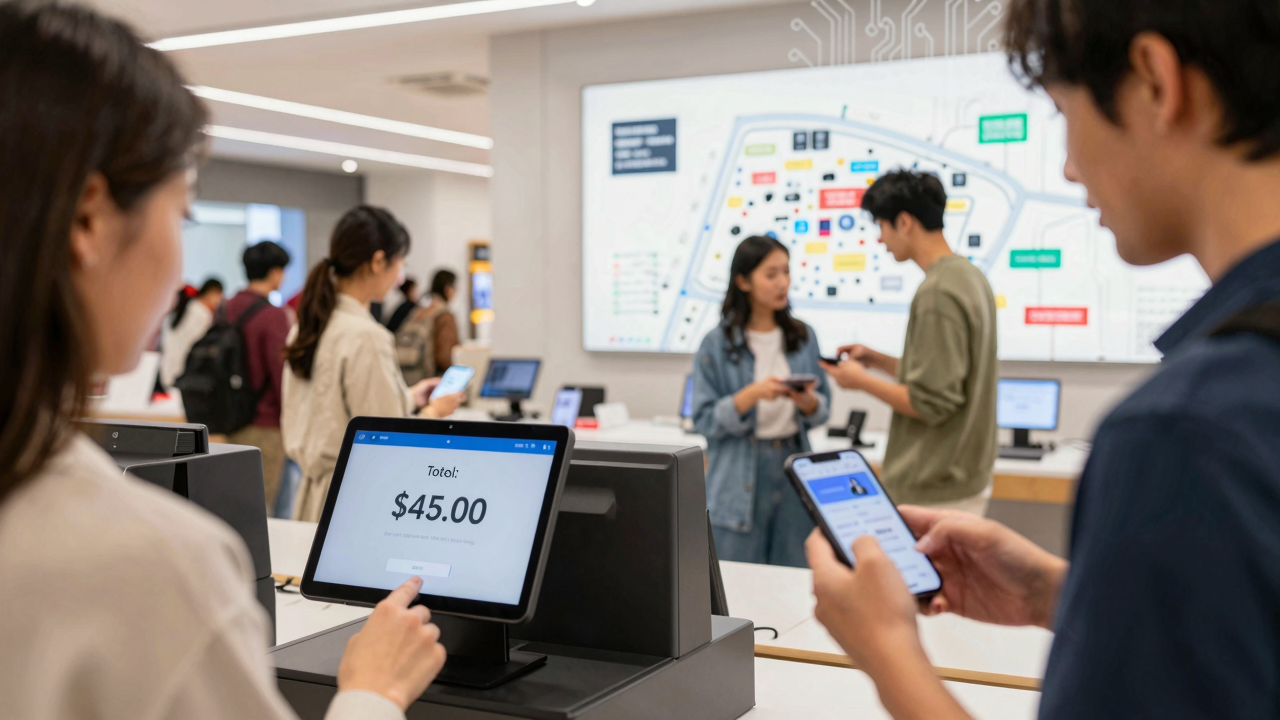
To successfully adapt to changing consumer behaviors, you need to embrace omnichannel shopping experiences that blend online and in-store options.
Focus on leveraging social media to understand trends and engage with your audience, as this can greatly influence their purchasing decisions.
Ultimately, personalize your retail strategies by using customer data to tailor offers and improve satisfaction, ensuring you meet their evolving expectations.
Omnichannel Shopping Experiences
In today’s fast-paced retail landscape, creating seamless omnichannel shopping experiences is essential for meeting evolving consumer expectations.
Here’s how you can enhance your strategy:
1. Integrate Technology: Use new retail technology to unify your online and in-store experiences, guaranteeing customers receive consistent service across all platforms.
2. Leverage Data Analytics: Utilize advanced data analytics to gather insights into customer behaviors.
This will help you tailor your marketing strategies and improve engagement.
3. Streamline Inventory Management: Implement integrated systems that allow for real-time inventory tracking.
[embedded content]
This increases operational efficiency and assures customers find what they need, when they need it.
2. Social Media Influence
As social media continues to shape shopping habits, it’s essential for retailers to adapt their strategies to engage consumers effectively.
With over 75% of Gen Z influenced by social media in their purchasing decisions, you need to leverage this powerful platform. Start by collaborating with authentic influencers, as 49% of consumers trust their recommendations.
Utilize shoppable posts on platforms like Instagram and TikTok, where 50% of users show interest in buying directly through ads. Incorporate social commerce features to tap into the projected $1 trillion in sales by 2025.
Finally, invest in data analytics to tailor your marketing efforts; retailers can see up to an 80% increase in customer engagement by understanding social media interactions.
3. Personalized Retail Strategies
Retailers must adapt to the evolving landscape of consumer behavior by implementing personalized strategies that resonate with today’s shoppers.
To effectively engage your audience, consider these key approaches:
- Leverage Advanced Data Analytics: Use AI to analyze purchasing histories, allowing you to tailor offers that match individual preferences, boosting engagement by up to 80%.
- Enhance Omnichannel Integration: Guarantee a seamless experience across all touchpoints, as 75% of customers expect this consistency in their shopping journey.
- Optimize for Voice Commerce: As voice shopping rises, make certain your product listings are voice-search friendly, meeting the demand for convenience.
Supply Chain Innovations for Better Efficiency
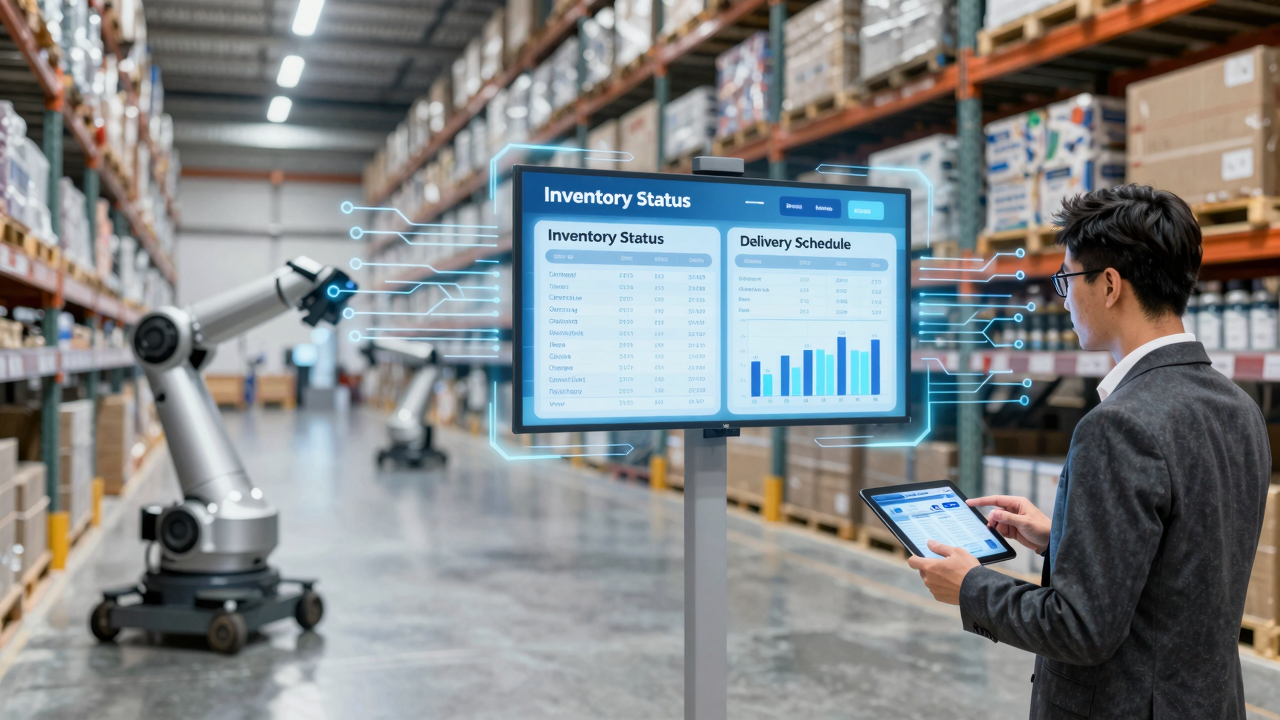
To enhance supply chain efficiency, consider implementing innovative technologies that streamline operations and reduce costs. Start by adopting predictive analytics, which can boost resource planning and inventory management while potentially cutting operational expenses by up to 30%.
Real-time tracking technologies will provide transparency, letting you monitor logistics and inventory levels continuously. This kind of visibility helps you respond quickly to changes in demand.
Additionally, explore automation in logistics, such as autonomous deliveries and robotic sorting, which can increase productivity in distribution centers by up to 200%.
Integrating RFID technology will also enhance inventory management, reducing stockouts and improving order fulfillment.
Finally, consider sustainable practices supported by tracking software to minimize waste and align with consumer demands for eco-friendly operations.
Future Payment Technologies in Retail
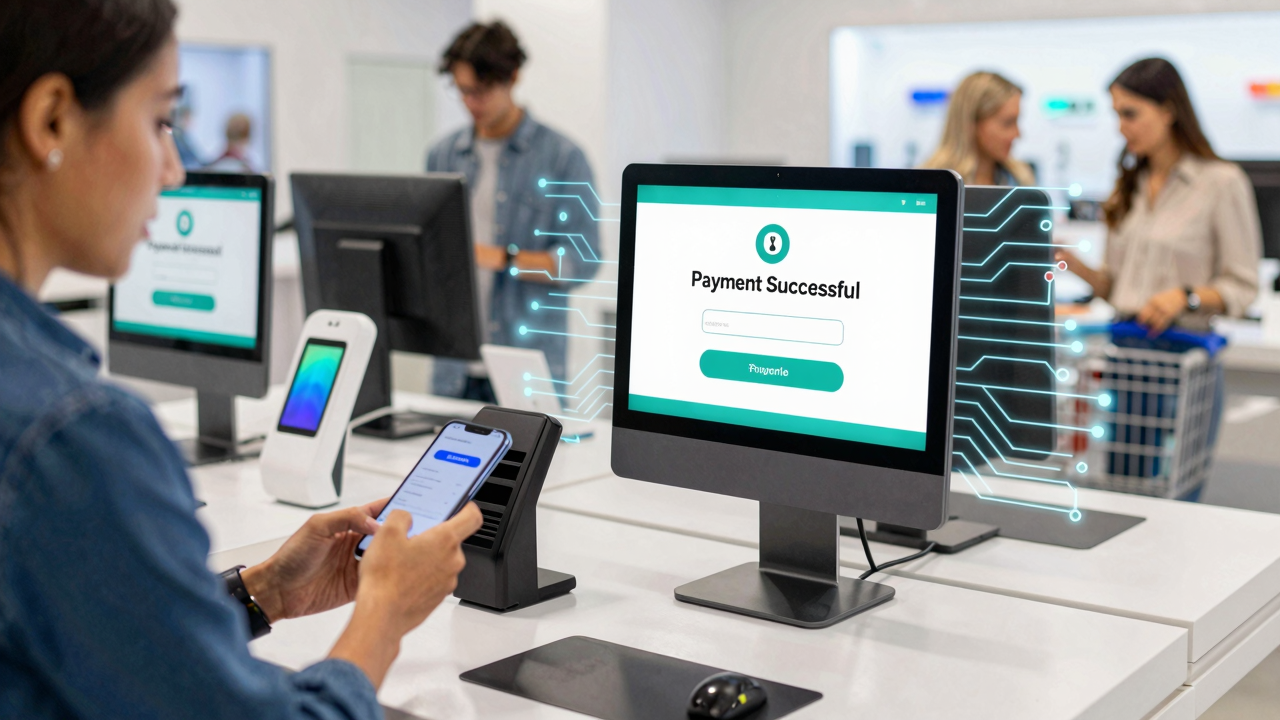
While exploring future payment technologies in retail, you’ll find that the shift towards digital solutions is reshaping the shopping experience.
Adopting new technology for retail stores can greatly enhance convenience and security. Here are three trends to reflect on:
- Contactless Payments: Embrace systems that allow customers to make purchases with a simple tap or scan. This reduces wait times and enhances the checkout experience.
- Biometric Authentication: Implement fingerprint scanning or facial recognition for secure transactions. This trend not only enhances safety but also speeds up the payment process.
- Flexible Payment Options: Offer subscription and installment plans to cater to diverse preferences. This can help drive sales by making purchases more manageable for customers.
Frequently Asked Questions
How Has Technology Impacted Shopping?
Technology’s transformed shopping by making it faster and more convenient. You can now browse products online, compare prices, and read reviews before visiting a store.
Use mobile apps for easy access to promotions and loyalty rewards. Embrace contactless payments for quicker checkouts, and consider using AI chatbots for instant customer support.
Don’t forget to leverage social media for product recommendations and trends, enhancing your overall shopping experience.
What Are the Future Trends in the Retail Industry?
Future trends in the retail industry include a shift toward omnichannel experiences, where you’ll seamlessly move between online and in-store shopping.
[embedded content]
Expect increased use of AI for personalized recommendations and faster service.
Sustainability will become a priority, influencing your purchasing decisions.
Contactless payment methods will dominate, enhancing convenience.
Finally, retailers will leverage data analytics to understand your preferences better, leading to tailored marketing strategies that meet your needs more effectively.
What Key Trends Are Shaping the Future of Shopping Malls?
To shape the future of shopping malls, focus on integrating digital technologies for seamless experiences.
Enhance customer engagement using mobile apps and augmented reality.
Adopt sustainable practices to appeal to eco-conscious shoppers, like energy-efficient systems.
Create entertainment and community spaces to draw in foot traffic.
Finally, utilize data analytics to understand customer behavior and optimize tenant mix.
What Are the Three Major Trends That Will Reshape Retail in 2026?
In 2026, expect unified omnichannel commerce, advanced personalization through AI, and automation to reshape retail.
To adapt, integrate all sales channels into one platform for a smoother customer experience. Use AI analytics to tailor shopping experiences to individual preferences, boosting engagement.
Finally, implement automation in routine tasks to improve efficiency and reduce costs.
Focus on these trends now to stay competitive and meet evolving consumer expectations effectively.
Conclusion
As retail technology evolves, staying ahead means embracing these trends. Start by integrating AI for better customer interactions and use data analytics to inform your inventory decisions. Implement an omnichannel approach to enhance customer experiences, and explore supply chain innovations to boost efficiency. Don’t overlook future payment technologies; adopting contactless options can streamline transactions. Finally, engage with consumers through social commerce and influencer marketing. By taking these steps, you’ll position your business for success in the changing retail landscape.
[embedded content]
Image via Google Gemini and Small Business Trends