
This post was originally published on this site.
Dynamic pricing is a strategy that adjusts prices in real-time based on various factors, such as consumer demand and competitor pricing. This approach uses advanced algorithms to analyze market trends, enabling businesses to optimize pricing for maximum revenue. For example, airlines often increase ticket prices during holiday seasons when demand is high. Comprehending how dynamic pricing works can help you grasp its implications for businesses and consumers alike, and the next steps in its implementation are critical.
Key Takeaways
- Dynamic pricing is a strategy that adjusts prices in real time based on market demand, supply, and competitor pricing.
- It utilizes algorithms that analyze data to optimize pricing and maximize revenue, particularly in industries like airlines and hospitality.
- Common strategies include demand pricing, time-based pricing, location-based pricing, and competition-based pricing to respond effectively to market changes.
- Automation in dynamic pricing systems enables quick price adjustments, reducing manual intervention and enhancing market competitiveness.
- Key performance metrics, such as conversion rates and profit margins, are essential for evaluating and refining dynamic pricing strategies.
What Is Dynamic Pricing?

Dynamic pricing is a strategic approach where prices for products or services fluctuate in real time, responding to various market conditions such as supply and demand, competitor pricing, and inventory levels.
This dynamic pricing model uses algorithms to analyze data, allowing businesses to implement a dynamic pricing strategy that maximizes revenue. Demand-based pricing is a key component, adjusting prices based on consumer interest and purchasing behavior.
The benefits of dynamic pricing include improved competitiveness, better resource management, and increased profitability. Commonly used in industries like Delta Air Lines and hospitality, dynamic pricing enables companies to react swiftly to market changes, ultimately leading to better financial performance and customer satisfaction.
How Dynamic Pricing Works

Pricing strategies that adjust to current market conditions rely heavily on real-time data collection and analysis.
So, how does dynamic pricing work? It involves a dynamic pricing system that gathers data on market demand, competitor pricing, and customer behavior. This data undergoes analysis to identify pricing opportunities, leading to automated price adjustments across sales channels.
For instance, airlines use dynamic pricing optimization to change ticket prices based on booking time, competitor fares, and seat availability.
The advantages of dynamic pricing include the ability to respond swiftly to market fluctuations and maximize revenue. Automation tools facilitate instantaneous changes, ensuring businesses can adapt to consumer demand almost immediately, enhancing competitiveness in a constantly evolving marketplace.
Types of Dynamic Pricing Strategies
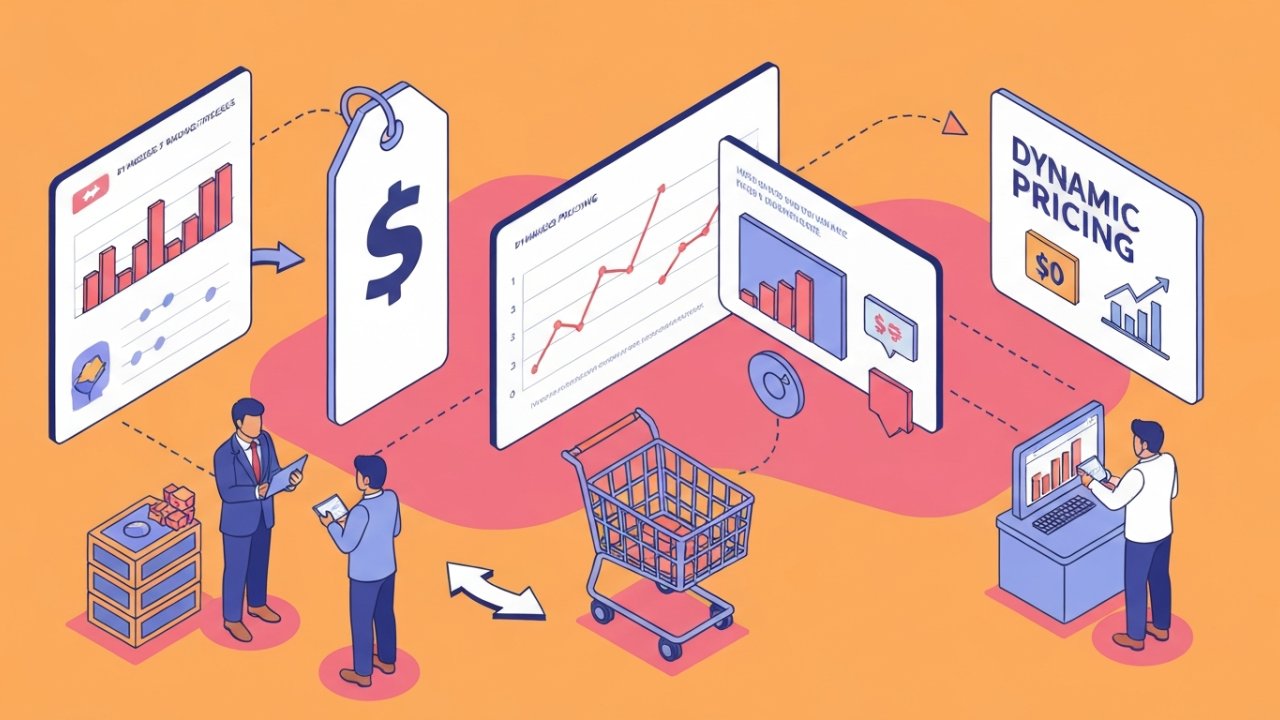
When businesses seek to optimize their revenue and adapt to changing market conditions, they often turn to various types of dynamic pricing strategies. Here are some key examples:
| Strategy Type | Description | Example |
|---|---|---|
| Demand Pricing | Adjusts prices based on real-time demand. | Airlines increase prices during busy seasons. |
| Time-Based Pricing | Prices vary by specific times or seasons. | Discounts on weekends for hotels. |
| Location-Based Pricing | Prices change based on geographic location. | Uber’s fares vary by city. |
| Competition-Based Pricing | Adjustments based on competitor prices. | Retailers match or beat competitors’ prices. |
These dynamic pricing strategy examples help businesses maximize sales as they remain competitive, ensuring they can effectively respond to fluctuations in demand, time, and location.
Advantages of Dynamic Pricing

As businesses work to improve their revenue and maintain competitiveness, embracing dynamic pricing offers several advantages that can markedly impact their operations.
Dynamic pricing meaning involves adjusting prices based on real-time market conditions, which can lead to a revenue increase of up to 13% during peak sales.
One of the key dynamic pricing pros is improved market competitiveness, as companies can quickly respond to competitor pricing.
Furthermore, this strategy improves inventory management by optimizing prices for high-demand items while reducing excess stock.
By personalizing pricing based on customer data, dynamic pricing companies cultivate stronger relationships and encourage repeat purchases.
Disadvantages of Dynamic Pricing

Although dynamic pricing can improve revenue and competitiveness, it likewise presents several significant disadvantages that businesses must consider.
One major issue is customer dissatisfaction, as frequent price changes can confuse consumers and lead to feelings of unfair treatment.
Moreover, implementing a dynamic pricing policy can be complex and costly, requiring substantial investments in data analytics tools and skilled personnel.
There are also ethical concerns, especially with personalized pricing strategies that may seem discriminatory, affecting brand trust.
In addition, aggressive dynamic pricing can provoke price wars among competitors, eroding profit margins.
Finally, regulatory scrutiny may arise as companies must guarantee compliance with legal standards to avoid penalties for any perceived unfair pricing practices, adding to the overall cost of dynamic pricing.
Real-World Examples of Dynamic Pricing

When you think about real-world examples of dynamic pricing, ride-sharing services and airlines come to mind.
For instance, ride-sharing companies like Uber adjust their fares based on demand, often increasing prices during peak times to manage rider requests effectively.
Similarly, airlines frequently alter ticket prices in response to factors like demand and time until departure, optimizing their revenues as they ensure that flights are filled efficiently.
[embedded content]
Ride-Sharing Services Impact
Dynamic pricing has significantly transformed the ride-sharing industry, enabling services like Uber and Lyft to adjust fares in real time based on demand and driver availability. This surge pricing strategy can lead to fares increasing two to three times during peak hours or major events.
[embedded content]
Here’s how dynamic pricing impacts ride-sharing:
- Encourages more drivers to work during high-demand periods.
- Provides increased ride availability when demand spikes.
- Sends notifications to customers about potential fare increases, enhancing transparency.
- Contributes to a 20% revenue increase during busy times compared to fixed pricing models.
- Utilizes algorithms to analyze data on ride requests and driver availability.
Dynamic pricing is typically used for pricing in various sectors, including dynamic pricing online and dynamic pricing tickets.
Airline Pricing Adjustments
Airlines are increasingly adopting dynamic pricing strategies, which allow them to adjust ticket prices in real time based on various factors like demand fluctuations, booking time, and remaining seat availability.
This dynamic pricing is most often used for maximizing revenue, particularly as departure dates approach. For instance, airlines may raise prices by up to 50% owing to heightened demand and reduced inventory.
Major carriers like Delta and United utilize dynamic pricing engines, leveraging sophisticated algorithms for dynamic price optimization.
During peak travel seasons, these airlines may implement surge pricing, increasing ticket costs by 30% or more to capitalize on high demand.
These dynamic pricing examples highlight the flexibility airlines have in responding to market conditions.
How to Implement a Dynamic Pricing Strategy

Implementing a dynamic pricing strategy requires careful planning and execution, as it hinges on real-time data analysis and market insights.
To successfully implement dynamic pricing in your ecommerce business, follow these steps:
- Collect and analyze real-time data on market demand, inventory levels, and competitor pricing.
- Integrate automation tools for instant price adjustments across sales channels.
- Establish clear objectives and metrics that align with your dynamic price policy.
- Continuously monitor key performance indicators like conversion rates and profit margins to evaluate effectiveness.
- Set price guardrails to establish minimum and maximum thresholds, preventing extreme price fluctuations.
Best Practices for Successful Dynamic Pricing

To guarantee success in your dynamic pricing strategy, it’s crucial to establish clear objectives that align with your overall business goals.
Start by utilizing high-quality, accurate data to inform your ecommerce pricing strategy, ensuring it supports both revenue maximization and customer satisfaction.
Choose the right pricing model, whether it’s rule-based or AI-powered, to improve responsiveness to market changes.
Implement automation to evaluate real-time data for instant price updates as you set guardrails like minimum and maximum price thresholds to avoid significant pricing errors.
Continuously monitor key performance metrics, such as conversion rates and profit margins, to refine your dynamic rates.
This proactive approach will help you differentiate variable pricing vs dynamic pricing effectively, leading to improved outcomes.
Frequently Asked Questions

What Is Dynamic Pricing With an Example?
Dynamic pricing involves adjusting prices in real-time based on various factors like demand, supply, and competitor pricing.
For example, when you book a flight, the airline might increase ticket prices as more people book the same flight or as the departure date approaches.
This strategy allows businesses to maximize revenue during responding to market changes, ensuring they remain competitive and efficient in meeting customer demand.
What Is the Downside of Dynamic Pricing?
Dynamic pricing can lead to customer dissatisfaction because of frequent price fluctuations, which may be viewed as unfair.
This perception can erode trust and loyalty, especially if consumers feel they’re being exploited.
Furthermore, implementing dynamic pricing requires significant resources for data analysis and can trigger price wars among competitors, in the end harming profitability.
In addition, ethical concerns about personalized pricing may arise, drawing scrutiny from consumer advocacy groups and regulatory bodies, complicating its adoption.
Did Taylor Swift Use Dynamic Pricing?
Yes, Taylor Swift utilized dynamic pricing for her “Eras Tour” tickets.
Prices fluctuated based on real-time demand, seat location, and market conditions. For instance, some tickets surged to over $1,000 on resale platforms as demand spiked.
This approach aimed to maximize revenue by adjusting prices quickly in response to consumer willingness to pay.
Although effective for revenue generation, it likewise drew criticism from fans frustrated by the high prices and limited ticket availability.
Who Benefits From Dynamic Pricing?
Dynamic pricing benefits various stakeholders, including consumers, businesses, and service providers.
You, as a consumer, might enjoy lower prices during off-peak times or targeted discounts.
Businesses, like airlines and hotels, maximize revenue by adjusting prices based on demand, ensuring peak occupancy rates.
Moreover, e-commerce platforms respond to competitor pricing, keeping their offerings competitive.
Conclusion

In summary, dynamic pricing is a valuable strategy that allows businesses to adjust prices in real-time based on market conditions. By leveraging advanced algorithms to analyze data on demand, supply, and competitor pricing, companies can improve competitiveness and optimize revenue. Although it offers several advantages, such as improved inventory management, it likewise presents challenges, like customer dissatisfaction. Implementing a successful dynamic pricing strategy requires careful planning and adherence to best practices to maximize its benefits.
[embedded content]
Image via Google Gemini