

This post was originally published on this site.
Managing your time effectively can transform your daily routine and overall satisfaction. Start by prioritizing tasks, which boosts your productivity and reduces distractions. Schedule regular breaks to help you avoid burnout and maintain focus. Set clear boundaries between work and personal life to enhance your well-being. As you implement these strategies, you’ll likely notice improvements in decision-making and personal growth. But what’s the next step to guarantee you’re maximizing these benefits?
Key Takeaways
- Effective time management boosts productivity by prioritizing tasks, leading to higher output and quality of work.
- It reduces stress and prevents burnout by encouraging manageable pacing and regular breaks.
- A structured schedule fosters work-life balance, ensuring time for personal relationships and self-care.
- Improved focus and decision-making arise from better prioritization and reduced distractions.
- Successful time management facilitates personal and professional growth, aligning daily activities with long-term goals.
Boost Your Productivity and Efficiency

To boost your productivity and efficiency, start by prioritizing your tasks effectively. The advantages of time management are clear: when you organize tasks by urgency and importance, you can complete more work in less time. For students, this means achieving better grades and managing projects with ease.
Use techniques like the “three Ps”—Preparing, Prioritizing, Performing—to streamline your workflow.
Begin each day by listing your tasks, then rank them. Focus on high-priority items first, which reduces distractions and enhances your focus. This structured planning leads to higher-quality outcomes, giving you a sense of accomplishment.
Research shows effective time management can increase productivity by up to 25%. By harnessing these pros of time management, you maximize your potential and achieve meaningful results.
Implement these strategies, and watch your efficiency soar, both in your studies and daily life.
Reduce Stress and Avoid Burnout

Managing your time effectively not only boosts productivity but also plays an essential role in reducing stress and avoiding burnout. When you prioritize tasks, you minimize that rushed feeling, allowing you to complete important activities at a manageable pace.
This structured approach brings the benefits of time management to the forefront, as it encourages regular breaks and self-care, crucial for your mental well-being.
Additionally, poor time management often leads to increased anxiety and sleep issues, showcasing the consequences of bad time management. To combat this, implement techniques like setting deadlines and using planners.
Celebrate small accomplishments to build confidence, which alleviates stress. By embracing these advantages of time, you’ll find that a well-organized schedule not only enhances your productivity but also fosters a healthier mindset, ultimately helping you avoid the pitfalls of burnout.
Prioritize your time, and watch your stress levels diminish.
Time Management for a Better Work-Life Balance

To achieve a better work-life balance, start by prioritizing your personal relationships alongside professional tasks.
Set specific times each week for family and friends, ensuring that you dedicate quality moments to those who matter most.
Prioritizing Personal Relationships
Prioritizing personal relationships is crucial for achieving a better work-life balance and enhancing your overall well-being. One key benefit of time management is that it helps you allocate dedicated time for friends and family.
Set clear boundaries around your work hours to guarantee you have quality moments with loved ones. Schedule regular social activities, like weekly dinners or game nights, to maintain those essential connections.
By creating a supportive network, you boost your emotional stability and improve your mental health. Research shows that maintaining these relationships leads to lower stress levels and higher happiness.
Reducing Burnout Risks
While juggling multiple responsibilities can feel overwhelming, effective time management is your best tool for reducing burnout risks.
Start by prioritizing tasks and setting realistic deadlines to create a balanced workload. A structured schedule allows you to allocate time for essential breaks and personal care, which are vital for your mental and physical health.
[embedded content]
Focus on significant responsibilities, minimizing distractions that lead to stress. Make sure your schedule includes time for personal relationships and hobbies, as these can help alleviate the pressure of daily demands.
Regularly evaluate your time management strategies to catch signs of burnout early, making necessary adjustments to your workload.
Improve Focus and Make Better Decisions With Time Management

To improve your focus and decision-making, start by prioritizing your tasks based on urgency and importance.
Create time blocks for specific activities to minimize distractions, which helps you concentrate better.
Prioritization Enhances Decision-Making
Effective time management hinges on your ability to prioritize tasks, which directly boosts your decision-making skills. By focusing on high-impact tasks, you align your actions with your goals and values.
To reduce decision fatigue, categorize tasks by urgency and importance; this helps you make clearer, quicker choices. For instance, use the Eisenhower Matrix to distinguish between what’s urgent and what’s truly important. This technique enhances clarity, allowing you to manage your workload effectively and avoid feeling overwhelmed.
Ultimately, effective prioritization can increase your productivity by up to 25%. Take time to evaluate your tasks regularly, ensuring you’re always directing your efforts where they’ll have the most significant impact.
Prioritize wisely, and you’ll see improved decision-making and results.
Clarity Boosts Task Focus
Clarity in your tasks can greatly boost your focus, making it easier to tackle each project head-on.
When you know exactly what you need to do, distractions fade away, and you can dive deeper into your work.
Here’s how to achieve that clarity:
- Prioritize your tasks based on urgency and importance.
- Set clear deadlines to keep yourself accountable.
- Regularly evaluate and adjust your task list to stay on track.
- Break down larger projects into smaller, manageable steps.
Grow Personally and Professionally Through Time Management

When you manage your time wisely, you not only boost your productivity but also set the stage for personal and professional growth. By prioritizing your tasks, you can sharpen your skills and become more valuable in the workplace, paving the way for career advancement. Regularly evaluating your time management strategies helps you adapt and improve, which is essential in today’s fast-paced environment.
Here’s a quick table to illustrate how time management impacts personal and professional growth:
| Aspect | Benefit | Action Step |
|---|---|---|
| Self-Awareness | Increased goal achievement | Set specific, measurable goals |
| Skill Enhancement | Greater workplace value | Identify and focus on key skills |
| Work-Life Balance | Reduced burnout risk | Schedule personal time regularly |
Improve Your Mental Health and Well-Being

Managing your time well can greatly enhance your mental health and overall well-being. When you effectively manage your time, you can markedly reduce stress levels and feel more in control of your life.
Here are some practical steps to take into account:
- Prioritize tasks: Focus on what’s urgent and important to avoid feeling overwhelmed.
- Set realistic goals: Break larger tasks into smaller, manageable steps to boost emotional stability and prevent burnout.
- Schedule breaks: Allocate time for personal care and relaxation to improve focus and reduce anxiety.
- Assess your strategies: Regularly evaluate your time management techniques to increase self-efficacy and confidence.
Make Time for What Matters Most
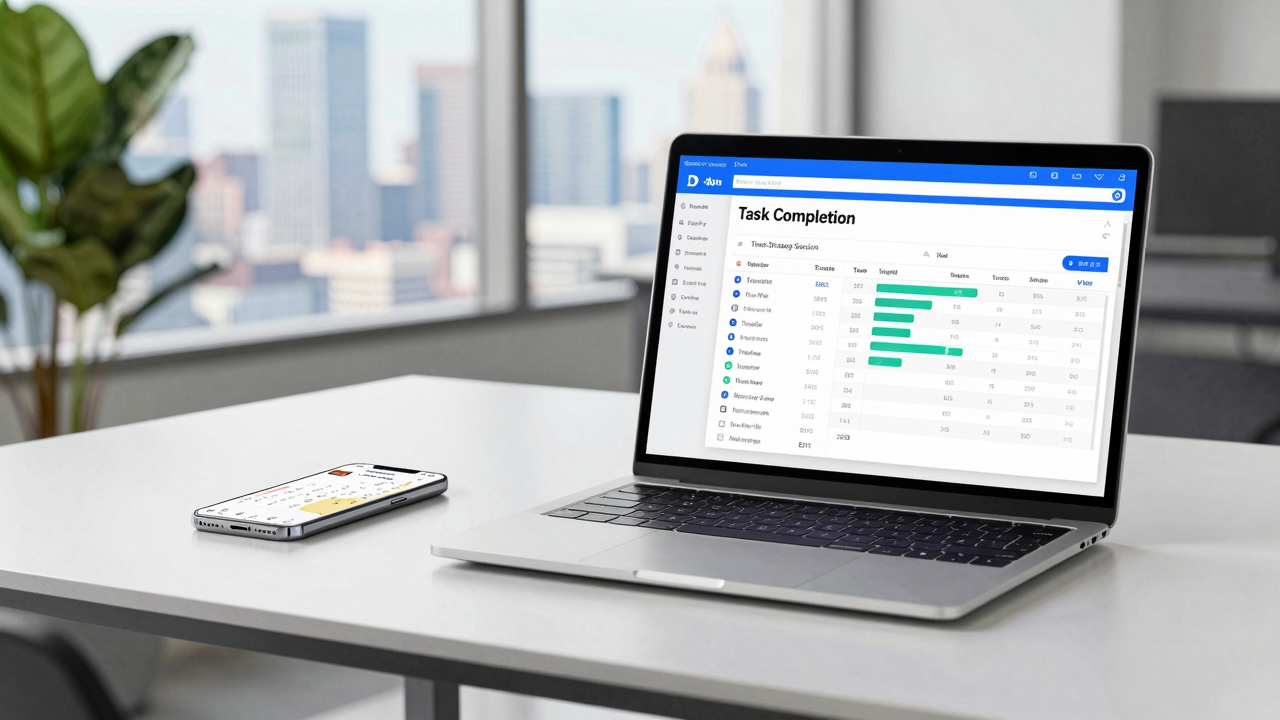
Finding time for what truly matters can feel challenging, especially when juggling daily responsibilities. To make it easier, start by prioritizing your tasks.
List what’s most important, whether it’s family time, hobbies, or self-care. Allocate specific time blocks for these activities, reducing distractions and enhancing your focus.
Set clear goals and deadlines for your projects, so you can structure your day around what’s essential.
Regularly evaluate how you spend your time. Identify areas where you might be wasting time, and adjust accordingly to focus more on your priorities.
Frequently Asked Questions
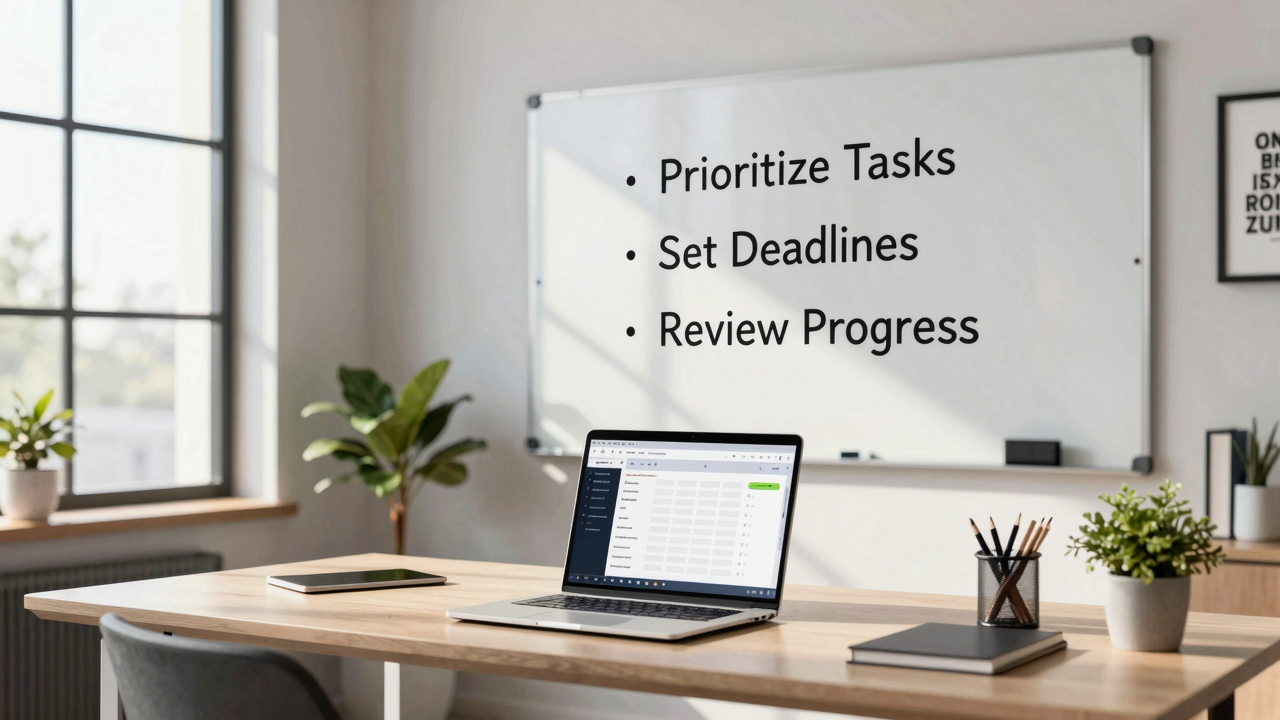
What Are 5 Benefits of Time Management?
Time management offers five key benefits.
First, it boosts your productivity by helping you prioritize tasks.
Second, it reduces stress, as a well-organized schedule allows you to manage your workload better.
Third, you achieve a healthier work-life balance by allocating time for both work and personal life.
Fourth, it improves goal achievement by providing clear steps to success.
Finally, it enhances focus, enabling better decision-making and higher-quality outcomes in your tasks.
[embedded content]
What Is the 3-3-3 Rule for Time Management?
The 3-3-3 Rule for time management divides your day into three focused segments: three hours for planning, three hours for concentrated work, and three hours for personal time.
Start by outlining tasks during the planning phase, then tackle your most important work without distractions.
Finally, guarantee you take personal time to recharge.
This structure helps you prioritize tasks, reduces overwhelm, and creates a balanced daily routine that enhances productivity and well-being.
What Are 10 Benefits of Time Management for Students?
Time management offers students numerous benefits.
First, it helps you prioritize tasks, improving your grades.
Second, it reduces stress, making deadlines more manageable.
Third, you can focus better by scheduling study blocks.
Fourth, it boosts your confidence as you complete assignments.
Fifth, you gain more free time for extracurricular activities.
Sixth, it fosters a balanced life, enhancing your overall well-being.
What Are the 7 Time Management Skills?
To effectively manage your time, focus on these seven skills: prioritize tasks by urgency, set clear and achievable goals, create detailed plans, delegate when possible, track how you spend your time, stay organized with tools like calendars, and make quick, informed decisions.
By practicing these skills, you’ll improve your efficiency and achieve your objectives.
Start small, applying one skill at a time, and gradually incorporate them into your daily routine.
Conclusion

Incorporating effective time management into your daily routine can transform your life. Start by prioritizing tasks with a simple list, set specific time blocks for focused work, and take regular breaks to recharge. Establish clear boundaries between work and personal time to enhance your balance. Reflect on your goals regularly and adjust as needed. By taking these steps, you’ll boost productivity, reduce stress, and make time for what truly matters. Take action today for lasting benefits.
[embedded content]
Image via Google Gemini and Small Business Trends