
This post was originally published on this site.
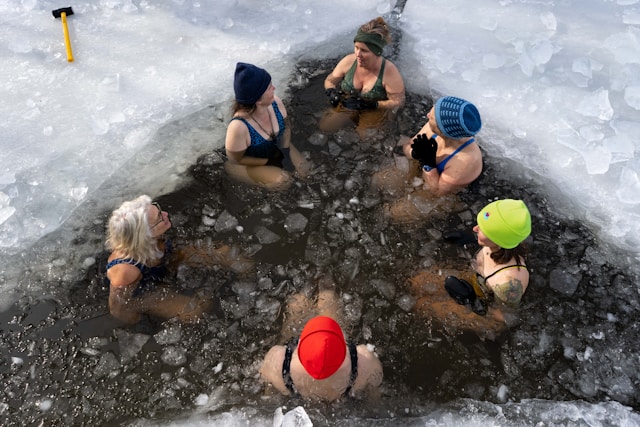
Cold plunges have moved well beyond social media trends and elite athletes. More women are exploring cold water immersion as part of a balanced wellness routine because growing research suggests it may support recovery, mood, resilience, and overall physical well-being. While jumping into icy water is not a cure-all, it has become a practical tool for women who want to feel energized, recover faster after exercise, and challenge themselves in a healthy way. As researchers continue studying the body’s response to cold exposure, the conversation is becoming less about hype and more about evidence.
Finding The Right Setup
For many women, convenience is the biggest factor in sticking with any wellness habit. A small cold plunge tub makes it much easier to add cold water therapy to a regular schedule without needing a large outdoor setup or expensive renovation. Compact tubs fit into garages, patios, home gyms, and even some bathrooms, making consistent use far more realistic.
The science behind cold immersion begins with the body’s natural response to low temperatures. Blood vessels temporarily narrow, heart rate changes, and the nervous system becomes more alert. After leaving the water, circulation increases as the body warms again. Researchers continue studying how these responses may influence recovery, inflammation, and mental well-being over time.
Many women also appreciate that cold plunges encourage consistency rather than intensity. Sessions often last only two to five minutes, making them easier to fit into busy schedules than lengthy wellness routines. Starting with moderately cool temperatures instead of extremely cold water allows beginners to build confidence while still experiencing many of the same physiological responses.
Recovery Beyond The Gym
Exercise recovery is one of the most researched uses of cold water immersion. Women who participate in strength training, running, cycling, hiking, or recreational sports often experience muscle soreness after demanding workouts. Cold exposure may reduce that soreness by temporarily decreasing inflammation and slowing some of the processes that contribute to discomfort after exercise.
Recovery is not only about muscles. Many women report feeling mentally refreshed after a cold plunge, particularly following stressful workdays. The combination of focused breathing and controlled exposure to discomfort encourages mindfulness without requiring a formal meditation practice. Instead of feeling overwhelmed by racing thoughts, many people describe leaving the water feeling alert, calm, and ready to tackle the rest of the day.
That does not mean every workout should end with a cold plunge. Some sports scientists recommend avoiding immediate cold immersion after certain strength training sessions because inflammation also plays a role in muscle adaptation. Timing matters, which is why many women use cold plunges on recovery days or after endurance activities rather than after every lifting session.
What Research Shows
Much of today’s excitement centers around the growing research into the benefits of ice baths. Studies suggest cold water immersion may help reduce delayed onset muscle soreness, improve perceived recovery, and stimulate the release of chemicals that influence mood and alertness. Researchers are also investigating how repeated cold exposure affects metabolism, immune responses, and stress resilience.
Women may experience additional advantages because recovery often becomes more challenging during demanding life stages that include careers, caregiving responsibilities, changing hormone levels, and active lifestyles. While cold plunges are not designed to treat hormonal changes, some women find that regular cold exposure helps them feel more energized and mentally focused throughout the day.
Experts continue emphasizing realistic expectations. Cold water therapy should complement healthy habits rather than replace them. Nutritious eating, regular movement, quality sleep, and stress management remain the foundation of long-term wellness. Cold plunges work best when they become one piece of a much larger picture instead of the entire strategy.
Making Cold Plunges Sustainable
One reason cold plunges continue gaining popularity is that the experience becomes easier with practice. The first session often feels intimidating, but learning controlled breathing techniques helps many women stay relaxed while the body adjusts to the temperature. Entering the water slowly, keeping breaths steady, and focusing on remaining calm can make the process much more comfortable.
Safety should always remain the priority. Anyone with cardiovascular concerns or other medical conditions should speak with a healthcare professional before beginning cold water immersion. Starting with shorter sessions and warmer temperatures gives the body time to adapt while reducing unnecessary risks.
Consistency usually delivers better results than pushing limits. Spending a few minutes in cold water several times each week often proves more practical than attempting extremely long or painfully cold sessions. Like most wellness habits, sustainable routines tend to outperform dramatic efforts that quickly become difficult to maintain.
Cold plunges appear to be evolving from a passing trend into a lasting wellness practice backed by increasing scientific interest. Women are embracing them because they offer a simple way to support recovery, sharpen focus, and build resilience while fitting into busy lives. As more research emerges, cold water immersion will likely continue earning its place alongside other evidence-based habits that help women feel stronger, healthier, and better prepared for everyday challenges.