
This post was originally published on this site.
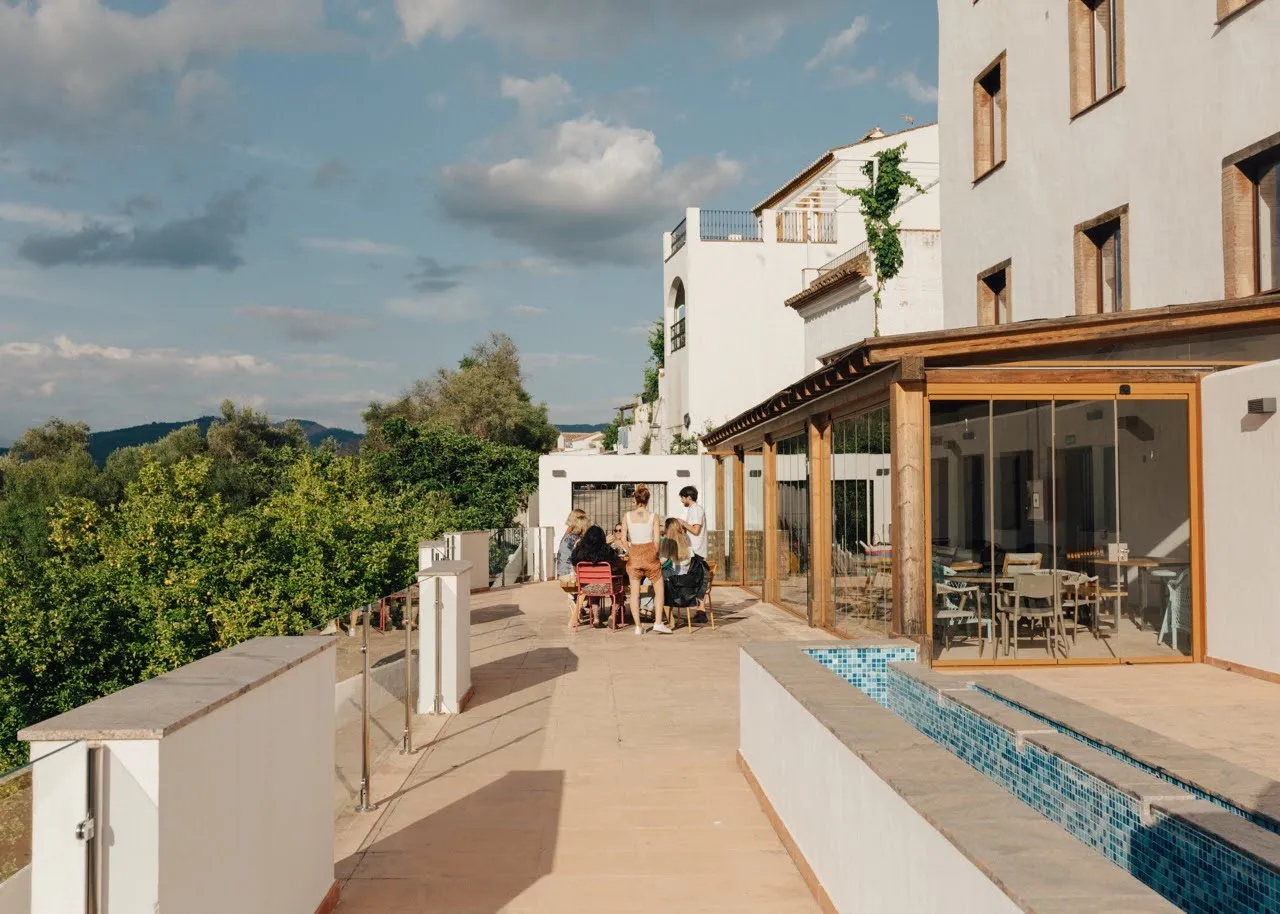
Rooral is one proposed solution that leverages travel to help bridge Spain’s rural-urban gap, an issue known as Espana Vaciada (Empty Spain). A few cities in Spain like Barcelona and Madrid receive 90% of the country’s tourism dollars and nearly 100 million annual visitors, resulting in outcry and protests against over tourism in recent years. At the same time, young Spaniards are leaving the country’s more remote regions to pursue education and corporate jobs in major cities, leaving 42% of the country’s 8,000 villages at risk of total depopulation, according to governmental projections.
As longtime residents leave, cultural traditions are forgotten and agricultural practices that once economically powered these villages—like harvesting cork for crafts and wine production—risk disappearing as well.
Juan Barbed, Rooral’s founder, witnessed how digital nomads could help reinvigorate rural communities and traditions after working remotely in over 40 countries himself. So when he came up with the idea for Rooral, he “wanted to build something where the community is at the core,” Barbed says. “If it doesn’t work for them [local residents], it makes no sense.”
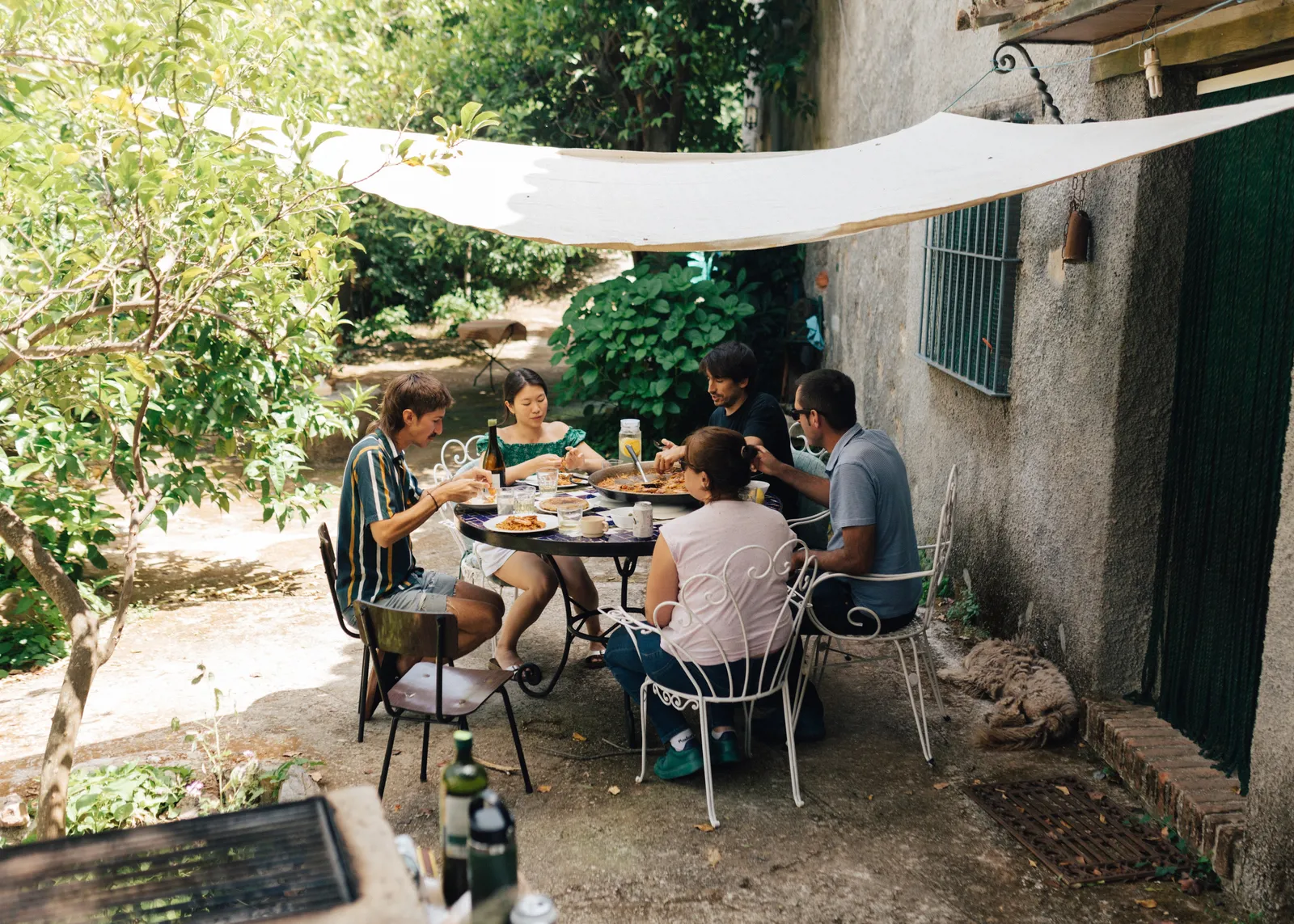
As temporary residents of the village, Rooral participants are encouraged to get involved in community events like Spanish lessons and potluck dinners or even host their own workshops to share a slice of home. I often spent my free time painting with a crew of local women, affectionately called “the grandmas” among Rooral members, or helping a neighbor tend to his herb garden and pick oranges from a grove on the mountainside.
One weekend, I visited Crestellina, a nearby farm, to learn about traditional goat farming and make cheese and ventured to adjacent villages where large-scale art installations are scattered throughout the hills. Other days, I’d stay in town and opt for a hike before ending the day practicing my Spanish with locals and new friends over tinto de verano at the bar.
“It’s nice to see new faces in the village,” says Anabel Zurdo, who has lived in Benarraba since she was a kid. “Rooral participants have taught me that everyone can fit in.”