

This post was originally published on this site.
Procrastination can feel overwhelming, but you can tackle it with practical steps. Start by breaking tasks into smaller parts, so they seem less intimidating. Use time-blocking to create focused work sessions, and set clear goals that matter to you. Make your study space inviting and free from distractions. By understanding your triggers and celebrating small wins, you’ll build momentum. Ready to explore techniques that can sustain your motivation? Let’s get into the details.
Key Takeaways
- Break tasks into smaller, manageable steps to make them less intimidating and easier to start.
- Use time-blocking techniques to create focused work periods, minimizing distractions.
- Set clear, achievable goals with realistic deadlines that align with personal values.
- Implement accountability measures, such as journaling, to track progress and clarify feelings.
- Reward yourself for completing tasks to reinforce positive behaviors and maintain motivation.
Why Do We Procrastinate? Understanding the Problem and How to Solve It?

Procrastination often sneaks in when you feel overwhelmed by tasks or fear failure, making it essential to understand your personal triggers.
So, why do we procrastinate? It often stems from emotional barriers like anxiety and fear of failure, rather than laziness. Recognizing these feelings is vital for effective time management and procrastination solutions.
To tackle this, break tasks into smaller, manageable steps. Use strategies like the Pomodoro Technique, which creates urgency and helps maintain focus.
Reflect on the consequences of procrastination, such as increased stress and health risks, to motivate change. Building self-efficacy can also enhance your productivity; remind yourself of past successes to combat negative emotions.
By addressing these emotional barriers, you can develop practical strategies to overcome procrastination and foster a more productive mindset.
Take charge today—identify your triggers and start implementing these solutions to regain control over your tasks.
Effective Time Management Techniques to Reduce Procrastination Anxiety

When you feel overwhelmed by tasks, effective time management techniques can be your best ally in reducing procrastination anxiety.
Start by breaking tasks into smaller, manageable steps. This makes them less intimidating and easier to tackle. Use time-blocking strategies to allocate specific periods for focused work, minimizing distractions during those times.
Set clear, achievable goals with realistic deadlines to build a sense of accomplishment. This can motivate you to take action instead of delaying.
Additionally, create a conducive work environment by removing distractions, which helps improve your focus and efficiency.
Regularly reviewing and adjusting your goals guarantees they align with your personal values, keeping your motivation high.
Setting Achievable Goals to Foster Momentum

To overcome procrastination, start by breaking tasks into smaller, manageable steps.
Set realistic deadlines that match your pace, which can help you stay focused and motivated.
Make sure your goals align with your values; this connection keeps you engaged and makes progress feel more meaningful.
Break Tasks Into Steps
Breaking tasks into smaller, manageable steps can make a challenging project feel much more achievable. To effectively overcome procrastination, focus on creating an anti-procrastination plan that emphasizes breaking tasks into steps. Use project management tools like Notion to organize your tasks. Here’s a simple approach:
[embedded content]
| Step | Action |
|---|---|
| Identify the Task | Choose a task you want to complete |
| Break it Down | Divide it into smaller, actionable steps |
| Set Mini Goals | Create specific milestones to track progress |
| Celebrate Progress | Acknowledge and celebrate small milestones |
Set Realistic Deadlines
Setting realistic deadlines can greatly boost your productivity and help you manage tasks more effectively. To combat procrastination, break larger tasks into smaller milestones and set specific, attainable deadlines. This approach reduces overwhelm and keeps you focused.
Use tools to stop procrastinating, like countdown timers or apps, to visualize your deadlines and enhance accountability. Establish earlier deadlines as a safety net, giving you time for revisions and reducing last-minute stress.
Regularly reassess your deadlines based on progress to guarantee they remain relevant and motivating. By learning how to stop procrastinating with these strategies, you’ll find it easier to stay on track and achieve your goals.
[embedded content]
Align Goals With Values
Aligning your goals with your personal values can greatly boost your motivation and help you overcome procrastination. Start by identifying what truly matters to you—your passions and core beliefs.
Once you’ve clarified your values, set achievable goals that reflect them. This connection fosters intrinsic motivation, making task completion feel more relevant and rewarding.
Break larger goals into smaller, manageable steps to avoid feeling overwhelmed. Regularly reassess these goals to confirm they continue to align with your evolving values, enhancing motivation and engagement.
By creating meaningful objectives, you’ll not only improve your long-term commitment but also increase your satisfaction in the process.
How Self-Awareness Can Help You Overcome Procrastination?

Self-awareness can greatly enhance your ability to overcome procrastination, as it helps you pinpoint the emotional triggers behind your avoidance behaviors. Start by reflecting on past experiences of procrastination; this will help you identify emotional barriers like fear of failure or perfectionism.
Consider journaling to clarify your feelings and thoughts about procrastination. This practice promotes accountability, making it easier to face tasks head-on.
Next, use your insights to set realistic goals. Break larger tasks into manageable steps to reduce feelings of overwhelm. Recognizing procrastination’s protective function can lessen its grip on you, allowing you to confront tasks with a proactive mindset.
Finally, regularly assess your task management strategies. Adjust them as needed to guarantee they align with your goals. By understanding your motivations and habits, you can create a more productive environment and break the cycle of procrastination.
Why Celebrating Small Wins Reinforces Positive Habits

When you celebrate small wins, you not only boost your motivation but also reinforce positive habits that can help you overcome procrastination. Here’s how celebrating these incremental achievements works for you:
- Boosts Dopamine: Rewarding yourself releases dopamine, enhancing your motivation to keep going.
- Increases Self-Efficacy: Recognizing your progress builds confidence, making you more willing to tackle larger tasks.
- Creates a Positive Feedback Loop: Acknowledging small wins encourages you to continue being productive, reinforcing the habit.
- Fosters a Growth Mindset: Viewing challenges as opportunities encourages learning, rather than stressing over failures.
How to Set Up Your Study Space for Maximum Focus?
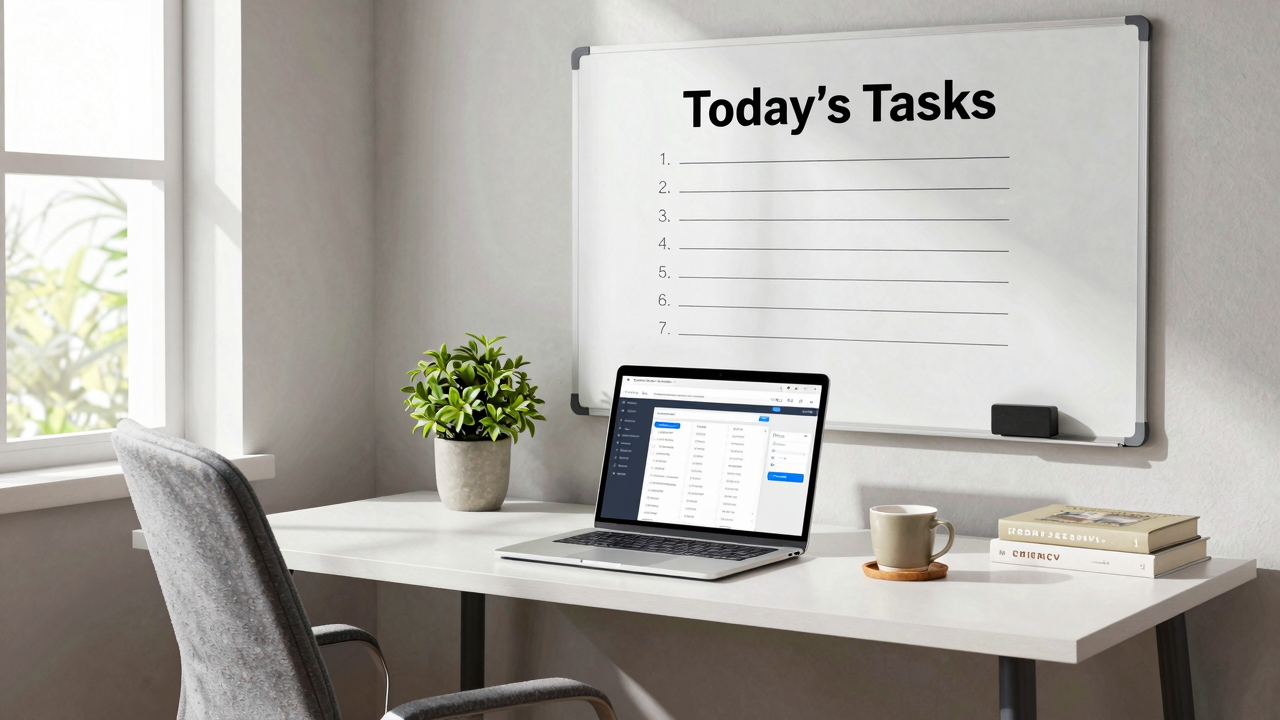
To maximize your focus while studying, start by choosing a quiet, well-lit space that’s free from distractions. This is essential for your anti-procrastination efforts.
Use ergonomic furniture, like a comfortable chair and desk at the right height, to maintain good posture and reduce fatigue. Personalize your study area with motivational quotes or images that inspire you, helping to overcome procrastination and laziness.
Keep your materials organized and within reach, using shelves or bins to streamline your workflow. This minimizes the time spent searching for resources, making it easier to stop procrastinating.
Consider implementing a timed study method, like the Pomodoro Technique, to create structured work sessions followed by short breaks. This approach can help you deal with procrastination effectively and get out of the habit of procrastination.
Cultivating Intrinsic Motivation for Lasting Engagement

Cultivating intrinsic motivation can transform your approach to tasks, making them feel more rewarding and less like obligations. When you connect your work to personal values, you’ll likely experience greater engagement and satisfaction.
Here are four actionable steps to help you cultivate intrinsic motivation:
- Identify Personal Values: Reflect on what truly matters to you. Align tasks with these values to create a sense of purpose.
- Set Learning Goals: Focus on skill development rather than just completing tasks. This shift helps you appreciate the process.
- Engage in Meaningful Tasks: Choose activities that resonate with your interests. Engaging with what you love reduces procrastination.
- Create a Curious Environment: Foster a space where exploration is encouraged. This can boost your intrinsic motivation and enhance focus.
Frequently Asked Questions

What Is the 5 4 3 2 1 Rule for Procrastination?
The 5-4-3-2-1 rule is a simple technique to beat procrastination. When you feel the urge to delay, count down from five.
By the time you reach one, take immediate action on your task. This countdown creates urgency, pushing you to act before overthinking sets in.
You can use it for anything, like starting a project or going for a run. Just remember, the key is to act right after you hit one.
What Are the 7 Steps to Cure Procrastination?
To cure procrastination, follow these seven steps:
First, identify your triggers and understand why you delay tasks.
[embedded content]
Next, set specific, achievable goals to make tasks manageable.
Third, create a distraction-free workspace.
Fourth, use time management techniques, like the Pomodoro Technique, to structure your work.
Fifth, practice self-compassion when you slip up.
Sixth, develop a routine to build consistency.
Finally, review your progress regularly to stay motivated and adjust your strategies as needed.
What Is the 3 2 1 Rule for Procrastination?
The 3-2-1 Rule helps you tackle procrastination effectively.
First, list three tasks you want to complete. Next, choose two specific time blocks to focus on those tasks, creating urgency.
Finally, set one reward for finishing them, like a break or a treat. This method simplifies your workload, making it easier to get started and build momentum.
What Is the 80 20 Rule for Procrastination?
The 80/20 Rule states that 80% of your results come from just 20% of your efforts.
To apply this, identify the tasks that yield the most significant impact. Focus on those high-value tasks first to maximize your productivity.
Create a list, highlight the top priorities, and tackle them one at a time. By concentrating your energy where it counts, you’ll reduce overwhelm and make progress faster.
Regularly reassess your priorities to stay aligned with your goals.
Conclusion

By applying these techniques, you can tackle procrastination effectively. Start by breaking tasks into smaller steps, use time-blocking for focused work, and create a distraction-free environment. Set achievable goals that align with your values and celebrate small wins to stay motivated. Reflect on your triggers to boost self-awareness, and remember to cultivate intrinsic motivation for deeper engagement. Take these steps today, and you’ll find yourself making progress and overcoming procrastination one task at a time.
Image via Google Gemini and Small Business Trends